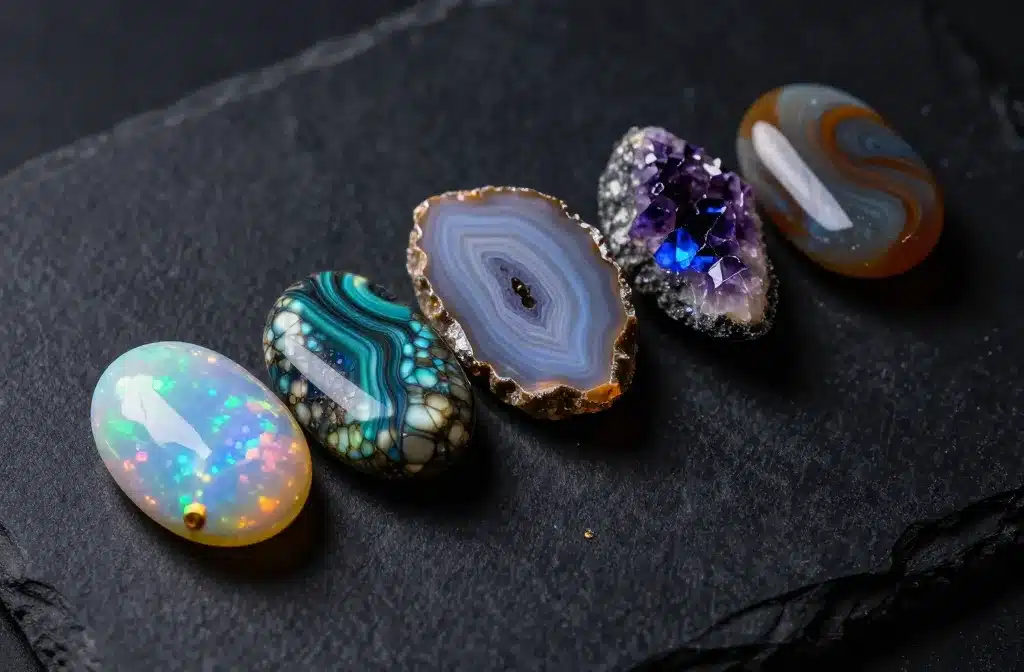
Some stones stop you mid-step. Not because they’re costly, but because they hold light, color, and pattern in a way that feels improbable. Beauty in rocks isn’t just for jewelers; it’s for anyone who’s paused over a tide-polished pebble or a geode split open like a secret.
Here, you’ll meet the showstoppers: from opals flashing with neon fire to banded agates that look painted by hand. You’ll learn how these rocks form, where they come from, why some withstand daily wear while others are for display cases, and how collectors assess value beyond the price tag.
We’ll keep the science friendly and the advice practical. If you’re building a collection, choosing a gemstone for jewelry, or simply curious about Earth’s most eye-catching creations, you’ll find plenty to spark ideas—and maybe your next obsession.
Expect clear descriptions of color and texture, insights on symbolism and folklore, and grounded buying tips that seasoned enthusiasts use. Let’s go rock hunting, globally.
Opal: Fire Trapped in Stone
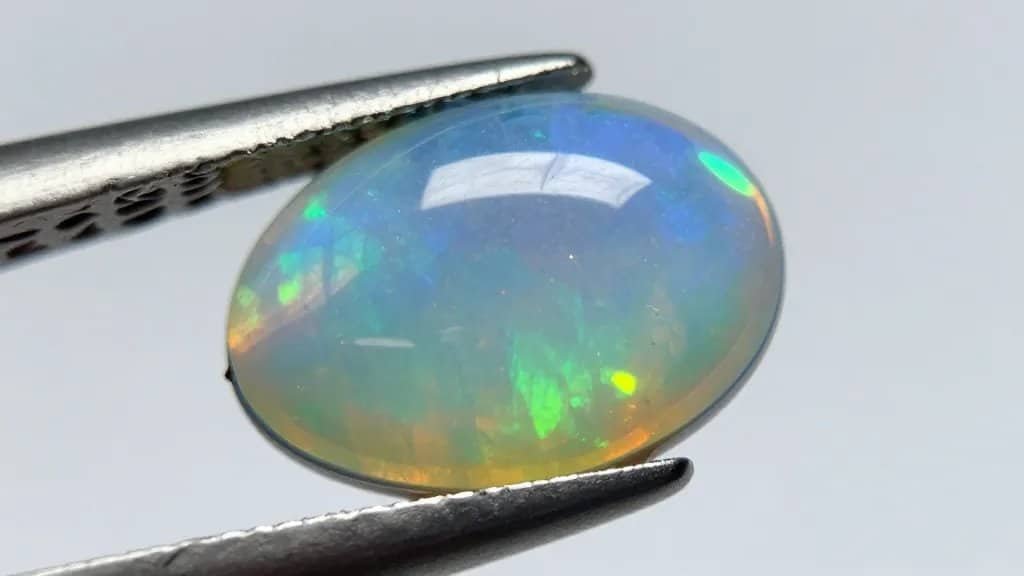
Few rocks electrify the eye like opal. At first glance, it’s milky or glassy. Tilt it, and the stone erupts with shifting greens, violets, flame-orange, and electric blue—a phenomenon called play-of-color. This effect comes from microscopic silica spheres stacked in tidy arrays; light diffracts through them like a tiny prism factory.
Origins are legendary: Australia produces most precious opal, with famous fields in Lightning Ridge and Coober Pedy. Ethiopia’s Wollo opal often shows honeycomb patterns and vivid neons. Mexico offers warm, transparent fire opal—sometimes with play-of-color, sometimes a pure orange glow.
On the Mohs scale, opal sits around 5.5–6.5. It’s softer and can be brittle, especially if dehydrated. Chocolate-darkened Ethiopian opals or smoke-treated stones exist; always ask for disclosure. Solid opal is more durable than doublets or triplets (thin slices layered with backing and a cap) for daily wear.
Value rises with brightness, broad rolling flashes, a full rainbow, and pattern rarity (harlequin is coveted). Under magnification, genuine opal shows a mosaic-like pattern that shifts with light. Plastic imitations look too uniform and weigh less. For jewelry, protected settings—bezels and pendants—are smart. Store away from excessive heat or dryness; a soft cloth and mild water clean-up is enough.
Agate and Jasper: Nature’s Pattern Makers
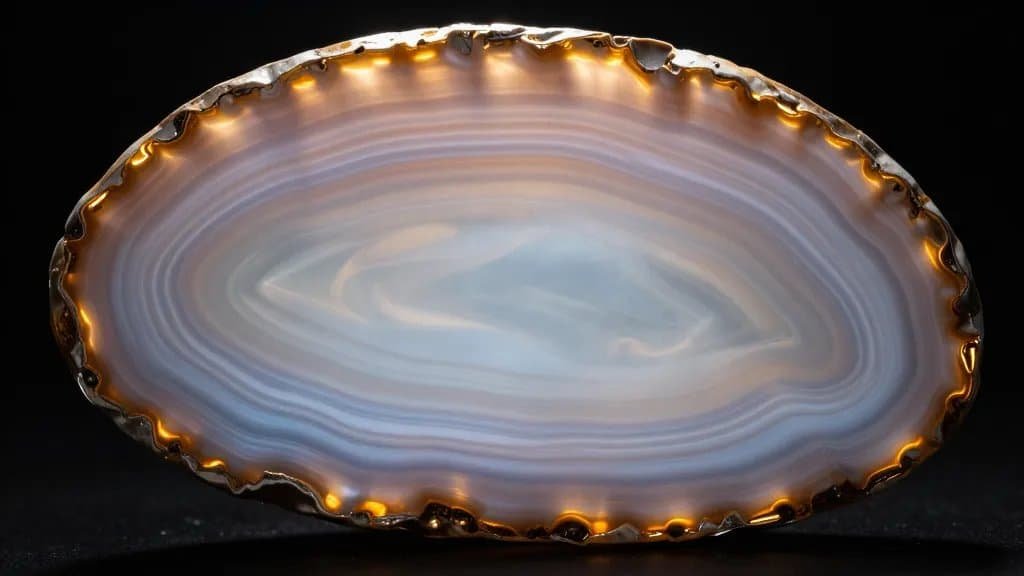
Agate and jasper are both chalcedony, but they present different personalities. Agate is typically translucent with concentric or scenic banding; jasper is opaque, bold, and often picture-like. Together they might be the most varied “beautiful rocks” on Earth.
Brazilian agate showcases perfect rings and drusy-lined geodes. Botswana agate wears soft gray bands like smoke. Moss agate appears as if tiny ferns are suspended inside. Laguna agate from Mexico shows razor-fine, neon-bright layers. Petrified wood often transforms into jasper, with tree rings frozen in pastel or desert tones.
At around 6.5–7 Mohs, both take a high polish and handle wear well. They’re ideal for statement cabochons, beads, and large cuff bracelets. Value reflects pattern sharpness, color contrast, freedom from fractures, and size. Dyes can enhance color in lower-grade pieces; look for unnaturally bright, uniform hues and color concentrated at the edge of drill holes.
For collectors, cutting agate slabs is a joy—every slice reveals a new scene. If you love earth-quiet colors and painterly patterns, agate and jasper will keep surprising you long after the first purchase.
Jade: Serenity in Green (and Beyond)
Jade is two different minerals with one storied name: nephrite and jadeite. Nephrite, softer at 6–6.5 Mohs, has a smooth, waxy luster and comes in greens, creamy whites, and browns. Jadeite is rarer and can reach vivid emerald hues known as imperial green, alongside lavender, white, black, and multicolor combinations.
Jade’s beauty is tactile as much as visual. The best pieces feel silky, with light seeming to sink a millimeter below the surface—gemologists call this translucency and texture “ji shui” in Chinese jade terms. Myanmar remains a prime source of jadeite; nephrite is found in China, Canada, New Zealand, and Russia.
Symbolically, jade is associated with protection and balance. Historically it served as tools, ritual carvings, and jewelry. For value, translucency and a pure, saturated green elevate jadeite. Treatments are common: Type A jadeite is natural with traditional waxing; Type B is bleached and polymer-filled; Type C is dyed. Ask for lab reports and learn these classifications if you plan to invest.
Jade carves beautifully, so pendants, bangles, and beads are classic. Avoid ultrasonic cleaners—warm soapy water is best. If you like subtle glow over high sparkle, jade may become your favorite daily stone.
Lapis Lazuli: Ultramarine Splashed with Stars
Lapis lazuli looks like night sky captured in rock—deep ultramarine with golden pyrite flecks and occasional calcite clouds. It’s an aggregate, mainly lazurite, with accessory minerals that give each piece character. The most desirable is an even blue with minimal white and just enough pyrite to twinkle.
Afghanistan’s Sar-e-Sang mines have yielded lapis for over 6,000 years. It powered Renaissance blues in painting and still captivates in carved boxes and bold cabochons. At 5–5.5 Mohs, it needs some care; avoid abrasives and heat. Some lower-grade lapis is dyed or resin-impregnated—if the color looks inky and uniform, be cautious.
Lapis complements warm gold jewelry and glows against black clothing. For collectors, rough with intense color and tight grain takes a superb polish. If you love history with your gemstones, lapis brings it in layers.
Ruby and Sapphire: Corundum’s Twin Flames
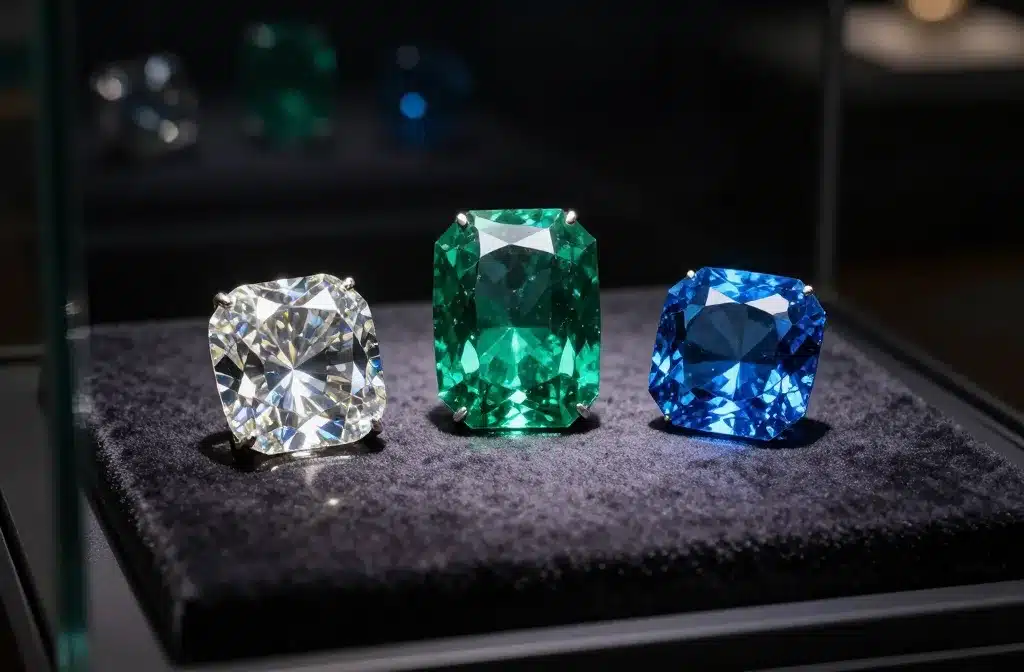
Ruby and sapphire are the same mineral—corundum—colored by trace elements. Ruby is corundum red, often chromium-charged to a vivid “pigeon’s blood.” Sapphire covers everything else: blue, pink, yellow, green, and the collector’s darling, padparadscha, a delicate mix of pink and orange.
At 9 Mohs, corundum is second only to diamond in hardness, making it perfect for rings. Kashmir and Burmese sapphires are legendary for velvety blues; Sri Lanka produces luminous pastels; Madagascar and Montana yield modern favorites with teal or steely hues. Star sapphires and rubies display asterism—six-rayed stars—when cut as cabochons, thanks to rutile silk aligning inside.
Heat treatment is common and usually disclosed; beryllium diffusion, which alters color deep in the crystal, should also be stated. Unheated stones with strong color command premiums. For identification, look for natural inclusions under magnification: crystal pinpoints, rutile needles, fingerprint veils. Glass-filled rubies may show gas bubbles and a telltale luster variation.
If you’re considering an heirloom-quality piece, browse a Gemstone Buying Guide and a Gemstone Value Guide to understand how color, clarity, cut, and origin interlock. For daily wear, corundum is an easy choice—sparkle, strength, and a color palette that fits any style.
Emerald and the Beryl Family: Gardens of Green and Beyond
Beryl is a chameleon mineral. Emerald is its green variety, colored by chromium or vanadium; aquamarine is sea-blue; morganite blushes pink; heliodor glows yellow. Emerald, at 7.5–8 Mohs, is hard but often fractured, a natural feature referred to as “jardin” (garden) for its mossy appearance.
Colombian emeralds, especially from Muzo and Chivor, are famed for their pure, luminous green. Zambia offers deeper tones with fine transparency. Emerald’s value is driven by color first, then clarity, then cut. Oil treatment to reduce the visibility of fractures is routine and generally accepted; resin filling also exists and should be disclosed.
Because emeralds can be delicate, avoid ultrasonic cleaning and harsh chemicals. Choose protective settings for rings or opt for pendants and earrings. Aquamarine and morganite, clearer and less included, can be faceted into dazzling step cuts. If you love a refined, architectural look, the beryl family rewards you with crisp edges and glassy brilliance.
For side-by-side comparisons of durability and wearability, browsing Gemstone Hardness and Gemstone Comparisons can clarify which beryl variety suits your lifestyle.
Turquoise and Variscite: Desert Blues and Greens
Turquoise feels like sun-warmed stone and sky water at once. Its color ranges from robin’s-egg blue to greenish blue, sometimes webbed with black or brown matrix. The most celebrated sources include Iran (Nishapur), the American Southwest (Sleeping Beauty, Kingman), and Tibet.
Natural turquoise is relatively soft, around 5–6 Mohs, porous, and often stabilized—impregnated with colorless resin to improve durability. Stabilized turquoise is suitable for everyday jewelry and widely accepted, but reconstituted or dyed composites should be priced accordingly.
Variscite, a close cousin, leans more toward apple-green with delicate matrix and has grown in popularity for artisan jewelry. Both stones look superb in sterling silver and oxidized finishes. To care for them, avoid solvents, cosmetics, and prolonged water exposure. A soft dry cloth is enough for cleaning.
Labradorite and Moonstone: The Glow of Feldspar
Feldspar gives us some of the most ethereal effects in gemology. Labradorite shows labradorescence—broad flashes of peacock blue, gold, and green that sweep across a gray base as you move the stone. High-end material from Finland (spectrolite) can blaze with nearly every color.
Moonstone, a potassium feldspar, offers adularescence—a gentle, floating light that seems to hover under the surface, most enchanting in blue sheen on near-colorless material from Sri Lanka. Both sit around 6–6.5 Mohs and benefit from protective settings to prevent abrasion.
Look for clean surfaces and strong, centered sheen. In moonstone, a well-cut cabochon with a sharp blue billow commands attention. Imitations in glass lack the natural layered structure that creates these optical effects. If you favor jewelry that moves with light—pendants swaying, rings flashing as you gesture—feldspar is your friend.
Malachite and Azurite: Copper’s Painterly Palette
Malachite’s banding is bold: concentric circles, ripples, and eyes in velvety greens. Azurite matches it with saturated cobalt to navy blues, often intergrowing as azurite-malachite with landscapes of ocean and forest in one slab. These copper carbonates are soft, around 3.5–4 Mohs, but they polish to a rich luster that feels almost silky.
Historically used as pigments, they’re still best as statement cabochons, beads, inlays, and art carvings. Avoid acids, heat, and sonic cleaners. If used in rings, choose settings that shield the stone. For home décor, bowls and boxes of malachite are stunning, but keep them dry and dust gently.
Collectors prize tight, rhythmic banding in malachite and deep, even blue in azurite. Stabilization can improve durability; disclosure should be standard.
Obsidian, Tiger’s Eye, and Other Eye-Catching Quartz
Obsidian, a natural volcanic glass, is the sleek minimalist: jet-black with a mirror polish. Variants like rainbow obsidian reveal subtle iridescence, and snowflake obsidian sprinkles cristobalite “flakes” across the surface. It’s about 5–5.5 Mohs and can chip—bracelets and pendants are safer than rings.
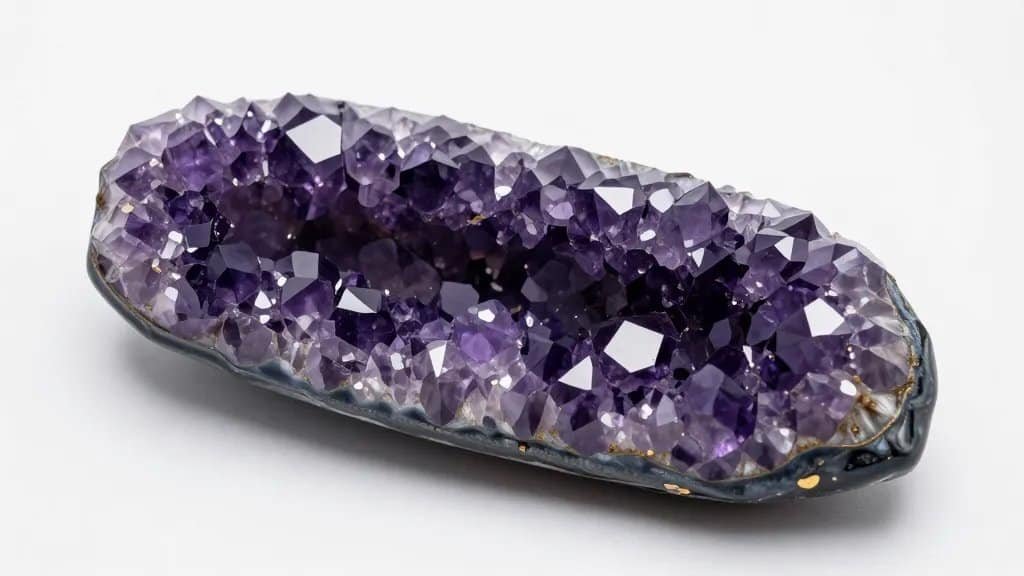
Quartz, at 7 Mohs, offers both beauty and everyday toughness. Amethyst brings regal purples; citrine warms with golden hues; rose quartz blushes softly. Then there are the chatoyant stars: tiger’s eye and hawk’s eye, where light runs like liquid down the stone. This silky effect comes from aligned fibers replaced by quartz, producing that iconic moving band of light.
Value in quartz depends on saturation, clarity, and cut. Heat-treating amethyst to make citrine is common; smoky quartz can be irradiated. None of these treatments diminish enjoyment if disclosed fairly. For earrings or daily rings, quartz gives you sparkle without worry.
Opulent Oddities: Ammolite, Rhodochrosite, and Larimar
Ammolite forms from fossilized ammonite shells in the Rocky Mountains, with a shattered mosaic of reds, greens, golds, and deep blues, like stained glass. It’s thin and delicate—often stabilized or backed—but visually explosive. Choose protected settings and avoid heat and chemicals.
Rhodochrosite ranges from candy-pink banded stalactitic slices to transparent cherry-red crystals. The banded material makes irresistible cabochons; gemmy crystals, though rare and soft (3.5–4 Mohs), are sought by collectors. Keep it for gentle wear or display.
Larimar, a rare blue pectolite from the Dominican Republic, shows soft pool-blue patterns with white swirls. It polishes well and shines in beachy silver settings. Its soothing color and relative rarity make it a sweet spot for gemstone gifts.
How Collectors Judge Beauty: Color, Light, and the Hand of Nature
Beauty in rocks lives where science and art meet. Collectors often evaluate:
- Color and saturation: Not just brightness, but hue purity and pleasing tone.
- Transparency and glow: Does light pass through or linger within? Is there adularescence, play-of-color, or chatoyancy?
- Pattern and texture: From agate banding to malachite eyes, crisp pattern edges win hearts.
- Cut and polish: The right orientation maximizes effects—cabochons for sheen, faceting for brilliance, slabs for pattern.
- Durability: Mohs hardness, cleavage, and toughness guide how a stone can be worn.
- Authenticity and treatment: Natural versus enhanced, and the type of enhancement. Honest disclosure matters.
If you’re building a collection, it helps to read up on Gemstone Identification basics and common treatments. A loupe or macro lens will teach you more than a dozen articles ever could.
Buying and Caring for Beautiful Rocks
Start with your eyes and your lifestyle. Daily ring wear favors corundum, spinel, or quartz. Display pieces or occasional-wear jewelry welcome opal, malachite, and rhodochrosite. Ask sellers for disclosures on treatments—heat, dye, impregnation, filling—and consider an independent lab report for higher-value purchases.
Care basics:
- Clean gently with lukewarm water and mild soap; pat dry. Avoid ultrasonic and steam for porous or fracture-filled stones.
- Store separately to prevent scratches; wrap softer stones.
- Keep porous or stabilized stones away from perfumes and solvents.
- For opal and other moisture-sensitive gems, avoid extreme dryness and rapid temperature swings.
For style ideas and practical tips, explore Gemstone Jewelry, Gemstone Rings, and Gemstone Care to match stones to settings and maintenance needs.
Real vs. Fake: Quick Field Clues
Replicas have their place, but representation should be honest. Quick checks include:
- Weight and temperature: Glass and plastic often feel warmer and lighter than crystalline gems.
- Uniformity: Too-perfect patterns or colors often signal dyes or composites.
- Magnification: Natural inclusions look organic—veils, needles, zoning. Bubbles often indicate glass; straight, flat planes may hint at synthetics.
- Scratch resistance: Don’t sandpaper your gem, but know relative hardness. A quartz crystal shouldn’t scratch easily with a steel blade, while calcite will.
- UV response: Some stones fluoresce characteristically; learn which, but don’t rely on this alone.
When in doubt, consult a professional appraiser or gem lab. A little caution upfront prevents disappointment later.
FAQ
Which beautiful rocks are best for everyday rings?
Corundum (ruby and sapphire) and spinel are top choices. Quartz varieties like amethyst and citrine also hold up well. Softer stones—opal, turquoise, malachite—are better in protected settings or for occasional wear.
How can I tell if turquoise is natural or stabilized?
Stabilized stones feel slightly more “plastic” in luster and have fewer surface pores. Natural high-grade turquoise exists, but it’s rarer and pricier. Responsible sellers disclose stabilization; if not, ask.
Are all emeralds treated with oil?
Many are, because oil hides minor fractures and improves apparent clarity. It’s a traditional, accepted practice when disclosed. Resin-filled stones should be priced lower and treated with extra care.
What’s the difference between agate and jasper?
Agate is typically translucent with banding; jasper is opaque with bold colors and patterns. Both are chalcedony and share similar durability.
Can opals dry out and crack?
Solid opals are stable if stored away from intense heat and very low humidity. Ethiopian hydrophane opal absorbs water and can temporarily change appearance; allow it to dry slowly. Avoid sudden temperature changes.
Is lapis lazuli safe in ultrasonic cleaners?
No. Lapis is porous and sensitive to heat and chemicals. Use mild soap, water, and a soft cloth. Dry thoroughly.
What should beginners collect first?
Start with durable, visually distinctive stones: agate slabs, quartz points, labradorite cabochons. They’re affordable, teach pattern and light behavior, and look great in both displays and jewelry.
Closing Thoughts
The most beautiful rocks found around the world aren’t just pretty—they’re stories of pressure, heat, chemistry, and time, shaped by human hands into objects we can wear or place on a shelf. Let your eye lead, learn what makes each stone tick, and choose pieces that fit your life. Beauty endures when you understand it.

Christian Grey is the creator of GemMeaning, where he shares simple insights about crystals, gemstone meanings, and spiritual guidance. His focus is on making complex ideas easy to understand and practical for everyday life.