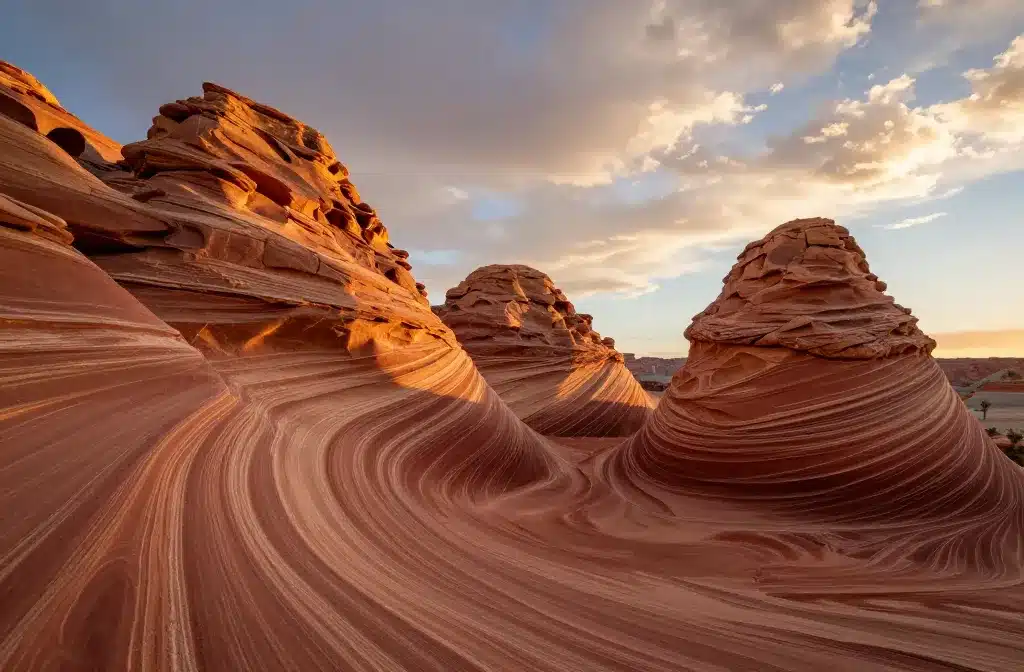
There’s a quiet thrill in seeing rock behave like sculpture. As a gemologist, I spend my days studying crystals under magnification, but the planet’s giants—arches, pillars, hoodoos, and mineral cathedrals—feel like walking through the rough where stones are born. These formations are the world’s largest “specimens,” carved by pressure, heat, and water over spans of time we measure in eras, not years.
Here, you’ll learn how these wonders form, what they say about the gems we love, and how to read the stone the way a jeweler reads a rough. We’ll explore formations that illuminate color chemistry, crystal habit, hardness, durability, and even the myths that still cling to certain minerals.
You’ll also pick up collector-minded tips—how to identify related gemstones in the field shops near famous sites, what value factors matter, and how to care for souvenirs so they sparkle long after the trip ends.
Think of this as a road atlas for rock lovers, plotted by someone who thinks in facets and cleavage planes.
The Stone That Flows: Antelope Canyon’s Sandstone Ribbons
Antelope Canyon in Arizona looks like poured silk, yet it’s sandstone—grains of quartz cemented together. Flash floods carve the soft layers into wave-like corridors, where sunlight drops in as ropes of gold. Stand inside and you can almost feel the river that made it.
Gem connection: Sandstone’s dominant component is quartz (Mohs 7). That same hardness gives amethyst, citrine, and rock crystal their durability in jewelry. Notice how the walls glow warm orange to deep rust? That’s iron oxide staining, the same element responsible for amethyst’s purple (in a different chemical state) and the golden hues of citrine when heat-treated. If you’ve read about Gemstone Colors and how trace elements shift shades, this canyon is a life-sized color lab.
Buying tip: Shops near Page often sell tumbled agates and jaspers. Examine polish—good pieces show tight, glassy surfaces without “orange peel” texture. Ask whether the carnelian or agate has been dyed; real vs fake often reveals itself by overly uniform neon color along fractures.
Dragon’s Teeth and Goblins: Hoodoos of Bryce Canyon
Bryce Canyon isn’t a canyon at all but an amphitheater of hoodoos—thin spires of limestone capped with harder rock. Freeze-thaw cycles are the stonecutter here: water seeps into cracks, freezes, expands, and gently pries the columns apart like wedges.
Appearance and symbolism: The pinks and creams feel almost confectionary at sunrise, shifting to cinnamon and coral by afternoon. For many, hoodoos symbolize patience and transformation—the slow choreography of ice and gravity. If you appreciate Gemstone History, that same sense of deep time underlies the stories we tell about stones like opal and turquoise.
Geology lesson for jewelers: Limestone forms in ancient seas and can be a host rock for gem pockets. Think of how opal nodules in Australia form in former marine sediments. Here, you’re seeing the host without the gem. It teaches an eye for strata—critical for field collectors chasing geodes or agate seams in nearby regions.
Arches, Windows, and Bridges: Utah’s Sandstone Sculptures
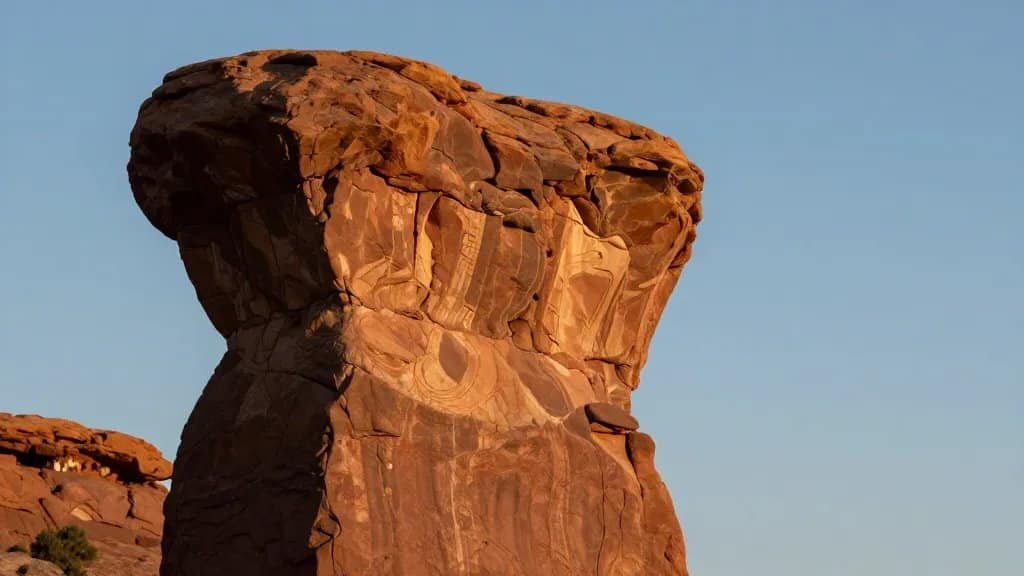
In Arches National Park, gravity and time carve openings in sandstone fins. Each arch depends on a balancing act between load and void, held by compacted quartz grains and thin cement that resists wind just enough.
Gem parallel: Quartz crystallizes as hexagonal prisms, but in jewelers’ trays you often see it faceted as brilliant cuts or fashioned into cabochons. The arches are macro “facets” of erosion; they channel light the way a well-cut gemstone directs brilliance. If you’re pondering Gemstone Cuts and how shape affects sparkle, watch how shadows move across an arch—the lighting changes the structure’s character, just as pavilion angles make or break diamond scintillation.
Collector note: Souvenir stands often feature Utah septarian nodules—brown calcite crystals, yellow calcite veins, and aragonite ribbons in a mudstone matrix. Mohs hardness varies: calcite is 3, aragonite 3.5–4, so pieces scratch easily. For jewelry, treat them like soft opal: avoid ultrasonic cleaners, store separately, and consider protective settings on rings.
Lava as Lace: The Basalt Columns of Giant’s Causeway and Reynisfjara
Basalt columns form when molten lava cools and contracts, fracturing into hexagons like drying mud. Giant’s Causeway in Northern Ireland and the black-sand beach at Reynisfjara in Iceland display these geometric “organ pipes” marching into the sea.
Structure and color: The stone is charcoal to iron-black with a matte, dense texture. Wet, it deepens to ink, highlighting crisp joint planes. The geometry feels crystalline even though these columns are not individual crystals—they’re fracture patterns in a fine-grained volcanic rock.
Gem link: Basaltic terrains host some of the planet’s richest gem pockets. Peridot (olivine, Mohs 6.5–7) can erupt as green drops in basalts, and basalt flows can carry sapphire (corundum, Mohs 9) as placer grains. If you’re studying Gemstone Identification, remember that basalt-associated peridot shows a characteristic oily luster and a distinct olive hue; under magnification you may see straight tubular inclusions. For sapphires from basaltic fields, color zoning and rutile silk can help separate them from synthetics.
Buying advice: If a vendor near a volcanic site offers “natural black sapphire” in abundance at low prices, be wary. Many are heat-treated, diffused, or dyed quartz spin-offs. Use a simple hardness check (sapphire will scratch quartz) and ask for lab reports for higher-value stones. Consult the Gemstone Buying Guide for certification pointers.
Stone Forests and Knife-Edge Karst: China’s Shilin and Madagascar’s Tsingy
The Stone Forest in Yunnan and the Tsingy de Bemaraha in Madagascar are limestone wonderlands sharpened by acidic water. Rain picks at the rock along joints, sculpting ridges so thin they look like slate knives standing upright.
Texture and feel: Light clings to these ridges as thin silver lines, then falls into shadowed crevasses. Surfaces are etched like acid-etched agate slabs, with a powdery gray that turns silver in bright sun.
Gem context: Karst terrains form spectacular caves lined with calcite, aragonite, and sometimes hydrothermal minerals. While you won’t find emerald pockets in pure limestone, nearby faulting and fluid pathways can lead to lead-zinc deposits and gemmy smithsonite, hemimorphite, or even fluorite (Mohs 4). Fluorite’s cubic forms echo the geometric logic you see in the Tsingy’s jointing. For collectors chasing semi-precious stones, look for fluorite with color zoning—bands of purple, green, or blue. It’s softer, so ideal for pendants or Gemstone Earrings, less so for daily-wear rings.
Frozen Waterfalls in Stone: Travertine Terraces of Pamukkale and Mammoth Hot Springs
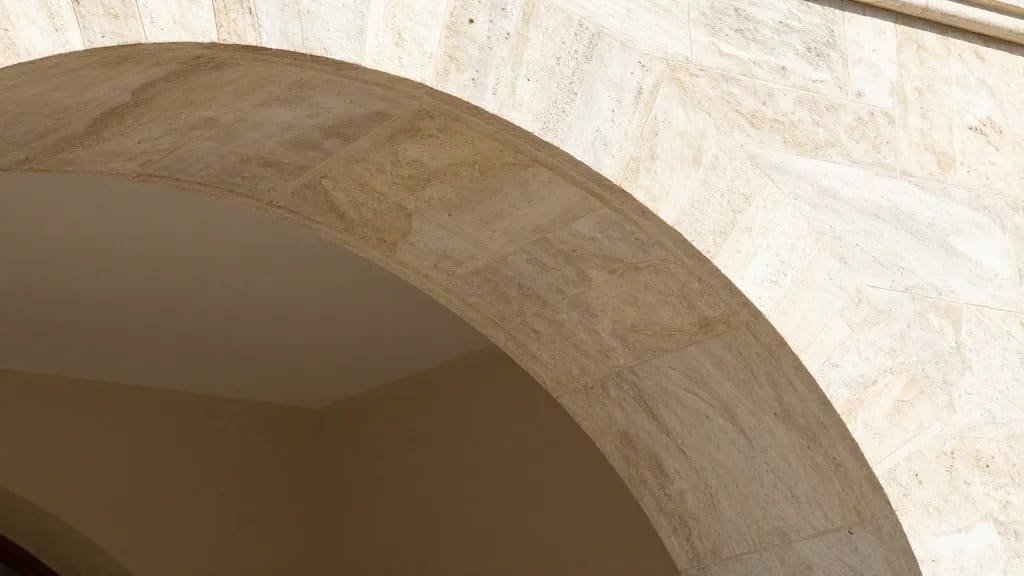
Travertine forms when hot, mineral-rich water releases carbon dioxide, depositing delicate calcite layers. The result: terraced pools that look like braided bowls of ivory and pale blue.
Appearance and durability: Chalky white to cream with a satiny sheen, travertine is porous and soft (calcite, Mohs 3). Walk along the edges and you’ll see micro-crystalline sparkle—miniature facets catching sun.
Gem analogy: This is nature’s low-temperature stonework, akin to how opal gels fill cavities, or how stalactites grow drip by drip. Jewelers sometimes cut stalactitic malachite or agate into cross-sections showing rings like tree growth. If you appreciate Gemstone Shapes, the most honest cut for delicate materials is often a domed cabochon that protects edges and emphasizes pattern over brilliance.
Care tip: If you take home travertine trinkets or calcite-based souvenirs, keep them away from acids (no vinegar cleaning), avoid ultrasonic cleaners, and store separately. On the Gemstone Care spectrum, treat them like pearls—gentle soap, lukewarm water, and a soft cloth.
Sand Turned to Stone: The Wave and Zebra Slot Canyons
The Wave on the Arizona–Utah border is a cross-bedded sandstone showpiece. Bands curl like cinnamon rolls, recording wind-driven dunes frozen in rock. Zebra slot canyons carry similar striping in tighter spaces.
Color and light: Reds, golds, and chocolate layers glow under oblique sun, then mute under clouds, teaching a practical lesson about color grading. Gem graders evaluate color under standardized light because hue shifts with illumination. If you’re shopping for Garnet or Tourmaline near these sites, step outside and check the stone under daylight too. You’ll see how reds warm and greens cool depending on the sun’s angle—information that matters for Gemstone Value Guide decisions.
Field identifications: Many roadside stands offer “sandstone jewelry.” Lovely as a keepsake, but not for heavy wear. The same Mohs 6–7 quartz grains are tough, yet the cement is weak; edges crumble and matte quickly. For rings, choose agate, jasper, or petrified wood cabs instead. Petrified wood (chalcedony replacement, Mohs ~7) often mirrors the canyon’s stripes and takes a high polish suitable for Gemstone Rings.
Fire and Ice in One Frame: Iceland’s Glacial and Volcanic Collisions
Iceland is a live geology class: black basalt beaches, glassy obsidian domes, and blue glaciers laced with volcanic ash. Obsidian, a natural glass, breaks with razor conchoidal fractures and a mirror polish.
Gem properties: Obsidian’s hardness is around Mohs 5–5.5, so it scratches more easily than quartz. Yet the luster is irresistible—jet-black, mahogany, or rainbow effects from microscopic inclusions. For Gemstone Jewelry, reserve obsidian for pendants or earrings. In rings, consider protective bezels and expect occasional repolishing.
Real vs fake: “Rainbow obsidian” is real, but the rainbow effect can also be simulated with coatings. Under a loupe, natural sheen appears as subtle, nested bands within the body, not a surface oil-slick. Gently warming the stone and observing color shift at different angles can reveal depth. When in doubt, request disclosures and avoid pieces with peeling or bubbled surfaces.
Salt as Sculpture: The White Desert of Egypt and Bonneville Salt Flats
Wind-carved forms in Egypt’s White Desert look like meringues set in stone. These are chalk and limestone, sometimes mixed with salt-encrusted surfaces. The Bonneville Salt Flats are pure crystalline salt fields that reflect sky like a mirror.
Why this matters for gems: Soluble minerals such as halite and gypsum teach a cautionary tale for soft stones. Selenite (a gypsum variety, Mohs 2) cleaves into silky blades—beautiful in cabinets, but fragile in jewelry. If a vendor offers “selenite pendants for daily wear,” set expectations. They scratch if you look at them wrong. Best as display pieces or light-catching window decor.
Collector tip: White stones show dirt and oils quickly. Handle with clean hands; store wrapped. A soft makeup brush lifts dust without streaks. Avoid water on selenite; it can cloud and etch.
Crystal Cathedrals: Geodes and the Giant Geode of Pulpí
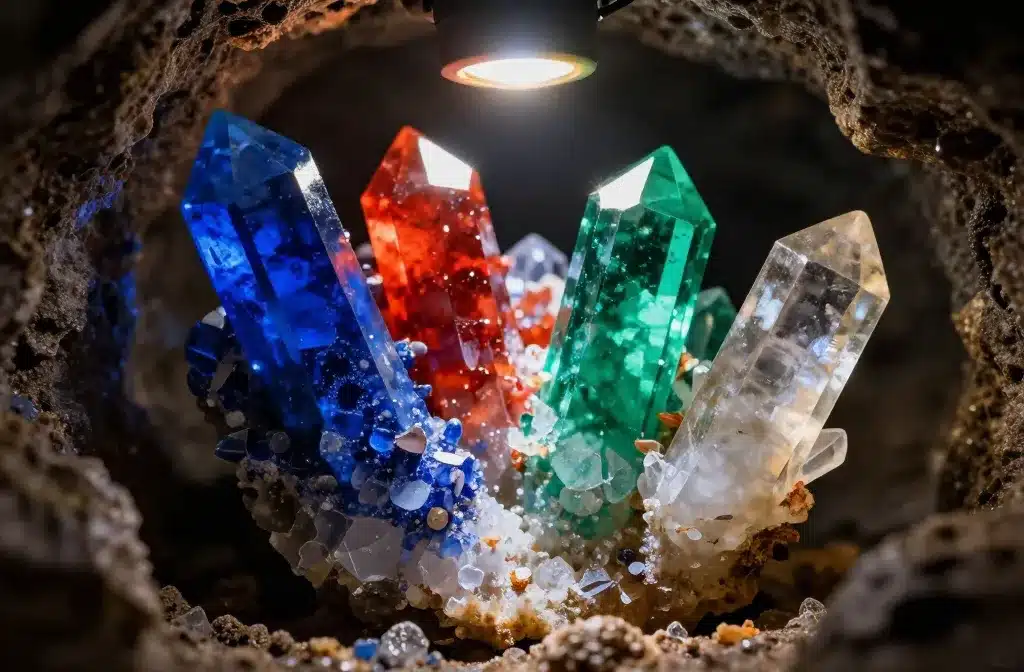
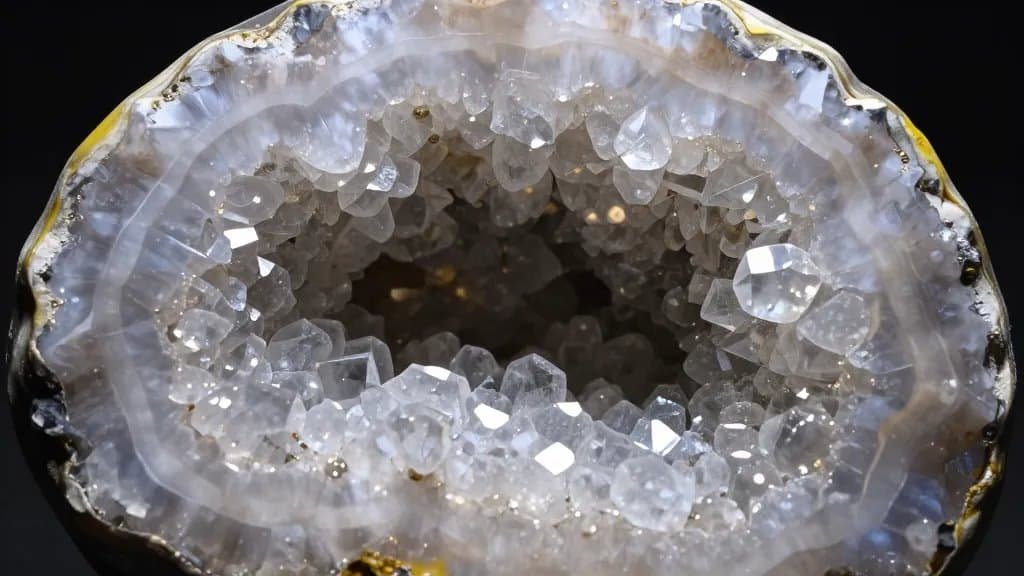
Step inside Spain’s Pulpí geode and you’re surrounded by selenite crystals so clear they look like frozen water. Smaller geodes—amethyst-lined spheres from Brazil or Uruguay—offer the same sense of entering a crystal, just at home scale.
Formation: Gas bubbles in volcanic rock or cavities in limestone become mineral theaters when silica-rich or sulfate-bearing fluids percolate in. Over time, crystals grow inward like frost. Amethyst grows at relatively low temperatures along iron-stained walls, while selenite forms from evaporating sulfate solutions.
Value and selection: For amethyst cathedrals, richer purple, larger crystal points, and symmetrical “mouths” command higher prices. Look for clean terminations and minimal repaired areas (visible as glossy resin lines). For cabinet-sized pieces, stable bases matter—no one wants a topple. If you’re weighing Gemstone Value Guide factors, color saturation and clarity come first; size is secondary if the hue is washed out.
Care: Dust gently. Avoid direct sunlight for amethyst; prolonged UV can lighten purple over years. Keep selenite dry and away from windows that condense moisture.
Rainbow Hills and Painted Deserts: Mineral Pigments Under Open Sky
The Painted Hills of Oregon and the Zhangye Danxia landforms in China display strata colored by iron, manganese, and organic matter. Bands of ochre, scarlet, and sage green roll like layered chiffon.
Gemstone color sense: Iron gives us a world of gem hues—green in emerald (with chromium and/or vanadium doing the star turn), yellow in heliodor, red in almandine garnet. Manganese is behind rhodochrosite’s rose and, in lower concentrations, the pink in morganite. Seeing these pigments in rock layers helps you appreciate why trace elements sit at the center of Gemstone Colors and why microscopic amounts can add zeros to a price tag.
Buying thought: If you’re drawn to these landscapes, look for jasper with painterly patterns—picture jasper, mookaite, and polychrome jasper. These are dense chalcedonies (Mohs ~7) that take a brilliant polish and hold up in bracelets and statement Gemstone Necklaces.
Myths, Meanings, and the Human Thread
People name stones when science hasn’t arrived yet. Giant’s Causeway was a road built by a hero; Bryce’s hoodoos were tricksters turned to stone. In gemstone lore, amethyst kept drinkers sober and opal guarded vision. Myths aren’t lab reports, but they’re maps of how a material’s appearance shapes its meaning.
Symbolism in the field: Spires and arches often stand in for endurance and passage. In jewelry, we mirror those shapes—elongated marquise cuts echo blades of basalt, while oval cabochons recall smoothed pebbles from slot canyons. If you’re exploring Gemstone Shapes, choose silhouettes that complement a material’s strengths: bezel-set ovals for softer stones, crisp hexagons for durable quartzes or sapphires.
Practical Tips for Travelers and Collectors
- Respect the outcrop: Removing rock from protected sites is illegal and unethical. Buy from reputable dealers who disclose origins and treatments.
- Pocket tools: A 10x loupe, a small LED light, and a microfiber cloth reveal more in a market than any sales pitch. If you know Gemstone Identification basics—birefringence, luster, inclusions—you’ll avoid impulse mistakes.
- Hardness memory aid: Fingernail ~2.5, copper coin ~3, steel blade ~5.5, quartz 7. If a “sapphire” scratches with a blade, it isn’t sapphire. Refresh with a quick review of Gemstone Hardness before a buying trip.
- Treatments common near volcanic regions: Heat-treated citrine, dyed agate, stabilized turquoise. Ask direct questions: Is it treated? How? Is the color natural? Polite persistence saves money.
- Jewelry for the road: Choose durable pieces—agate, jasper, garnet, sapphire—for hiking days. Save opals and calcite-based pieces for evenings. For Gemstone Bracelets that see knocks, opt for rounded beads over sharp-edged chips.
FAQs
Are any gemstones actually found at these famous rock formations?
Usually not at the marquee sites themselves, which are protected. However, nearby regions can host agate, jasper, peridot in basalt fields, and fluorite or calcite in karst areas. Buy from established local dealers who can document origin.
What’s the safest gemstone to wear while hiking rocky terrain?
Quartz family stones (amethyst, citrine, rock crystal) and garnet hold up well. Sapphire is even tougher. Avoid soft stones like calcite, fluorite, and selenite during outdoor activities.
How can I tell if a volcanic “black stone” is obsidian or glass?
Obsidian shows conchoidal fractures and often subtle flow banding; bottle glass may have bubbles, mold marks, or a greenish tinge. A loupe helps: natural flow lines look like faint smoke within the stone.
Do amethyst geodes fade in sunlight?
Yes, prolonged UV exposure can lighten amethyst. Display geodes away from direct sun and strong UV sources to preserve color.
Is dyed agate common in souvenir shops?
Very. Vivid, uniform blues, pinks, or purples often indicate dye. Check color concentration along cracks and edges; natural agates show more subtle, uneven banding.
Can travertine or calcite items be worn as jewelry?
They can, but they’re soft and porous. Best as occasional-wear pendants or earrings, not rings. Keep them away from acids, perfumes, and ultrasonic cleaners.
What cuts showcase patterned jaspers and petrified wood?
Cabochons. Domed surfaces highlight swirls and landscapes, resist chipping better than sharp facets, and polish to a rich, glassy glow.
Final Thoughts
Great rock formations are nature’s open-air gem labs, revealing the forces that sculpt both mountains and the jewels we treasure. See enough arches, hoodoos, and crystal caverns, and you start to read stone the way a cutter reads rough—watching how light plays, how structure holds, and how a trace of iron can turn a horizon or a cabochon into something unforgettable. If these landscapes spark your curiosity, follow it into related topics like Gemstone Myths, Gemstone Value Guide, or Gemstone Care, and let your next adventure—out there or at the jeweler’s bench—be guided by what the rocks are teaching.

Christian Grey is the creator of GemMeaning, where he shares simple insights about crystals, gemstone meanings, and spiritual guidance. His focus is on making complex ideas easy to understand and practical for everyday life.