Some gems glow with more than color. They carry centuries of human stories—crowns and vows, voyages and revolutions, superstition and science. Sapphires sit at the heart of that tapestry, their cool blue reminding us of night skies, deep seas, and the steady patience of the earth.
Here you’ll meet famous sapphires that shaped history, learn what makes them different under the loupe, and see how their journeys influence modern collecting and jewelry. You’ll also pick up practical pointers on color, origin, treatments, and care so the romance doesn’t outrun the reality.
Expect legends, of course, but also structure and chemistry. Expect royal intrigue—and a few surprises, like sapphires that aren’t blue at all. If you love stories with sparkle, you’re in the right place.
Let’s open the jewel box.
The Sapphire at a Glance: Why These Stones Endure
Sapphire is the blue variety of corundum, an aluminum oxide that forms in aluminum-rich, silica-poor rocks. Trace amounts of iron and titanium create the classic blue; chromium yields pink; a cocktail of elements can make yellow, green, purple, or colorless stones. Mohs hardness of 9 means exceptional durability—second only to diamond—so historic sapphires often survive centuries of wear still crisp and lustrous.
The best-known hue is a saturated royal to cornflower blue with velvety depth and strong brightness. Clarity matters, but fine silk-like rutile needles can add softness and, in special arrangements, create a star when cut en cabochon. Heat treatment to improve color and clarity is common today; antique gems sometimes show natural color or older, low-temperature treatments, which adds nuance to their value and story.
Now, to the legends that shaped our fascination.
The Logan Sapphire: A Velvet Window Into Ceylon’s Past
The Logan Sapphire, at 422.99 carats, resides in Washington, D.C., and feels almost meditative under museum lights. It’s a Sri Lankan stone—what older records called “Ceylon”—with that unmistakable medium to medium-dark but open, almost cornflower window of blue that island sapphires wear so easily. The cut is cushion-shaped, generously proportioned, with broad facets that flash like sheets of midnight water under a calm moon.
Sri Lankan sapphires often owe their openness to relatively lower iron content, which yields brighter blues with less inky masking. Under magnification, you might see delicate silk and finger-print inclusions common to Sri Lankan origin, but the overall transparency is superior for a stone this size. Part of its magic lies in how it balances size and beauty—few sapphires above 300 carats look both clean and lively.
As a reference point for collectors exploring high-end color, the Logan’s tone and saturation are instructive. If you’re studying Gemstone Colors or comparing sources, this sapphire illustrates why origin can influence not just hue, but the “mood” of the blue.
The Stuart Sapphire: A Royal Survivor With Scuffs Worth Keeping
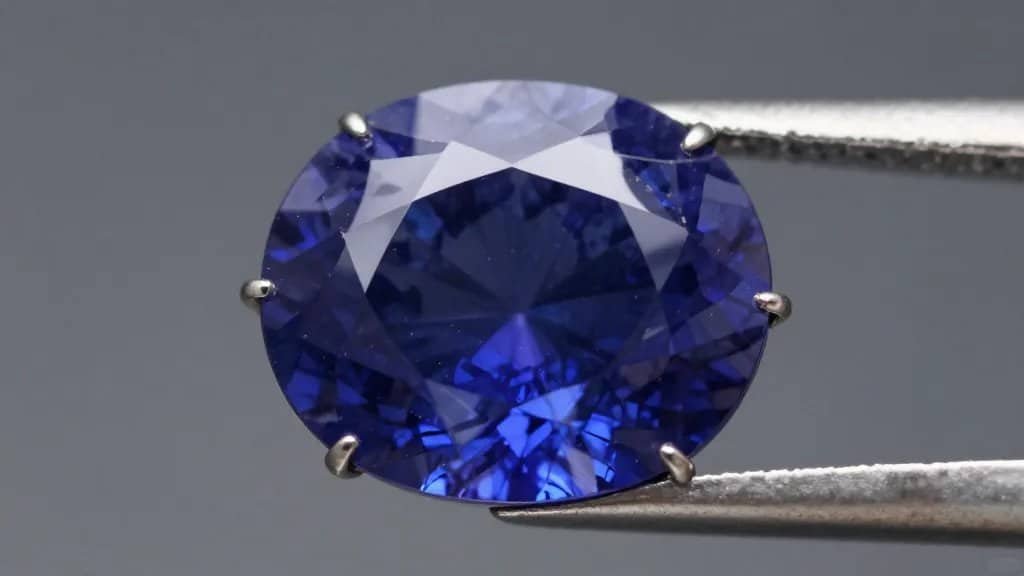
Not every historic sapphire is pristine. The Stuart Sapphire in the British Crown Jewels—around 104 carats—shows abrasions and ancient drill marks. To a jeweler’s eye, these imperfections look like battle scars; to a historian, they’re documentary evidence. Likely from what is now Sri Lanka, the gem was traded and re-mounted across centuries of dynastic change, eventually set in the Imperial State Crown below the Black Prince’s Ruby.
Old mine sapphires often bear the signatures of early fashioning: shallow crowns, uneven pavilions, and windows that let you peer through the stone. While modern cutting could “fix” these, preservation wins when a gem’s biography is the point. The Stuart Sapphire teaches a vital collector lesson: value isn’t just the four Cs; provenance can outweigh polish. If you love Gemstone History, this is a syllabus piece.
The Rockefeller Sapphire: Precision, Purity, and the Power of Cut
If the Stuart is a timeworn aristocrat, the Rockefeller Sapphire is a concert pianist in a perfectly tailored suit. This 62.02-carat Burmese stone has the type of blue dealers describe with quiet respect: rich, even saturation; a crisp, noble tone that doesn’t darken at the edges; and exceptional clarity. Originating from Myanmar’s Mogok region, it exemplifies the “royal blue” ideal with a soft, velvety character caused by fine rutile and subtle trace chemistry.
Its rectangular step cut is a masterclass. Step cuts don’t hide inclusions; they spotlight them. So when a sapphire carries this cut beautifully, it signals purity, symmetry, and confident lapidary work. Light runs across it in broad, reflective planes—less scintillating than a brilliant cut but almost hypnotic. This stone’s sale history and renown also illustrate how origin certificates and cutting style impact price, a topic covered in any serious Gemstone Value Guide.
The Star of India and the Lure of Asterism
Blue isn’t just about hue—it’s also about texture. The Star of India, weighing 563.35 carats, is famous less for color than for its striking six-rayed star that seems to glide when the stone moves. This effect, asterism, occurs when rutile needles align in three directions within the corundum crystal, scattering light as a star when cut as a smooth dome.
Why this still fascinates: most star sapphires are murky or overly gray; the Star of India manages a balanced, silvery blue with a sharp, centered star visible on both sides—a rare, almost geological parlor trick. To identify genuine star sapphires, tilt them under a pinpoint light; the star should migrate fluidly across the surface. In synthetics, the star can look too perfect or sit stubbornly in place. This is one reason practical Gemstone Identification skills matter for collectors.
Padparadscha and the Royal Engagement That Changed Everything
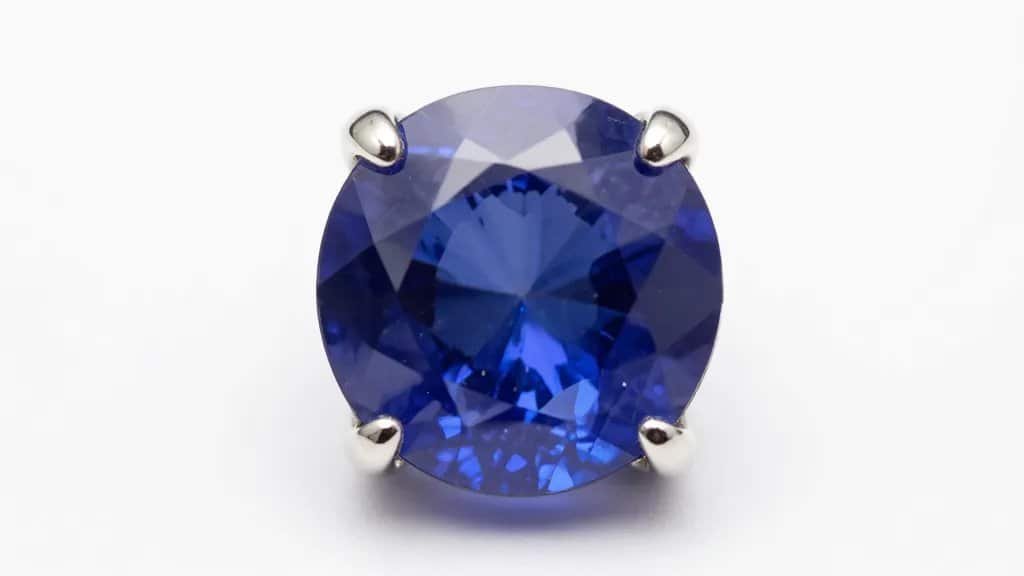
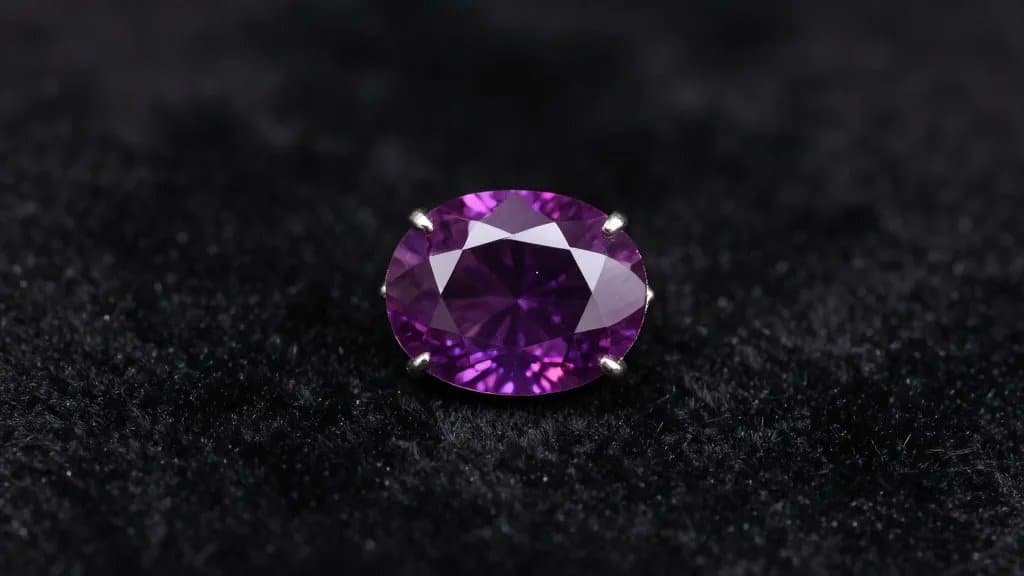
“Sapphire” doesn’t always mean blue. The padparadscha variety—named after the color of a lotus blossom—mixes delicate pink and orange into a sunset glow. Natural, unheated padparadscha of significant size is extremely rare. While not as globally famous as blue icons, certain historic pinkish-orange stones in royal and old European collections quietly shaped taste and price records.
Why they matter today: modern buyers discovered padparadscha through a wave of celebrity and royal jewelry interest in colored stones. True padparadscha shows a poised balance of pink and orange without brownish or overly vivid neon notes. Under the loupe, Sri Lankan origins again dominate, though Madagascar has produced notable material in recent decades. Because treatments like diffusion can mimic the look, insist on advanced lab reports when shopping and reference a solid Gemstone Buying Guide if you’re considering one for an heirloom ring.
The Sapphire of Kashmir: Mist, Velvet, and a Market Legend
Even people who don’t collect know the whisper: Kashmir. Discovered in the late 19th century in the remote Zanskar range, the original mine produced a short-lived trickle of sapphires with an unmistakable cornflower to royal blue that appears to glow from within. Fine Kashmir sapphires display a velvety texture caused by ultra-fine rutile silk that softens reflections without dulling them—a difficult balance. Many famous European jewels of the Belle Époque and Art Deco period carry these stones.
Notable Kashmirs appear at auction with their own gravity. Small sizes still command dizzying prices if color and origin are right. If you’re comparing “blue to blue,” set a Kashmir next to a top Burmese and a top Sri Lankan: the Kashmir reads like cool dawn; Burmese like twilight velvet; Sri Lankan like clear noon light. These mood metaphors help trained eyes, but lab reports are the final word. For anyone studying Gemstone Comparisons, Kashmir vs. Burma vs. Ceylon is a core chapter.
Napoléon and Marie-Joséphine’s Sapphire and Diamond Jewelry: Love Notes in Blue
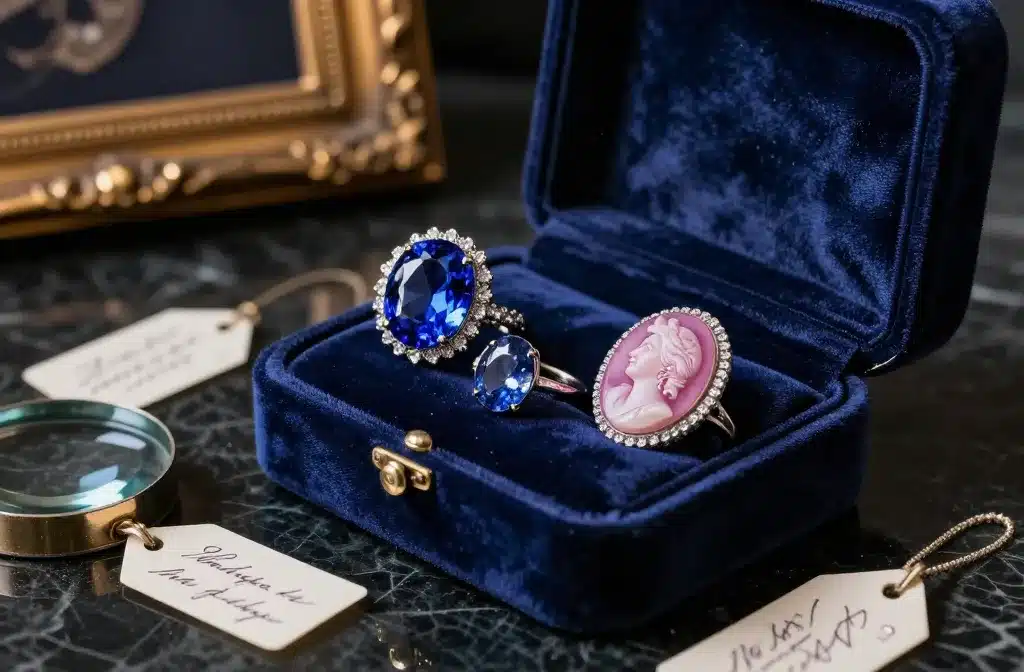
Beyond single stones, suites and parures tell stories of fashion and power. Napoléon Bonaparte’s era favored crisp, neoclassical designs using white diamonds to outline saturated colored gems. Sapphire-and-diamond rings, brooches, and tiaras from this period survive in museums and private collections, often with old mine cuts and foil-backed settings. The stones are not always perfect; their charm lies in the pairing of midnight blue with candlelit diamond sparkle.
If you’ve inherited a Georgian or Napoleonic-era sapphire jewel, be cautious with cleaning. Closed-back settings can trap moisture; ultrasonic cleaners are a risky choice. A soft brush, mild soap, and gentle drying are safer—an everyday application of solid Gemstone Care principles.
Truth, Faith, and the Protective Stone: Symbolism That Shaped Crowns and Vows
For centuries, sapphire symbolized fidelity, sincerity, and wisdom. Clergy favored blue gems for ecclesiastical rings; rulers wore them as talismans of justice. That’s why so many coronation regalia and engagement rings feature sapphires. The color’s psychology helps: blue reads as steady, cool, and trustworthy. In jewelry, this translates beautifully to rings and necklaces meant to be worn daily, thanks to the stone’s durability.
A note on star sapphires in folklore: asterism was said to guard travelers and guide the lost. Whether you believe that or not, the sight of a crisp, floating star under a pocket light can still feel a bit like magic.
How Historic Sapphires Are Different: Origin, Treatment, and the Loupe
Antique stones often show gentle abrasions, older cutting styles, and occasional natural color. Some display low-temperature heat signatures—wispy heat halos or partially “healed” fractures—different from modern high-temperature heat and diffusion treatments. Laboratories use spectroscopy, microscopy, and inclusion analysis to determine origin and treatments. Rutile silk patterns, zircon crystals, and mineral “fingerprints” can hint at Kashmir, Burma, or Sri Lanka. Still, origin calls can be nuanced even for experts.
For buyers, paperwork matters. Reputable labs can distinguish unheated from heated sapphires, and detect beryllium diffusion that pushes orange or pink tones. Historic provenance can lift value significantly—even if the color is slightly shy of perfection. If your interest leans toward investing or heirloom gifts, consult a trusted dealer and review a current Gemstone Value Guide before making big decisions.
Real vs. Synthetic: Lessons From a Century of Innovation
Synthetic sapphires have been around since the early 1900s via flame-fusion (Verneuil) and later hydrothermal methods. Antique jewelry from the early 20th century can include synthetics—especially in class rings, watch crowns, and Art Deco pieces—so age alone doesn’t guarantee natural origin. Under magnification, flame-fusion synthetics often show curved growth lines and gas bubbles; natural sapphires show straight or angular growth zoning, rutile silk, and mineral inclusions.
Color-diffused sapphires can be trickier. Surface-concentrated color along facet junctions is a warning sign, but advanced lab testing is best. If you’re building a collection of historically significant stones, keep a standing relationship with a lab.
Collecting and Wearing: Practical Advice Inspired by the Greats
– Choose color that “breathes.” Historic favorites often have an open, velvety blue rather than a dense, inky tone. View stones in diverse lighting—daylight, warm indoor bulbs, and spotlight. A top sapphire should hold its personality across environments.
– Consider cut honesty. Step cuts and antique cushions can show a stone’s soul. A window isn’t always a flaw in a museum piece; in a new ring, though, you might prefer a fuller pavilion for better light return. Exploring Gemstone Cuts and Gemstone Shapes can help match a stone to your style.
– Prioritize durability in settings. With Mohs 9 hardness and excellent toughness, sapphire suits rings and bracelet wear, but prongs need periodic checks. Bezel or half-bezel settings offer extra protection for heirlooms that see daily action.
– Demand documentation. For fine blues and padparadschas, origin and treatment reports are essential to pricing. If a seller resists paperwork on a five-figure stone, walk away.
– Care is simple but consistent. Avoid harsh chemicals and sudden temperature changes. Clean with lukewarm water, mild soap, and a soft brush. Ultrasonic cleaning is generally safe for untreated sapphires without fractures, but if the stone is antique or you’re unsure about treatment, play it safe with manual cleaning.
Myths, Facts, and the Stories We Tell Our Gems
– Myth: All the best sapphires are dark. Fact: The most coveted historic blues balance saturation with brightness; too dark and they die in low light.
– Myth: Kashmir sapphires are always superior. Fact: Many are extraordinary, but exceptional Burma and Sri Lanka stones can outshine a so-so Kashmir. The stone in front of you matters more than the label.
– Myth: A star means top quality. Fact: Sharp, centered stars are desirable, but overall body color, translucency, and symmetry count too.
– Myth: Old stones are always untreated. Fact: Early heat treatments existed. Only a lab can confirm treatment status.
– Myth: Synthetic means worthless. Fact: Collectible vintage synthetic jewelry exists, but price it as what it is—artistic and historical, not rare geology.
FAQs
What color grade did famous historic sapphires typically have?
Most celebrated blue sapphires show medium to medium-dark tone with strong saturation and a velvety, even appearance. They remain lively in varied lighting and avoid inky darkness.
Are historic sapphires usually unheated?
Some are, but not all. Early heat treatments occurred. Only a reputable lab report can confirm unheated status for valuation.
How can I tell if a sapphire is from Kashmir, Burma, or Sri Lanka?
Visual cues exist—Kashmir’s velvety glow, Burma’s rich royal blue, Sri Lanka’s bright cornflower—but origin is a lab determination based on inclusions and spectroscopy.
Do star sapphires make good everyday rings?
Yes, corundum is durable, but star cabochons have higher domes that can scuff. Choose protective settings and clean gently to keep the star crisp.
What’s the safest way to clean an antique sapphire?
Warm water, mild soap, soft brush, gentle rinse, and thorough drying. Avoid ultrasonic or steam if the stone has fractures, unknown treatments, or a closed-back setting.
Is padparadscha still a good investment?
Fine, unheated padparadscha with top color balance and strong reports remains scarce and sought-after. Buy for beauty first, with documentation, and from trusted sources.
Do sapphires scratch easily?
Not easily. At Mohs 9, sapphire resists scratching in normal wear, but diamond and some synthetic abrasives can mar it, so store pieces separately.
A Lasting Sparkle
Historic sapphires endure because they unite story and substance. They wear their miles gracefully, hold their color across centuries, and keep teaching us—about geology, craftsmanship, and taste. Whether you’re studying museum legends, evaluating a family ring, or hunting for the next heirloom, let your eye seek that living blue, trust good science, and choose pieces that feel like future history in your hands.

Christian Grey is the creator of GemMeaning, where he shares simple insights about crystals, gemstone meanings, and spiritual guidance. His focus is on making complex ideas easy to understand and practical for everyday life.