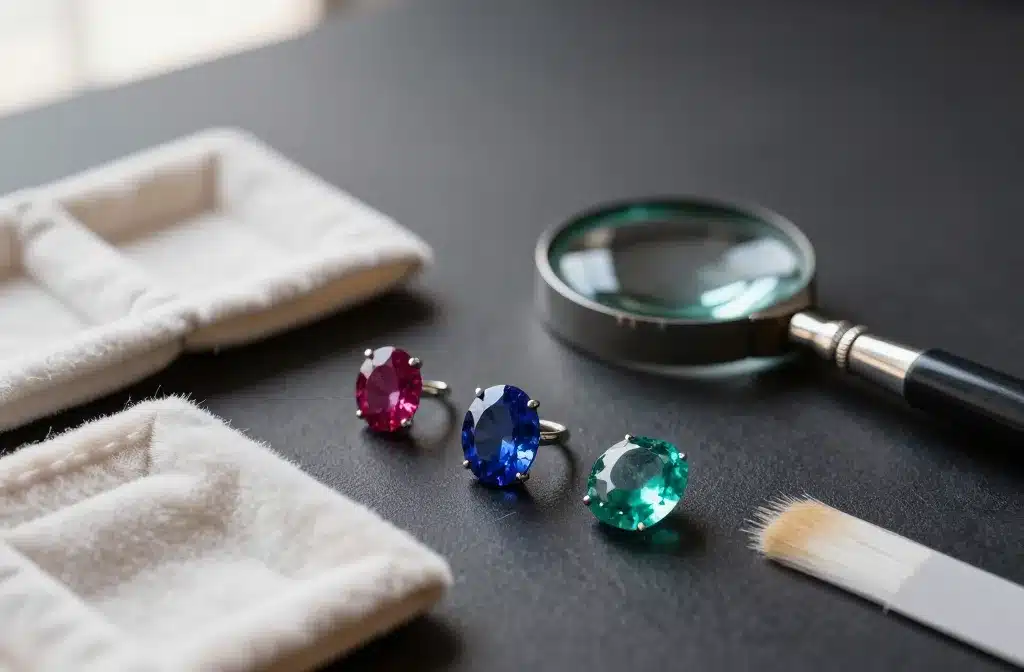
Gemstones may look tough, but even a sapphire can lose its crisp polish if it rubs against the wrong surface. Tiny scratches dull the sparkle, soften facet edges, and slowly drain a gem’s personality. The good news: most wear-and-tear damage is preventable with a few smart habits.
Here you’ll learn which gems are most at risk and why, how to store and wear jewelry safely, and what cleaning methods help rather than harm. You’ll also get practical tips on settings, travel, and professional care—plus a quick guide to identifying scratch risks by hardness.
By the end, you’ll know how to keep your favorite pieces—whether heirloom or new acquisition—gleaming with that fresh-from-the-bench shine.
Let’s keep your color, brilliance, and crisp facet edges intact for years to come.
Why Scratches Happen: Hardness, Toughness, and Real-World Abrasion
Scratches are a mechanical issue: a harder surface can mark a softer one. The Mohs Scale ranks scratch resistance from 1 (talc) to 10 (diamond). But there’s more nuance than a single number.
- Hardness is a gem’s resistance to being scratched. Diamond (10), corundum—sapphire and ruby—(9), and topaz (8) are hard. Quartz (7) is the threshold where many common household materials start to become scratch threats.
- Toughness is a gem’s resistance to breaking or chipping. Jadeite is tough despite modest hardness. Diamond is hard but can cleave if struck along certain directions.
- Real-world abrasion often comes from quartz dust (sand, concrete, granite countertops). Since quartz is Mohs 7, it can scratch anything softer—think opal, turquoise, pearls, and many beloved “semi-precious stones.”
Scratches dull the surface polish, create a cloudy sheen, and mute color saturation by scattering light. Facet junctions—those crisp lines—turn rounded, and brilliance drops. Prevention beats repair every time, as repolishing removes material and may change proportions.
Know Your Stones: Which Gems Are Scratch-Prone
Some gems shrug off daily wear; others prefer gentler treatment. Grouping by scratch resistance is a great starting point.
- Very Hard (9–10): Diamond; sapphire and ruby. Excellent daily wear, but avoid diamond-on-diamond contact and sharp knocks that can chip facet edges. Diamond’s lip-smacking sparkle is gorgeous, but never assume it’s invincible.
- Hard (7.5–8): Spinel, chrysoberyl (including alexandrite), topaz. Durable for rings and bracelets, with reasonable scratch resistance. Topaz can have perfect cleavage; avoid hard blows.
- Moderate (7): Quartz family—amethyst, citrine, smoky quartz, rose quartz; also tourmaline. Fine for many settings, but watch out for sandy beaches, tile grout, and rough stone surfaces.
- Softer (5–6.5): Peridot, garnets (vary, many around 6.5–7.5), moonstone, tanzanite, apatite. These deserve more mindful wear, especially as rings. Tanzanite can facet-abrade quickly if worn roughly.
- Delicate (under 5.5): Opal, turquoise, malachite, lapis lazuli, fluorite, pearls, amber, coral. These scratch easily and are best as pendants or earrings, not everyday rings or bracelets.
If you’re unsure where a favorite stone sits, glance through Gemstone Hardness references or a Gemstone Care guide. A quick check before you wear saves a lot of polish later.
Daily-Wear Habits That Prevent Scratches
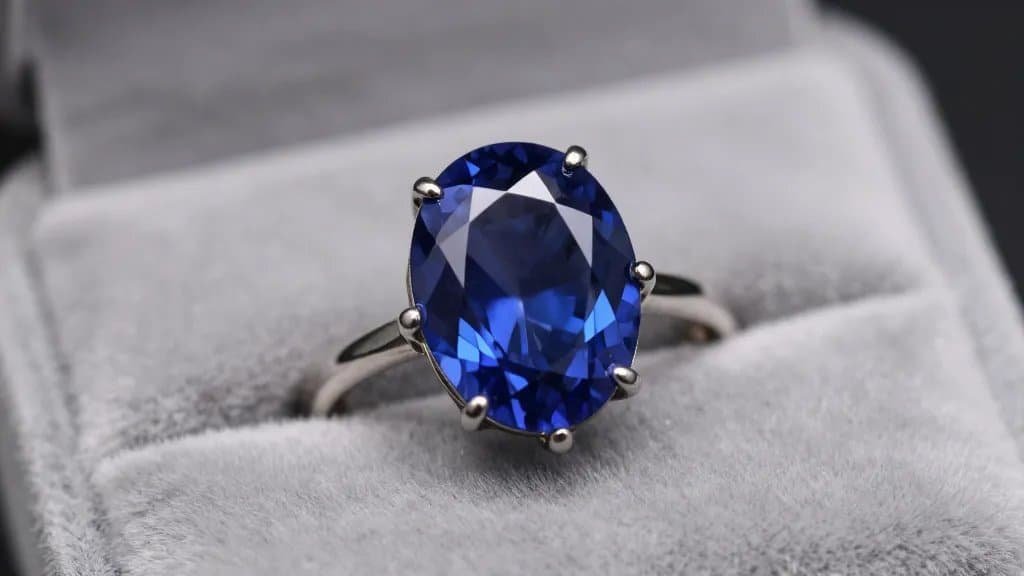
Most scratches happen in ordinary moments. A few easy habits make a big difference:
- Put jewelry on last, take it off first. Cosmetics, hairspray, and perfume can add grit or leave films that dull luster. After you’re home, take rings and bracelets off before cooking, cleaning, or gym time.
- Respect the countertop. Granite and quartz are scratch hazards. Remove rings before prepping food or wiping counters. A quick hand wash at the sink can grind particles against your gemstone if you rub vigorously.
- Avoid pockets and purses for loose stones. Coins, keys, and zippers are sneaky scratchers, especially for opal, turquoise, and pearls.
- Mind the beach and garden. Sand is quartz. Soil can contain quartz. Wear gloves, or better yet, leave jewelry at home for these activities.
- Don’t stack incompatible rings. Diamonds can abrade sapphires; sapphires can scuff softer stones. If stacking, separate with smooth metal spacer bands or keep stones of similar hardness together.
- Remove jewelry for workouts and sleep. Sweat carries salt and fine grit; gym equipment is hard metal; sheets can gradually matte softer polishes as you toss and turn.
Smart Storage: How to Avoid Micro-Abrasion at Home and on the Road
Even when you’re not wearing them, gemstones can scratch each other if they mingle. Good storage preserves the polish you paid for.
- One compartment per piece. Use a soft-lined jewelry box with individual slots or pouches. Diamonds demand their own space; they happily scuff neighbors.
- Wrap delicate gems. Opals, pearls, and other soft stones like malachite and lapis do best in dedicated fabric pouches or separate compartments. Cotton, felt, or microfiber works well—avoid rough weaves.
- Travel cases with soft dividers. A zippered travel roll with padded sections prevents friction during bumps. Keep each ring in its own ring slot. Loose gems belong in gem papers or plastic gem jars with foam inserts.
- Keep silica gel packs nearby. For moisture-sensitive stones like opal, moderate humidity is better than dry storage. If you live in an arid climate, a lightly humid environment helps keep some opals from crazing, but avoid extremes.
Cleaning Without Scratching: Methods That Protect the Polish
Cleaning can restore sparkle, but the wrong technique can turn a film into fine scratches. Match your method to the gem.
- Gentle soapy water is the baseline. Use lukewarm water with a drop of mild dish soap. Soft brush (a baby toothbrush or clean makeup brush) and light strokes. Rinse well and pat dry with a lint-free cloth. This works for most sturdy gems like diamond, sapphire, ruby, spinel, chrysoberyl, and many quartz varieties.
- Avoid abrasive products. Baking soda, toothpaste, scouring powders, and rough cloths can abrade softer polishes. Micro-scratches accumulate quickly on gems under Mohs 7.
- Beware of ultrasonic and steam cleaners. These are great for hard, untreated stones in durable settings, but risky for:
– Treated stones (fracture-filled diamonds, oiled emeralds).
– Gems with cleavage or inclusions (tanzanite, topaz).
– Porous or soft stones (opal, turquoise, pearl, coral, amber, malachite, lapis).
If in doubt, hand clean or consult a professional. - Rinse sinks before cleaning. Grit near the drain can act like sandpaper. Use a bowl over a towel instead of an open sink.
- Dry with the right cloth. Microfiber or soft cotton. Avoid paper towels; they can be surprisingly abrasive.
Choose Protective Settings and Sensible Jewelry Types
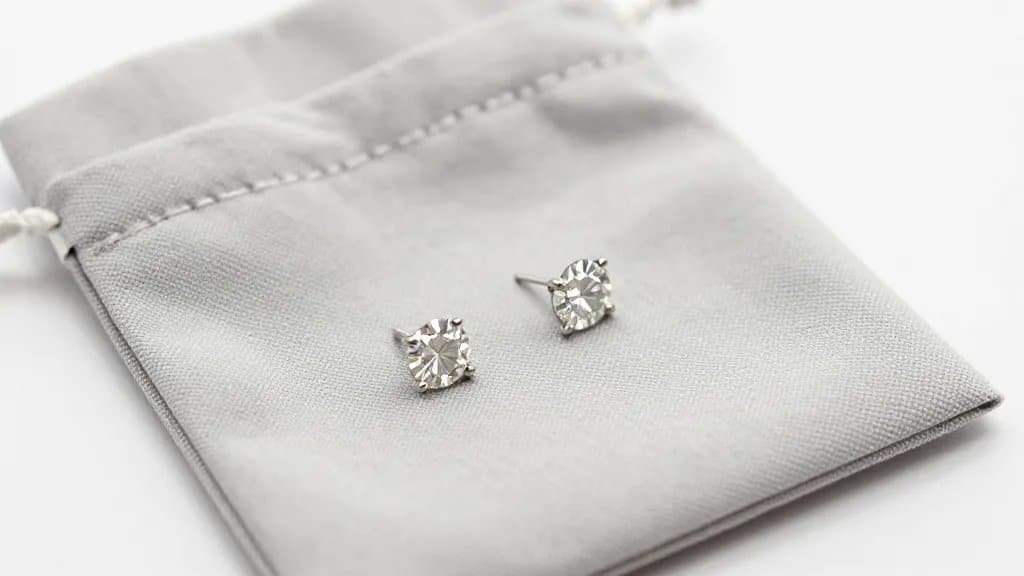
How a gemstone is set can make it more—or less—vulnerable. The right design shields edges and minimizes daily abrasion.
- Bezel settings wrap metal around the gem’s edge, protecting the girdle and facet junctions from nicks. Great for softer stones or active lifestyles.
- Protective prongs with low profiles reduce snagging. A six-prong head around a round stone gives multiple points of defense, but prongs should be stout enough not to bend easily.
- Halo designs can guard a center stone, but the small halo gems can take the brunt of knocks. Ensure high-quality pavé and secure beads.
- Flush settings sink the stone into the band—excellent for low-scratch wear but usually limited to tougher stones.
- Jewelry type matters. Rings and bracelets take the most hits. Reserve delicate stones like opal, apatite, fluorite, and pearls for earrings and pendants. If you adore a soft stone in a ring, consider occasional wear and a protective bezel.
If you enjoy reading about shapes and cutting styles that influence durability, you might like exploring Gemstone Cuts and Gemstone Shapes for more design ideas that balance beauty with protection.
Treatments, Coatings, and the Scratch Question
Many gems are treated to improve clarity or color. Some treatments also influence scratch behavior.
- Oiling (commonly emerald): fills fissures but does not improve hardness. Avoid hot water, steam, or ultrasonic. Gentle soap-and-water only.
- Fracture filling (some diamonds, rubies): can be damaged by heat or ultrasonic. Surfaces may be softer where fillers reach the surface.
- Coatings (mystic topaz, some quartz and diamonds): add color but are vulnerable to abrasion. A single brush with grit can create visible scuffs. Clean with mild soap, soft cloth—no ultrasonic, no harsh chemicals.
- Resin impregnation (turquoise, porous stones): improves durability a bit, but they remain scratch-prone. Treat them like the soft stones they are.
Always ask for a disclosure when you buy—knowing about treatments helps you choose the safest cleaning and storage routines and avoids accidental damage.
Buying Tips: Match the Stone to Your Lifestyle
Prevention starts at the counter. If you use your hands a lot—cooking, typing, crafting—choose accordingly.
- Everyday rings: Diamond, sapphire, ruby, spinel, and chrysoberyl are the most forgiving. Consider a low-profile bezel for maximum protection.
- Occasional rings or dress pieces: Tanzanite, opal, turquoise, malachite, moonstone, and pearls look spectacular in controlled settings. Wear for special events; store separately afterward.
- Office-friendly choices: Topaz and tourmaline do well with mindful wear. Watch out for stacking with harder stones.
- For collectors: Keep soft or rare species as Collector Gemstones. Enjoy them in pendants or display boxes where they’re less likely to meet abrasion.
If you’re deciding between similar stones, a Gemstone Comparisons or Gemstone Buying Guide resource can help weigh beauty, durability, and price.
Travel and Workbench Wisdom: Keep the Shine on the Go
Trips and quick repairs are prime times for accidental scratches. A few pro habits keep you out of trouble.
- Travel kits: Use a compact case with separate zippered pouches or ring rolls. Add a microfiber cloth and tiny sealable bags for emergency separation.
- Hotel safes and trays: Line the tray with a soft cloth. Don’t drop loose rings onto hard surfaces.
- Fast fixes: If a prong feels loose, stop wearing the piece until a jeweler tightens it. A wobbly stone rattles and self-abrades at the girdle.
- Avoid DIY polishing pastes. Many are abrasive and flatten the polish, especially on opal, turquoise, and lapidary carvings. Polishing is best left to a professional with proper laps and compounds.
When Scratches Happen: Repair, Repolish, or Live With It?
Light haze on a hard stone may polish out during a professional cleaning and buff, while deeper scratches require repolishing. Repolishing removes a thin layer of material, potentially altering weight or facet edges slightly.
- Faceted gems: A lapidary can re-cut or re-polish facet junctions to restore crispness. For accompanied stones, ask how it affects carat weight and dimensions—especially if the gem sits in a tight bezel.
- Cabs and beads: Cabochons are often easier to re-polish; beads may be replaced if only one or two are affected.
- Soft organics (pearls, coral, amber): Surface reconditioning is limited; it’s better to prevent damage. Pearls can sometimes be lightly re-lustered but often replacement is more practical.
If a piece holds sentimental value, consider a protective reset—bezel or flush—after repairs. This not only restores the look but also reduces future risk.
Hardness Snapshot: Quick Guide to Everyday Risks
Use this mental checklist when choosing what to wear for the day:
- Under 5.5 (opal, turquoise, malachite, lapis, pearl, amber, fluorite): Earrings or pendants preferred. No rough surfaces. Store solo.
- 5.5–7 (peridot, apatite, tanzanite, many garnets, moonstone): Careful ring wear; avoid stacking with harder stones. Gentle cleaning only.
- 7–8 (quartz family, tourmaline, topaz, spinel): Good for regular wear; still avoid gritty chores, beaches, and granite counters.
- 9–10 (sapphire, ruby, diamond): Strong daily choices, but keep away from diamond-on-diamond contact and hard knocks.
For a deeper look at rankings and what they mean in practice, explore Gemstone Hardness and Gemstone Care references. They pair nicely with Gemstone Jewelry guidance when planning new purchases.
Common Myths: Separating Fact from Feel-Good Advice
- “Hard means unbreakable.” Not true. Diamond is hard but can chip. Tanzanite has fair hardness but is brittle; treat with care.
- “Ultrasonic cleaners are safe for all gems.” No. They can shatter opal, damage oiled emeralds, and disturb fracture-filled stones.
- “Toothpaste is a great jewelry cleaner.” It’s abrasive. Your polish will pay the price.
- “Any pouch is fine.” Rough fabric or shared pouches cause rub-wear and micro-scratches. Use soft, individual compartments.
- “Stacking is harmless.” Diamonds and sapphires can abrade softer neighbors. Use separators or wear them solo.
FAQs
How can I tell if my gemstone has surface scratches?
Under bright light, tilt the stone and look for a hazy sheen or tiny lines that stay put as you rotate. Facet edges may look rounded instead of crisp. A jeweler’s loupe (10x) can confirm fine abrasions.
Will a professional cleaning remove scratches?
Cleaning removes films and grime but not true scratches. Light surface haze may improve with a gentle buff, but distinct scratches require repolishing by a lapidary.
Are pearls especially easy to scratch?
Yes. Pearls have a soft nacre that scuffs with friction. Store them separately, avoid cosmetics and hairspray, and wipe with a damp soft cloth after wearing.
Is a bezel setting always safer than prongs?
For scratch prevention, bezels generally protect edges better. However, a well-built low-profile prong setting can also be secure. Choose based on the gem’s hardness and your lifestyle.
Can I wear opals or turquoise in rings every day?
You can, but it’s risky. Use protective settings, avoid chores and abrasive surfaces, and expect more frequent maintenance. Many collectors prefer them as pendants or earrings.
What should I do if I see a new scratch on my ring?
Stop wearing it, store it safely, and have a jeweler assess the damage. Minor scuffs may polish out; deeper scratches might require repolishing or a protective reset.
Do gemstone coatings protect against scratches?
Not reliably. Coatings can add color or luster but are often softer than the underlying gem and scratch more easily. Treat coated stones gently and avoid harsh cleaning.
Final Thoughts
Scratches are avoidable when you match wear habits, storage, and cleaning to the gem’s true nature. Learn your stone’s hardness and quirks, choose protective settings, and keep pieces separated and clean. A few mindful routines preserve that razor-sharp sparkle and rich color that made you fall in love with the gem in the first place.

Christian Grey is the creator of GemMeaning, where he shares simple insights about crystals, gemstone meanings, and spiritual guidance. His focus is on making complex ideas easy to understand and practical for everyday life.