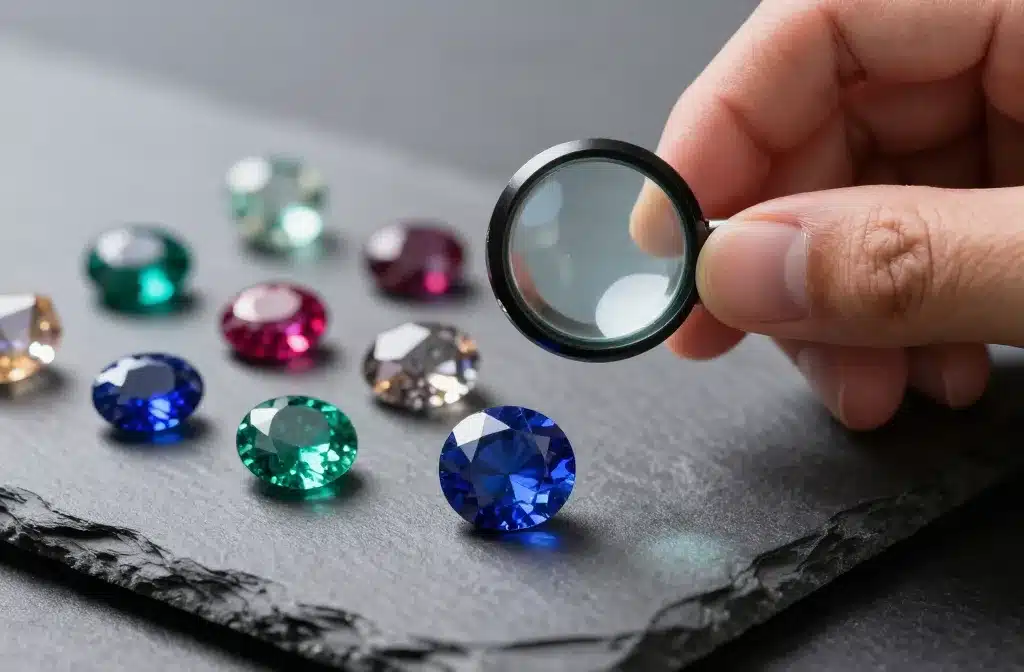
Some stones stop you in your tracks even before you know what they are. They flash clean color, feel crisp under light, and carry a certain presence. That “wow” factor isn’t accidental—it’s the sum of geology, craftsmanship, and good judgment.
By the end of this guide, you’ll know how to read a gemstone the way an experienced enthusiast does: assessing color with purpose, judging cut beyond simple symmetry, spotting good clarity without chasing perfection, and separating natural character from distracting flaws. You’ll also learn where treatments fit into value, how origin can influence price, and what matters most for jewelry you’ll actually wear.
You don’t need a lab to make better decisions. A loupe, a steady light source, and a little know-how go a long way. Let’s translate the technical into practical so you can recognize high quality the moment it hits your palm.
Keep in mind: different gem species have different “ideals.” A top-quality emerald won’t look like a top-quality sapphire, and that’s the point. Quality lives inside the character of each stone.
Start With Color: Saturation, Hue, and Tone
Color is the heartbeat of most colored gemstones, and a high-quality stone shows rich, even color that feels alive rather than flat. Look for three things working together:
- Hue: the basic color family (blue, red, green). Most fine gems lean slightly toward neighboring hues that enhance beauty—sapphires with a whisper of violet, rubies with a touch of pink.
- Saturation: the intensity of the color. High saturation reads as vivid, not dull or grayish. Imagine a glass of watercolor paint—more pigment equals stronger saturation.
- Tone: how light or dark the color appears. Think of tone as a dimmer switch. Too light can look washed-out; too dark can swallow brilliance. The “sweet spot” varies by species. The coveted “royal blue” sapphire, for example, carries medium to medium-dark tone with high saturation.
Examine the stone in consistent, neutral lighting—daylight or a daylight-equivalent lamp. Tilt it slowly. In a high-quality gem, color holds steady as the stone moves. If it “blinks” dark and light dramatically (known as extinction), that’s usually a cut issue that lowers appeal. Fine gems also show good color uniformity, especially across the center, where your eye lands first.
Clarity: Natural Fingerprints vs. Distractions
All natural gems form under pressure and heat, so minor inclusions are normal and can even be proof of authenticity. The trick is knowing when inclusions add character and when they compromise beauty or durability.
- Eye-clean vs. loupe-clean: For many stones (sapphire, ruby, spinel), “eye-clean” at normal viewing distance is the practical standard. Under 10x magnification, expect to see something, but it shouldn’t look like a storm cloud.
- Type and location: Tiny crystals or wispy “silk” off to the side are usually acceptable. Inclusions breaking the surface, feathered cracks near corners, or clouds in the center that haze the stone are red flags.
- Species expectations: Emeralds are famously included; top-quality ones still show internal features but should glow with bright color and minimal eye-visible breaks. Aquamarine and topaz, on the other hand, are commonly very clean; obvious inclusions there can dent quality quickly.
Use a loupe and backlight. If the interior looks crisp and bright, with no milky veil hanging in the middle, you’re likely on the right track. Remember, inclusions that threaten structural integrity—especially in ring stones—matter more than tiny internal specks tucked out of sight.
Cut and Shape: How Light Plays Inside the Stone
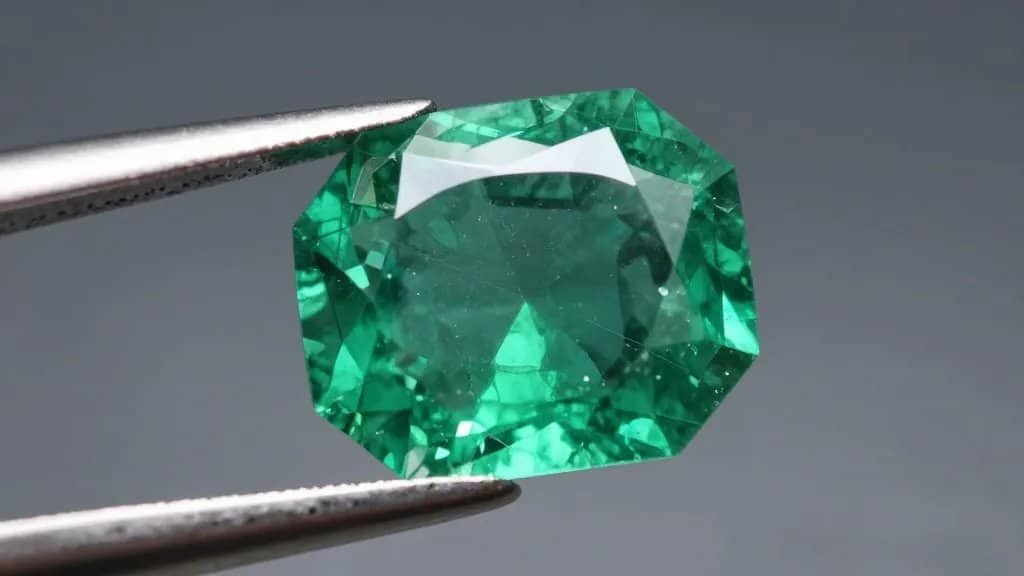
A high-quality gemstone cut doesn’t just look symmetrical—it orchestrates light. Good cutting maximizes brilliance, evens out color, and avoids “dead” areas.
- Proportions: Look at the crown (top), pavilion (bottom), and girdle (edge). Too shallow or too deep and the stone can window (look like a clear pane in the center) or blackout. Strong stones return light evenly as you tilt them.
- Symmetry and polish: Facets should meet cleanly at points. Edges crisp, not rounded. A fine polish gives surfaces a slick, mirrorlike finish with no visible scratches or drag lines.
- Shape choice: Some shapes suit certain gems better. For example, slightly deeper cuts often benefit tsavorite garnet and spessartite to maintain richness, while aquamarine can handle elongated emerald cuts that showcase its clarity.
Don’t let carat weight distract you from face-up spread. A 2-carat stone that faces up like a 1.5 because it’s overly deep doesn’t feel like high quality in the hand. If you’re exploring more on shapes and styles, see the related topic on Gemstone Cuts or Gemstone Shapes for pointers specific to different species.
Transparency and Brilliance: The “Breath” of the Stone
In transparent gems, you want a sense of depth and light returning to your eye. Fine brilliance looks lively, not harsh or glassy. Tilt the stone under a single light: if it brightens and dims gracefully without a dead center, you’re seeing good light performance.
Semi-transparent and translucent materials (jadeite, some opal, chalcedony) show quality differently. Here, an even, glowing body with smooth texture and minimal blotchiness is the prize. For instance, top jadeite has high translucency, uniform color, and a rich, almost “wet” luster at the surface.
Speaking of luster, surface sheen matters across the board. Sapphire and ruby should feel vitreous (glasslike). Peridot leans a touch oily. Fine spinel has a bright, crisp luster that makes facets snap. Turquoise looks waxy and even. If a stone’s surface looks dull even when clean, that usually indicates subpar polish or heavy wear.
Treatments: What’s Acceptable, What’s Not, and What It Means for Value
Many gemstones receive standard treatments to improve appearance. Treatment itself isn’t a villain—undisclosed or deceptive treatment is. Knowing the common practices helps you judge quality and price fairly.
- Heat treatment: Routine for sapphire and ruby; stabilizes or enhances color. High-quality heated gems can be excellent and valuable. Unheated stones with top color carry premiums, especially with lab reports.
- Oil/resin in emerald: Light oiling to reduce the look of fissures has long been accepted. Heavy treatments or polymer-filled surface-reaching fractures lower value and stability.
- Irradiation and heating in topaz, tourmaline: Common and typically stable. Neon blue topaz is usually irradiated and then heated; value remains modest but quality can be very fine and attractive.
- Lead-glass-filled ruby: Not the same as heated ruby. These stones can look bright at first glance but are fragile and far less valuable. Chips can reveal glassy pits.
- Diffusion/surface treatments: Color concentrated near the surface rather than throughout the crystal. Risk of visible wear exposing paler interiors. Typically lower value.
A high-quality gemstone is honestly represented. Ask for disclosure in writing or a reliable lab report for any significant purchase. If treatment details are vague or evasive, walk away.
Origin and Formation: Why Geography Can Influence Quality
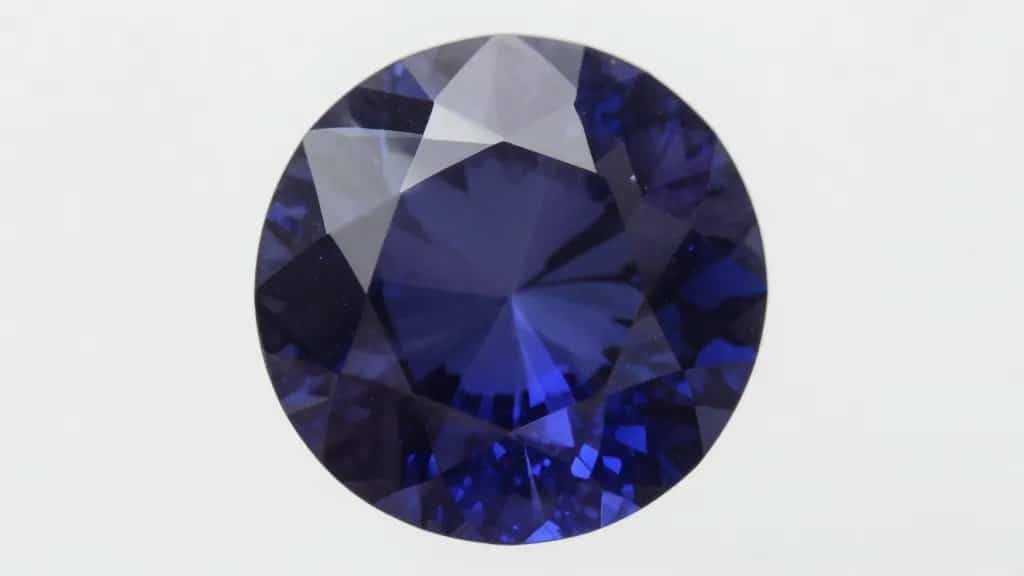
Gemstones grow under very specific geological conditions. Sometimes, a region produces a quintessential color or clarity that the market prizes. That doesn’t mean stones from elsewhere are inferior, but origin can help explain price differences among equally pretty gems.
- Ruby: Burma (Myanmar) historically produces vibrant reds with a soft fluorescence that lights the stone from within. Mozambique also yields superb rubies, many rivaling classic Burmese material.
- Sapphire: Kashmir is legendary for its velvety cornflower blue, now exceedingly rare. Ceylon (Sri Lanka) often brings bright, lively medium tones; Madagascar and Australia produce a range from pale to very saturated blues.
- Emerald: Colombia’s Muzo and Chivor zones are renowned for saturated green with excellent “glow.” Zambia yields deep, slightly bluish-green emeralds that can be wonderfully clean.
- Spinel: Mahenge (Tanzania) gave the world electric pinks; Burma yields exceptionally clean reds and hot pinks. Fine origin often correlates with high quality but evaluate the individual stone first.
Some collectors specifically pursue stones by origin. If you’re building a collection—see Collector Gemstones or Gemstone History for context—certified origin reports can be part of the appeal. For jewelry you’ll wear daily, beauty and durability should lead your decision.
Hardness, Toughness, and Wearability
A high-quality gemstone isn’t just pretty; it holds up to life. The Mohs scale rates scratch resistance, but toughness (resistance to breaking) is equally important.
- High-wear champs: Corundum (ruby, sapphire) at Mohs 9 is ideal for rings and bracelets. Spinel, at 8, is also robust. These take a high polish and keep it.
- Handle with care: Emerald (7.5–8) can be brittle due to fissures. Tanzanite (6–7) chips more easily. Opal (5.5–6.5) and pearls are soft and more suited to earrings and pendants.
- Porosity and stability: Turquoise can be porous; high-quality stones are often stabilized for durability. Unstabilized fine turquoise exists but requires careful wear.
High quality for daily-wear jewelry means the gem’s beauty is matched by practical durability. If you need help judging by species, explore Gemstone Hardness and Gemstone Jewelry guides for pairing stones with the right settings.
Visual Tests You Can Do at Home
You don’t need a lab to make a confident first pass. Use these quick checks:
- Clean first: Wash with mild soap and lukewarm water, pat dry. Oils can dull brilliance and hide or exaggerate flaws.
- Consistent light: Evaluate under neutral daylight or a daylight LED. Avoid colored bulbs. Rotate the stone slowly to watch for windowing or dead zones.
- Loupe look: At 10x, check for tidy facet junctions, crisp polish, and inclusions. Natural inclusions look organic—wisps, fingerprints, tiny mineral crystals—while bubbles in groups can suggest glass or composite materials.
- Measure face-up: Compare millimeter spread with the stated carat. If it seems small for the weight, it may be cut too deep.
- Fog test (limited use): Briefly breathe on the stone. Diamonds clear almost instantly; glass stays foggy a bit longer. This is crude and not definitive but can flag obvious fakes.
If the stone passes your basic inspection and the price reflects its attributes and any treatments, you’re closer to high quality. For nuanced identification, see Gemstone Identification or Gemstone Comparisons to understand close lookalikes.
Certification, Appraisals, and Trustworthy Buying

For significant purchases, independent verification is your friend. Reputable sellers welcome scrutiny and offer paperwork up front.
- Lab reports: Institutions like GIA, AGL, GRS, SSEF, and GGG often report species, natural vs. synthetic, treatments, and sometimes origin. For high-value stones, this documentation is part of the stone’s identity.
- Appraisals: Useful for insurance and replacement value, not a guarantee of what you’ll resell for. An appraiser with gemological credentials and no conflict of interest is ideal.
- Return policy: A clear, written return window lets you verify your stone in person or with a trusted professional.
- Dealer reputation: Long-standing dealers with transparent disclosure and consistent stock are usually a safer bet. Ask questions; a quality seller enjoys answering them.
If your stone is represented as untreated, unheated, or from a premium origin, insist on a lab report that states it. High-quality gems deserve high-quality documentation.
Price and Value: How Quality Factors Add Up
Price reflects a balance of rarity, beauty, and demand. Two gems of the same carat weight can differ dramatically in value because of color, clarity, and cut quality—plus treatment and origin.
- Color dominates value: Especially in ruby, sapphire, emerald, and spinel. Vivid, even color drives prices up sharply.
- Clarity and cut support color: Better clarity elevates color; a superior cut showcases both. A stone with incredible color but dead performance may be priced lower than a lively, slightly lighter counterpart.
- Size curve: Prices jump exponentially with size, but only if quality keeps pace. A big stone with average color often costs less than a smaller, top-color gem of the same type.
- Untreated premiums: All else equal, unheated sapphires and rubies or minimally oiled emeralds command higher prices.
If you want deeper pricing context, check a Gemstone Value Guide to see how each factor influences a particular species. Then compare stones side by side; your eye will quickly learn what the numbers mean.
Common Mistakes to Avoid
- Chasing carat weight first: Size without fine color and cut often disappoints.
- Ignoring cut in colored stones: People obsess over diamond cuts but forget colored gems need precise cutting too.
- Overvaluing perfect clarity in inclusions-prone species: A perfectly clean emerald at a bargain price should raise eyebrows—it may be synthetic or heavily treated.
- Confusing bright lighting with real brilliance: Jewelry store lights can make anything sparkle. Always view in neutral light.
- Skipping disclosure: If treatment status is unknown, assume standard treatments at a minimum and price accordingly.
Care, Cleaning, and Long-Term Beauty
High quality should last, but even the toughest stones appreciate good habits.
- Regular cleaning: Mild soap, soft brush, warm water. Rinse well. Ultrasonics are safe for many stones like sapphire and diamond but avoid for emerald, opal, tanzanite, and fracture-filled materials.
- Storage: Keep gems separated. Hard stones can scratch softer ones. Use soft pouches or individual compartments.
- Setting choice: Protective settings (bezels, halo guards) help for stones with lower toughness. Rings face more knocks than pendants or earrings.
- Periodic checks: Prongs loosen; catch issues early. Especially true for daily-wear rings.
A little care enhances the polish and keeps that crisp, lively look you fell in love with. For specifics, see Gemstone Care and Gemstone Jewelry for maintenance tips by stone type.
Real vs. Synthetic: Quick Orientation Without a Lab
Synthetics are real gemstones grown by humans with the same chemistry and structure as naturals. They’re not “fakes,” but they’re valued differently. Simulants, like glass or cubic zirconia, merely imitate the look.
- Synthetic clues: For corundum and spinel, neat, curved growth lines or gas bubbles under magnification can indicate flame-fusion synthetics. Hydrothermal synthetics may show chevron growth patterns.
- Simulants: Glass often shows rounded facet junctions and gas bubbles. Doublets/triplets may reveal glue lines at the side view.
- Weight and feel: Natural gems and high-quality synthetics can feel denser than glass. Not definitive, but useful when combined with other checks.
High-quality natural stones carry natural growth features; high-quality synthetics are very clean and consistent. For certainty, professional testing helps—start with Gemstone Identification resources if you want to learn the tools and techniques.
FAQ
Does a gemstone’s country of origin always make it higher quality?
No. Origin can suggest typical color or clarity traits, but quality is individual. A non-famous origin stone can outshine a marquee origin if its color, cut, and clarity are superior.
Are untreated gemstones always better than treated ones?
Not always. Lightly treated stones can be stunning and durable. Untreated with top color usually costs more, but a well-treated gem often offers exceptional beauty and value.
What’s the easiest way to spot a window in a gemstone?
Place the stone over printed text and look through the table. If you can clearly read letters through the center, the pavilion is likely too shallow—light is leaking instead of returning to your eye.
How important is fluorescence in rubies and sapphires?
In ruby, red fluorescence can amplify glow under daylight. In blue sapphire, strong fluorescence can sometimes shift appearance. It’s one factor; judge it alongside color and cut.
Which gemstones are safest for daily-wear rings?
Diamond, sapphire, ruby, and spinel are top choices for durability. Well-cut garnet varieties and chrysoberyl are also good. Emerald and tanzanite need more protective settings and mindful wear.
What certifications should I ask for?
For higher-value stones: GIA, AGL, GRS, SSEF, or similar. Request reports that address treatments and, if relevant, origin. Keep the report with the stone.
How much should minor inclusions affect price?
It depends on visibility and location. Eye-clean stones command premiums. Small inclusions tucked away from the center have a limited impact, especially if color and cut are excellent.
Wrap-Up: Training Your Eye for High Quality
High quality reveals itself through harmony—color that sings, cut that returns light, clarity that doesn’t distract, and honest disclosure about treatments and origin. Give yourself time to compare stones side by side, ask questions, and trust what your eyes prefer. The more you look, the more quickly the special ones will stand out.

Christian Grey is the creator of GemMeaning, where he shares simple insights about crystals, gemstone meanings, and spiritual guidance. His focus is on making complex ideas easy to understand and practical for everyday life.