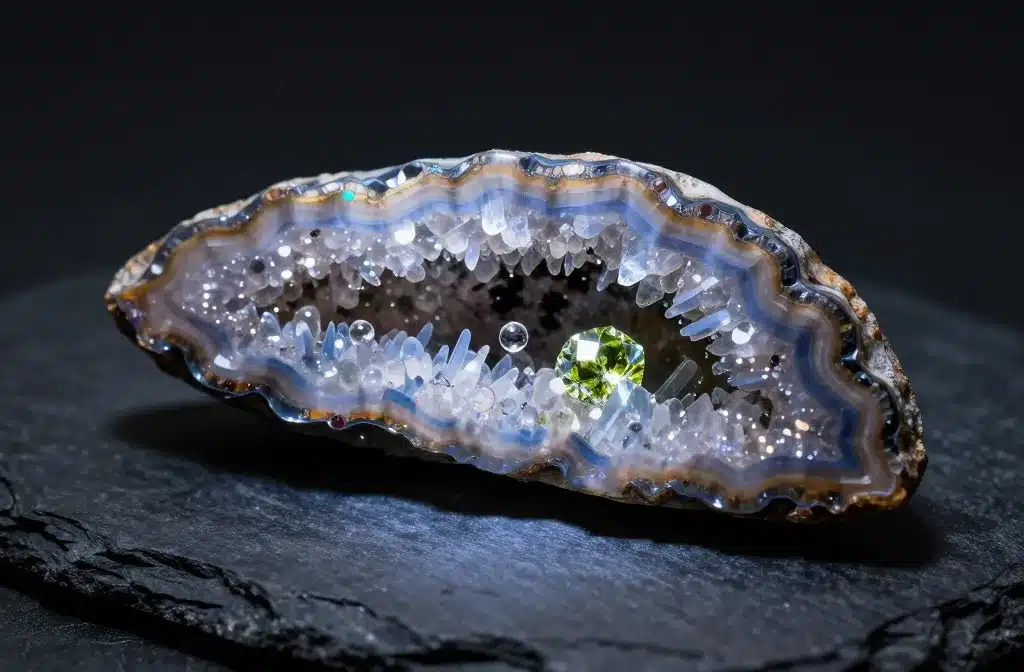
Rocks don’t shout for attention, but they hold stories that can change how you see the world—stories about Earth’s heartbeats, ancient oceans, falling stars, and time itself. Crack one open (figuratively, please), and you’ll find colors born in volcanic fire, clues to vanished mountains, and atoms arranged with such precision they split light like prisms.
If you’ve ever wondered why some stones glow under UV light, how diamonds survived billions of years underground, or why a tiny bubble in amber matters, you’re in the right place. We’ll tour the curious details hidden in familiar minerals and fine gemstones, with practical tips for collectors and jewelry lovers along the way.
By the end, you’ll recognize secret patterns, spot genuine spark from a fake flash, and see why a rough pebble can be more profound than a polished jewel. Prepare to look at your collection—and the ground beneath your feet—with fresh eyes.
Let’s open some geological envelopes together.
Rocks as Time Capsules: Inclusions That Tell the Truth
Inside many gemstones are tiny imperfections that gemologists call inclusions. They aren’t blemishes; they’re diaries. A diamond might trap a microscopic crystal of olivine or peridotite, whispering that it formed deep in Earth’s mantle. A ruby could hold rutile needles—silky threads that once hushed its growth, now scattering light into a velvety glow.
Liquid inclusions in quartz or topaz sometimes contain brine or trapped gas bubbles. Under magnification, you can watch a little bubble skate inside its fluid pocket when the gem warms in your hand. That droplet is ancient water, sealed away long before humans carved the first beads. In emerald, three-phase inclusions (a solid crystal, a liquid, and a gas bubble together) often point to Colombian origins and classic hydrothermal formation.
Why it matters: for identification and value. A natural sapphire with unaltered rutile silk can yield a softer sheen and confirm minimal heat treatment, often raising collector interest. In emerald, genuine jardin (the mossy internal landscape) helps separate natural stones from flawless-looking synthetics. A trained eye uses inclusions to map a gem’s birthplace and history—one of the most satisfying parts of Gemstone Identification.
Color That Isn’t Really There: Trace Elements and Crystal Magic
Many stones borrow their colors from impurities—tiny intruders that tint perfection. Pure corundum is colorless; add chromium and you get ruby’s carmine red. Slip in iron and titanium, and corundum becomes sapphire in a deep twilight blue. Beryl turns emerald with chromium or vanadium; with iron instead, it becomes aquamarine, a cool sea-washed blue.
Crystal structure sets the stage, letting certain wavelengths of light leap while others are held back. Spinel, with magnesium and aluminum in a tight lattice, sings in cherry reds and hot pinks when chromium steps in; change the chemistry slightly and you’ll see lavender or blue. That’s why Gemstone Colors aren’t just surface paint—they’re physics, chemistry, and symmetry dancing in a lattice measured in angstroms.
Collectors love stones that change color under different lighting. Alexandrite flips from green in daylight to raspberry-red under warm indoor light because its chromium-doped chrysoberyl structure absorbs light differently depending on the source. If a stone seems shy in daylight and comes alive near a candle, you might be holding a nocturnal performer worth serious attention.
Hardness, Toughness, and the Myth of “Indestructible” Gems
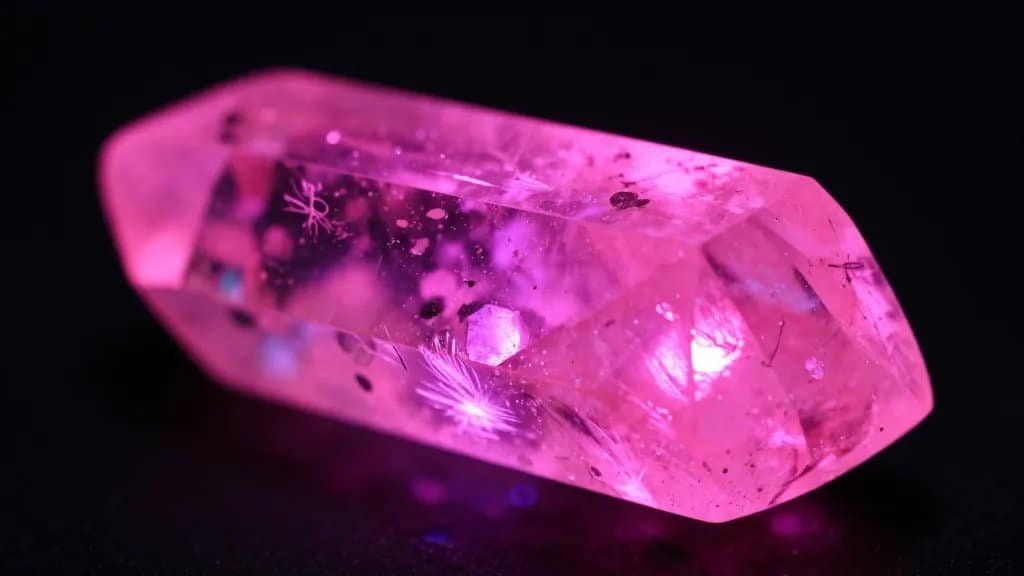
The Mohs Scale is simple: diamond is 10, corundum (ruby and sapphire) is 9, quartz is 7, and so on. But hardness isn’t the whole story. Hardness resists scratching; toughness resists breaking. Jadeite, for instance, sits around 6.5–7 on Mohs but has remarkable toughness thanks to its interlocking crystal structure—think woven fabric instead of brittle glass. That’s why jade bangles have survived generations, while a single drop can chip a harder but more brittle emerald.
Emerald, around 7.5–8 Mohs, often bears internal fractures from its turbulent growth. Oil or resin is frequently used to fill those gaps, improving clarity. Heat, ultrasonic cleaners, or sudden temperature changes can disturb those fillings, so go gentle: warm water, mild soap, soft brush. If you’re choosing Gemstone Jewelry for daily wear, sapphires excel for durability, while emeralds and opals prefer gentler treatment. For active lifestyles, a sapphire ring beats an opal ring every time.
Practical tip: if your quartz-topped vanity has scratched your watch crystal, that crystal probably wasn’t sapphire. Quartz at 7 will abrade most things below it; sapphire at 9 will shrug it off. That small scratch can be a Gemstone Hardness lesson you can see and feel.
Stars, Eyes, and Catwalk Light: Optical Effects Hidden in Plain Sight
Some of the best “mind-blowing” moments in gemology happen when light bounces just right. In cabochon-cut star sapphires and rubies, tiny rutile needles line up in a hexagonal grid. Light ricochets along those fibers and draws a six-rayed star (asterism) that glides across the surface as you move the stone. The star’s sharpness and symmetry influence value—crisp rays on a rich, translucent body color are the sweet spot.
Chatoyancy—the cat’s-eye effect—comes from parallel channels or inclusions that reflect a single bright line across the cabochon. Chrysoberyl is the classic cat’s-eye, glowing honey-gold with a razor-sharp slit of light that splits into milk-and-honey under directed illumination. Tiger’s eye quartz achieves a similar effect through replaced fibers of crocidolite turned to silica, creating silky bands that seem to flow under your gaze.
Then there’s aventurescence and adularescence. Sunstone sparkles thanks to copper platelets or hematite reflecting warm flashes—like embers caught in motion. Moonstone, a feldspar with delicate lamellae, scatters light into a ghostly blue glow from just below the surface. When a moonstone’s billowy sheen sits perfectly centered and the stone is nearly transparent, the effect feels otherworldly and commands higher prices.
Meteorites, Moldavites, and Rocks Not From Here
Not all treasures inside rocks began on Earth. Some fell from the sky or formed in the shockwave of a cosmic collision. Moldavite, a green tektite from a meteorite impact in central Europe, looks like a forest trapped in glass. Genuine moldavite has etched, wrinkled surfaces and bubbles inside; too-perfect copies in bottle-green glass often appear suspiciously smooth and uniform. Collectors should buy from reputable sources and learn a few Real vs Fake comparisons.
Iron meteorites display Widmanstätten patterns when etched—crystalline intergrowths of kamacite and taenite that no Earthly forging can replicate. It’s geometry written in nickel-iron, cooled over millions of years in the quiet of space. Pallasites are even wilder: honey-green olivine crystals suspended in a metallic matrix, like stained glass soldered by a star. Cut and polished, they become pendants that carry literal cosmic history on a chain.
These specimens aren’t traditional gemstones, but they’re irresistible to Collector Gemstones enthusiasts because they unite geology and astronomy. If the idea of wearing a slice of the early solar system appeals, meteorite jewelry pairs beautifully with understated Gemstone Necklaces or simple Gemstone Rings to keep the story center stage.
Heat, Light, and Gentle Persuasion: Treatments That Change What You See
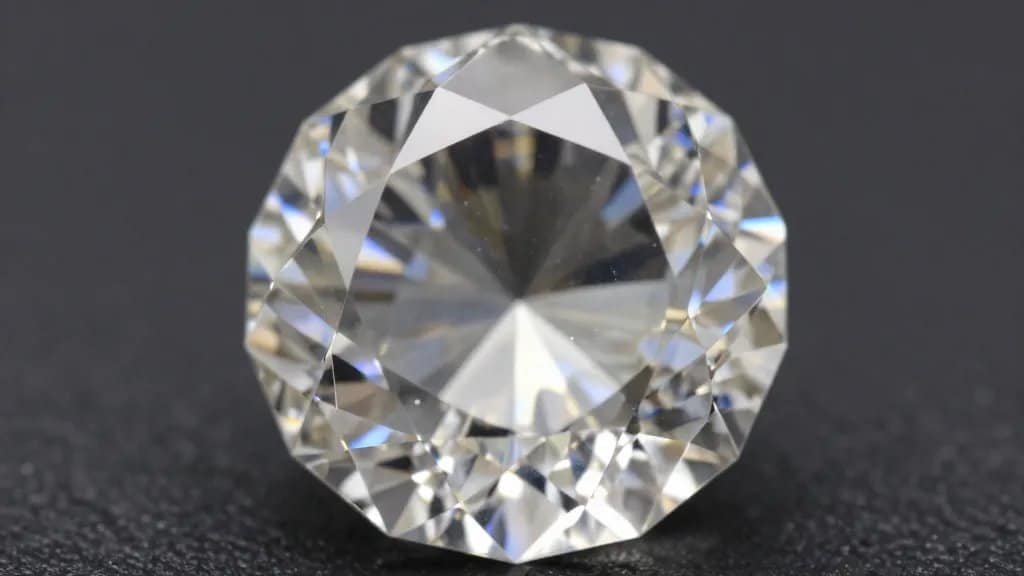
Many gems are improved with age-old techniques. Heat treatment can lighten dark sapphires, enrich pallid rubies, or dissolve rutile silk for greater clarity. This is widely accepted in the trade, provided it’s disclosed. Diffusion treatment, however, introduces color-causing elements at the surface—resulting hues can be shallow. If a sapphire’s color seems to pool near the surface or the price feels too good, ask detailed questions or consult a Gemstone Buying Guide.
Emerald’s clarity enhancement with oil, resin, or polymer is common. Gentle care preserves the look; harsh solvents do not. Blue topaz is usually irradiated and then heated to stabilize its bright sky blues and deep London blues. The process is safe for wear once complete, but worth knowing when comparing Gemstone Value Guide numbers across varieties.
Opals sometimes receive sugar-acid or smoke treatments to darken the body tone and heighten play-of-color. Natural black opal from Lightning Ridge commands a premium for good reason: its inky base and neon fire are unforced. Ask for lab reports on high-value stones and keep receipts with treatment disclosures for future appraisals.
Why Some Rocks Glow: Fluorescence, Phosphorescence, and the UV Secret
Under ultraviolet light, certain gems blaze with hidden hues. Ruby can flare hot crimson thanks to chromium; some diamonds flash blue, turning a seemingly ordinary stone into a secret showman. Spinel may glow an electric pink. Fluorite, true to its name, often shines in blues and purples.
Phosphorescence is the afterglow—light that lingers. Some diamonds hold a soft blue for a second or two after the UV light clicks off. In fancy colored diamonds, fluorescence can enhance or muddy appearance depending on the pairing of body color and glow. This is where Gemstone Comparisons in person help more than any photo; eyes beat algorithms.
For hobbyists, a pocket UV torch unlocks a new night-time hobby. Minerals that looked polite in daylight become party guests at dusk. Just remember that fluorescence alone doesn’t prove authenticity; it’s one puzzle piece among many.
Patterns in Agate, Stories in Jasper: Earth as an Artist
Agate, a banded form of chalcedony (microcrystalline quartz), forms in layers within cavities of volcanic rock. Each layer captures a pulse in chemistry or temperature, leaving ribbons that look hand-painted: creams, caramels, smoky grays, and translucent carnelian oranges. When polished, agate’s waxy luster and tight bands feel soothing to both eye and fingertip.
Jasper, opaque and often iron-stained, trades transparency for narrative—landscapes, oceanscapes, and abstract art emerge in reds, ochres, mossy greens, and storm-cloud blues. Picture jasper can resemble a sepia photograph of cliffs and shorelines. Ocean jasper (technically orbicular chalcedony) forms bull’s-eye orbs and pastel swirls that look like tide pools trapped in stone.
Value isn’t just carats; it’s composition, pattern, and polish. A well-cut cabochon that positions an agate’s eye or a jasper’s horizon dead center makes all the difference. If you love Gemstone Shapes and Gemstone Cuts, agate and jasper reward thoughtful lapidary work in a way that rivals pricier gems.
The Quiet Strength of Carbon: Diamonds and Graphite from the Same Atom
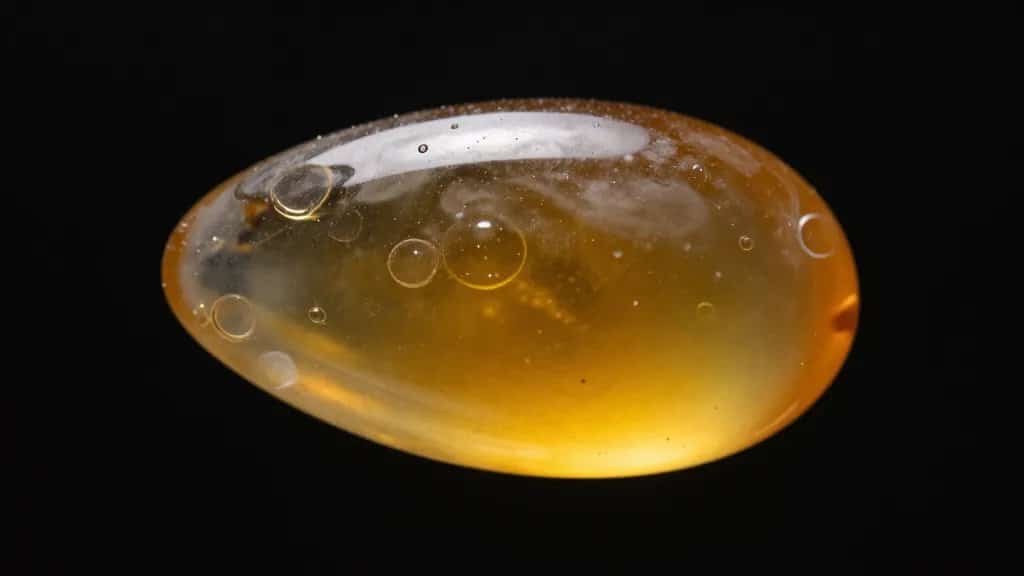
It still surprises people that diamond and graphite share the same ingredient: carbon. In diamond, carbon atoms link in a 3D tetrahedral network—an immensely strong lattice that sends light ricocheting with tenacious brilliance. In graphite, atoms lie in sheets that slide easily, giving us pencil lines and dry lubricant.
Deep formation under high pressure and temperature—followed by a racing ascent through kimberlite or lamproite volcanic pipes—freezes diamond’s structure in place. Some natural diamonds are more than a billion years old. When you look into a well-cut stone, the bright return of light, crisp contrast, and stone-on-glass sound of a gentle tap are all clues to the order inside.
For jewelry, diamond’s hardness at 10 Mohs makes it suitable for daily wear, but it isn’t immune to chipping along cleavage directions. Bezel settings or protective prongs help—especially for shapes with pointed tips like marquise or pear. If you’re considering Gemstone Rings for active use, this blend of brilliance and durability is hard to beat.
Amber, Copal, and the Suspended Moment
Amber isn’t a rock in the strict sense; it’s fossilized tree resin. But it teaches one of the loveliest lessons in geology: time can turn stickiness into gem. Warm honey to cognac browns dominate, sometimes with golden sun spangles called “sun spangles” from trapped gas. Inclusions—tiny insects, plant matter, even air—elevate amber from pretty to profound.
Watch out for copal, younger resin that can look similar but softens under a hot needle and may smell like pine. Copal scratches more easily and can craze over time. True amber is tougher and carries static if you warm and rub it gently, attracting a whisper of lint. Baltic amber, rich in succinic acid, is a longtime favorite and a meaningful candidate for Gemstone Earrings or Gemstone Necklaces that feel like heirlooms the day you bring them home.
Buying Smart: Tells, Tests, and Good Questions
Authenticity doesn’t live in price tags. Learn the cues:
- Glass vs quartz: glass often shows round gas bubbles and a slick feel; quartz has subtle growth lines and cooler thermal behavior to the touch.
- Double refraction: in stones like zircon or calcite, facet edges seen through the table may appear doubled—an ID tip you can spot with a 10x loupe.
- Weight clues: natural emerald feels lighter than a similarly sized glass imitation; high-lead glass imitations feel unexpectedly heavy.
- Surface wear: softer stones (fluorite ~4 Mohs, apatite ~5) show early abrasion on facet junctions; sapphire or spinel hold sharp edges longer.
- Treatments disclosed: reputable sellers volunteer information about heat, diffusion, filling, irradiation, and dyeing—and provide documentation.
For significant purchases, request a lab report. Certificates from established labs reduce guesswork and protect resale value. If you’re building a collection, keep a simple loupe, a UV light, and notes. Over time, your own Gemstone Facts journal becomes a more trustworthy guide than any buzzword.
Care, Cleaning, and Letting Stones Live Long
Gentle habits pay off. Warm water, mild dish soap, and a soft brush are safe for nearly everything except porous or heavily included gems. Avoid ultrasonic or steam cleaning for emerald, opal, tanzanite, and pearls. Wipe down after wear—skin oils and lotions mute sparkle, especially on diamonds and sapphires.
Store pieces separately. Diamonds can scratch almost anything nearby. Soft pouches or individual compartments prevent a 9 Mohs sapphire from scuffing a 7 Mohs amethyst. If you love Gemstone Bracelets stacked together, consider protective spacers or rotate wear days to limit contact rub.
Sunlight can fade some stones (kunzite, amethyst) and dry out opals if extreme. If you live in very arid climates, keep opals in a padded box away from heat sources; dramatic humidity swings can cause crazing in fragile specimens.
Symbolism in the Lattice: Meaning Woven with Matter
Even the most skeptical collector feels the pull of symbolism. Ruby’s chromium-fed fire has long stood for love and courage. Sapphire’s cool blue suggests truth and loyalty—a reason it’s a classic for engagement rings. Emerald’s garden hues evoke renewal, while moonstone’s glow feels like intuition held in the palm. Amber’s trapped life speaks of memory and continuity.
Birthstone Jewelry taps into these connections: garnet for January’s warmth, amethyst for February’s calm, diamond for April’s clarity, and so on. Whether or not you trade in metaphysical notes, these associations offer a poetic way to match stones with milestones or personalities when choosing Gemstone Gifts.
FAQ
Do inclusions always lower a gemstone’s value?
No. Some inclusions confirm natural origin, reveal prized locality, or create effects like stars and cat’s-eyes. Value depends on how inclusions affect beauty, durability, and rarity.
How can I quickly tell if a gemstone is glass?
Look for round gas bubbles, a soft “melted” look at facet junctions, and a warm feel. A loupe often reveals these clues. Weight can also feel heavier with high-lead glass imitations.
Is fluorescence in diamonds good or bad?
It depends. Blue fluorescence can make some near-colorless diamonds look whiter in daylight, but in a few stones it may cause a hazy look. Always judge in person.
Which gemstones are toughest for daily-wear rings?
Sapphire and ruby (corundum) are excellent. Spinel and chrysoberyl also perform well. Emerald can be fragile; opal and tanzanite need extra care.
Are heat-treated sapphires considered natural?
Yes, they are natural gems that have been improved by a traditional, disclosed process. Untreated stones with top color are rarer and usually more expensive.
What’s the safest cleaning method at home?
Warm water, mild soap, and a soft brush. Avoid ultrasonic or steam for emerald, opal, tanzanite, and pearls.
How do I start a small but meaningful collection?
Pick a theme—color, country, or effect (like cat’s-eye). Buy fewer, better pieces with documentation. Learn from a Gemstone Buying Guide and handle stones in person when possible.
Final Thoughts
The most astonishing facts aren’t printed on labels—they’re inside the stones themselves. Learn to read inclusions, respect treatments, and notice how light behaves. With that awareness, every gem on your tray becomes more than a pretty face; it’s a patient storyteller, and you hold the key to hearing it.

Christian Grey is the creator of GemMeaning, where he shares simple insights about crystals, gemstone meanings, and spiritual guidance. His focus is on making complex ideas easy to understand and practical for everyday life.