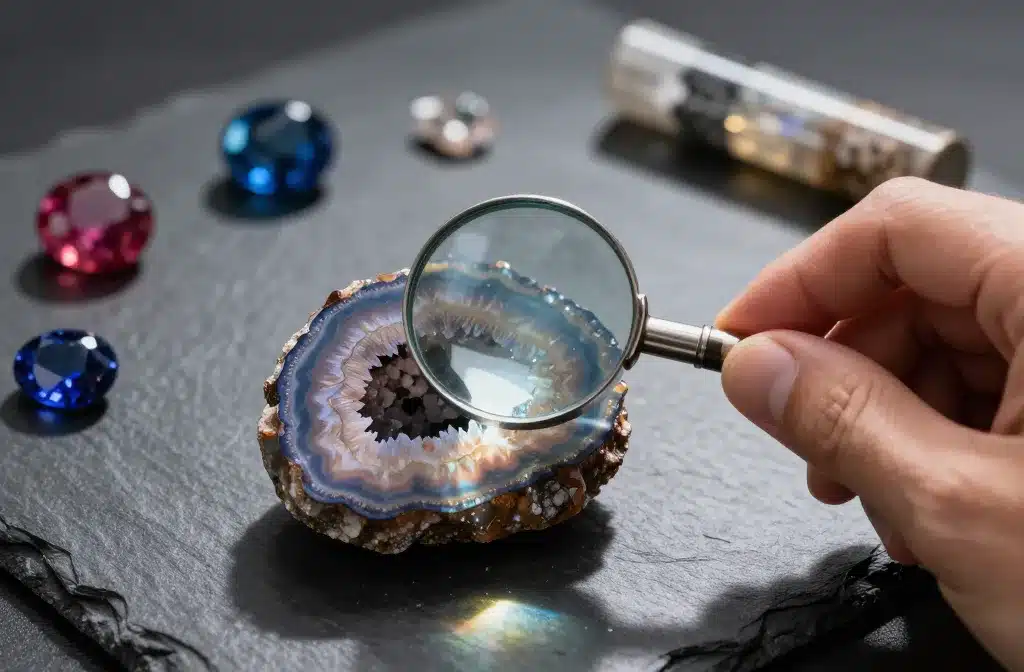
The first time you loupe a gem and see a microscopic world of crystals, feathers, and color flashes, the planet suddenly feels very alive. Rocks aren’t just background scenery; they’re time capsules, pressure diaries, and chemistry experiments that finished cooling a few million years ago. If you love gemstones, learning the hidden truths inside ordinary stones will transform every walk, every ring, and every museum visit.
Here you’ll learn why some “plain” rocks are secret gemstone vaults, how color is really a story about atoms, and why a pebble can be tougher than steel in certain ways. We’ll compare real vs. lab-grown sparkle, trace lightning strikes through sand, and read a volcano’s mood in obsidian. Expect practical buying and care tips along the way—grounded in how the stone was born.
By the end, your eyes will start catching clues in road cuts, riverbeds, and jewelry cases. The world becomes a gallery, and even the dust on your windowsill starts to look like a geology lesson.
Ready to see nature differently? Let’s open the rock cabinet.
Color Isn’t Paint—It’s Chemistry and Structure
Gem color comes from a tug-of-war between trace elements and crystal lattice. Swap just a few atoms and you change how a stone drinks in light.
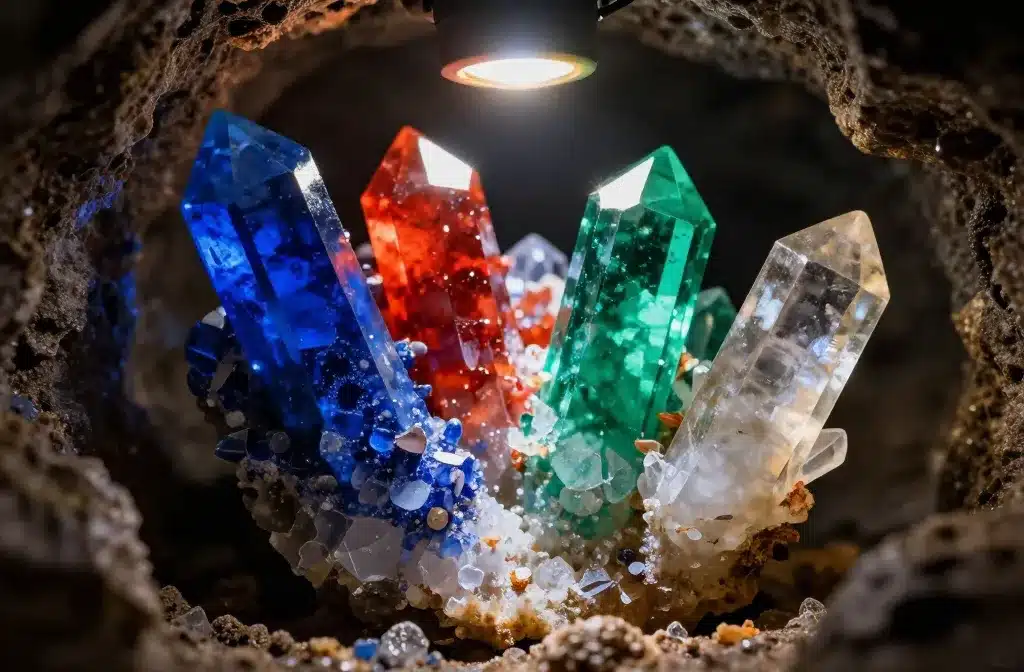
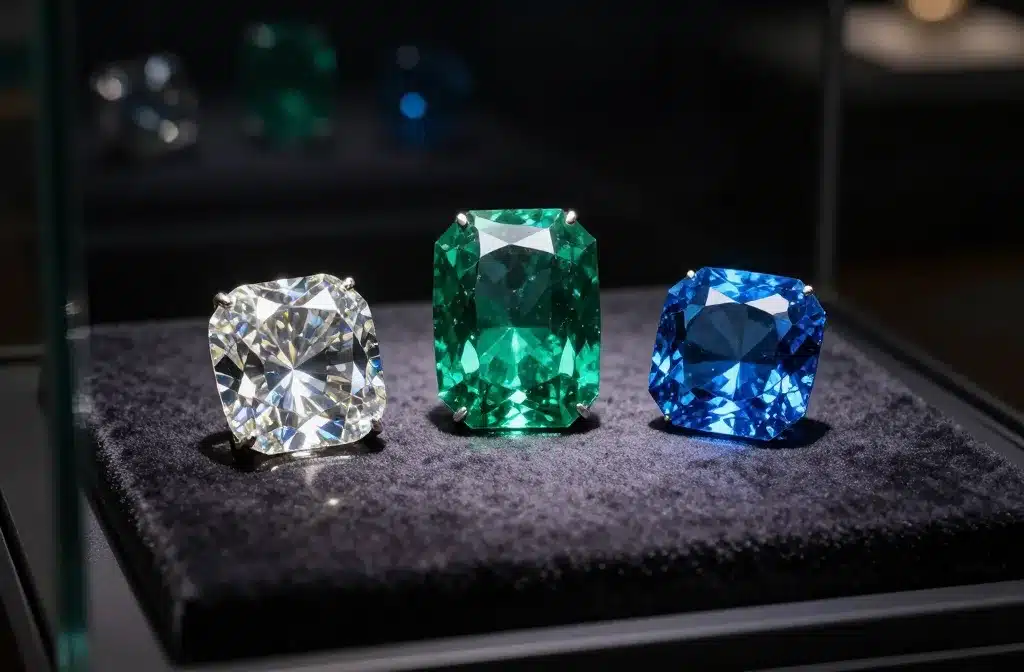
- Ruby vs. sapphire: Same mineral (corundum), different guest. Chromium gives ruby its red and fluorescence. Iron and titanium push sapphire toward blue. On the Mohs Scale, corundum sits at 9—ideal for Gemstone Rings and Gemstone Earrings that see daily wear.
- Emerald vs. aquamarine: Both are beryl. Chromium or vanadium creates emerald’s green; iron lends aquamarine its sea-glass blue. Emerald’s jardin (garden-like inclusions) affects durability; it’s 7.5–8 hardness but often more brittle, demanding gentle Gemstone Care.
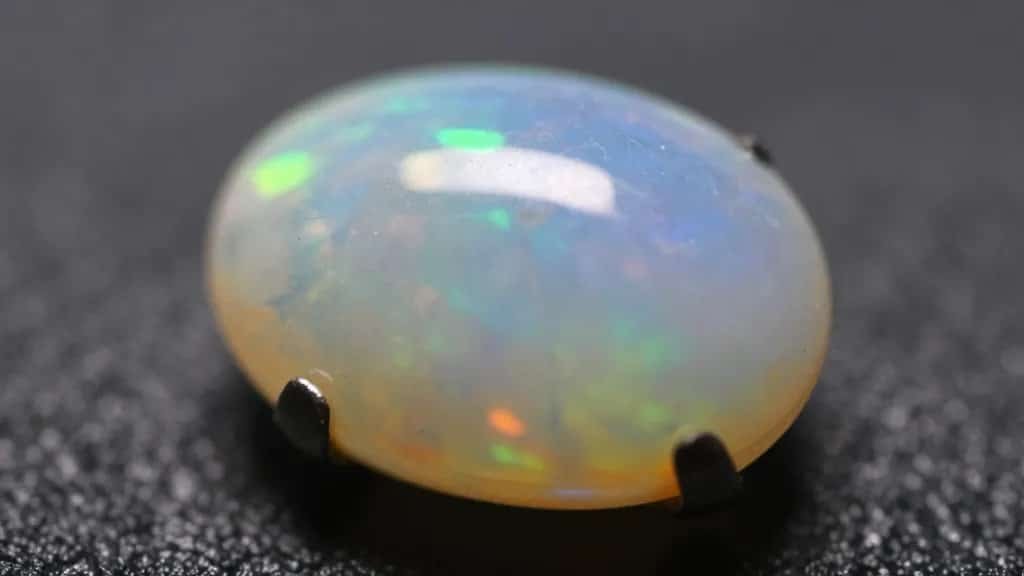
- Opal’s play-of-color: Not caused by pigments. It’s diffraction from stacked silica spheres—nanoscale rainbows. Tilt an opal and the spectral dance shifts. Water content and structure explain why opals prefer humidity and cautious cleaning.
Color zoning, common in sapphires and tourmalines, maps growth spurts in changing chemistry. Rotate a stone: a pale segment darkens, bands appear, and the gem tells on its past like tree rings.
Hardness Isn’t Strength—And That Changes How You Wear It
People conflate hardness with durability. Hardness measures scratch resistance; toughness measures resistance to breaking. It’s a crucial distinction for jewelry choices.
- Diamond: Mohs 10, supreme scratch resistance. Yet perfect cleavage planes make it vulnerable to a sharp blow. Rings? Excellent. But avoid knocks during sports.
- Jadeite and nephrite: Lower hardness (6–6.5), but extraordinary toughness due to interlocking fibrous structures. Those antique bangles survive generations because they resist shattering.
- Opal and turquoise: Softer and porous. Beautiful in Gemstone Necklaces and Gemstone Earrings; for rings or bracelets, protect with mounted settings and mindful wear.
When evaluating wearability, consider hardness, toughness, cleavage, and setting style. Bezel and halo settings cushion fragile stones; prongs suit harder gems. For daily-driver jewelry, consult a Gemstone Hardness chart but also ask about toughness and cleavage.
“Common” Rocks Hide Precious Stories
Pick up a beach pebble and you might hold the parent rock of a famous gem. Context clues help you read hidden value—if not in price, then in story.
- Basalt flows can trap vesicles later filled with silica, forming agates and amethyst geodes. The sugar-like sparkle in a geode is quartz druse growing inward from the cavity walls.
- Schist and gneiss, the glittery “mica rocks” in road cuts, are metamorphic playgrounds. Garnet, kyanite, and staurolite crystals bloom there as pressure-temperature gauges. A cinnamon garnet cluster is a pressure postcard from deep earth.
- Granitic pegmatites—those coarse-grained veins—are treasure chests. Tourmaline, topaz, spodumene (kunzite), and beryl grow where rare elements pool in the last drops of magma. If the crystals look oversized, you’re looking at a slow-cooked stew of elements.
Once you know that, hiking trails look like gem maps. The real joy is recognizing the architecture of a landscape and imagining the gems it could cradle.
The Time Machine in a Crystal: Growth, Inclusions, and Clarity
Every inclusion is a plot twist. They affect value and durability, but they’re also a signature that helps with Gemstone Identification and separates natural from synthetic.
- Needles and silk: Rutile needles in sapphire can create asterism (star sapphires) when cut cabochon. Fine “silk” diffuses light to soften color, sometimes raising beauty even if it lowers clarity grade.
- Three-phase inclusions: Tiny cavities with a liquid, a gas bubble, and a crystal often point to natural origins, common in emeralds and some quartzes. They’re like a snow globe sealed during growth.
- Healed fractures: Wispy, fingerprint-like patterns show a stone recovered from stress, an actual scar of geologic healing.
Clarity isn’t always king. In demantoid garnet, horsetail inclusions (radiating fibers) can boost desirability. With emerald, some jardin is expected; collectors judge whether the pattern is poetic or distracting. Learn what’s typical for the species before you judge—and before you buy, ask about clarity treatments.
Treatments: The Quiet Enhancements Behind Many Jewels
Treatments are part of the gem world. They influence appearance and value; transparency is key. A well-treated stone can be a smart buy if you understand care.
- Heat: Common for sapphire, ruby, aquamarine. Stabilizes color and clarity. Permanence is high and disclosure standard.
- Oil/resin: Emerald’s surface-reaching fractures are filled to reduce visibility. Cedarwood oil is traditional; modern polymers are more durable but should be disclosed. Avoid ultrasonic cleaners and harsh heat.
- Irradiation and diffusion: Irradiation can enhance topaz and some diamonds; beryllium diffusion in sapphire penetrates color deeper than traditional heat. Diffused stones typically price lower; always request lab documentation.
- Stabilization: Turquoise and opal may be stabilized to improve durability. It’s practical for Gemstone Bracelets or rings that see abrasion.
Buying advice: Ask for disclosure in writing. For higher prices, request a reputable lab report. You’ll find deeper guidance in a Gemstone Buying Guide or Gemstone Value Guide, but the rule of thumb is simple—disclosed, stable, and priced fairly for the treatment.
Natural vs. Lab-Grown: Same Chemistry, Different Story
Lab-grown gems share chemical and physical properties with natural stones. They’re real gems, just with a different origin story and usually fewer inclusions. That matters for ethics, price, and identification.
- Diamond: CVD and HPHT methods produce crystals with growth patterns and strain different from natural diamonds. Labs use spectroscopy and fluorescence mapping to tell them apart. In jewelry, lab diamonds offer sparkle with fewer mining impacts at lower cost.
- Ruby and sapphire: Flame-fusion synthetics display curved growth lines and gas bubbles; flux-grown stones mimic natural inclusions closely. Identification can demand advanced testing.
- Emerald: Hydrothermal synthetics grow in solutions, often showing chevron growth and nail-head spicules. Natural emerald’s jardin remains a key clue, but not definitive without a lab.
Choosing between natural and lab-grown is personal. If romance equals geology’s deep time for you, natural sings. If you love color and size for value, lab-grown delivers. Either way, documentation matters—especially for Gemstone Rings and Gemstone Gifts.
Stress, Pressure, and Fire: How Rocks Record Extreme Events
Some stones are literal field notes from cataclysms.
- Meteorite impacts: Shocked quartz shows planar deformation features—microscopic shock lines. Moldavite is a green tektite born when an impact melted crust and flung it as glassy droplets.
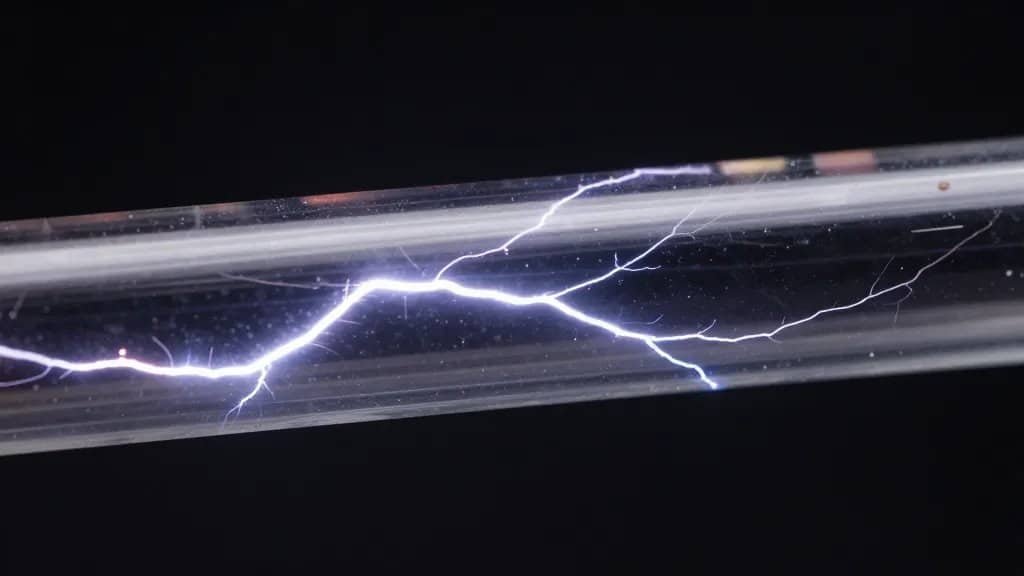
- Lightning strikes: Fulgurites form when lightning fuses sand into glassy tubes, branching like roots. They’re fragile and haunting, a thunderbolt fossil.
- Volcanic moods: Obsidian cools fast into volcanic glass, jet black or mahogany with iron. Snowflake obsidian forms when spherulites crystallize later, freckling the surface. It takes a razor polish and looks sleek in Gemstone Necklaces.
Holding these is like holding weather, fire, and space in your palm. They remind us that geology isn’t just slow; it’s also sudden.
Value Is a Triangle: Color, Rarity, Condition
Price doesn’t float randomly. It balances on three legs—color quality, rarity, and condition (clarity, cut, and size). Geography, tradition, and fashion tug, too.
- Color saturation: Vivid, balanced hues with light return fetch premiums. In sapphire, a velvety royal blue with even tone outruns lighter or inky stones. For tourmaline, neon paraíba hues from copper content command steep prices.
- Rarity and size: Fine spinel exploded in value as collectors recognized its glow and relative scarcity. Large clean stones—alexandrite, tsavorite, benitoite—multiply in price per carat fast.
- Condition and cut: A precision cut unlocks brightness. Chips, worn facets, and windowing drag value down. Restoring polish can revive luster, but always weigh weight loss against improvement.
For a thoughtful purchase, browse Gemstone Comparisons and Gemstone Cuts resources. You’ll learn how pavilion angles, table size, and symmetry influence light performance—and price.
Care That Respects the Stone’s Origin
Proper care is less about rules and more about empathy for how a gem formed.
- Heat-sensitive gems: Opal, emerald (especially filled), and tanzanite dislike sudden temperature changes. Avoid hot water and ultrasonic cleaners.
- Porous or soft stones: Turquoise, lapis lazuli, malachite, and pearls absorb chemicals. Use only a barely damp cloth; never steam or soak.
- Hard yet cleavable: Diamond, topaz, kunzite—guard against sharp blows. Remove rings for weightlifting or rock climbing.
- Storage: Separate gems in soft pouches. Diamond scratches nearly everything; corundum follows close behind.
Regular checks on prongs and settings prevent lost stones. A little mindfulness adds decades to your Gemstone Jewelry.
Reading Rocks Outdoors: A Short Field Guide
Once you start looking, the world becomes a rock shop without price tags. Here are quick cues for your next walk.
- Silica shimmer: A sugary sparkle on a broken surface hints at quartz-rich rocks. In rivers, rounded quartz pebbles feel waxy-smooth and show vitreous luster.
- Magnetism: A small magnet reveals magnetite in dark, dense sands. Those black streaks on beaches are heavy-mineral concentrates—nature’s gravity sorter.
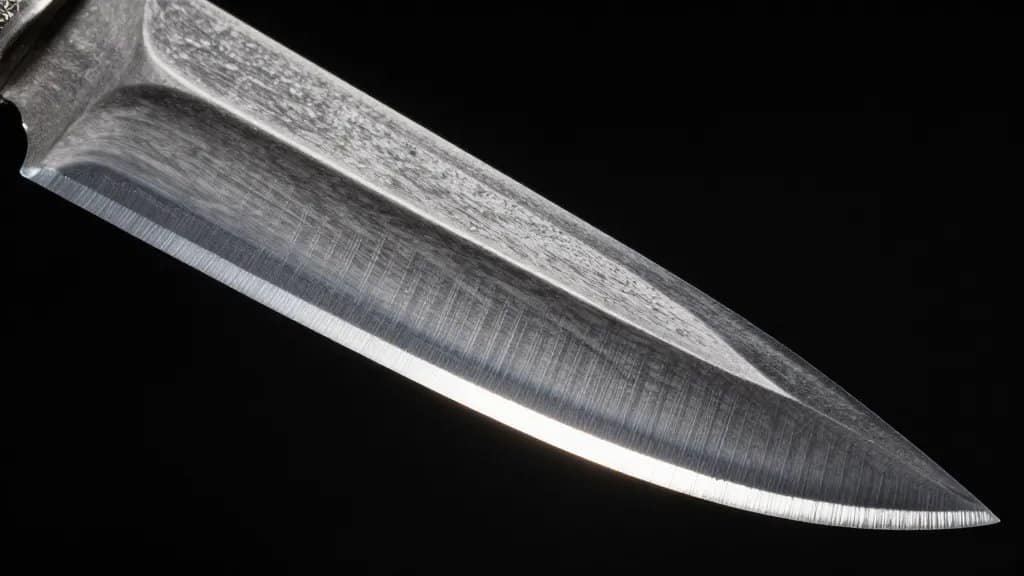
- Conchoidal fracture: Obsidian and flint break into curved, shell-like surfaces sharper than steel. Respect the edges; ancient people certainly did.
- Layering and banding: Rhythmic bands in agate or onyx are seasonal growth captured in cryptocrystalline quartz. Metamorphic banding in gneiss tells of squeezing and heating deep below.
If the bug bites, explore Gemstone Identification guides and keep a small loupe on your keychain. Curiosity plus a 10x lens is a powerful combination.
Myths vs. Facts That Shift Your Perspective
- Myth: “All green stones are emerald.” Fact: Peridot, green tourmaline, chrome diopside, and tsavorite rival emerald’s charm—often tougher or brighter in certain lights.
- Myth: “Bigger is always better.” Fact: A smaller, richly saturated, clean gemstone can outshine a large, pale one. In many species, the sweet spot balances face-up size with top color.
- Myth: “If it scratches glass, it’s a diamond.” Fact: Many minerals above 5.5 hardness do that—garnet, quartz, topaz, corundum. Diamond’s diagnostic features go far beyond a casual scratch test.
- Myth: “Treatments mean low quality.” Fact: Some treatments are industry standard and permanent. Value should align with disclosure and stability, not blanket bias.
- Myth: “All opals are fragile.” Fact: With protective settings and sensible care, quality opal holds up beautifully. Doublets and triplets offer added durability for active wearers.
Choosing the Right Gem for the Right Person
Personality and lifestyle should steer selection as much as color preference.
- Active hands: Sapphire and ruby excel in rings due to hardness and toughness. Spinel is a sleeper choice—sparkly, durable, and increasingly collectible.
- Statement color lovers: Tourmaline offers a rainbow, including juicy rubellites and lagoon greens. Consider protected settings and regular cleaning to keep vibrance high.
- Sentimental and symbolic: Birthstone Jewelry carries meaning. Alexandrite shifts color with light, fitting for adaptable personalities. Garnet’s wine-warm glow feels timeless in vintage-inspired pieces.
- Collectors: Seek fine examples of underappreciated gems—coesite-included quartz, trapiche emeralds with star-like growth, or color-zoned sapphires. Explore Collector Gemstones and Gemstone Facts to sharpen your eye.
Match the stone not only to style but to how it will be worn. Earrings and pendants are forgiving; rings and bracelets ask more from a gem.
From Rough to Radiant: The Art Behind the Sparkle
Cutting is choreography—angles, symmetry, and polish lead light through a gem and back to your eyes.
- Windows and extinction: A shallow cut leaks light straight through; you’ll see your finger through the stone. An overly deep cut turns parts of the gem dark. Balanced proportions deliver brightness and life.
- Facet finesse: Crisp facet junctions and a glassy polish multiply sparkle. In sapphire, a slightly smaller table can intensify color; in diamond, ideal proportions maximize fire.
- Cabochons and phenomena: Stars (asterism), cat’s-eyes (chatoyancy), and adularescence in moonstone bloom under domed cuts. The orientation of inclusions and layers is everything.
If you’re comparing stones, move them under varied light—daylight, warm indoor, and spotlight. Stones reveal different personalities with each shift. Gemstone Shapes and Gemstone Cuts references can help you read that light performance quickly.
FAQs
How do I quickly tell if a gemstone is natural or lab-grown?
At home, you can’t be certain. Clues like unusually perfect clarity, curved growth lines, or atypical fluorescence may hint, but a gemological lab report is the reliable answer.
Which gemstones make the toughest everyday rings?
Diamond and corundum (ruby, sapphire) lead. Spinel and chrysoberyl also perform well. Choose sturdy settings, and avoid sharp blows.
Why does my sapphire look different under office lights?
Light source color affects appearance. Cool daylight favors blues; warm LEDs or incandescent lights can mute or shift hues. Always view gems in multiple lighting conditions before buying.
Are all blue topaz stones treated?
Nearly all blue topaz is irradiated then heated to stabilize color. It’s industry standard, permanent, and typically disclosed.
What’s the safest cleaning method for most gems?
Lukewarm water, mild soap, and a soft brush. Rinse well and pat dry. Skip ultrasonics and steam for porous, treated, or heat-sensitive stones.
Do inclusions always lower value?
Not always. Some inclusions, like demantoid horsetails or star-causing silk in sapphire, can be desirable and raise appeal among collectors.
Is opal unsuitable for rings?
Not unsuitable—just needs care. Choose protective settings, avoid impact and dehydration, and clean gently. Many opal rings last for decades with mindful wear.
A Different Way to See Nature
Rocks are stories set in crystal. Once you learn to read their colors, structures, and scars, landscapes and jewelry cases become libraries. Whether you’re comparing Precious Gemstones, seeking Semi-Precious Stones with character, or planning Gemstone Jewelry for daily wear, understanding how a stone formed will guide smarter, more satisfying choices. The world hasn’t changed—your vision has, and that’s the real treasure.

Christian Grey is the creator of GemMeaning, where he shares simple insights about crystals, gemstone meanings, and spiritual guidance. His focus is on making complex ideas easy to understand and practical for everyday life.