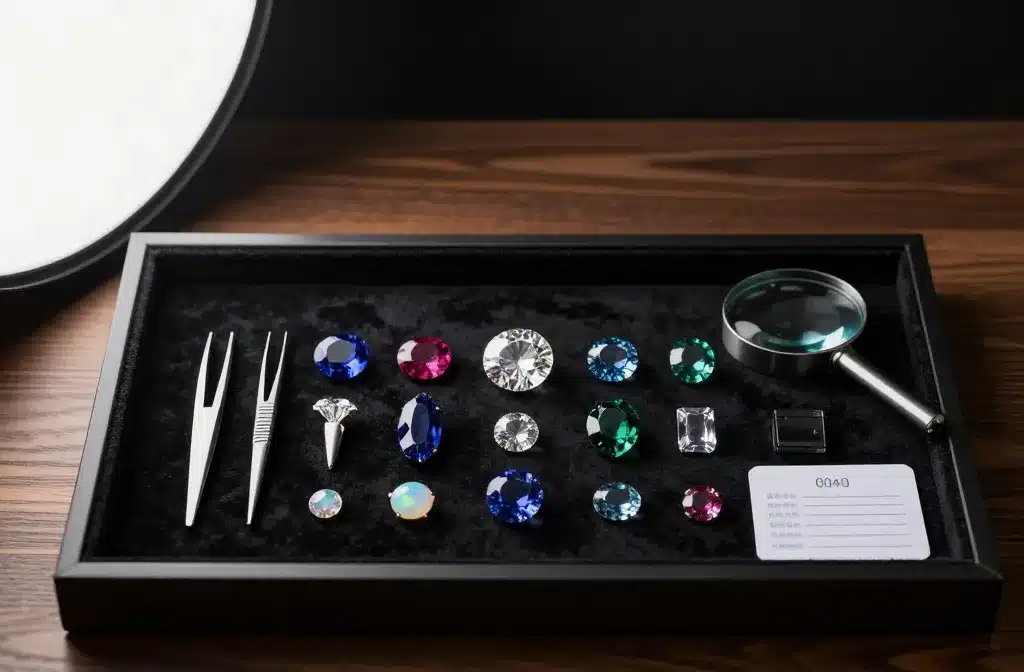
Gems are tiny worlds. A good one holds light the way a window holds a view—clear, vibrant, and honest. A poor one hides behind tricks. Choosing between the two isn’t guesswork; it’s a skill you can learn.
Here, you’ll get a step-by-step checklist used by seasoned collectors and bench jewelers alike. You’ll learn what to look for in color, clarity, cut, and carat without losing sight of durability, treatments, and ethics. You’ll also see how origin, certification, and setting choices affect value and everyday wear.
Keep this guide open the next time you browse a showcase or message a seller. It’s designed to be practical, not theoretical—so you can feel that click of certainty when you’ve found the right stone.
1) Define the Purpose: Jewelry, Collection, or Investment
Before you look at a single gem, decide what you want it for. Purpose guides every decision—from durability to budget. If you’re shopping for a daily-wear ring, durability on the Mohs Scale matters more than collector rarity. For a collection, unusual colors or inclusions might be a feature, not a flaw. Investment-minded buyers focus on market demand, provenance, and scarcity.
- Everyday jewelry: Choose tough stones—diamond (10), corundum: sapphire/ruby (9), spinel (8), chrysoberyl (8.5). Avoid soft gems in rings unless they’re protected.
- Occasional wear: Emerald, opal, tanzanite, and morganite work when set thoughtfully and cared for.
- Collecting: Look for fine examples of coveted hues (Kashmir-like blue sapphire, pigeon’s-blood ruby, neon Paraíba tourmaline) or rare species (benitoite, grandidierite).
2) Color Comes First: Hue, Tone, Saturation
In colored gemstones, color is king. Train your eye to separate hue (basic color), tone (lightness/darkness), and saturation (vibrancy). The finest stones often balance medium to medium-dark tone with high saturation and minimal gray or brown mask.
- Hue: Pure ruby leans red with slight blue or pink; fine sapphire holds a steady royal to cornflower blue. Tourmaline can flash electric teal or forest green; spinel spans lipstick red to steely gray.
- Tone: Too light looks washed out; too dark absorbs sparkle. Aim for a tone where the stone glows under different lights.
- Saturation: Strong, vivid color without looking inky or neon-plastic. Step back two meters—does the color still read beautifully?
Test color in varied lighting. Daylight shows truth; warm indoor bulbs can add cozy yellow; cool LEDs can make stones look icy. If a seller provides only one lighting condition, ask for another. The best stones hold their character across environments.
3) Clarity and Character: Reading Inclusions
Clarity doesn’t mean sterile. Natural gems carry tiny features formed under pressure—needles, crystals, growth tubes, even a gentle “silk” in sapphire. These can soften color and scatter light, adding velvety glow. The trick is knowing what helps versus hurts.
- Helpful: Fine rutile silk in some sapphires creates that sought-after velvety depth. Cat’s-eye chrysoberyl needs parallel fibers to create chatoyancy. Emerald “jardin” can be poetic—if not structural.
- Harmful: Feathers that reach the surface, deep-reaching fractures, or large opaque clouds steal light and threaten durability—especially in rings.
- Practical target: Eye-clean from the top (face-up) under normal viewing. Loop-clean is a bonus, not a must, for many colored stones.
Use a 10x loupe if you can. Tilt the stone and follow reflections. If light suddenly breaks or fuzzes, you’ve likely hit an inclusion or window (more on that in cut). Ask the seller for magnified photos and a video sweeping across the face.
4) Cut Quality: Proportions, Symmetry, and Light Return
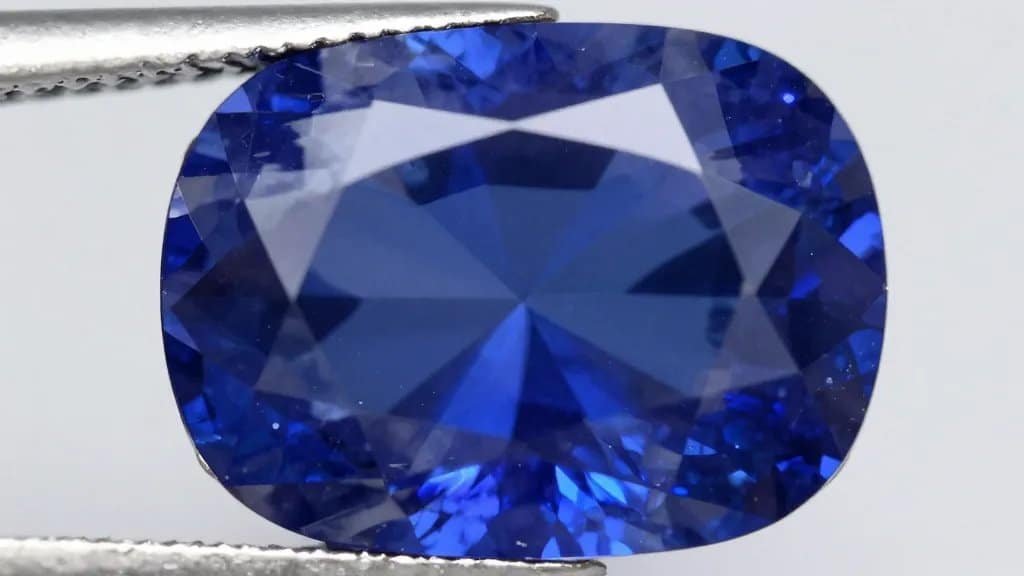
Cut isn’t just shape. It controls brightness, sparkle, and how the stone carries color. Poor cutting can make a fine crystal look sleepy.
- Proportions: A stone cut too shallow creates a “window”—a see-through patch in the center with low brilliance. Too deep makes a “nail head”—dark, lifeless core.
- Symmetry: Facets should align and meet crisply. Off-kilter culets, wonky crowns, and uneven girdles scatter light in odd ways.
- Polish: A smooth, glassy surface with no ripples or drag lines keeps reflections sharp and lively.
Shape follows taste and weight retention. Ovals and cushions flatter many colored stones, while round brilliants punch up sparkle. Step cuts (emerald, Asscher) favor clarity and clarity-type stones like emerald and aquamarine, revealing long, clean flashes instead of glitter. If you love the “pool of color” look, consider a well-proportioned cushion or antique cut with a small table and open culet.
If cut talk interests you, you might enjoy exploring Gemstone Cuts and Gemstone Shapes, which show how facet design shifts personality.
5) Carat Weight, Face-Up Size, and Rarity Curves
Carat weight is a measure of mass, not size. Two stones with the same weight can look very different face-up depending on cut and density. Always compare millimeter measurements, not just carat numbers.
- Face-up spread: A brilliant oval may look larger than a deep cushion of the same carat. Ask for length x width x depth.
- Rarity jumps: Prices often climb steeply at “magic sizes”—1.00 ct, 2.00 ct, 3.00 ct—especially in ruby, sapphire, and emerald. A 1.90 ct stone can save you significantly with minimal size difference.
- Species density: Spinel and sapphire are denser than quartz-family gems; expect smaller dimensions at the same carat.
For budgeting across grades, a Gemstone Value Guide can help you understand the price ladders by color, cut, and origin.
6) Treatments and Enhancements: Know What You’re Paying For
Treatments aren’t inherently bad, but they must be disclosed. They affect price, durability, and care.
- Common and stable: Heat treatment in sapphire and ruby is widely accepted and can improve color and clarity. Prices reflect quality even after heat.
- Fragility flags: Emerald oil/resin filling reduces the appearance of fractures but can dry out or require re-oiling. Glass-filled ruby has glassy, bubble-filled fissures—value is much lower and durability suffers.
- Coatings and diffusion: Surface coatings can add color but scratch off. Beryllium diffusion in sapphire alters color deep into the stone—disclosure is essential and affects value.
- Impregnation: Opal and turquoise may be stabilized to improve wearability; priced accordingly.
Always ask: Is the stone untreated, heated, oiled, filled, diffused, irradiated, dyed, or coated? For higher-value pieces, request details in writing. Major labs will note treatments clearly on reports.
7) Origin, Certification, and Paper Trail
Origin can influence price dramatically, especially in ruby, sapphire, and emerald. “Burma” (Myanmar) ruby, “Kashmir” sapphire, and “Colombian” emerald are benchmark names. That premium only makes sense with reputable lab confirmation.
- Trusted labs: GIA, AGL, SSEF, and Gübelin are widely respected. For colored stones, AGL and Swiss labs often provide nuanced color and origin opinions.
- What a report does: Confirms species/variety, whether synthetic or natural, notable treatments, and sometimes probable origin. It’s not an appraisal of value but a scientific ID.
- When to get one: High-ticket items, important origins, or if you’re uncertain. Reports add liquidity when reselling.
For pieces under a few hundred dollars, a lab report may cost more than it’s worth. In that range, buy from a seller with a strong reputation and return policy. If you’re curious about testing basics, explore Gemstone Identification for tools used at the bench.
8) Durability and Daily Life: Hardness, Toughness, Stability
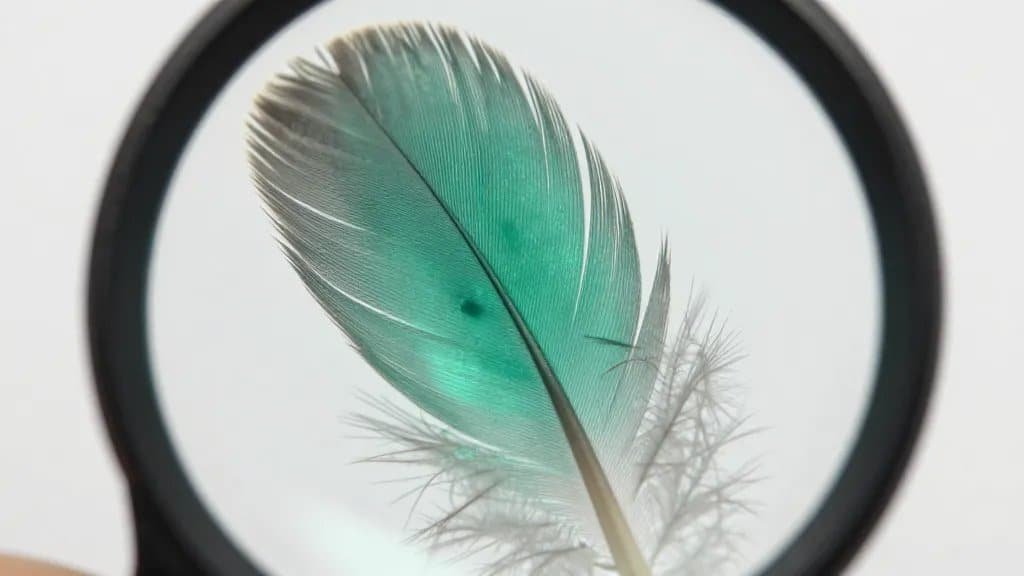
Hardness resists scratches; toughness resists breaking; stability resists heat, light, and chemicals. Diamonds are hard but can cleave. Jadeite is relatively tough despite moderate hardness. Opal is moisture-sensitive; kunzite fades in strong light.
- Rings and bracelets: Choose hard and tough stones (diamond, sapphire, ruby, spinel, chrysoberyl). Avoid soft or brittle gems unless set protectively and worn gently.
- Pendants and earrings: Most stones are safe here; they face fewer knocks.
- Heat and chemicals: Avoid ultrasonic cleaners and steam for emeralds, opals, pearls, turquoise, and heavily fractured or filled stones.
For quick comparisons, a reference on Gemstone Hardness helps you match stones to lifestyle. If you’re choosing engagement jewelry, also browse Gemstone Rings to see setting styles that protect corners and edges.
9) Real vs Synthetic vs Imitation: Spot the Differences
A natural gem forms in the earth. A synthetic has the same chemistry and crystal structure but grows in a lab. An imitation only looks similar—glass, plastic, or a different gem dyed or doublet-assembled to mimic another.
- Tell-tale signs: Bubbles and swirl lines often indicate glass; perfect, unnatural growth lines may suggest flame-fusion sapphire; unusually bright colors and high clarity for the price can be a red flag.
- Thermal conductors: Diamond testers check heat flow for diamond vs simulants, but they don’t sort natural from lab-grown diamond. For colored stones, gemological techniques are subtler.
- Ask directly: “Is it natural? If lab-grown, which method? Any treatments?” A trustworthy seller answers clearly and in writing.
If origin or identity matters to you, consider a report. For side-by-side contrasts of properties and appearance, Gemstone Comparisons can sharpen your eye.
10) The Seller: Policies, Reputation, and Communication
A good gemstone is only half the equation; a good seller completes it. Look for candid descriptions, clear photos/video, and willingness to disclose treatments, return windows, and lab options.
- Reputation: Check independent reviews, forums, and how long the seller has been in business. Ask for references on high-value purchases.
- Return policy: A reasonable inspection period (7–14 days) lets you view the stone in your own lighting and confirm it matches your expectations.
- Documentation: Invoice with species, weight, dimensions, treatments, and report number if applicable. This becomes your stone’s passport.
If a deal feels rushed or evasive, pause. There’s always another stone.
11) Budgeting and Value: Where to Spend, Where to Save
Allocate budget to the attribute that most moves the needle for that species. In sapphire, pay for color and a lively cut. In emerald, accept minor clarity features but avoid dangerous fractures. In spinel, prioritize vivid saturation and a bright face-up.
- Spend more on: Rare, well-saturated color; excellent cut with no window; proven origin (with report) if you value provenance.
- Save on: Near-magic weights (e.g., 1.80 ct vs 2.00 ct), slightly off-shape stones that face up nicely, minor visible inclusions that don’t affect durability.
- Consider semi-precious stones with premium personality: Mahenge pink spinel, mint garnet, and fine chrysoberyl can outshine more famous names at friendlier prices.
If you’re comparing across categories, a Gemstone Buying Guide can help frame realistic expectations so you don’t chase unicorns that wreck the budget.
12) Setting, Style, and Wearability
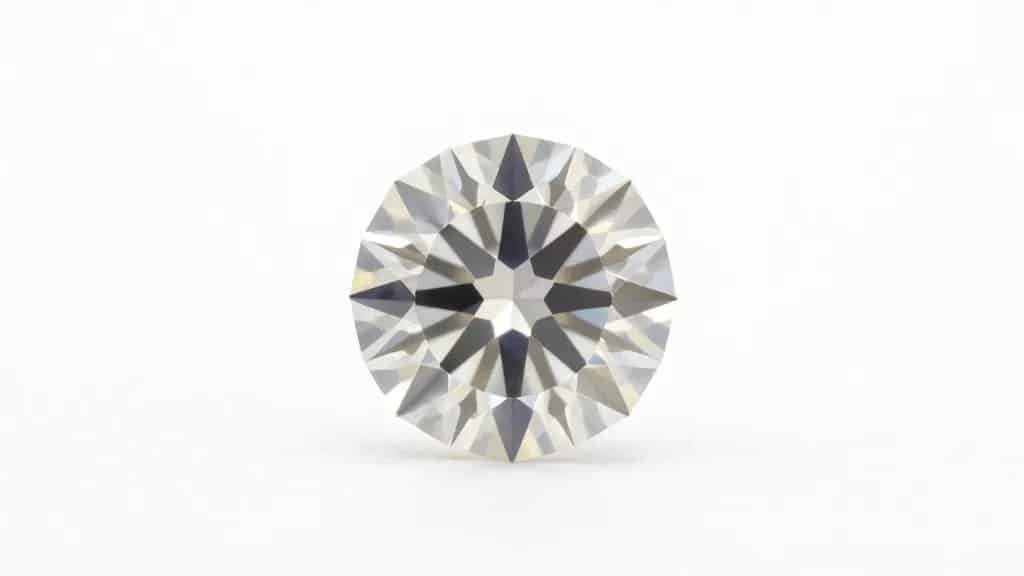
The right setting magnifies beauty and protects weaknesses. A gently domed cabochon opal in a bezel glows like moonlight. A precision-cut sapphire in a halo throws light like a disco ball.
- Protection: Bezels and halo designs shield edges. V-prongs guard points on pears and marquise. Low-set stones snag less and take fewer hits.
- Metal color: White metals cool down warm stones; yellow gold warms up greens and blues and makes low-color diamonds look creamier.
- Complementary shapes: Step-cut emeralds suit architectural settings; lively brilliants love open galleries and bright polish.
Think long-term serviceability. Can the ring be resized without stressing the stone? Are prongs substantial enough? Jewelers prefer working with sturdy settings that keep stones safe.
13) Care and Cleaning: Keep the Fire Alive
Gentle care preserves both beauty and structure. Dust can act like sandpaper; films dull brilliance.
- Safe routine: Lukewarm water, mild dish soap, soft brush, rinse, pat dry. Avoid soaking emeralds and porous stones.
- Avoid: Ultrasonic and steam for emerald, opal, turquoise, pearls, and any fracture-filled stones. Keep opal away from extreme dryness or rapid temperature swings.
- Storage: Wrap separately to prevent scratches. Diamonds and sapphires can abrade softer neighbors.
For a deeper refresher on maintenance, see Gemstone Care. It can save you from the most common mishaps.
14) Quick Field Tests You Can Do (And What You Can’t)
While lab instruments are best, a few simple checks help you screen candidates before sending for reports.
- Fog test: Diamond clears breath quickly due to heat conductivity; many simulants stay foggy longer. Not definitive but suggestive.
- Loupe look: Check facet junctions for crispness, search for bubbles (glass), and look for a window by placing the stone over printed text—if letters are sharp through the center, it’s probably too shallowly cut.
- Weight feel: For the same size, glass is lighter than most gems; spinel and sapphire feel satisfyingly dense.
- UV response: Some rubies fluoresce strongly under longwave UV; not proof of origin, but a data point.
What you can’t determine accurately at home: precise treatments, origin, many synthetic vs natural distinctions. When the stakes are high, a professional evaluation pays for itself.
15) The Checklist: Step-by-Step Before You Buy
- Set your purpose and budget (daily wear, collection, investment).
- Choose species appropriate for wear (consult hardness and toughness).
- Evaluate color first: hue, tone, saturation in multiple lights.
- Check clarity face-up; confirm inclusions don’t threaten durability.
- Assess cut: no window, good symmetry, strong light return, clean polish.
- Confirm size: carat and millimeter dimensions; compare face-up spread.
- Ask about treatments and get disclosure in writing.
- Consider origin and decide if a lab report is warranted.
- Vet the seller: reputation, return policy, clear communication.
- Match the stone to a protective, flattering setting.
- Plan for care: cleaning method, storage, and insurance if valuable.
FAQs
Is an “eye-clean” colored gemstone good enough without being flawless?
Yes. For most colored stones, eye-clean from normal viewing distance is ideal. Flawless clarity is rare and often unnecessary if the stone is bright and durable.
Do I need a lab report for every purchase?
Not for modest purchases. Get a report for high-value stones, important origins, or if treatments or identity are uncertain. Reputable labs add confidence and resale flexibility.
Why does my gemstone look different under indoor lighting?
Light temperature shifts perceived color. Warm bulbs add yellow; cool LEDs enhance blue. Evaluate stones in daylight and indoor light to judge true personality.
How risky are filled or heavily treated stones for daily wear?
They can be risky. Glass-filled rubies, heavily oiled emeralds, and coated stones may react poorly to heat, chemicals, or routine polishing. Wear them gently and avoid aggressive cleaning.
What’s the best gemstone for an engagement ring besides diamond?
Sapphire, ruby, spinel, and chrysoberyl are excellent for daily wear. They combine beauty with hardness and decent toughness, especially in protective settings.
How can I tell if a gem is synthetic without lab equipment?
You often can’t with certainty. Some synthetics mimic natural inclusions. If identity matters, rely on a trusted seller and consider a lab report.
Why do two stones with the same carat look different in size?
Cut depth and density vary by species. Always compare millimeter dimensions and face-up spread, not just carat weight.
Final Thoughts
Great gemstone buying is patient seeing: color that holds in every light, a cut that wakes up the crystal, honest disclosure, and a setting that suits your life. Follow the checklist, trust your eye, and let the right stone choose you back.

Christian Grey is the creator of GemMeaning, where he shares simple insights about crystals, gemstone meanings, and spiritual guidance. His focus is on making complex ideas easy to understand and practical for everyday life.