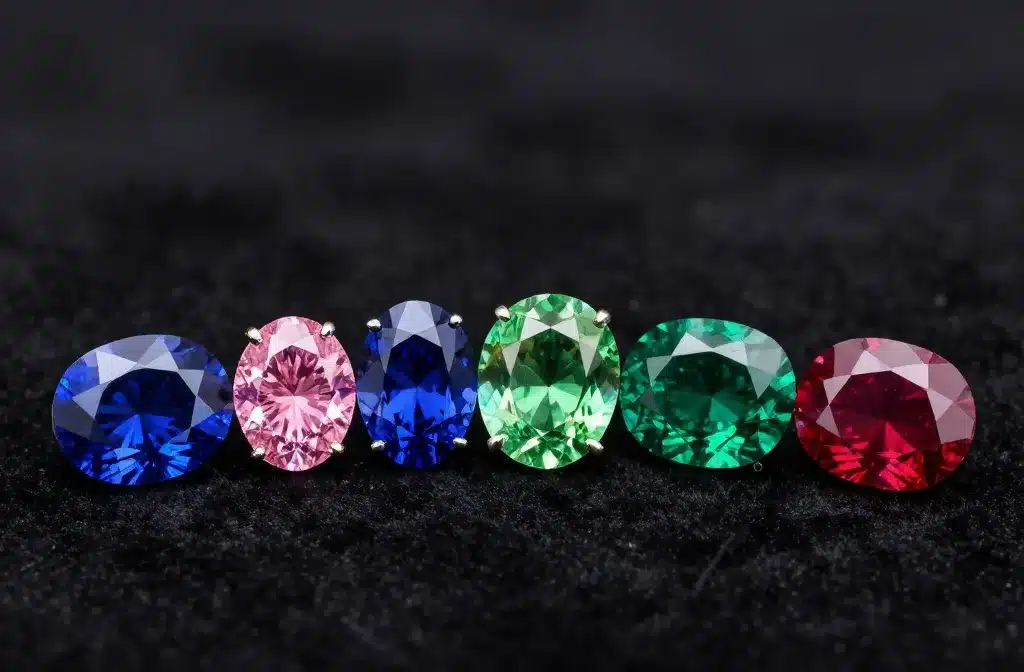
Some gems command prices that sound like legend: a sapphire that glows like dusk over Kashmir, a diamond born in the mantle under impossible pressure, a green beryl with jungle mist trapped inside. Their worth isn’t just about carats and clarity—it’s about origin, rarity, and the human stories wrapped around each stone.
Here, we’ll explore the world’s most valuable gemstones through the lens of a gem enthusiast: how they look and form, why certain colors fetch astonishing prices, the myths that won’t die, and the hard facts that actually drive value. You’ll learn how to recognize key features, what treatments are common, and how collectors and jewelers judge quality.
By the end, you’ll see more than sparkle. You’ll understand why a velvet-blue sapphire can outsell many diamonds, why a neon-green tourmaline started a twenty-first-century frenzy, and how provenance, cut, and even inclusions can make or break a record.
Diamond: The King With Many Crowns
Diamonds remain the benchmark for high-value gems, largely thanks to brilliance, durability, and a global market built over a century. On the Mohs scale, diamond is a perfect 10, making it exceptionally resistant to scratching and a favorite for daily-wear jewelry. But not all diamonds sit at the top of the price pyramid—the rarest colors do.
Fancy colored diamonds—especially vivid pinks, blues, and greens—can eclipse colorless stones in price many times over. A pure, saturated hue with strong fluorescence can push a diamond into stratospheric values. Think of pink diamonds once sourced from Australia’s Argyle mine, or the steel-to-royal blues linked to boron impurities in famous stones like the Hope Diamond.
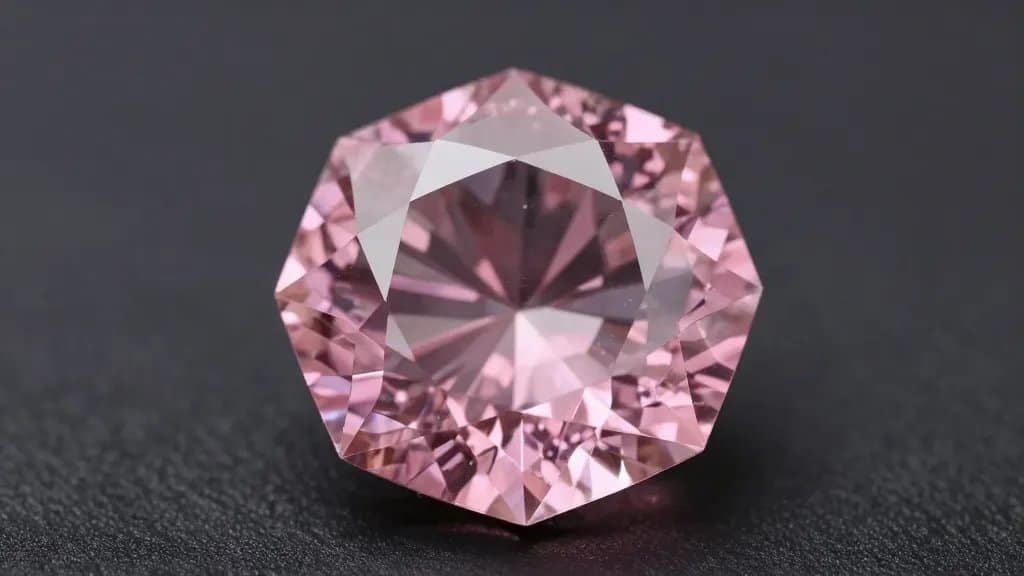
Value factors include the “Four Cs,” but color saturation and distribution dominate in fancy colors. Cut also plays a critical role in maximizing hue; cushions and radiants often bring the best out of pinks and yellows. Treatments such as HPHT and irradiation can alter color, so documentation from top-tier labs is essential.
For shoppers: look for crisp facet junctions, a lively return of light without murky zones, and a reputable grading report. If you’re curious about how diamonds stack up in wearability, review Gemstone Hardness to see why they’re a staple of Gemstone Rings and Gemstone Earrings.
Kashmir Sapphire: Velvet Night Sky
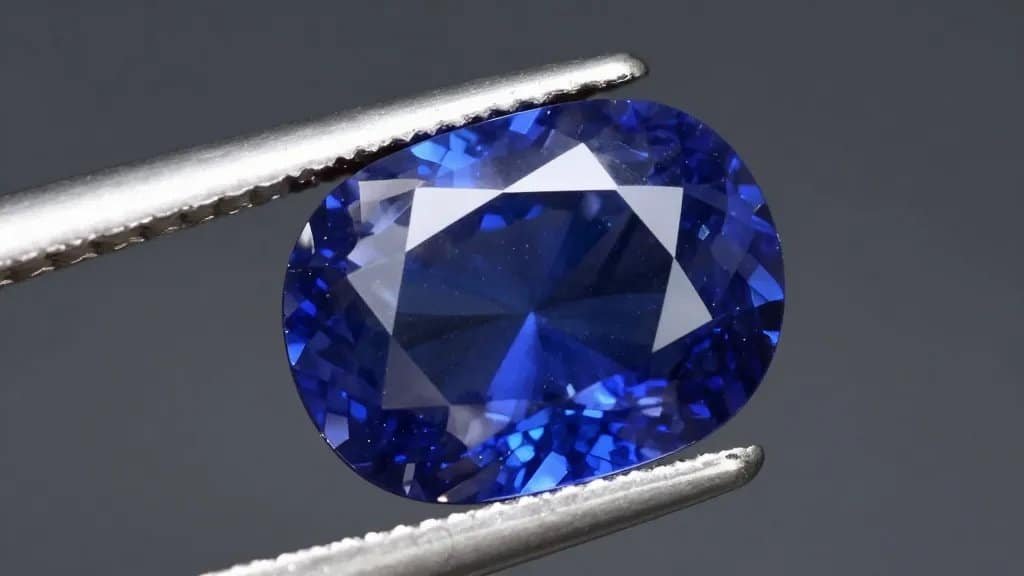
Ask a gem lover about their desert-island gem, and many will whisper “Kashmir.” The fabled sapphires from the Zanskar range of the Himalayas were mined in the late 1800s and early 1900s, and their supply has all but vanished. Their color—often described as “cornflower” or “royal,” with a velvety softness—comes from fine rutile silk scattering light to create a haze that never dulls the underlying blue.
Sapphire sits at 9 on the Mohs scale, making it tough and suitable for daily jewelry. The Kashmir mystique relies on rich, even color, medium to medium-dark tone, and that telltale velvety texture visible under magnification. Inclusions here are not a defect; they’re part of the stone’s signature, like breath on glass. The most valuable Kashmir sapphires are unheated. Heating is common for sapphires to improve color and clarity; unheated stones with strong color and origin proof are the grail.
Because mines are effectively inactive, provenance drives price. Expect detailed reports from advanced labs that can distinguish Kashmir from Sri Lankan or Burmese counterparts. If you’re studying identification, explore Gemstone Identification and Gemstone History for context on how origin is determined through trace elements and growth features.
Burmese Ruby: Pigeon’s Blood and Royal Legends
Ruby is corundum colored red by chromium, but “Burmese ruby” from Myanmar’s Mogok region wrote the poetry. The pinnacle color, “pigeon’s blood,” is a rich, open red with a subtle glow caused by fluorescence—think candlelight warming red silk. The best stones show intense color without tipping into dark, inky territory.
At 9 on the Mohs scale, ruby is a durable choice for rings. Inclusions often present as “silk” or healed feathers; the right inclusions can improve light diffusion and aid origin determination. Untreated Burmese rubies above 3 carats with fine color trade like rare art. Heat treatment is common and widely accepted, but glass-filled or fracture-filled stones fall into a different, much lower value category.
Why the mystique? Millennia of lore tie ruby to vitality and protection. Royals and dynasts treasured Burmese stones for their glow even in dim light. Modern buyers should prioritize strong color, balanced tone, and straightforward disclosures. For a deeper pricing framework, browse Gemstone Value Guide and Gemstone Buying Guide so you can compare rubies to other Precious Gemstones.
Colombian Emerald: Gardens of the Andes
Emerald’s charm is its garden—jardin—the pattern of inclusions that looks like moss caught in ice. Unlike many gems, emerald wears its flaws like a fingerprint. Fine stones from Colombia’s Muzo and Chivor regions achieve a saturated, pure green with a slightly bluish modifier, vivid yet soothing, as if rain had polished a forest leaf.
Emerald sits at 7.5–8 on the Mohs scale, but internal fractures make it more brittle than that number suggests. Most emeralds are treated with oils or resins to reduce surface-reaching fissures; high-end dealers disclose the degree of clarity enhancement. Untreated stones with top color are rare and expensive. Cutting aims to minimize stress—hence the iconic “emerald cut,” with broad, open step facets that spotlight color and reduce chipping risk.
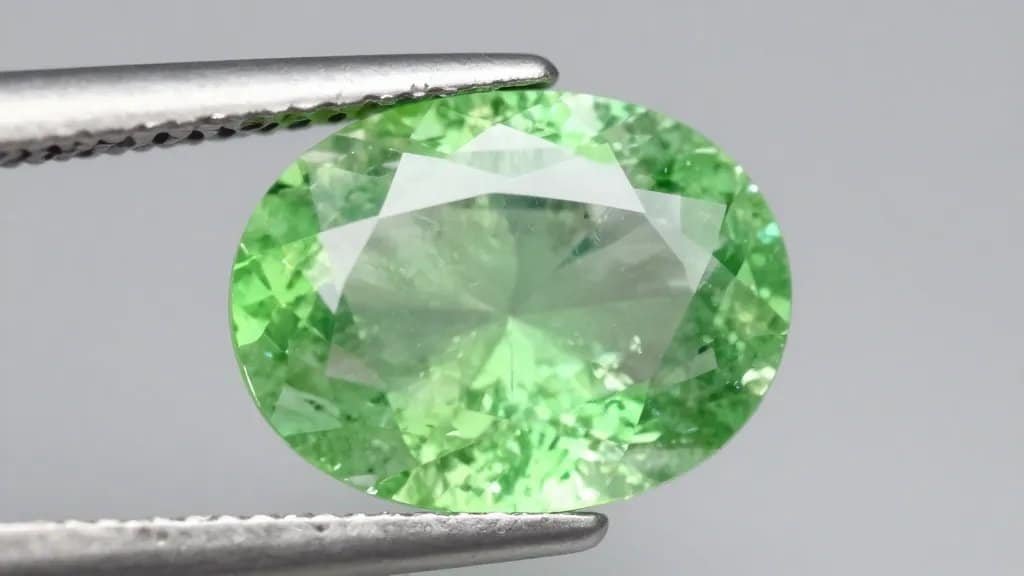
Beware of filled emeralds with colored oils or significant resin; they can look great initially but may age poorly. Always seek lab reports describing enhancement level (none/minor/moderate/significant). For everyday wear, emerald suits pendants and earrings better than heavily knocked-around rings. Cleaning calls for a soft brush and mild soap—no ultrasonic or steam. If you love green gems broadly, see Gemstone Colors to compare emerald’s hue with tsavorite garnet or chrome tourmaline.
Jadeite Jade: Imperial Green and Hidden Power
While Western markets often prize faceted gems, East Asian tradition crowns jadeite jade as a supreme treasure. The most valuable variety, “Imperial Jade,” is a vibrant, even, semi-transparent green that seems to glow from within. Top beads and bangles command prices rivaling major diamonds, especially when the color is uniform and the body crystal is fine-grained and translucent.
Jadeite’s value hinges on the “three Ts”: tone, translucency, and texture. Fine texture means tight crystal aggregates that transmit light smoothly; translucency gives that coveted luminous quality. Jadeite is about 6.5–7 on the Mohs scale but is tough—its interlocking structure resists breakage. That said, treatments profoundly affect price. Type A jadeite is natural with traditional waxing only; Type B is bleached and polymer impregnated; Type C is dyed; Type B+C is both. Only Type A holds top value.
Collectors gravitate toward classic apple-green bangles, but lavender jadeite can be incredibly valuable in fine translucency. A loupe reveals “orange peel” texture in coarser material; avoid dyed stones by checking for concentrated color in fractures. For gifting occasions and heirlooms, jadeite remains a favorite in Gemstone Jewelry and Gemstone Gifts for its cultural resonance and enduring style.
Paraíba Tourmaline: Electric Neon From the Earth
Few gems electrify a room like Paraíba tourmaline. Its neon blue to green-blue, lit by copper and manganese, looks almost backlit—like tropical water under high sun. First discovered in the late 1980s in Brazil’s Paraíba state, similarly colored copper-bearing tourmalines were later found in Nigeria and Mozambique. The trade now uses “Paraíba” broadly for copper-bearing stones, but Brazilian origin often fetches the highest prices.
On the Mohs scale, tourmaline measures 7–7.5, durable enough for rings with care. The finest stones balance strong saturation with high clarity and bright tone. Many are heated gently to push color into that coveted neon space. Even small sizes can be valuable; a clean, well-cut 1-carat electric blue can outprice larger tourmalines of other colors. Look for vivid color under varied lighting; the best remain vibrant in both daylight and indoor LEDs.
Beware overly deep stones that trap light and dull the neon punch. Inspect for windowing (a see-through patch in the center) and uneven color zoning. For side-by-side comparisons and what to ask in stores, see Gemstone Comparisons and Gemstone Cuts to understand how facet design intensifies brightness in tourmaline.
Alexandrite: Color Change With a Cult Following
Alexandrite, a variety of chrysoberyl, is prized for a chameleon act: greenish to bluish in daylight and raspberry to purple-red in incandescent light. The sharper and more dramatic the change, the rarer and pricier the stone. Origin stories point to Russia’s Ural Mountains in the 1800s, where the stone conveniently matched the imperial colors—adding instant cachet.
At 8.5 on the Mohs scale, alexandrite is robust and suitable for rings. Modern sources include Brazil and Sri Lanka; Russian stones are scarce and historically prized. Fine stones show a clean, saturated green with minimal brown in daylight and a rich red or purple indoors. Inclusions often appear as thin needles; some stones display chatoyancy (a cat’s eye) when cut en cabochon, also highly collectible.
Mislabeling is common. Many “lab alexandrites” are actually color-change synthetic corundum or spinel. True synthetic alexandrite exists and must be disclosed. For authenticity, examine under two light sources and request lab documentation. Collectors appreciate alexandrite for Gemstone Facts and the sheer novelty of owning two colors in one gem.
Natural Pearl: Lightning in a Raindrop
Before cultured pearls transformed the market, natural pearls formed by chance in wild oysters and were rarer than rubies. Today, fine natural pearls—especially matched strands—can achieve astonishing prices at auction. Their value rests on luster (that inner glow), surface quality, shape, and size, but also on their origin as wild, not farmed.
Unlike crystalline gems, pearls are organic, built from nacre in concentric layers. The finest show a sharp, mirror-like surface with a deep, silvery overtone and clean skin. Round is most valuable, though the market adores the romance of baroque shapes. Natural saltwater pearls like Basra pearls carry historical significance, and conch and Melo pearls (non-nacreous) bring rare flame-like patterns that captivate collectors.
Care is gentle: avoid acids, perfumes, and prolonged dry storage. Pearls like humidity; a soft cloth after wear prevents buildup. If you’re cataloging heirlooms, an x-ray test from a reputable lab can confirm whether a pearl is natural or cultured—critical for true valuation and inclusion in Collector Gemstones.
Padparadscha Sapphire: Sunset Captured
Padparadscha—named after the lotus blossom in Sinhalese—is the rarest sapphire variety, balanced delicately between soft pink and warm orange. It looks like a tropical sunset distilled into a crystal. The definition is strict: too much orange and it becomes merely an orange sapphire; too pink and it’s a pink sapphire. Stones with a clean, pastel yet vivid blend are extraordinarily scarce.
Most padparadschas hail from Sri Lanka, though Madagascar and Tanzania produce a few. Many are heated to stabilize or improve color; unheated stones are coveted. Because tone is often light, windowing and washout can be issues. A well-executed cut concentrates color in the center and creates lively brilliance even in softer hues.
Buyers should insist on clear color description from a respected lab; a stone’s identity as padparadscha can swing value dramatically. For jewelry, pendants and rings showcase the luminous pastels beautifully, pairing well with rose or yellow gold. If subtlety and rarity are your aesthetic, this is a connoisseur’s choice among Precious Gemstones.
Red Beryl: Scarcity Beyond Belief
If rarity alone set the market, red beryl would topple the giants. Found in commercially meaningful amounts only in parts of Utah, this beryl colored by manganese appears in tiny crystals, often too small for cutting. Faceted stones above 1 carat are museum material. The color ranges from raspberry to deep cherry, with a crystalline, glassy luster when well-polished.
At 7.5–8 on the Mohs scale, red beryl is durable but difficult to cut due to scarcity and internal stress. Inclusions and fractures are common; clean, bright stones are exceptional. Because production is sporadic, the market is thin and prices can be volatile. Red beryl is a true Collector Gemstone—one you buy with your heart as much as your head.
Black Opal: Lightning Strike From Lightning Ridge
Opal is a world unto itself, but black opal from Australia’s Lightning Ridge is where values soar. The dark body tone makes spectral colors—red, orange, green, blue—erupt with intensity. A top stone looks like fireworks trapped in deep water. Play-of-color pattern matters a great deal: harlequin, flagstone, and rolling flash patterns are highly prized, especially with broad, saturated patches that remain visible from multiple angles.
Opal is 5.5–6.5 on the Mohs scale and requires care. Avoid sudden temperature changes and dryness; store away from heat and harsh lights. Solid stones hold value best; doublets and triplets (opal slices glued to a base or capped with quartz) are more affordable but less valuable. Thickness is a value factor: a chubby, domed cabochon often exhibits stronger play-of-color than a thin slice.
In the market, brightness trumps size. A blazing, small black opal can outprice a duller large one. Ask for details on body tone, brightness grading, and whether the stone is solid. For upkeep, see Gemstone Care for safe cleaning routines.
How Value Really Works: Beyond Carats
Price-per-carat headlines are exciting, but they hide the mechanics. Four fundamentals shape value across the board:
- Rarity of quality: It’s not just how rare the species is; it’s how rare fine specimens are. Red beryl and Paraíba tourmaline illustrate this perfectly.
- Origin and provenance: Kashmir for sapphire, Mogok for ruby, Muzo for emerald—origin can multiply value, especially when mines are exhausted or output is sporadic.
- Treatment disclosure: Unheated sapphires, un-oiled emeralds, and Type A jade command premiums. Transparent disclosure preserves trust and price.
- Cut and make: A brilliant cut that maximizes color and light return can separate a top specimen from an also-ran.
For savvy buying, align your budget with the finest example you can afford within a smaller size, rather than compromising on quality for carat weight. Move slowly, compare multiple stones, and insist on lab reports for high-value purchases. When unsure, consult a specialist or study Gemstone Buying Guide and Gemstone Shapes to understand how shape influences face-up size and impact.
Spotting Fakes and Misrepresentations
The higher the value, the more counterfeits you’ll encounter. A few quick primers:
- Diamond: Beware color-enhanced stones sold as natural fancy colors. Seek lab confirmation, especially for intense pinks, blues, and greens.
- Ruby and sapphire: Glass-filled corundum shows gas bubbles and unnaturally high transparency in fractures. Heating is common; glass filling should trigger a steep price drop.
- Emerald: Heavy resin filling can mask fractures; look for flash effects (blue/green flashes under the loupe). Minor, colorless oil is far more acceptable than tinted fillers.
- Jadeite: Polymer impregnation lowers value. A simple scratch test is destructive—don’t do it. Ask for an identification report classifying Type A/B/C.
- Alexandrite: Synthetic corundum imitators show different absorption spectra and pleochroism. Test under multiple lights and verify refractive index where possible.
- Opal: Doublets/triplets show a visible join at the side. Solid opal reveals continuous material from face to back.
Nothing replaces professional testing. For enthusiasts learning at home, a loupe, strong light, and a basic understanding of optical properties go a long way, but certification anchors value.
Living With High-Value Gems: Care, Settings, and Style
These stones aren’t museum-only pieces—they can be enjoyed with a little wisdom. Hard gems like diamond, sapphire, and ruby excel in rings and bracelets. Emerald, opal, and some tourmalines prefer pendants and earrings or protective settings with bezels and halos to cushion impacts.
Routine care matters. Use lukewarm water, mild soap, and a soft brush; avoid steam and ultrasonic cleaners for emerald, opal, and any heavily included gem. Store pieces separately in soft pouches to prevent scratching. Regular inspection of prongs and settings prevents heartache—especially for stones with high replacement costs.
For design, let the gem lead. A neon Paraíba shines in minimalist settings; a Kashmir sapphire can carry a vintage mount with milgrain; jadeite beads look spectacular in graduated strands. For more ideas, browse Gemstone Necklaces and Gemstone Bracelets to match wearability with your lifestyle.
FAQs
Which gemstone is the most valuable per carat?
In recent markets, top-tier stones such as vivid pink or blue diamonds, fine Kashmir sapphires, and exceptional Burmese rubies can reach astonishing per-carat prices. In niche circles, superb Paraíba tourmaline and rare red beryl also command very high per-carat values.
Are untreated stones always more valuable?
Generally yes, if color and clarity are comparable. However, a beautifully heated sapphire can outvalue an untreated but unattractive one. Beauty first, then treatment status, then origin.
How can I tell if a jadeite piece is Type A?
Visual inspection isn’t enough. Request a lab report specifying Type A (natural with traditional waxing only). Polymer-treated jadeite (Type B) often shows a glassy, overly bright surface and can fluoresce under UV, but testing is key.
Do colored diamonds retain value better than colorless?
Fine fancy colors—especially vivid pinks and blues—have shown strong long-term demand due to rarity. Market trends vary, but top-color fancy diamonds hold a special niche among collectors.
Is Colombian emerald always better than other origins?
Colombian stones have a legendary hue and strong market recognition, but exceptional emeralds also come from Zambia and Ethiopia. Judge the gem in front of you; origin is one factor, not the only one.
What’s the safest everyday high-value gem for a ring?
Diamond, sapphire, and ruby are the most durable choices. Alexandrite is also a solid option. Emerald and opal need more protective settings and careful wear.
Should I prioritize carat size or color?
For most high-value gems, top color and overall quality trump size. A smaller, superb stone typically outperforms a larger, mediocre one in both beauty and long-term desirability.
Final Thoughts
The world’s most valuable gemstones earn their status through a rare intersection of beauty, scarcity, history, and endurance. Learn what defines greatness in each species—color, clarity, origin, and honest disclosure—and you’ll see past the dazzle to the story inside the stone. That’s where true value lives, and where collecting becomes deeply personal.

Christian Grey is the creator of GemMeaning, where he shares simple insights about crystals, gemstone meanings, and spiritual guidance. His focus is on making complex ideas easy to understand and practical for everyday life.