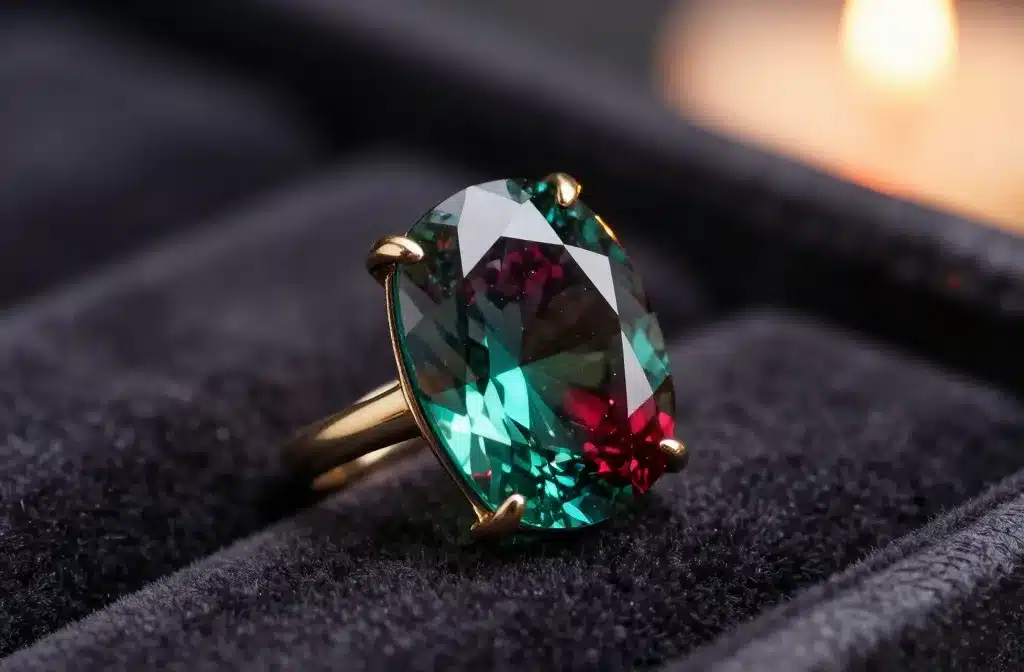
Some gems seem to hold twilight inside them. Tilt them under a lamp or walk from daylight into a cozy room, and the stone sheds one color for another, as if it remembers two different skies. That moment never gets old, even for seasoned collectors.
Color-changing gems blend science with theater. You’ll see how a stone’s atomic structure toys with light, why some crystals blush in candlelight, and which varieties showcase the most dramatic shifts. You’ll also learn how to judge quality, spot imitations, and care for these mercurial treasures so they keep their magic for generations.
If you’re curious about the legends and the lab facts—or you’re hunting for a showstopping ring—you’re in the right place. Let’s open the jewelry box and watch the colors move.
Why Do Some Gemstones Change Color?
Color change isn’t a trick coating or a mood ring gimmick. It’s the gem’s chemistry interacting with light sources that have different spectral balances. Daylight and LED-rich white light are weighted toward blue wavelengths; incandescent and candlelight lean warm with more red and orange. A color-change gem absorbs certain wavelengths more strongly than others. Shift the light, and the balance of absorbed versus reflected wavelengths tilts—your eyes register a different dominant hue.
In alexandrite, trace chromium in chrysoberyl’s crystal lattice creates a narrow window of absorption. Under cool daylight, the green component wins; under warm indoor light, reds rise to the surface. Other species—garnet, sapphire, spinel, and even a few rare tourmalines—can show subtler but still tempting shifts. This phenomenon is distinct from pleochroism, where a single light source produces different colors depending on viewing direction. Color change is about the light itself, not just the angle.
The Headliners: Gemstones Famous for Color Change
Several species are known for this chromatic theater, but a few deserve marquee billing:
- Alexandrite (Chrysoberyl): The gold standard. Fine stones show a strong green to bluish-green in daylight and red to purplish-red in incandescent light. Origin stories often point to Russia’s Urals, but today’s top material may also come from Brazil, Sri Lanka, Tanzania, and Madagascar. Mohs hardness 8.5 makes it a sturdy choice for rings.
- Color-Change Garnet: A complex mix of pyrope, spessartine, and sometimes almandine can yield dramatic shifts—often greenish to brownish in daylight, then rose to raspberry or purple indoors. Some rare stones rival alexandrite for intensity, though sizes above 2–3 carats are uncommon.
- Color-Change Sapphire: Usually shifts from bluish to violet or from gray-blue to purple. The change is typically subtler than alexandrite’s. Sapphires rank 9 on the Mohs scale and handle daily wear very well.
- Color-Change Spinel: Underappreciated and increasingly collectible. Expect bluish to purplish transitions or gray-green to mauve. Spinel’s high luster and crisp transparency make the effect elegant rather than flashy. Mohs 8.
- Color-Change Diaspore (often sold as “Zultanite” or “Csarite”): Displays champagne-to-kiwi hues in daylight, shifting to pinkish-beige or light raspberry under warmer light. It’s softer (Mohs 6.5–7) and often cut for brilliance with long facets to tease out the shift.
How to Judge the Quality of Color Change
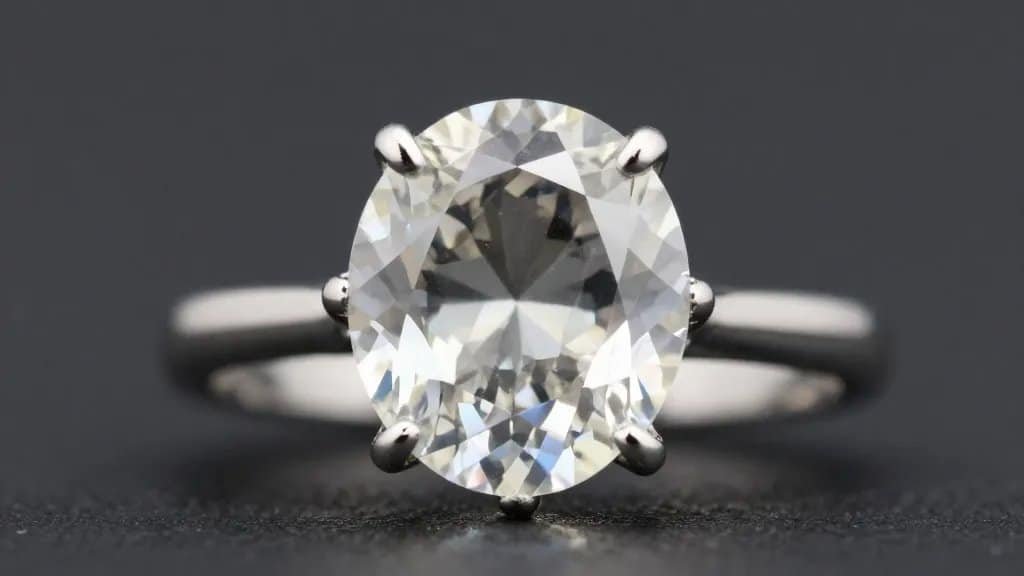
Evaluating these gems involves more than a casual glance. Experts look for three core metrics:
- Strength of Change: The percentage of color that flips between light sources. Dealers sometimes describe changes as weak, moderate, strong, or vivid. A vivid 80–100% shift commands a premium, especially if the two colors are far apart on the spectrum (green to red beats blue to purple in terms of rarity and romance).
- Attractiveness of Both Colors: It’s not enough to dazzle indoors if daylight leaves the stone dull. Top alexandrite, for example, looks lively green in daylight and rich red in incandescent—both sides should sing. Muddy or grayish tones reduce value.
- Clarity and Cut: Inclusions can soften transparency and blur the change. A clean stone with a balanced, lively cut will show a crisper transition. Ovals, cushions, and emerald cuts suit many color-change gems, while round brilliants are rarer due to weight loss, but they can intensify sparkle.
Carat weight still matters, but with color-change stones, a smaller gem with a vivid flip often outprices a larger stone with a weak or muddy one. If you track pricing across a Gemstone Value Guide, you’ll see the premium attached to a strong, attractive change.
Origins and What They Mean for Value
Provenance can influence price, though the stone’s actual performance should dominate your decision. Historic Russian alexandrite remains the benchmark: saturated greens and velvety reds with remarkable clarity. Those are scarce and carry collector-level prices. Modern sources add diversity:
- Brazil: Can yield bright, crisp alexandrite with impressive change, sometimes slightly more bluish in daylight and raspberry indoors.
- Sri Lanka (Ceylon): Often larger crystals with a softer color palette and sometimes lighter tone, appealing to buyers who prefer airy brightness.
- East Africa (Tanzania, Madagascar): Known for intriguing mixes in garnet and spinel, with some stones showing complex, layered hues.
For garnets, specific localities like Bekily (Madagascar) and Umba (Tanzania) are famous among collectors. Spinel’s color-change varieties also trace to a handful of East African deposits. Country of origin certificates, while not always essential, can help with market confidence and future resale, especially for Collector Gemstones.
Real vs. Fake: What to Watch Out For
The market hosts a few lookalikes. Being able to tell them apart protects your budget and your pride:
- Synthetic Alexandrite (Lab-Grown Chrysoberyl): Chemically identical and capable of a dramatic color flip. This isn’t a “fake” stone, but it’s not natural. Reputable labs will distinguish natural vs. lab-grown on a Gemstone Identification report.
- Alexandrite-like Corundum (Synthetic Sapphire): Produced in vivid teal-to-magenta or blue-to-reddish purple changes. Attractive but inexpensive. Microscopic curved growth lines and gas bubbles often give it away.
- Glass or Coated Material: May show surface color play rather than a true body color change. Look for suspiciously mirror-like surfaces, abraded coatings near facet edges, and unnaturally loud colors that don’t shift cleanly.
Authenticating a fine stone typically requires a gemological lab that can read absorption spectra, diagnostic inclusions, and trace-element chemistry. If you’re investing, request a report from a respected lab—an easy step that saves headaches later and pairs well with a thorough Gemstone Buying Guide.
How Light Tricks Your Eyes: Practical Viewing Tips
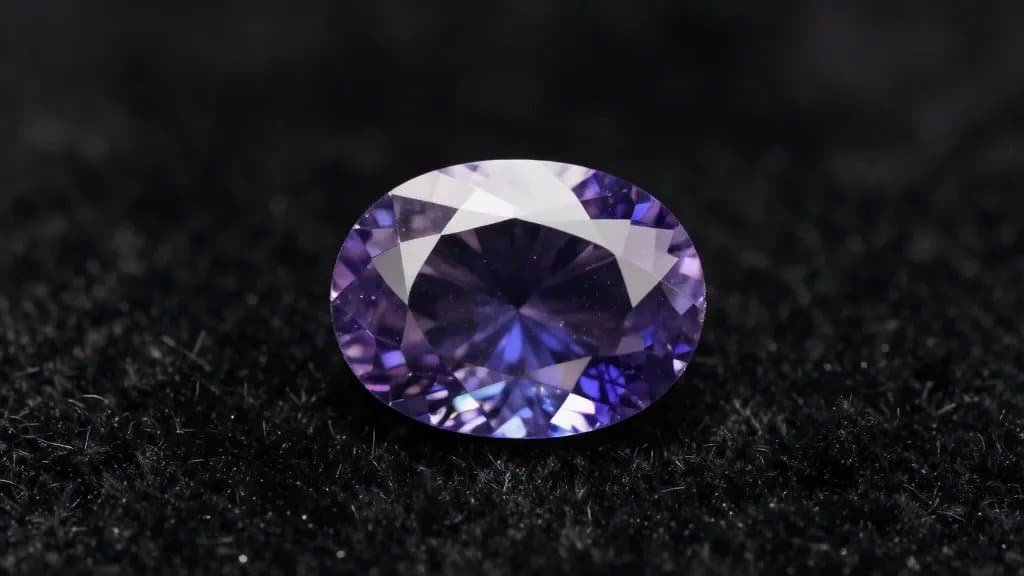
To judge a color-change gem fairly, test it under at least two controlled light sources:
- Daylight or daylight-equivalent LED (5000–6500K): Observe near a window or under a high-CRI daylight lamp. Check the dominant hue, saturation, and brightness.
- Incandescent or warm LED (2700–3000K): Look for the change to red, purple, or pink tones. Incandescent bulbs often reveal the most dramatic shift.
Avoid mixed lighting—a shop lit with cool overhead LEDs and warm display spots can confuse your eyes. Move the gem from one environment to the other and give your vision a second to adjust. If possible, evaluate on a neutral background (gray or white) and compare a loose stone against a mounted one since metal color can influence perception. Jewelers who understand Gemstone Colors can help you control the setup.
Durability, Wearability, and Everyday Care
Color-change stones span a range of hardness and toughness, which affects how you wear them:
- Alexandrite: Mohs 8.5 with good toughness—excellent for rings and bracelets. Holds a polish well, resists everyday abrasions.
- Sapphire and Spinel: Mohs 9 and 8 respectively—outstanding for daily wear. Ideal in engagement rings or Gemstone Earrings that may brush hair and skin constantly.
- Garnet: Typically Mohs 7–7.5 with fair to good toughness. Fine for rings if set protectively; pendants and Gemstone Necklaces are carefree options.
- Diaspore: Mohs 6.5–7 with perfect cleavage—avoid hard knocks and prong stress. Beautiful in pendants or earrings; choose ring settings with bezels or protective halos.
Cleaning is straightforward: warm water, mild soap, soft brush, and a pat dry. Avoid ultrasonic and steam cleaners for diaspore and heavily included stones. Store separately in soft pouches to prevent harder gems from scuffing softer ones. A refresher from a Gemstone Care guide never hurts before you clean your whole jewelry box.
Symbolism, Myths, and Modern Meaning
Color-change gems carry a whisper of duality—balance, adaptability, and hidden depths. In lore, alexandrite symbolized luck and discipline, said to harmonize physical and spiritual energy. Some modern wearers embrace the shift as a reminder that identity can be fluid and resilient. Because alexandrite was reportedly discovered on the day Tsar Alexander II came of age, it picked up patriotic ties in Russia and a reputation for nobility.
While not a traditional monthly birthstone, alexandrite appears in some modern lists for June as an alternative to pearl and moonstone. This makes alexandrite and its cousins thoughtful Gemstone Gifts for milestone June birthdays or anniversaries, especially for those who want a piece with a story.
Buying Advice: Smart Choices for Every Budget
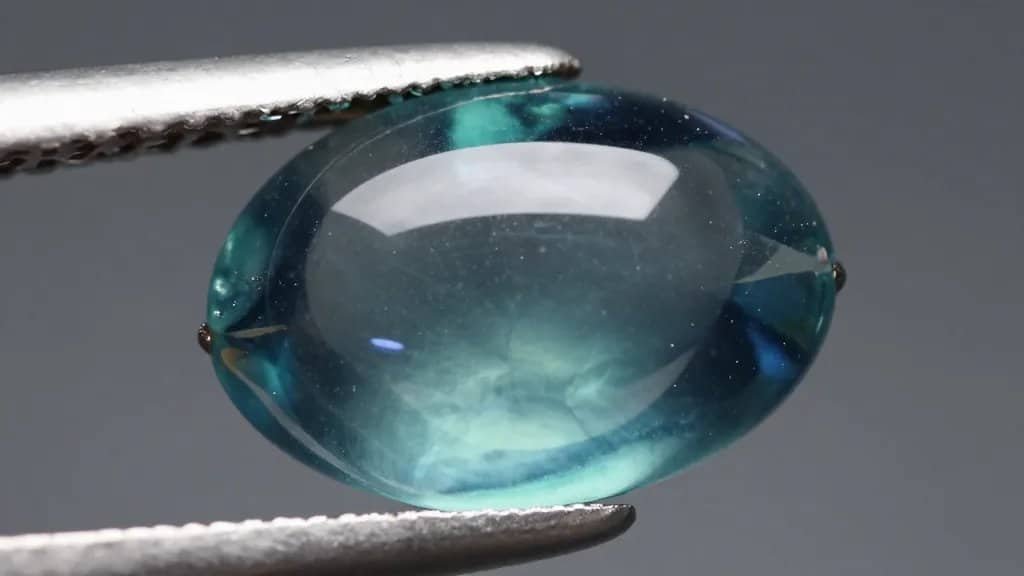
First, decide what enchants you most: a bold green-to-red flip, a refined blue-to-violet wink, or a warm champagne-to-raspberry mood. Then consider these guidelines:
- Set Your Priorities: If you want the most dramatic change, alexandrite and select garnets lead. If durability for a ring is paramount, sapphire and spinel are safe companions for everyday life.
- Go Smaller, Go Better: A well-cut 0.60 ct alexandrite with a vivid shift can outshine a 1.50 ct with a weak transition. Focus on quality of change over size.
- Certificates Count: For high-value stones, a lab report verifying species, natural origin, and any treatments helps with both peace of mind and future resale. It’s part of diligent Gemstone Identification.
- Ask for Light Tests: View under both daylight and warm light before you commit. If buying online, look for videos under multiple light sources and ensure a solid return policy.
- Consider Mounting: Colored metals influence perception. Yellow gold can warm the daylight green of alexandrite; white metals keep greens crisp and reds cool and wine-like. For softer stones, request protective settings.
Treatments and Enhancements: What’s Typical?
Most color-change gems are not routinely treated to alter the phenomenon itself, though general treatments exist:
- Alexandrite: Heat treatment is uncommon and not generally used to induce color change. Beware of misrepresented synthetics rather than treated naturals.
- Color-Change Sapphire: Sapphires are commonly heated in the broader market, but heating doesn’t typically create a strong color-change effect from scratch. It may refine tone or clarity.
- Spinel: Usually untreated; this is a selling point. Any disclosed treatment should prompt extra questions.
- Garnet: Generally untreated. The change arises from composition, not enhancements.
- Diaspore: Typically untreated. Clarity enhancements are rare and should be clearly disclosed.
Always ask for disclosure. Transparent communication is standard among reputable dealers, especially those who cater to enthusiasts steeped in Gemstone Facts and Gemstone Myths.
Collecting Color-Change Gems: Rarity and Resale
For collectors, two factors drive excitement: scarcity and spectacle. Natural alexandrite with a sharp green-to-red shift is one of the most coveted modern gemstones. Fine color-change garnets also rank high because they blend geological complexity with surprising beauty. Spinel, long underrated, has been climbing in prestige—color-change specimens hint at the species’ depth and diversity.
If you’re curating a small but potent case, aim for variety: one stone with a dramatic contrast (alexandrite or garnet), one with an elegant subtlety (spinel or sapphire), and one “mood” stone (diaspore) that keeps you staring as the room gets dimmer. Keep lab reports with each piece and record purchase details; a tidy paper trail adds polish to any future sale and sits nicely alongside references such as Gemstone History or Gemstone Comparisons when discussing provenance.
Jewelry Ideas That Make the Most of the Shift
Color change rewards motion and varied lighting, so think about where and how the jewelry will be worn:
- Rings: Perfect for daily transitions—from office daylight to warm restaurant light. Consider halo settings with colorless diamonds to frame both hues without overpowering them. For softer stones like diaspore, choose protective bezels or low-set halos.
- Earrings: Great for dinner and evening wear, where warm light brings reds and purples to life. Drops and leverbacks encourage movement that catches light from different angles.
- Pendants and Necklaces: The chest is a lighting crossroads; pendants bask in mixed light as you move. Solitaires with airy prongs let light in, but closed-back designs can intensify warmth for that indoor glow.
- Bracelets: Less common in color-change stones due to knock risk, but alexandrite and sapphire stand up well. Consider channel settings or protective links.
For Gemstone Rings intended as heirlooms, prioritize durability and ease of maintenance. For Gemstone Earrings meant for special occasions, go for the most dramatic color flip your budget allows.
Common Mistakes to Avoid
- Judging in Mixed Lighting: Always compare under clearly cool and clearly warm light or you’ll underestimate the change.
- Chasing Carat Over Change: A bigger stone without a strong shift can disappoint. Prioritize the effect.
- Skipping Documentation: For significant purchases, get a lab report. It protects your investment and clarifies natural versus lab-grown.
- Ignoring Wearability: A perfect diaspore deserves a pendant if you’re hard on your hands. Match stone to lifestyle.
- Overlooking Cut: A lifeless cut can mute even a capable color-change gem. Choose stones that sparkle in both lights.
FAQ
Do color-change gemstones also show pleochroism?
Some do, but they’re separate effects. Color change depends on light source; pleochroism changes color with viewing direction. Alexandrite exhibits both: a light-driven change plus directional color nuances.
Which color-change gem is best for an engagement ring?
Alexandrite, sapphire, and spinel are the top choices for durability. Alexandrite offers the most famous shift; sapphire and spinel provide toughness and value stability.
Why does my stone look different at home than in the store?
Stores often use mixed lighting or warm spotlights. Test your stone under daylight near a window and under a warm lamp at home to understand its full range.
Are lab-grown color-change stones collectible?
They’re excellent for jewelry and budget-friendly wow factor, but natural stones lead in long-term collectibility and rarity appeal.
Can treatments increase color change?
There’s no routine treatment that reliably creates a strong change in natural stones. The phenomenon arises from the gem’s inherent chemistry and crystal structure.
Is there a quick at-home test for authenticity?
You can compare colors under two light sources, but that won’t prove natural origin. For certainty, seek a professional Gemstone Identification report.
How rare is a true green-to-red alexandrite?
Exceptionally rare, especially in clean stones over 1 carat with vivid change. That’s why prices can rival Precious Gemstones like ruby or sapphire.
Final Thoughts
Color-changing gemstones reward attention. Their shifting hues capture the romance of light itself—cool greens and blues by day, wine-rich reds and violets by night. If you learn to evaluate the strength and beauty of the change, confirm authenticity, and choose a setting that suits your lifestyle, you’ll own jewelry that never shows the same face twice—and that’s the kind of magic worth collecting.

Christian Grey is the creator of GemMeaning, where he shares simple insights about crystals, gemstone meanings, and spiritual guidance. His focus is on making complex ideas easy to understand and practical for everyday life.