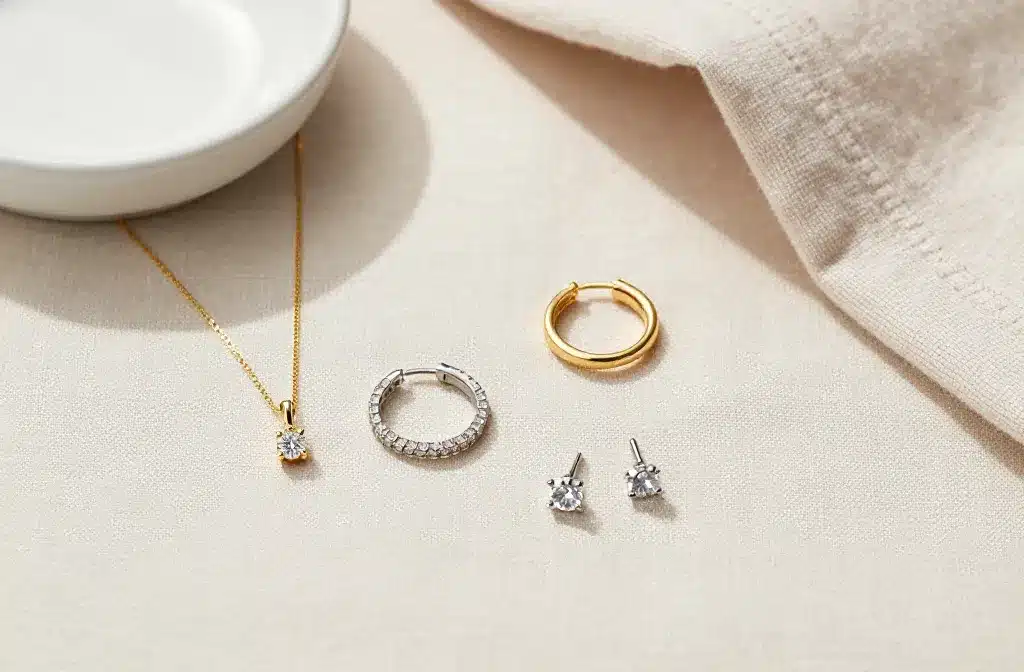
Some pieces earn a spot in your daily lineup because they look good with anything. Others stay on because they’re meaningful. April’s birthstone manages both. It’s brilliant enough to light up a plain T‑shirt, sturdy enough for years of wear, and rich with symbolism people genuinely connect to.
If you’ve wondered what makes April birthstone jewelry so enduring—or how to choose pieces that won’t feel fussy or fragile—this guide gets practical. You’ll learn which stones qualify for April beyond the obvious, how to judge quality with a quick glance, and the designs that stand up to everyday bumps and busy schedules.
I’ll also share care tips that actually work, smart buying advice, and a few ways to personalize daily jewelry without losing the timeless, clean sparkle that defines April’s gem.
By the end, you’ll know exactly what to look for, what to avoid, and how to make April birthstone sparkle part of your everyday story.
What Counts as the April Birthstone Today?
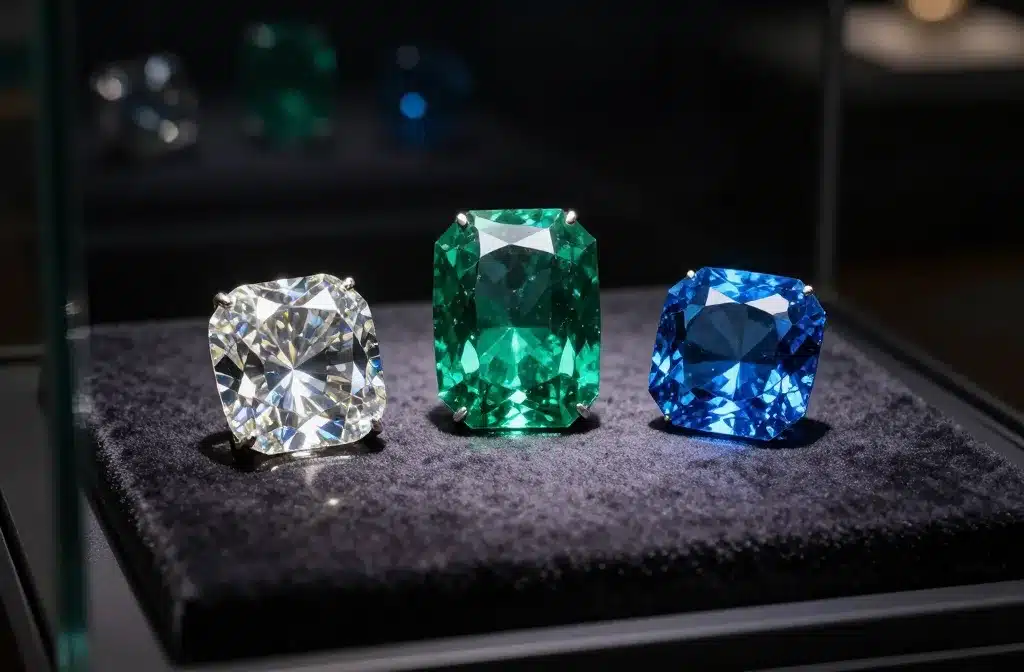
Traditionally, April belongs to the diamond. It’s the gemstone people picture when they imagine icy brilliance: colorless, mirror-polished, and full of quick flashes of white fire. Diamonds rate a 10 on the Mohs scale, which makes them the hardest known natural gemstone. That hardness is a big reason they’re perfect for daily wear.
Modern jewelry has welcomed alternatives that echo a diamond’s brightness without the same price tag. White sapphire (Mohs 9) and moissanite (Mohs 9.25) aren’t official April birthstones, but many people choose them for April-themed jewelry because they’re durable and bright. White topaz can be an option too, though it’s softer (Mohs 8) and needs a bit more care. Lab-grown diamond sits squarely in the “real diamond” category—it’s chemically and optically the same as natural diamond, simply formed in a lab instead of deep in the Earth.
So if you’re after April birthstone jewelry for daily wear, think in terms of diamond and its very close stand-ins. The right choice depends on your budget, lifestyle, and what kind of sparkle speaks to you.
Why Diamond Works for Everyday: Beauty That’s Built Tough
Diamond’s day-to-day appeal is more than just shine. The combination of hardness and high refractive index (how strongly it bends light) creates a clean, punchy sparkle that reads as chic rather than showy. In good lighting, a well-cut diamond throws sharp white flashes and rainbow sparks. In softer light, it glows with a quiet, glassy brightness.
Hardness means it resists scratching from nearly everything else you’ll encounter. It doesn’t mean indestructible—diamonds can chip if hit hard at a vulnerable angle—but compared to most gems, they shrug off daily abrasion. That’s not the case with softer stones that slowly “frost” or lose polish along the facets from everyday rub.
The other reason diamond looks good every day is neutrality. colorless stones don’t fight with fabrics, skin tones, or other metals. A crisp white diamond in yellow gold or platinum is the jewelry equivalent of a white oxford shirt: timeless, clean, never out of place.
Understanding Sparkle: Cut, Not Just Carat
For daily wear, the most important value factor is cut quality. A superb cut makes a small stone look lively; a poor cut makes a larger stone look sleepy. Cut governs how light enters, bounces around, and returns to your eye.
Here’s the short version for choosing sparkle that holds up in everyday lighting:
- Round brilliant cuts are the most forgiving. They’re engineered for maximum brightness across lighting conditions.
- Fancy shapes (oval, cushion, emerald, pear, marquise, princess) can be gorgeous, but brilliance varies. Ovals and pears can show a “bow-tie” shadow; emerald cuts emphasize glassy flashes over fireworks. That can be elegant, just know the vibe.
- Look for excellent or ideal cut grades for diamonds from reputable labs. If you’re viewing moissanite or white sapphire, judge with your eyes—tilt the stone under diffused light and see if it stays bright or goes dull.
- In small sizes, prioritize cut over color and clarity. A well-cut 0.20–0.50 ct stone punches above its weight.
Carat weight is simply size, not quality. For daily jewelry, many people find the sweet spot around 0.10–0.75 ct per stone—balanced, wearable, and still eye-catching.
Color, Clarity, and Real-World Choices
Perfection on paper can be expensive. The good news: you don’t need it for everyday sparkle.
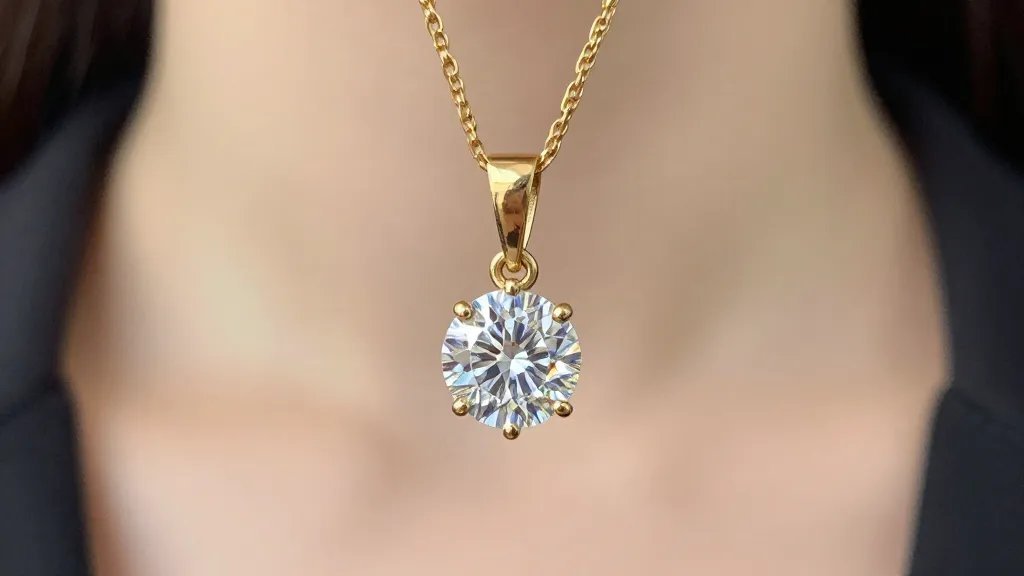
- Color: In white metals (platinum, white gold), aim for near-colorless (G–I) to keep the look crisp without overspending. In yellow or rose gold, you can slide to J or even K; the warm metal masks a whisper of body color and creates a cozy glow.
- Clarity: Eye-clean is what counts. Most SI1–SI2 diamonds are eye-clean in small to medium sizes, especially if inclusions are off-center. For larger center stones, VS2 to SI1 usually balances price and appearance. With emerald cuts, step faceting shows inclusions more easily, so lean a touch cleaner.
- Fluorescence: Faint to medium blue fluorescence can be a bonus in near-colorless diamonds, sometimes making them face up whiter outdoors. Strong fluorescence occasionally causes a milky look; always view the stone in different lights if fluorescence is strong.
If you’re considering alternatives: moissanite tends to show strong rainbow dispersion (more “fire” than diamond), which some love and others find too flashy. White sapphire is bright but has gentler sparkle, more like sunlit water than a strobe of fire. White topaz can look lovely new, but it will show facet wear faster with everyday friction.
Natural vs. Lab-Grown Diamond for Everyday Wear
Both natural and lab-grown diamonds are real diamonds. Same chemical composition, same hardness, same brilliance. For daily jewelry, durability is identical.
The difference lies in rarity and price. Lab-grown stones typically cost significantly less for the same size and quality. That lets you prioritize a better cut or a slightly larger stone without stretching the budget. If natural origin and geological history matter to you—carbon crystalized under colossal pressure over millions to billions of years—natural has that romance. If you want maximum sparkle per dollar, lab-grown is hard to beat.
Identification-wise, reputable sellers disclose origin. Advanced instruments can tell them apart by subtle growth features, but to the naked eye, they look the same. If you want to learn more later, explore topics like Gemstone Identification and Gemstone Value Guide to understand how labs grade and certify stones.
Everyday Designs That Wear Beautifully
The mounting matters as much as the stone. For jewelry you can live in, choose designs with balanced protection and polish.
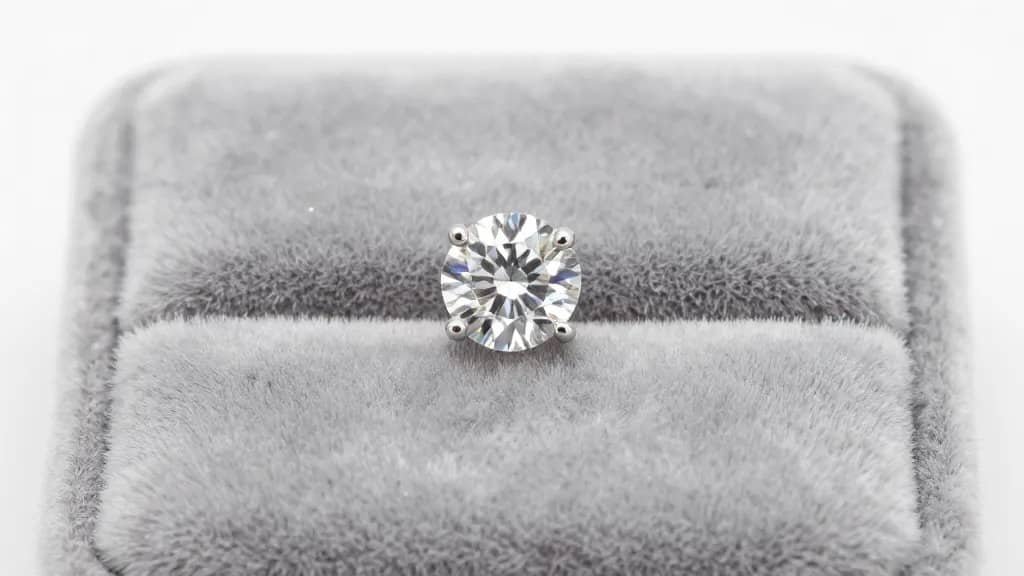
- Stud Earrings: Round or cushion studs between 0.15 and 0.75 ct each are effortless. Four-prong baskets maximize light; three-prong “martini” settings sit closer to the earlobe. Screw backs or locking backs reduce the risk of loss.
- Solitaire Pendants: A single diamond on a fine chain lands right in the collarbone’s hollow. Bezel or partial-bezel settings protect the girdle; prongs give a more open sparkle. A slider or integrated bail keeps the stone facing forward.
- Stackable Bands: Channel or bezel-set diamond bands resist snagging. If you type a lot, consider low-set pavé with solid sidewalls. Full eternity rings look seamless but can be harder to resize; half-eternity offers flexibility.
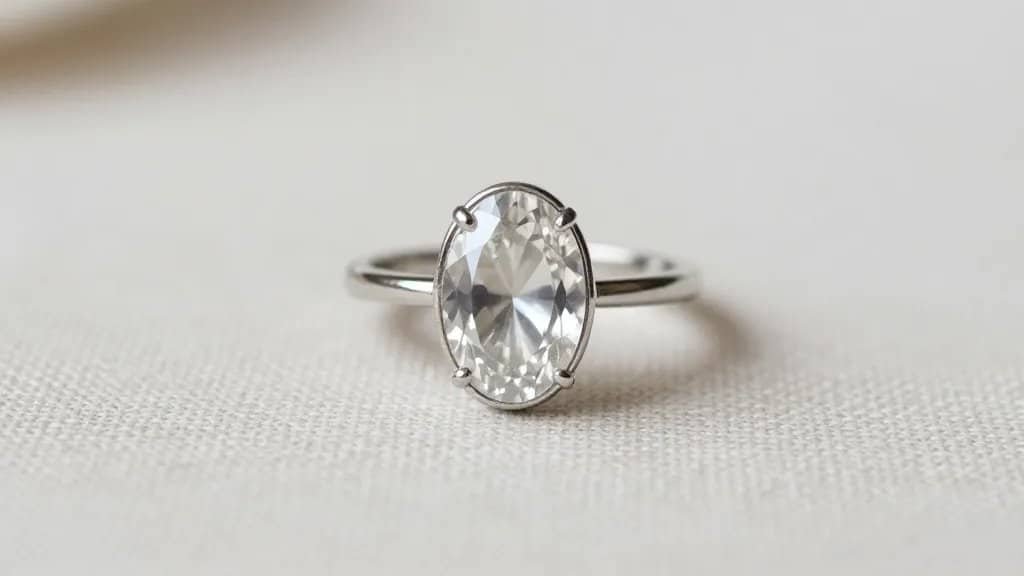
- Everyday Rings: An east-west marquise or oval solitaire in a bezel is modern and practical. For prong solitaires, ask for slightly thicker prongs and a low-set head. Consider cathedral shoulders for extra security without bulk.
- Tennis Bracelets and Necklaces: For daily wear, look for flexible links with strong box clasps and safety latches. Smaller stones (0.03–0.10 ct each) keep it wearable and easier to maintain.
Metal choice influences the mood. Platinum is dense, naturally white, and hypoallergenic. White gold is bright but needs rhodium replating eventually to maintain its cool tone. Yellow or rose gold adds warmth and can be flattering on many skin tones, especially with slightly tinted diamonds.
How to Spot Quality Quickly: A Gem Enthusiast’s Checklist
In a well-lit shop or at home with a parcel box, you can assess a surprising amount with simple observations:
- Face-Up Brightness: Tilt the stone under indirect light. Does it stay lively, or does it window (go see-through in the center)? Consistent brightness is a cut win.
- Pattern: In round brilliants, look for crisp, balanced contrast—no dull gray patches. In step cuts (emerald/asscher), expect broad, mirror-like flashes and symmetrical “hall of mirrors” steps.
- Prongs and Bezels: Even, snug, and neatly finished. No gaps, no sharp corners to snag cashmere or hair.
- Polish and Symmetry: A smooth, mirror-like surface without haze. Facet junctions should meet cleanly.
- Chain and Findings: On pendants or bracelets, check for soldered jump rings and sturdy clasps. The weak link is often—literally—the link.
Certification helps for larger diamonds. A grading report from GIA or AGS for natural diamonds (and from IGI or GIA for lab-grown) anchors what you’re seeing. Still, trust your eyes. If one stone sings in normal room light while another only looks good under the showcase spotlight, choose the singer.
Symbolism and Meaning Without the Clichés
Diamond’s symbolism often gets reduced to “forever,” but there’s more nuance worth wearing daily. Historically, diamond has stood for clarity—seeing things as they are—and for resilience. Warriors in ancient India and Rome carried diamonds as talismans for strength. In modern life, many people wear April birthstone jewelry to mark fresh starts, enduring friendships, or personal milestones that required grit.
Choosing a bezel-set solitaire to celebrate a career pivot or a scatter of tiny diamonds to honor each child’s birth—these are quiet stories you can tell in everyday pieces. That intimacy is part of diamond’s everyday magic: it catches light, and it keeps memories.
Alternatives That Still Earn Daily Wear
If you love the April look but want options, a few stand-ins deliver daily-friendly sparkle:
- Moissanite: Bright, hard, and budget-wise. Expect stronger rainbow flashes than diamond. In small sizes, it reads as diamond-like; in larger stones, the fire is more pronounced. Great for studs and pendants.
- White Sapphire: Durable and elegant with a silkier brilliance. It won’t mimic diamond perfectly, but it has a serene, watery glow many people adore. Polishing is excellent, and it keeps a refined look in bezel settings.
- White Topaz: Pretty and affordable for occasional wear. For true daily use, expect more frequent repolishing or replacement down the line due to facet wear.
For a deeper understanding of how these stones stack up, you might enjoy Gemstone Comparisons and Gemstone Hardness to see why certain materials last longer in daily settings.
Care, Cleaning, and Longevity
Even the toughest stones need a little care. The goal is to keep oils and soap film from muting the sparkle.
- Home Cleaning: A bowl of warm water with a drop of mild dish soap, soft brush, rinse, and pat dry. Do this weekly for pieces you wear daily.
- Ultrasonic Cleaners: Safe for diamonds and moissanite, but check your settings. Fragile pavé or stones with significant inclusions might be better off with gentle cleaning. White sapphire handles ultrasonics well.
- Avoid: Chlorine pools with karat gold jewelry (it can weaken soldered joints), abrasive cleaners, and rough storage that lets pieces knock around together.
- Checkups: Have prongs inspected annually. For tennis bracelets and rings, ask a jeweler to test clasp tension and tighten stones as needed.
A soft pouch or separate compartment prevents micro-scratches on metal. Diamonds can scratch other gems—store them apart from softer stones like opal or emerald.
Buying Smart: Budget, Ethics, and Confidence
Set your priorities early: size, cut, origin, or price. You can have two or three of those optimized; rarely all four. For daily jewelry, I’d prioritize cut and secure settings above all else.
- Budget Savers: Choose near-colorless over colorless, and eye-clean over flawless. Consider lab-grown for a bigger look without sacrificing quality.
- Ethics and Origin: Ask for responsible sourcing policies. Natural diamonds may come with origin programs; lab-grown avoids mining altogether. Both options exist from reputable suppliers.
- Return and Service: Favor sellers with clear return windows and service plans. Routine tightening, cleaning, and replating (for white gold) are part of the ownership experience.
If you’re exploring broader categories, topics like Gemstone Buying Guide, Gemstone Jewelry, and Birthstone Jewelry can help orient you before you choose.
Everyday Styling Ideas That Don’t Get Old
The trick to wearing April birthstone jewelry daily is balance. Pick one “anchor” piece, then layer lightly.
- The Clean Start: Tiny bezel diamond pendant and matching studs. Add a thin textured band with three flush-set diamonds. Wear with everything from denim to a blazer.
- Warm Glow Mix: J-color round in yellow gold pendant, paired with thin rose gold hoops and a scattered diamond satellite necklace. The gentle warmth feels lived-in and modern.
- Work-From-Anywhere: Low-profile diamond band, petite huggie earrings with pavé fronts, and a practical watch. Zero snag, high polish.
- Weekend Edit: Small moissanite studs and a white sapphire east-west bezel ring. Sporty, bright, and resilient enough for errands.
If you’re tempted by trends, try them in small, durable doses: a tiny marquise charm on a chain, a single pear drop earring, or a thin geometric bangle with bright-cut diamonds.
Myths vs. Facts: Clearing the April Air
- Myth: Diamonds are unbreakable. Fact: They’re the hardest gemstone, but a sharp blow can chip them. Sensible settings and occasional checks keep them safe.
- Myth: Bigger looks better. Fact: Poorly cut big stones can look dull. A smaller, ideal-cut diamond often outshines a larger mediocre one.
- Myth: Lab-grown diamonds are “fake.” Fact: They are real diamonds with the same physical and optical properties. The difference is origin and market value dynamics.
- Myth: White sapphire and moissanite look identical to diamond. Fact: Each has a distinct light performance. Some love moissanite’s extra fire, others prefer diamond’s crisp return or sapphire’s silky glow.
Quick Identification Tips for Everyday Owners
You won’t carry a lab in your pocket, but a few tells can help you understand what you’re seeing:
- Read the Sparkle: Diamond shows sharp white brilliance with controlled fire. Moissanite often shows bigger, more colorful flashes, especially in direct light.
- Double Refraction: Viewed with a loupe, moissanite can show doubled facet edges. Diamond is singly refractive. This is a jeweler’s trick, but curious owners can try it.
- Fog Test: Diamonds shed heat quickly; breath fog clears fast. Not conclusive, but a fun parlor check.
- Mounting Clues: Fine diamond jewelry often uses platinum or higher-karat gold, with sturdy prongs and careful finishing. That’s not proof, just context.
For deeper study, Gemstone Identification and Gemstone Facts are great next reads, especially if you enjoy the science behind the sparkle.
FAQs
Is lab-grown diamond durable enough for daily wear?
Yes. Lab-grown and natural diamonds share the same hardness and toughness. Durability is identical in everyday use.
What’s the easiest everyday piece to start with?
Small round stud earrings (0.20–0.50 ct each) or a bezel-set solitaire pendant. Both are low-maintenance and pair with anything.
Can I shower or swim with diamond jewelry?
Showering won’t hurt the diamond, but soap film dulls sparkle. Avoid pools and hot tubs with gold jewelry; chlorine can weaken solder joints.
How often should I clean my April birthstone jewelry?
Once a week at home with warm soapy water keeps it bright. Professionally clean and check settings once or twice a year.
Will moissanite or white sapphire scratch over time?
Moissanite is very hard and resists scratching well. White sapphire is durable but may show facet wear faster than diamond with heavy daily use.
Do I need a grading report for small diamonds?
For melee and small stones in earrings or bands, reports are uncommon. For center stones around 0.50 ct and larger, a report is helpful.
What metal is best for sensitive skin?
Platinum is a safe bet and naturally hypoallergenic. For gold, consider 18k or nickel-free alloys.
A Bright, Wearable Habit
April birthstone jewelry earns its everyday status by blending clarity, resilience, and effortless style. Choose a well-cut stone, set it in a practical design you’ll reach for instinctively, and keep it clean. Whether you pick natural diamond, lab-grown, or a thoughtful alternative, you’ll have a piece that lights up your day without demanding attention—and that’s the kind of sparkle worth wearing, again and again.

Christian Grey is the creator of GemMeaning, where he shares simple insights about crystals, gemstone meanings, and spiritual guidance. His focus is on making complex ideas easy to understand and practical for everyday life.