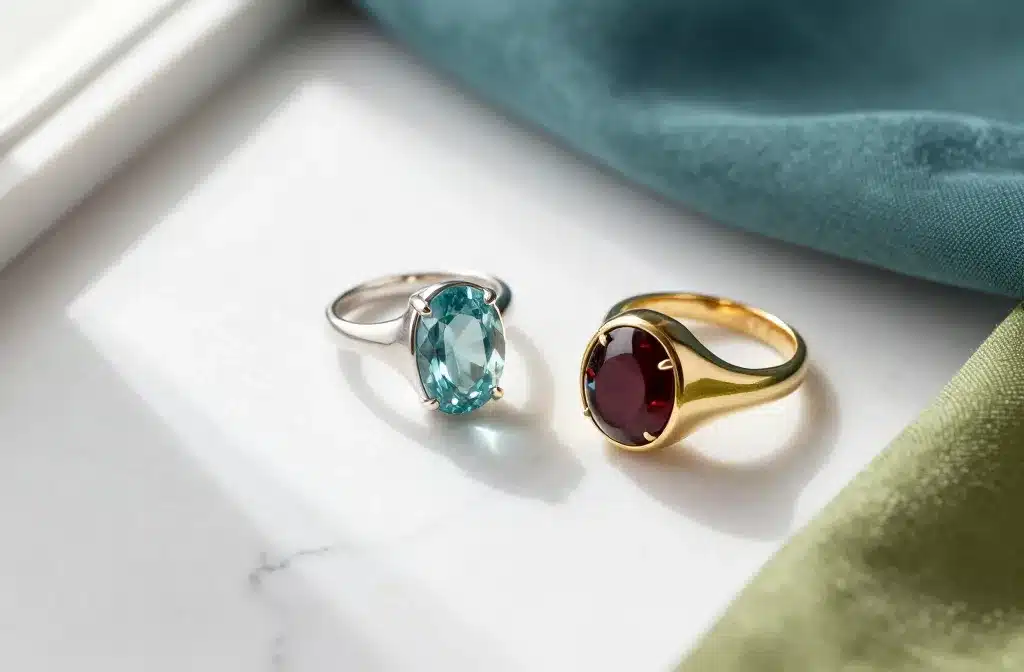
March is blessed with two birthstones that couldn’t feel more different—and that’s exactly why March jewelry is so much fun to style. On one hand, you have aquamarine, a pastel-blue spark that looks like sunlight passing through clear water. On the other, bloodstone, a deep green chalcedony flecked with crimson that whispers of ancient talismans and heirlooms.
This guide shows how each gem shines in modern settings, classic designs, and everything in between. You’ll see how color, cut, and metal choices influence the vibe, learn what to watch for when buying, and get practical care tips to keep your March birthstone jewelry bright and durable for years.
Whether you lean airy and minimalist or bold and earthy, there’s a March stone—and a setting—that will feel like it was made for you. Let’s explore the options with a gem lover’s eye and a stylist’s touch.
Here’s what you’ll find: a quick origin story, how aquamarine and bloodstone differ on the Mohs scale and in daily wear, design recommendations for rings, necklaces, earrings, and bracelets, value and treatment notes, plus collector insights and frequently asked questions.
Meet March’s Two Birthstones: Aquamarine and Bloodstone
Aquamarine is a member of the beryl family (cousin to emerald and morganite), known for its cool blue to blue-green hues. The color comes from iron within its crystal lattice. Most aquamarines today are heat-treated to soften green overtones and bring out that prized sky-blue. It typically forms as hexagonal crystals in pegmatites and has a vitreous polish that reads as crisp and glassy in finished gems.
Bloodstone, historically called heliotrope, is a dense, opaque variety of quartz (chalcedony). Its base color is dark green with distinct red to orange-red spots caused by iron oxide inclusions. Where aquamarine sparkles with internal light, bloodstone’s appeal is more surface-driven: a silky luster and a painterly, almost mossy pattern under the polish.
- Mohs hardness: Aquamarine 7.5–8 (durable for daily wear with some care); Bloodstone 6.5–7 (good, but softer and more susceptible to abrasion over time).
- Color impression: Aquamarine feels airy and luminous; Bloodstone feels earthy and grounded.
- Symbolism: Aquamarine is linked to calm seas, clarity, and communication. Bloodstone has a reputation for courage, vitality, and protection—legends say warriors carried it for strength.
Color and Clarity: How They Shape Your Style
For aquamarine, color saturation is key. The market favors medium to medium-strong blue with minimal gray. In bright lighting, fine stones show a clean, watery hue that stays blue, not washed-out. Clarity also matters; aquamarine is often eye-clean, so visible inclusions can lower value unless the cut is exceptional.
Bloodstone’s value rests on balance and contrast. Look for a deep, uniform green with distinct, well-placed red spots. Too few spots and the gem can look like generic green jasper; too many and the face appears busy. Well-polished bloodstone has a soft glow that complements matte and brushed metals beautifully.
- For cool-toned wardrobes: Aquamarine in white gold or platinum enhances icy blues.
- For warm, vintage moods: Aquamarine with yellow gold creates a nostalgic, sunlit contrast.
- For bold, organic looks: Bloodstone in oxidized silver or brushed yellow gold brings out the depth of the green and the drama of the red spots.
Aquamarine Jewelry Ideas for Every Aesthetic
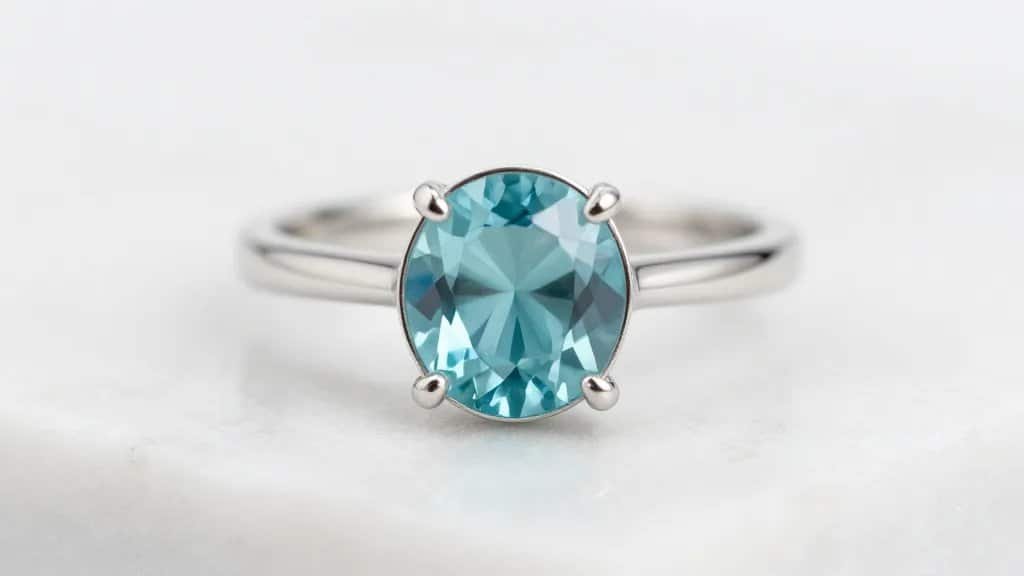
Aquamarine’s transparency and brilliance give designers room to play with light. The right cut and setting can nudge the stone from breezy minimalism to red-carpet glamour.
- Modern Minimalist: A slender emerald-cut aquamarine in a bezel setting on a fine white gold band. The long step facets echo ripples in water and show off excellent clarity. Pair with a whisper-thin matching band for a sleek stack.
- Classic Romantic: Oval aquamarine solitaire with a halo of tiny near-colorless diamonds. The halo intensifies color and adds fire without overshadowing the center stone. A scalloped gallery gives it vintage charm.
- Coastal Chic: Pear-shaped aquamarine pendant, high-polish bezel, on a longer chain (18–20 inches). The drop shape feels like a teardrop of seawater—effortless with linen and sundresses.
- Statement Earrings: Cushion-cut aquamarine drops with kite-shaped accents or baguette diamond stations. The geometric mixing keeps the look current while the pale blue remains soft and wearable.
- Art-Deco Inspired: Asscher-cut or carré-cut aquamarine framed by onyx or black rhodium details. The contrast adds snap to aquamarine’s pastel nature and suits tailored wardrobes.
- Daily-Wear Bracelet: Channel-set aquamarine baguettes or alternating round aquamarines with plain gold links. Baguettes read extra polished; rounds stay playful.
Cut matters immensely. Step cuts (emerald, Asscher) show off clarity and depth but can mute color in lighter stones. If your aquamarine is pale, choose brilliant cuts (oval, cushion, round) or add a halo or colored accent stones to amplify saturation.
Bloodstone Jewelry That Balances Edge and Elegance
Because bloodstone is opaque, it relies on silhouette, polish, and metalwork for drama. Think sculptural forms, masculine-feminine balance, and tactile finishes.
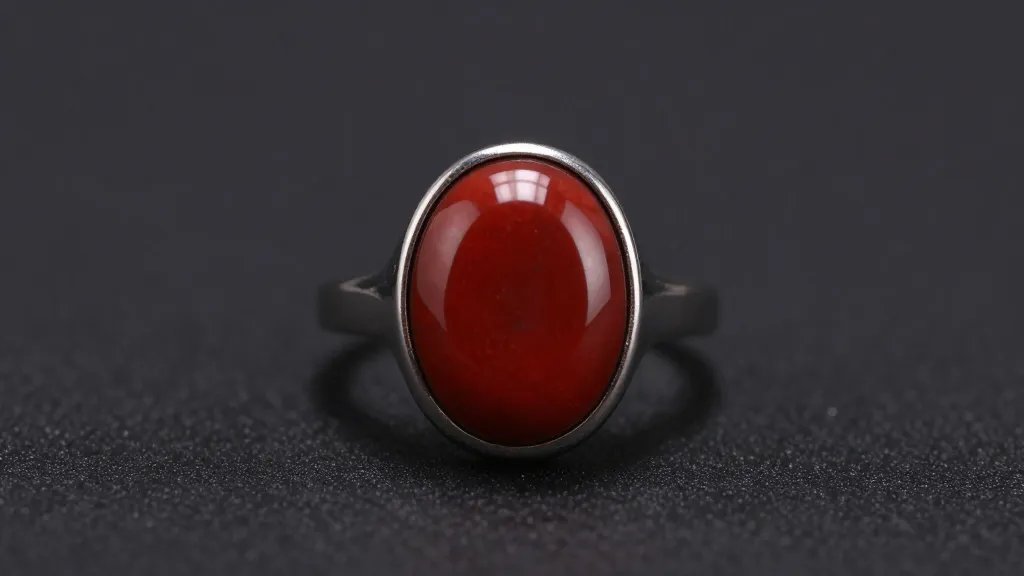
- Signet and Shield Rings: A rectangular or oval bloodstone tablet with a low dome, set flush in a solid gold or silver signet. Ideal for personalized engraving on the shoulders or inside the band. Understated power piece.
- Sculpted Pendants: Freeform cabochon bloodstone in a heavy bezel with a subtle hammer-textured frame. The stone’s natural pattern becomes the artwork; texture complements its earthy character.
- Cufflinks and Tie Bars: Classic for those who prefer discreet color. Choose stones with bright, crisp spots for a pop of red that shows even at small sizes.
- Chunky Bracelets: Beaded bloodstone bracelets look refined when combined with a single metal accent bead or a narrow bar of brushed steel. Great stacked with leather or matte onyx.
- Mixed-Metal Earrings: Small oval bloodstone cabochons in mixed yellow and blackened silver mountings. The contrast sharpens the green and makes the red flecks stand out.
For a gender-neutral approach, keep bezels flush, profiles low, and surfaces matte or satin. Bloodstone loves texture—hammered, brushed, or sandblasted metals mirror its grounded mood.
Origins, Treatments, and Value Factors You Should Know
Aquamarine sources include Brazil (Minas Gerais), Madagascar, Mozambique, Nigeria, and Pakistan. Santa Maria–colored aquamarine from Brazil (and similar hues from Mozambique) commands premiums for its rich blue. Most aquamarine is heated to improve color—a stable, widely accepted process that doesn’t require special care.
Value factors for aquamarine:
- Color: Medium-blue with minimal gray is most sought after. Very light stones can be less costly and suit ethereal designs.
- Clarity: Eye-clean is typical; visible inclusions drop value unless the design uses them as a talking point.
- Cut: Precision cutting yields crisp facets and lively returns of light. Poor cutting can make a fine stone appear dull.
- Size: Larger, richly colored aquamarines rise steeply in price per carat.
Bloodstone is found in India, Brazil, Australia, and parts of Europe. Fine old-stock Indian material often shows intense green with vivid, well-defined red spots. Treatments are uncommon; you may see waxing or oiling for surface luster, which is considered routine for many chalcedonies.
Value factors for bloodstone:
- Color Contrast: Dark, even green base with distinct red spots distributed attractively.
- Pattern: Clean “blood” spots over blotchy smears; some collectors enjoy mossy or dendritic patterns.
- Polish: A high, even polish brings out the gem’s glow; chips and pits reduce appeal.
- Shape and Size: Larger, well-cut cabochons with strong color patterns are scarce and more valuable.
If you want to dive deeper into pricing frameworks across species, a Gemstone Value Guide and Gemstone Comparisons can help contextualize aquamarine and bloodstone alongside beryl, quartz, and other Semi-Precious Stones.
Real vs. Imitation: Simple Identification Tips
Aquamarine is often imitated by blue glass or blue topaz. Blue glass tends to have gas bubbles and a softer look with lower brilliance; it also feels lighter for its size and has a “wetter” luster. Blue topaz is a different gem entirely—usually a more electric or Swiss blue with much higher refractive sparkle. If you see especially vivid blue at a bargain price labeled “aquamarine,” ask questions.
Quick pointers for aquamarine:
- Hue: Gentle to medium blue, rarely neon. Gray undertone is common; too bright may indicate topaz or synthetic spinel.
- Double Refraction: Beryl is doubly refractive; a jeweler can confirm with instruments. Glass is singly refractive.
- Inclusions: Natural aquamarine may show fine needles or growth tubes under magnification; glass often shows round bubbles.
Bloodstone can be confused with green jasper. Both are chalcedony, but true bloodstone shows distinct, often brighter red spots rather than dull brownish smears. Look for a deep green base and pinpointed or splashed red that stands out.
When in doubt, request a lab memo or speak with a professional who knows Gemstone Identification. For significant purchases, reputable sellers provide full disclosure of treatments and origins where known.
Which March Birthstone Fits Your Lifestyle?
Both stones make wonderful daily companions if matched to how you live and what you love to wear.
- For everyday rings: Aquamarine is fine at 7.5–8 Mohs, but protect it from hard knocks and prolonged heat. Bloodstone at ~7 benefits from low-set, protective settings like bezels or signets to prevent scratching.
- For active hands: Choose pendants, earrings, or bracelets over tall ring settings. A slender aquamarine pendant or a bloodstone bead bracelet stands up well to daily life.
- For subtle style: Pale aquamarine studs or a single baguette necklace. For moody minimalism: a thin bloodstone signet with a brushed finish.
- For statement moments: Large cushion-cut aquamarine cocktail rings or chandelier earrings. For powerful presence: a bold bloodstone cuff or oversized cabochon pendant.
If you enjoy exploring across color families, check Gemstone Colors and Gemstone Shapes to see how different palettes and outlines can echo your personal style beyond March stones.
Buying Smart: Clarity, Cut, and Certification
For aquamarine, prioritize a cut that keeps the face lively. Tilt the stone under different lights; a well-cut aquamarine flashes like a clean pool, not a foggy window. If you’re choosing online, look for multiple angles and a video. In descriptions, “eye-clean” and “medium blue” are positive signs; “windowing” (a see-through patch with no sparkle) or “noticeable gray” suggest caution.
For bloodstone, view the stone upright in natural light. Are the red spots visible at conversational distance? Does the surface take a uniform polish? Ask for macro photos to judge pattern and finish. Vintage pieces often feature fine old material; examine edges for signs of wear and request professional repolishing if needed.
Documentation: For high-ticket aquamarine, a gem lab memo (from a respected lab) may be worthwhile, particularly if origin or lack of treatments contributes to value. Bloodstone rarely needs lab verification unless you’re purchasing a rare or historically significant piece.
If you’re mapping out a purchase strategy, a Gemstone Buying Guide can keep you organized on budget, cut preferences, and how to compare listings across sellers.
Caring for Aquamarine and Bloodstone
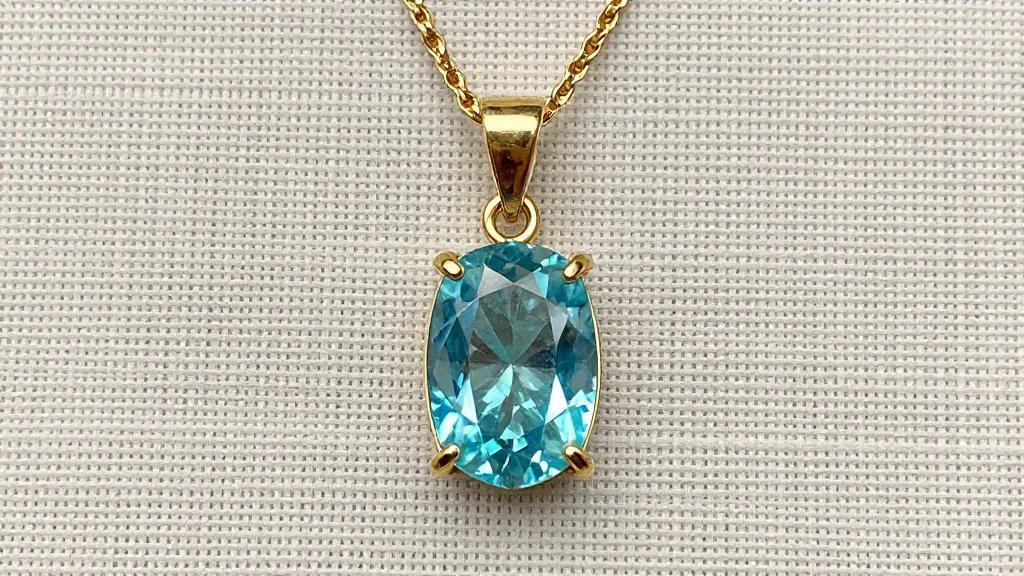
Aquamarine care:
- Cleaning: Warm water, mild soap, and a soft brush. Rinse well. Ultrasonic cleaners are generally safe for untreated stones without significant inclusions, but when in doubt, stick to manual cleaning.
- Avoid: Harsh chemicals, sudden temperature changes, and repeated knocks on countertops—edges and corners are most vulnerable.
- Storage: Separate from harder gems like sapphire and diamond to prevent scratches. Individual pouches or compartments work best.
Bloodstone care:
- Cleaning: Warm soapy water and a soft cloth. Avoid ultrasonic and steam cleaning; microfractures or porous areas may be affected.
- Avoid: Prolonged exposure to strong acids and abrasives. Chalcedony is tough but will show wear if rubbed against harder gems.
- Finish Refresh: A professional light repolish can revive luster on older cabochons.
For broader tips across species and settings, explore Gemstone Care and Gemstone Hardness for wearability insights.
Collector Notes and Interesting Facts
Aquamarine crystallizes in long hexagonal prisms; exceptionally clear crystals have been carved into monumental sculptures and goblets. Some stones show pleochroism—subtle shifts between blue and slightly greenish-blue depending on viewing angle. Fine Santa Maria–type blues remain the gold standard for collectors, and precision cutting can elevate a modest stone into a stand-out gem.
Bloodstone has one foot in myth and one in history. Medieval lapidaries credited it with healing and bravery; Renaissance signet rings often featured bloodstone intaglios, prized for the way the red “blood” lent drama to carved portraits. Collectors look for striking spot patterns—isolated bright drops or painterly clusters—and appreciate well-documented provenance, especially in antique jewelry.
FAQs
Is aquamarine too light for an engagement ring?
Not if you choose a stone with medium saturation and a lively cut. A halo or yellow gold can visually deepen color. Set low and protect edges to keep it looking fresh.
Does bloodstone only come with red spots?
Classic bloodstone shows red spots, but some material leans mossy with brown or orange tones. For strong “blood” contrast, look for crisp, bright red on a deep green base.
Can aquamarine be confused with blue topaz?
Yes. Topaz often appears more electric blue and shows stronger sparkle due to higher refractive index. Ask for details; reputable sellers label stones correctly.
Are aquamarines usually treated?
Most are heat-treated to improve color. It’s stable and accepted in the trade. Untreated stones with fine color are rarer and can cost more.
What metal pairs best with bloodstone?
Brushed yellow gold, warm rose gold, and oxidized silver all complement its earthy palette. Choose finishes that echo the stone’s matte-to-silky glow.
How do I size a bloodstone signet ring?
Signets wear differently due to wider shanks. Try on a similar-width band to confirm comfort, and account for finger swelling across seasons before final sizing.
What cuts flatter pale aquamarine?
Brilliant ovals, cushions, and rounds often enhance light color. Halos, closed-back bezels, or yellow gold can also enrich perceived saturation.
A Short Wrap-Up
Aquamarine and bloodstone offer two distinct paths for March birthstone jewelry: luminous serenity or earthy strength. If you gravitate toward clean lines and airy palettes, aquamarine thrives in sleek solitaires, delicate pendants, and light-catching earrings. If you prefer sculptural silhouettes and grounded color, bloodstone delivers character in signets, cuffs, and textured bezels. Choose the gem that resonates with your style, look for quality in color and finish, and care for it with a few simple habits—your March piece will reward you with years of beauty and meaning. For further exploration, peek into Gemstone Jewelry and Birthstone Jewelry to spark your next idea.

Christian Grey is the creator of GemMeaning, where he shares simple insights about crystals, gemstone meanings, and spiritual guidance. His focus is on making complex ideas easy to understand and practical for everyday life.