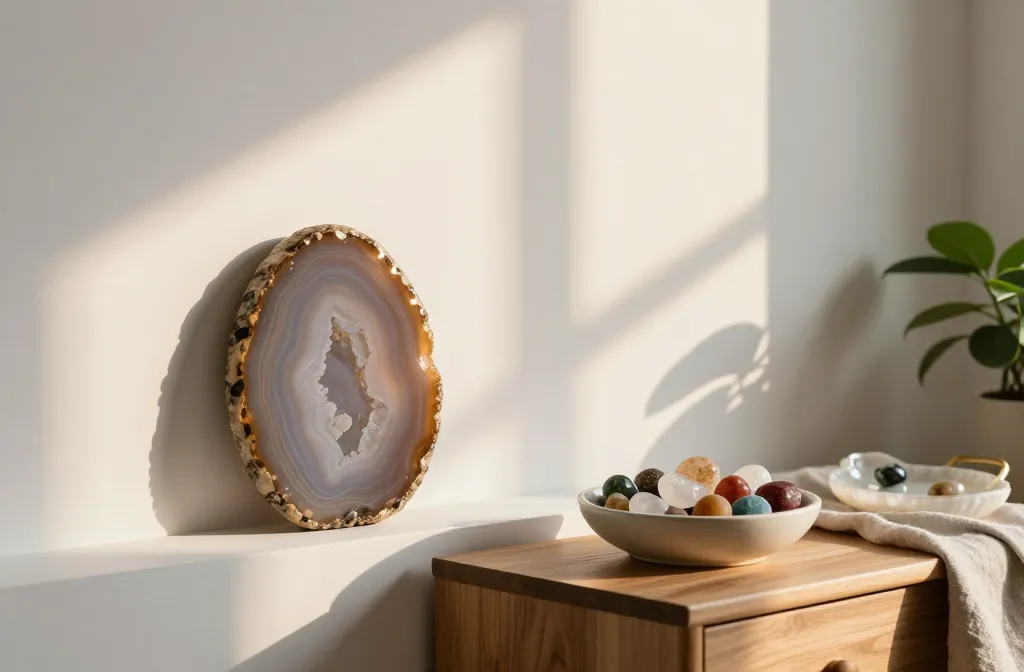
Rocks and gemstones carry a quiet presence that plastic decor can’t match. A polished agate slice on a windowsill throws ribbons of color across the wall. A bowl of tumbled quartz by the entry catches late-afternoon light and suddenly your home feels collected, intentional, and a little magical.
This guide shows you how to bring stones into every room with projects that are practical, safe, and beautiful. You’ll learn which materials hold up to daily life, clever ways to mount and arrange pieces, and how to choose colors and textures that complement your space. I’ll also sprinkle in tips from the gem bench—durability, Mohs hardness, identification clues, and what to avoid with dyed or treated stones.
Whether you already hoard pebbles from every trip or you’re just gemstone-curious, you’ll find projects that fit your style and skill level. No heavy tools, no intimidating lapidary setup—just honest materials and a few tricks that make rocks look elevated, not elementary.
Ready to turn your finds and favorite minerals into decor with purpose and polish? Let’s set each room up with something special.
Choosing the Right Stones for Decor (And Why It Matters)
Not all beautiful stones behave beautifully in a home. Durability counts. The Mohs Scale tells you how scratch-resistant a mineral is, and it’s a handy filter for decor choices. For surfaces that get touched often—coasters, handles, planters—aim for 6 and higher (quartz, agate, jasper). Softer beauties like selenite (Mohs ~2), calcite (~3), or fluorite (4) are best where they won’t be bumped or wetted.
Color and transparency set the mood. Opaque jaspers read earthy and grounded. Banded agates glow when backlit and make spectacular nightlights. Clear quartz amplifies brightness; amethyst adds meditative, cool purple; smoky quartz gives moody warmth. Raw textures feel organic; polished faces add shine and reflect ambient light.
Watch for treatments. Dyed agate is common—if the color looks neon, it probably is. Heat-treated amethyst becomes citrine; that’s fine for decor, but be aware if you’re buying for value. Stabilized turquoise (resin-infused) is stronger for daily wear and makes excellent inlay accents, while imitation “turquoise” made from dyed howlite chips may bleed color if wet. If you’re unsure, a quick scan through Gemstone Identification or Gemstone Myths topics helps you spot red flags before you buy.
Rule of thumb: if water, fingerprints, or drops are likely, choose quartz-family stones (agate, amethyst, citrine, rock crystal, jasper). Save soft or soluble stones (malachite, selenite, halite) for safe display spots.
Entryway and Living Room: Statement Pieces That Greet You
The entrance sets your home’s tone. Use pieces that are tactile and sturdy.
- Geode Catchall Tray: Large agate slabs (Mohs 7) take abuse and wipe clean. Stick slim silicone feet underneath, or mount the slab into a shallow wooden frame with clear epoxy. Look for slabs with natural edges; a gentle polish on the top keeps the banding crisp. Colors: teal, smoke-gray, caramel-banded agates blend easily.
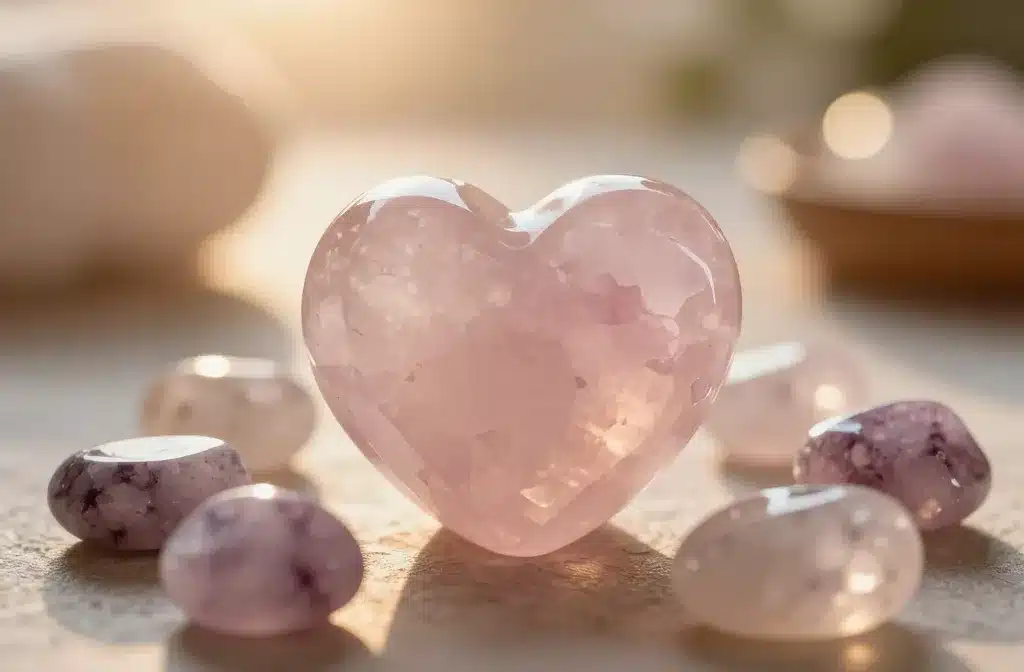
- Rock Bowl of Intention: Fill a shallow ceramic dish with tumbled stones—amethyst for calm, hematite for weight and shine, rose quartz for a soft blush. Tumbles are durable and child-safe if large enough. Choose a color story: all neutrals for calm, or mix pastel fluorite with clear quartz for sparkle. Rotate seasonally.
- Mantel Clusters: Compose in odd numbers: a tall quartz point, a medium amethyst cluster, a small jasper sphere. Vary textures—one raw, one polished, one carved. Try a simple rule: tallest at the back, darkest stone offset to one side, something translucent near a light source to catch glow.
- Bookend Brilliance: Agate geode halves make iconic bookends. Ensure they have a flat, stable base and felt on the bottom to protect shelves. Natural gray agate is timeless; druzy interiors add sparkle without feeling busy.
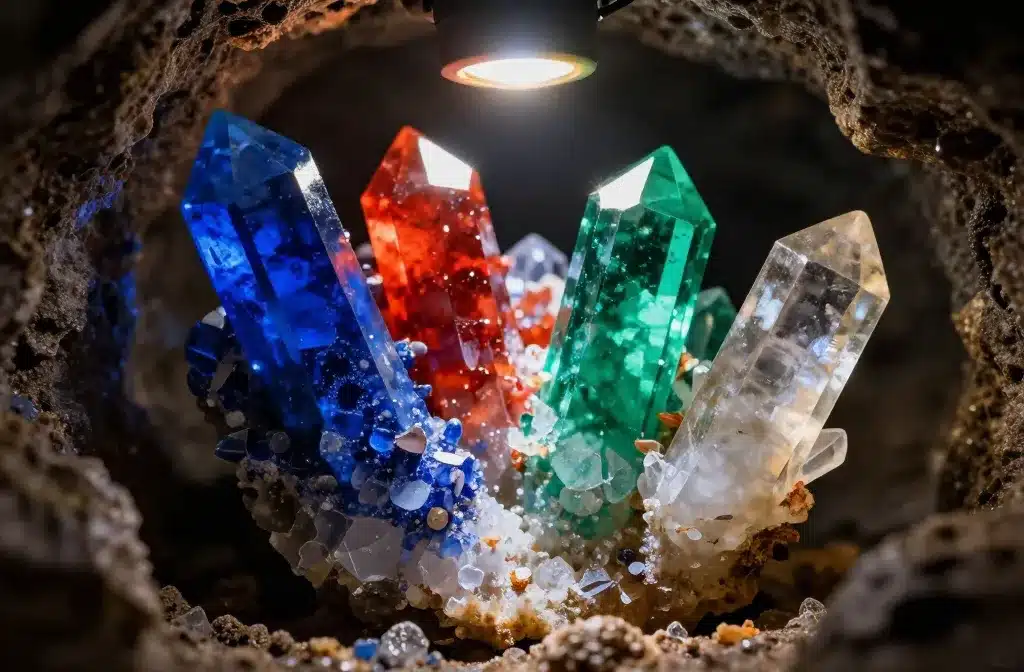
Geologically, agate and jasper are microcrystalline quartzes—tough, fine-grained, and perfect for surfaces. Large quartz clusters originate from Brazil, Madagascar, and Arkansas; look for tight crystal junctions with minimal crumbly matrix so they shed less.
Kitchen and Dining: Functional Stone Projects You’ll Actually Use
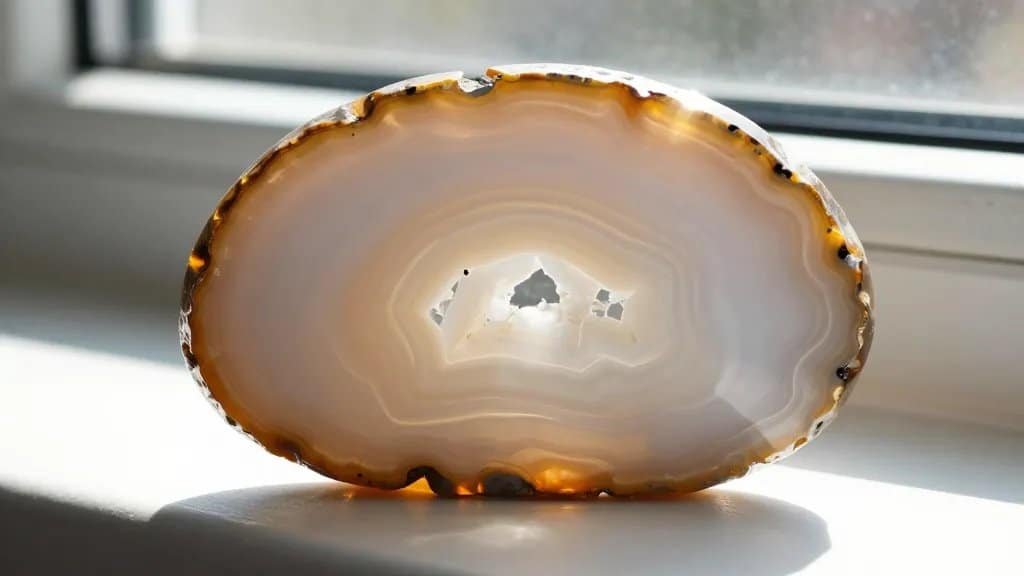
Stones in busy, wet rooms must be sealed or inherently durable. Avoid porous or soluble materials like selenite and halite here.
- Agate Coasters and Trivets: Use thick (5–8 mm) slabs for coasters; 10–12 mm for trivets. Add heat-resistant feet. Test stability with a hot pan before trusting it for serving. Natural agate withstands condensation and quick wipes. If dyed, seal edges with a food-safe resin to reduce color bleed.
- Mineral Spice Labels: Smooth pebbles (river quartz, jasper) make tactile jar markers. Write with oil-based paint pens and seal with water-based polyurethane. Choose pebble colors that hint at the spice—red jasper for paprika, green aventurine for herbs.
- Centerpiece Runner of Stones: Lay a linen runner and arrange flat tumbled quartzes, fluorites, and smoky chips in a meandering line. Keep heights under 2 cm so conversation flows. Add tea lights near clear stones—quartz throws dancing reflections across plates.
- Cabinet Pull Accents: Short, sturdy crystal points can be turned into drawer pulls with back-mounted hardware. Stick to quartz varieties for durability; test grip comfort. Avoid friable cluster tips; they’ll chip.
Care tip: Wipe quartz, agate, and jasper with mild dish soap and water. Dry promptly. Skip harsh acids on calcite-based stones like marble chips or travertine insets—they’ll etch.
Bedroom Retreat: Calming Gems and Soft Light
The bedroom rewards gentle colors and low-sheen textures. Think soothing, not showy.
- Selenite Night Bars: Satin selenite wands glow under warm LEDs and create a serene, moonlit effect. Selenite is soft (Mohs 2), so place it where it won’t be handled often. Never soak; it can degrade with water. Dust with a dry microfiber cloth.
- Amethyst Bedside Cluster: Pale lavender to deep grape points, often from Uruguay or Brazil, project a restful vibe. Look for tight, undamaged terminations. Place on cork or felt to protect furniture and reduce vibration if slammed shutters tend to rattle.
- Gem Drawer Sachets: Pair rose quartz tumbles with cedar chips or dried lavender in breathable pouches. The stones give weight and a cool touch; the botanicals add scent. Rose quartz’s soft pink pairs beautifully with linen and oak tones.
- Underlit Agate Slice: Mount an agate slice in a shadow box with a warm LED strip behind. Choose translucent agate with fine banding; avoid thick opaque cores if you want even glow. Cool grays read modern; natural caramels feel cozy.
Symbolism-wise, amethyst has long been linked to clarity and calm, while rose quartz is associated with warmth and compassion. Even if you treat those as poetic rather than literal, their colors and textures truly do shape the room’s mood.
Bathroom and Self-Care Nooks: Shine, But Choose Wisely
Steam, splashes, and cleaning products pose challenges. Favor quartz family stones and sealed surfaces.
- Quartz Counter Accents: Small bowls carved from clear quartz or smoky quartz hold cotton swabs or rings. These are hard-wearing and wipe dry easily. Beware of fractures; high-clarity bowls often command higher prices due to lower inclusion content.
- Agate Soap Dish: Choose a slab with a slight central depression or add a clear silicone grid for drainage. Use neutral banding to match most tile. Seal any raw edges with a thin epoxy layer to prevent dye bleed if the slice is treated.
- Avoid Selenite and Pyrite Here: Selenite can dull with moisture; pyrite can tarnish and even develop oxidized crust if repeatedly wetted. If you love metallic luster, opt for hematite—harder, denser, and takes a brilliant polish.
Cleaning reminder: Skip bleach and ammonia on stones; a pH-neutral soap and soft cloth suffice. For a deeper care dive, browse Gemstone Care to learn what each material tolerates.
Workspace and Creativity Corners: Stones That Focus and Inspire
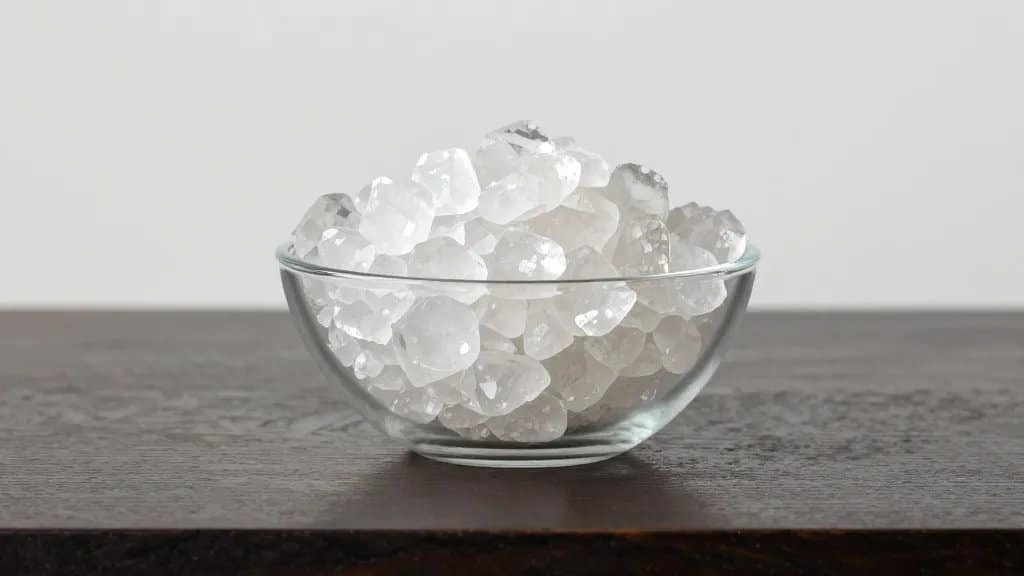
The right stone at your desk can be both a paperweight and a visual reset. Choose textures that feel good to the fingertips and colors that don’t distract.
- Paperweight Pairings: A palm-sized smoky quartz with silky luster calms glare, while a banded jasper slab introduces grounding lines. Mohs 7 keeps them scratch-resistant around stationery and laptops.
- Specimen Shelf: Curate a narrow ledge with labeled minerals. Mix crystal habits—cubic fluorite, hexagonal quartz, botryoidal malachite—to spark curiosity. Stabilize each with museum putty. Brief, accurate labels turn decor into a learning micro-museum.
- Stone-Inlaid Pencil Cup: Inlay small chips of lapis, tiger’s-eye, or aventurine into a wooden cylinder using thin-set epoxy. Tiger’s-eye’s chatoyancy flashes amber bands with each head tilt—eye-catching without being loud.
- Minimal Point Stand: A single clear quartz point on a matte black metal stand reads sculptural. Choose one with a clean, undamaged termination and few surface-reaching fractures for crisp light transmission.
If you’re shopping online, scan listings with Gemstone Identification basics in mind. Tiger’s-eye is quartz with aligned crocidolite fibers turned to silica; the cat’s-eye band should move under light. Lapis should show pyrite flecks, not glitter paint. Fluorite’s color zoning is common; it’s softer (Mohs 4), so place it where it won’t be knocked.
Kids’ Rooms and Play Areas: Safe, Colorful, and Tough
You can absolutely bring stones into children’s spaces—just choose large, durable pieces and avoid sharp or friable textures.
- Treasure Jar: Fill a large acrylic jar with golf-ball-size tumbled quartz, jasper, and agate. No tiny pieces; think “no-choke.” Let kids pick a “focus stone” for homework time. Teach them to feel for weight, temperature, and texture—early Gemstone Facts in action.
- Color Sorting Trays: Aventurine greens, carnelian oranges, sodalite blues—use muffin tins as color stations. It’s tactile learning with geology baked in. Seal porous stones if sticky fingers are expected.
- Glow Shelf: A UV flashlight turns calcite, fluorite, and some hackmanite wild under blacklight, but for durability, keep the hands-on selection to quartz family; display the reactive pieces on a top shelf and supervise the light show.
Avoid crumbly clusters, glassy shards, and heavy bookends that could tumble. Rounded tumbles and spheres are friendlier. If you like spheres, use ring stands so they don’t roll.
Outdoor and Patio: Weather-Wise Rock Features
Sun, rain, and temperature swings demand rugged minerals and smart placement.
- Garden Markers: Engrave or paint on river stones. Quartzites handle seasons better than soft limestones. Use UV-stable paint and a clear exterior sealant. Earthy browns and grays blend with soil; bright agates add a pop near herbs.
- Stepping Accents: Press flat jasper or granite chips into mortar between pavers. Avoid slick polished finishes; a honed surface is safer when wet. Test a sample for freeze-thaw stability if you live in cold climates.
- Birdbath Rim Beads: Epoxy larger tumbled quartz along the rim for grip perches. Skip copper or pyrite accents to protect birds from potential leaching. Rinse regularly to keep algae from dulling the shine.
Outdoor quartz pebbles develop a soft patina but keep their form. Softer stones lose edges quickly; save them for sheltered pots or indoor nooks.
Real vs. Fake: Spotting Quality for Decor Projects
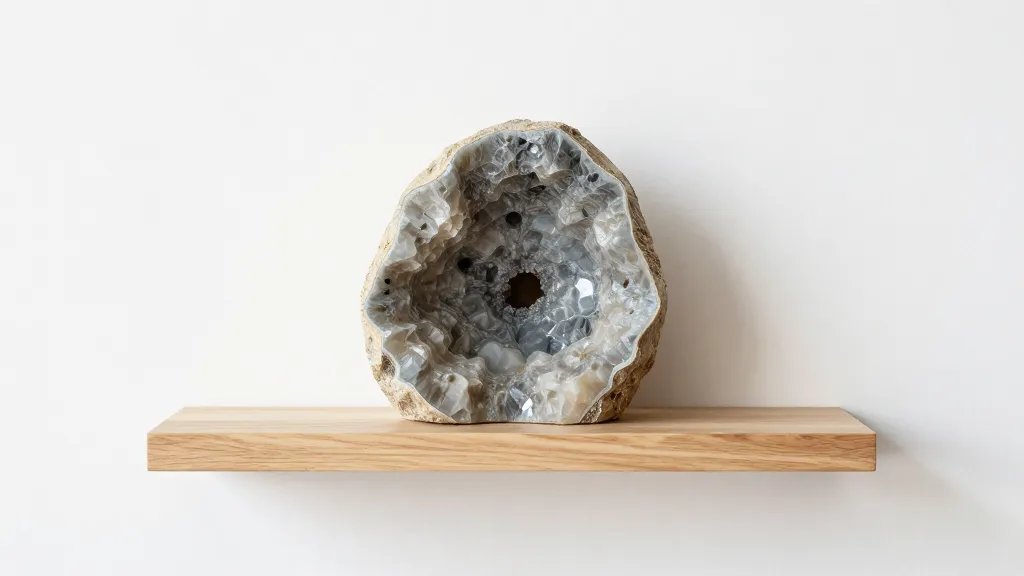
Decor doesn’t demand jewelry-grade stones, but understanding authenticity helps you buy wisely—and avoid materials that fade or bleed.
- Weight and Temperature: Real stones feel cool and heavy for their size. Plastic or resin “geodes” warm quickly in hand and sound dull when tapped together.
- Color Clues: Neon blues and bubblegum pinks on agate slices often mean dye. That’s fine if sealed and used away from water, but choose natural tones for surfaces that get wet.
- Pattern Repeats: If multiple slices show identical banding, they may be printed or reconstituted stone. Natural agate bands undulate irregularly.
- Price Sense: A massive, flawless amethyst “cathedral” at a suspiciously low price may be repaired or heavily filled. Filler isn’t a deal-breaker for decor, but ask sellers for disclosure. Check Gemstone Buying Guide basics to set expectations.
If authenticity matters to your collection, browse Rare Gemstones or Collector Gemstones to learn which locales and habits command value. For decor use, prioritize stability and pleasing color over rarity.
Care, Cleaning, and Display: Keep the Glow Without the Worry
Gentle care keeps stones beautiful for decades.
- Basic Cleaning: Dust with a soft brush or microfiber cloth. For harder stones (quartz family), use mild soap and water; dry thoroughly. Avoid ultrasonic cleaners for clusters and stones with visible fractures.
- Light Sensitivity: Amethyst and rose quartz can fade with long, direct sun. Rotate displays or place them where light is indirect. Citrine and smoky quartz are more stable in sunlight.
- Mounting and Adhesives: Museum putty secures specimens to shelves invisibly. For permanent mounts, use clear, two-part epoxy sparingly—excess can creep and dull polish. Roughen contact points slightly for better grip, but never on collector-grade pieces.
- Floor and Surface Protection: Add felt or silicone pads under heavy stones. Thin leather pads look elegant under points and clusters, preventing scratches and distributing weight.
- Humidity and Water: Keep calcite, malachite, and selenite dry. If a spill happens, pat dry—do not rub—then air-dry away from heat.
Want to go deeper on toughness and wear? The Gemstone Hardness topic pairs nicely with this section for at-a-glance durability decisions.
Project How-Tos: Quick Methods That Look Professional
Polished Pebble Planter Topper
What you need: a potted plant, bag of tumbled stones (quartz, jasper), and a scoop. Fill the top inch with stones, leaving a finger-width gap around the stem. This reduces splash during watering and elevates the look instantly. Choose colors that echo the foliage—deep green aventurine under monsteras, snowy quartz under snake plants.
Minimalist Gem Shadow Box
Pick one striking specimen—an agate nodule or a quartz cluster. Mount it on a small acrylic riser inside a shallow frame. Use museum putty for reversible mounting. A dark, matte backing makes pale stones glow; ivory backings flatter deep amethyst or smoky quartz.
Agate Nightlight
Choose a translucent slice with even color. Fit a warm-white LED puck behind it in a small wooden sconce. Secure with L-brackets or a thin, clear clip. LEDs emit little heat, protecting the stone and surrounding wood.
Desk Specimen Card System
Write simple cards—name, origin, one fact. Example: “Amethyst, Artigas, Uruguay—iron color centers, Mohs 7.” Elegantly typed or handwritten labels elevate even modest stones and invite curious conversation.
Color Psychology and Pairing Stones With Interiors
Stones carry natural palettes that integrate with your decor rather than compete with it.
- Neutrals and Minimalist Spaces: Gray agate, white quartz, and smoky quartz add clean geometry. Polished faces mirror metal fixtures without feeling cold.
- Warm, Rustic Rooms: Red jaspers, tiger’s-eye, and bronzite bring woodsy warmth. Their silky luster pairs with leather and raw timber.
- Coastal and Airy: Blue lace agate, pale aquamarine chips (sealed and away from water), and white howlite echo seafoam and sand. Keep textures matte to avoid glare.
- Eclectic and Bold: Malachite patterns, lapis lazuli flecks, and druzy quartz clusters become focal points. Balance with solid textiles to let the stones lead.
If you’re choosing jewelry to echo your decor at a gathering, pull from Gemstone Necklaces or Gemstone Earrings that share your room’s dominant hue—it creates a subtle, cohesive aesthetic.
Common Mistakes to Avoid
- Using soft stones in wet or high-traffic spots—selenite soap dishes look dreamy but won’t last.
- Overcrowding shelves—give each specimen breathing room so textures and crystal habits read clearly.
- Skipping pads—heavy stones scratch wood fast. A simple felt circle saves your furniture.
- Ignoring light—translucent stones come alive with backlight or a nearby lamp; opaque stones look best with side lighting.
- Falling for neon dyes—if a color looks “candy,” ask the seller. Dyed stones can bleed onto fabric if not sealed.
FAQ
Can I use raw crystals for coasters or trivets?
Prefer polished or honed surfaces. Raw points chip and snag fabric. Thick, polished agate or jasper slabs are safer and easier to clean.
How do I clean amethyst clusters without dulling them?
Use a soft brush to lift dust, then a light mist of water and dab dry. Avoid soap residue in tight cavities; let air-dry fully before replacing on wood.
Will sunlight fade my stones?
Amethyst and rose quartz can lighten with prolonged direct sun. Rotate displays or keep them in indirect light. Most agates and jaspers remain stable.
What’s the best budget-friendly stone for multiple projects?
Agate and jasper win for cost, durability, and color variety. Tumbled quartz is the most versatile filler or accent.
Is dyed agate bad for decor?
Not inherently. Choose quality pieces and seal edges if they’ll meet moisture. For heirloom looks, stick to natural tones.
How do I keep heavy stones from scratching shelves?
Add felt or silicone feet and distribute weight with a discrete base. Museum putty helps prevent sliding.
Which stones are unsafe around water?
Selenite, halite, and some pyrite can deteriorate or tarnish. Keep them dry and out of humid rooms.
Wrap-Up: Let the Stones Tell the Room’s Story
Great rock decor starts with thoughtful material choices and placement. Lean on tough quartz family stones for daily use, reserve delicate beauties for quiet corners, and let color and texture guide you. With a few pads, a bit of light, and a collector’s eye, even modest specimens can anchor a space and make it feel unmistakably yours. If you’re curious to expand your collection for these projects, explore Gemstone Colors for palette ideas or check Gemstone Value Guide to balance beauty with budget.

Christian Grey is the creator of GemMeaning, where he shares simple insights about crystals, gemstone meanings, and spiritual guidance. His focus is on making complex ideas easy to understand and practical for everyday life.