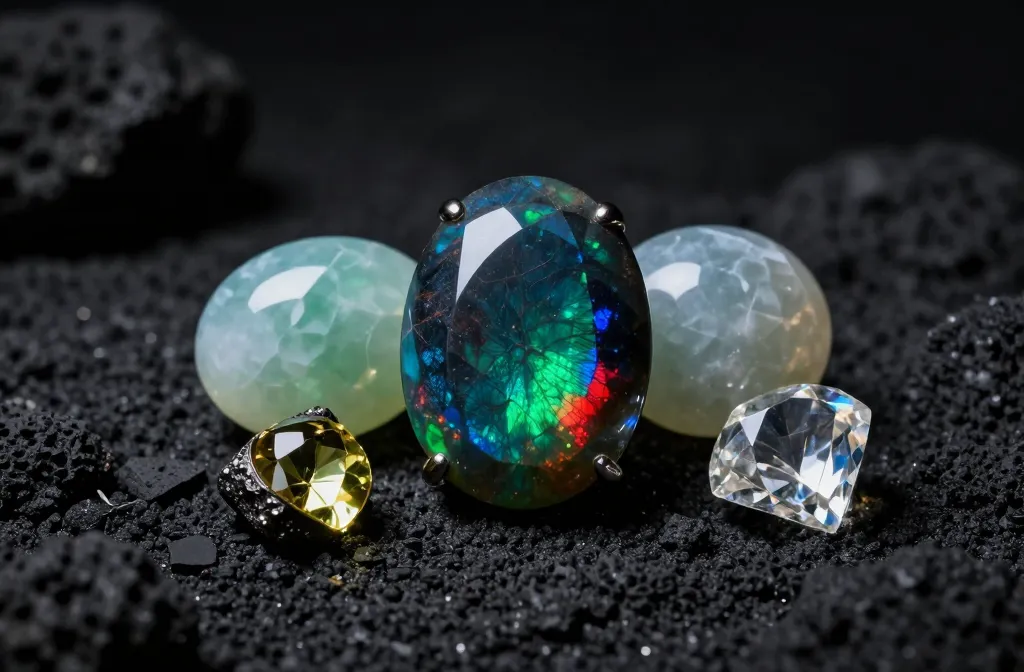
Some stones do more than sparkle; they carry the weight of mountains, volcanoes, shipwrecks, and empires. A good gem tells a story the way old wood holds the scent of a forest—quietly, but unmistakably.
This article gathers remarkable gemstones whose histories are as compelling as their colors. You’ll learn how these crystals formed, what makes them unique, how to recognize them, and why collectors chase them. I’ll also share care tips, value clues, and a few myths worth keeping—and others worth letting go.
Expect a mix of science and legend. We’ll move from fiery opals and imperial jade to space-borne peridot and diamonds born near Earth’s core. You’ll leave with practical knowledge and a fresh way to look at the stones in your jewelry box.
Ready to meet rocks with chapters?
Black Opal: Fire From A Quiet Town
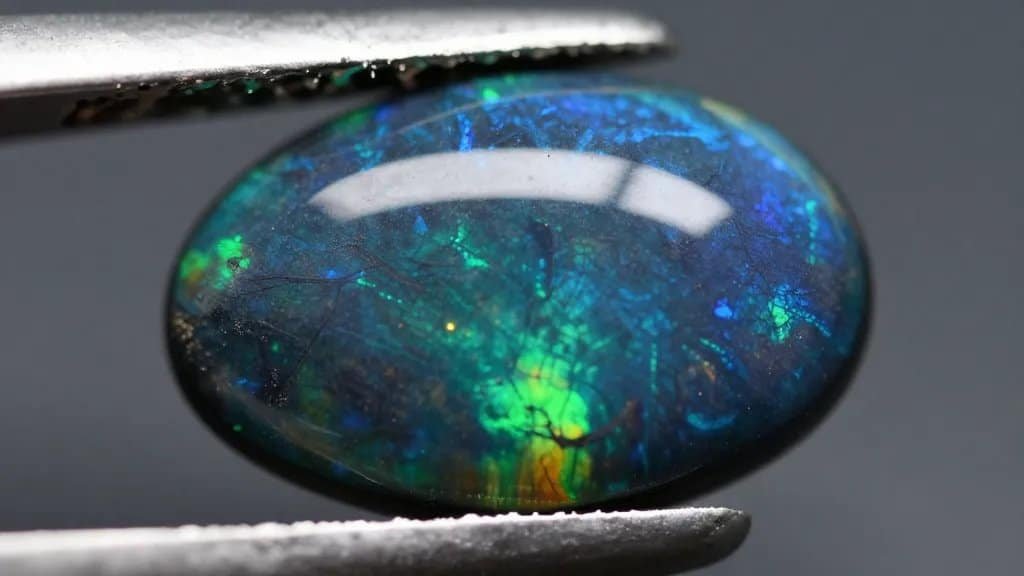
Lightning Ridge in New South Wales sounds calm, but beneath it sleeps a riot of color. Black opal blooms with spectral reds, electric greens, and cobalt blues against a dark body tone. The contrast makes the “play-of-color” feel three-dimensional—like neon trapped in midnight.
Geology first: opal is hydrated silica, formed when silica-rich water seeped through Cretaceous sandstones and deposited microscopic spheres in cracks and cavities. In black opal, the spheres stack tightly enough to diffract light dramatically. On the Mohs scale, opal is around 5.5–6.5, with relatively low toughness. It asks for gentle handling.
Appearance varies: some stones display broad “flagstone” flashes, others show rolling harlequin patterns or pinfire speckles. The most prized stones lean toward strong reds and multi-directional play-of-color. Semi-transparent “crystal” black opals can look like stained glass floating over ink.
Value factors include body tone (N1–N4 is dark), brightness, color range, pattern, and face-up play. Untreated, fine black opal is rare and costly. Watch for doublets and triplets—thin slices of opal cemented to dark backings and topped with quartz or plastic. These are legitimate jewelry products, but not solid opal. Viewed side-on, laminations are usually visible. A simple breath test can fog a plastic top quickly; a loupe helps spot the junctions.
Care: store away from heat and low humidity; extreme dryness may craze opal. Clean with mild soap and a soft cloth. No ultrasonic or steam. For rings, protective bezels or occasional wear is wise.
Imperial Jade: Green That Launched A Thousand Seals
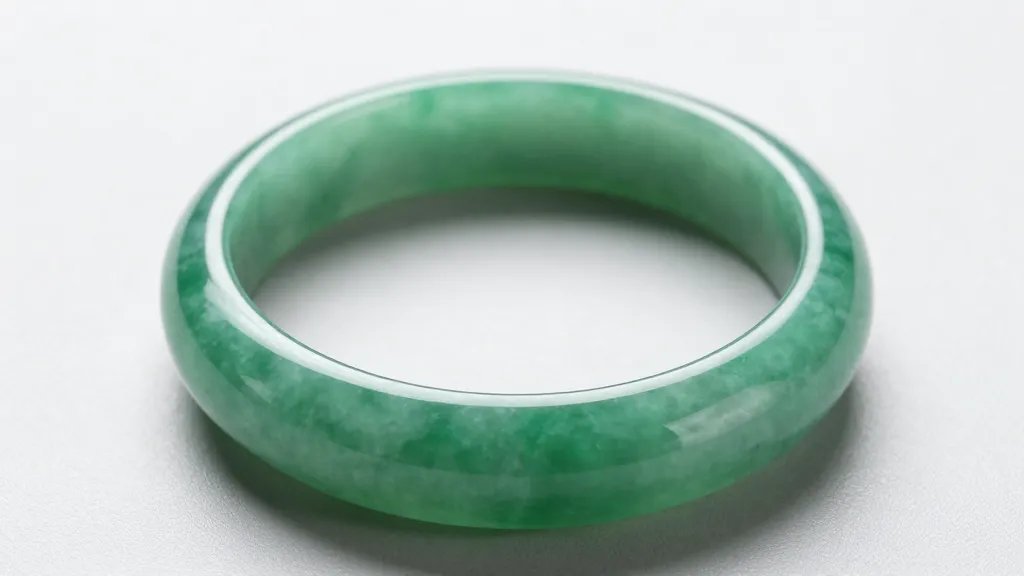
Jade has two mineral species—jadeite and nephrite—but “Imperial Jade” refers to the top, near-transparent emerald-green jadeite historically prized in Qing China. Fine pieces look alive—rich, saturated, and evenly colored, with a glow that seems to originate below the surface.
Geologically, jadeite forms under high pressures in subduction zones, where sodium-rich fluids transform rocks into tough, interlocking masses. That tightly woven microstructure gives jadeite unusual toughness despite a modest Mohs hardness of about 6.5–7. You can carve it into hair-thin bangles that survive daily life.
Origins: Myanmar’s Hpakan region remains the classic source for Imperial Jade. Value hinges on color intensity, translucency, texture (“old mine” fine grain is coveted), size, and craftsmanship. Even a small bangle of top-grade Imperial Jade can eclipse the price of many diamonds.
Treatments are rampant. “Type A” jadeite is natural, merely cleaned and polished. “Type B” is bleached to remove stains, then impregnated with polymer—clear at first but prone to turn grayish with age. “Type C” is dyed, often a too-perfect green. Request a laboratory report for any high-value piece. A quick loupe check: look for suspicious color concentrations in cracks (dye traps) and an overly glassy surface (polymer).
Jewelry tips: Jade suits rings, bracelets, and carvings. Its symbolism—prosperity, harmony, protection—remains strong. If you’re drawn to talismans with cultural depth, start here. Pairing this section with Gemstone History or a Gemstone Buying Guide is a smart next step if you’re studying provenance and certification.
Alexandrite: A Color Change With Political Flair
Legend says alexandrite was discovered on the day future Czar Alexander II came of age, and that its colors—green by day, red by lamplight—matched Russia’s military hues. Whether or not the timing is fairytale, the phenomenon is very real, and endlessly charming.
Alexandrite is a variety of chrysoberyl, Mohs 8.5, with excellent durability. Chromium in the crystal lattice shifts its absorption so it appears bluish-green under daylight and raspberry to purplish-red under incandescent light. The transformation can feel like a magic trick; weak change reads as murky olive to brownish-red. Strong change with vivid colors commands a premium.
Classic Russian Ural stones are rare and treasured. Brazil, Sri Lanka, East Africa, and India produce fine material today, though strong daylight-green and rich lamp-red in one stone is uncommon. Expect premium pricing for stones over 1 carat with high clarity and crisp change.
Synthetics have been around since the mid-20th century. Flux-grown lab alexandrite shows similar change and can be beautiful but is far less valuable. Under magnification, look for curved growth or wispy flux inclusions. Natural stones often show fine, angular growth zoning and crystal inclusions. For serious purchases, a lab report with spectroscopy notes is reassuring.
Jewelry choice: robust enough for rings, wonderful for earrings where mixed lighting reveals moods. Its dual nature makes it a fitting anniversary gift. If you enjoy Gemstone Comparisons, line up alexandrite with color-change garnet and sapphire; each tells a different chromatic story.
Peridot From Space: Olivine With A Meteorite Passport
Most peridot forms in Earth’s mantle and rides up in basaltic lavas. But a rare variety arrives via stony-iron meteorites known as pallasites. Picture olive-green crystals suspended in an iron-nickel web—the cross-section looks like stained glass in a metal cathedral.
Peridot is gem-quality olivine, Mohs 6.5–7, with a warm, summery green that never leans blue. In pallasites, crystals can be surprisingly clean and bright, though they’re typically cut from small fragments. Collectors love the cosmic backstory; jewelry fans enjoy the fresh apple or bottle-green hues.
Value rises with clarity and saturated color around 10–20% iron content, which yields a pure grassy green. Pakistan’s Kashmir region and Burma produce fine terrestrial peridot. Meteorite-cut peridot is a niche collectible; the host metal rusts, so jewelers usually isolate the gems from the iron matrix.
Care: avoid hard knocks and rapid temperature swings. Peridot can cleave and abraded facets look satiny if worn hard. Clean with warm soapy water. Avoid acids—peridot can etch.
If the notion of stones with off-world origins intrigues you, explore Collector Gemstones and Gemstone Facts to see how provenance intersects with value.
Paraíba Tourmaline: Neon That Rewrote Color
In the late 1980s, miners in Brazil’s Paraíba state pulled startling crystals from stubborn pegmatites: tourmalines glowing with copper-driven neon. They looked charged, as if lit from within. Jewelers blinked, then chased them relentlessly.
Copper and often manganese give Paraíba tourmaline its electric blue-to-green fluorescence. Under daylight, the best stones feel hyper-saturated yet clear, an improbable color intensity that still photographs can’t fully capture. On the Mohs scale, tourmaline sits at 7–7.5, with good toughness. Rings are fine with protective settings.
Originally from the tiny São José da Batalha mine in Brazil, similar copper-bearing material later appeared in Nigeria and Mozambique. Trade sometimes reserves “Paraíba” for Brazilian origin, but many labs use the term for any copper-bearing tourmaline with the signature color. As ever, read the report language carefully.
Value drivers: hue, saturation, clarity, and origin. In small sizes, top color is rare and expensive. Watch for excessive clarity enhancement; minor fissure filling is common in tourmaline, but heavy filling can dull brilliance and lower value. Under the loupe, gas bubbles clustering in fissures suggest resin.
Buying tip: prioritize color first, then cut that maximizes brightness. A slightly included stone with blazing neon often outcharms a clean but sleepy one. If pricing puzzles you, consult a Gemstone Value Guide and compare lab-noted chemistry.
Blue Sapphires And The Kashmir Mist
Not all blues are equal. Kashmir sapphires—mined briefly in the late 19th and early 20th centuries—are famed for a velvety, cornflower blue with a soft glow. It’s not just romance; microscopic rutile “silk” scatters light, lending that misty texture while leaving saturation rich.
Corundum (sapphire and ruby) ranks Mohs 9, tough enough for daily rings. Sapphires come from metamorphic and igneous settings; Kashmir’s legendary Zanskar deposits are long depleted, making certified stones rare and pricey. Today, Sri Lanka (Ceylon) and Madagascar produce magnificent blues, typically brighter and less silky.
Heat treatment is common to dissolve rutile and improve color. Unheated sapphires with beautiful hue and fine clarity command a premium. Identification involves growth zoning, inclusions like silk and crystals, and sometimes trace-element chemistry. For any stone claimed to be Kashmir, insist on reports from top-tier laboratories.
Design notes: step cuts emphasize depth of color; brilliant cuts boost sparkle. A halo of diamonds amplifies blue without stealing the show. If you’re learning to compare populations, see Gemstone Colors and Gemstone Comparisons for hue, tone, and saturation frameworks.
The Cullinan Diamond: A Geological Time Capsule
Diamonds descend from deep in Earth’s mantle, brought up by ancient kimberlite eruptions. The Cullinan rough, discovered in South Africa in 1905, weighed a staggering 3,106 carats. It yielded numerous gems, including the 530-carat “Great Star of Africa.” While royal history grabs headlines, the stone’s story is geological: carbon transformed under crushing pressure and searing heat, then rocketed upward in minutes.
On the Mohs scale, diamond is 10—hard, though not unbreakable. It cleaves along certain planes, which is how master cutters parted the Cullinan without shattering it. Inclusions in old stones sometimes reveal growth history, with tiny cavities and strain patterns testifying to violent formation.
Modern buyers should consider color and clarity grades, cut precision, and fluorescence. High fluorescence can make some stones look oily in bright light, though it can also help lower-color diamonds face up whiter. Lab-grown diamonds are now widespread; they’re chemically identical but reveal telltale growth structures under advanced testing. If origin matters to you—mined versus lab—seek a diamond-specific Gemstone Identification report.
For jewelry, diamond’s durability suits everyday rings and bracelets. Clean with mild detergent and a soft brush; oils mute brilliance quickly. If antique romance is your angle, explore Gemstone History for famous cuts and settings that mirror older eras.
Amber: Time Preserved In Honey-Light
Amber isn’t a mineral at all; it’s fossilized tree resin. Yet few materials tell stories as literally: ancient insects, pollen, even lizard tails trapped mid-moment. Baltic amber ranges from pale lemon to deep cognac, sometimes with a foggy “sun spangle” texture; Dominican amber is often clearer and can fluoresce blue under UV.
Hardness is low—about 2–2.5—so amber scratches easily. But that softness lends a warm polish that feels comforting against the skin. Its buoyancy and faint pine scent (especially when warmed) charm collectors as much as its inclusions.
Fakes abound: molded plastics, copal (young subfossil resin), and reconstituted amber pressed from fragments. A hot needle on a discreet area is destructive and not recommended. Safer tells include static charge when rubbed, salty brine float tests (real amber often floats), and magnification of flow lines and inclusion morphology. Reputable dealers supply origin notes; high-value pieces with dramatic inclusions may warrant lab verification.
Care: store away from heat and solvents. Wipe with a soft cloth; no ultrasonic. As a gift, amber suits those who love natural history as much as jewelry—think of it as a wearable museum case.
Stories We Wear: How To Choose And Care For Legendary Stones
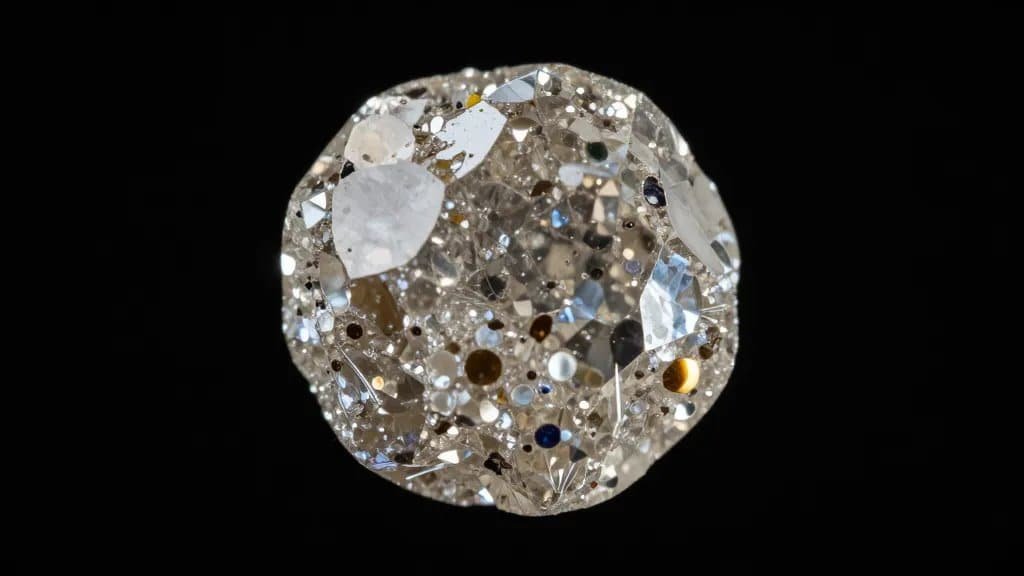
When a rock carries narrative weight, you feel it. Choosing such a gem blends emotion and due diligence. Here’s how to shop smart without dulling the romance:
- Ask about origin and treatment. For jadeite, confirm “Type A.” For sapphire, clarify heat status. For Paraíba, request copper-bearing confirmation.
- Prioritize what you see. With opal and tourmaline, color energy trumps small clarity quirks. With diamond and sapphire, cut and symmetry drive brilliance.
- Match durability to lifestyle. Mohs 8+ (ruby, sapphire, chrysoberyl) suits daily rings; opal and amber prefer gentler rotation as pendants or earrings. A refresher in Gemstone Hardness helps map expectations.
- Choose protective settings. Bezels shelter opal and peridot; prongs show off diamond and sapphire fire.
- Maintain with care. Mild soap, soft brush, and a rinse are safe for most. Avoid steam/ultrasonic for opal, emerald (often filled), and amber. A quick scan of Gemstone Care keeps mistakes at bay.
Common Myths, Corrected Gently
Good stories can collect a few embellishments. Let’s tidy up the narratives without losing their charm.
- All emeralds are brittle: They’re tough enough for jewelry (Mohs 7.5–8) but often contain inclusions and fissures. Many are oil- or resin-filled, so avoid heat and ultrasound. Smart wear keeps them sparkling for generations.
- Only Brazilian stones are “true” Paraíba: Many labs apply the term to any copper-bearing tourmaline with that neon glow, including African sources. Origin affects price, but chemistry and color define the look.
- Black opal must be jet-black: It needs a dark body tone, not literal black. Some of the finest stones are dark gray with intense color play.
- All jade is jadeite: Nephrite is also jade, historically used in East Asia and the Pacific. It’s generally more affordable and supremely tough.
- Flawless equals best: Not always. In opal, pattern and brightness matter more than inclusions. In sapphire, a trace of silk can add that velvet Kashmir texture.
Frequently Asked Questions
How can I quickly tell if a black opal is a doublet or triplet?
Look at the stone’s side under magnification. If you see a distinct line between a dark backing and a thin opal layer, it’s a doublet; add a clear cap on top and it’s a triplet. Solid opal shows continuous material without laminations.
Is “unheated” sapphire always better than heated?
Not always. Unheated stones can be rarer and pricier, but a beautifully heated sapphire with top color and cut may outshine a sleepy unheated one. Judge each stone by face-up beauty, then consider treatment and price.
Do certificate labs matter for jade and alexandrite?
Yes. For jade, you want confirmation of Type A status. For alexandrite, reports document color change and detect synthetics. Reputable labs add confidence and resale clarity.
Can I wear amber or opal daily?
You can, but rotate and protect. Choose pendants or earrings over rings, avoid heat and chemicals, and store separately to prevent scratches.
What makes Paraíba tourmaline fluorescence special?
The copper content enhances absorption and re-emission, producing an intense, almost electric glow under daylight and some LEDs. It’s a rare intersection of chemistry and optics.
Are meteorite peridot gems suitable for engagement rings?
Peridot can work with care, but it’s softer than sapphire or diamond and can abrade. If you love the story, consider a protective bezel or use it in an occasional-wear ring and choose tougher stones for daily wear.
Why are Kashmir sapphires so expensive?
Limited historic supply, a distinctive velvety blue caused by fine silk inclusions, and strong market demand all converge. Provenance-backed stones with top color are genuinely scarce.
A Final Thought
The most fascinating rocks are timekeepers. They preserve volcanic heat, ancient seas, royal milestones, and even starfall. Choose the ones whose stories resonate with your own, then care for them so the next chapter—your chapter—becomes part of the stone’s living record. If you’d like to keep exploring, topics like Gemstone History, Collector Gemstones, and Gemstone Jewelry pair beautifully with the pieces mentioned here.

Christian Grey is the creator of GemMeaning, where he shares simple insights about crystals, gemstone meanings, and spiritual guidance. His focus is on making complex ideas easy to understand and practical for everyday life.