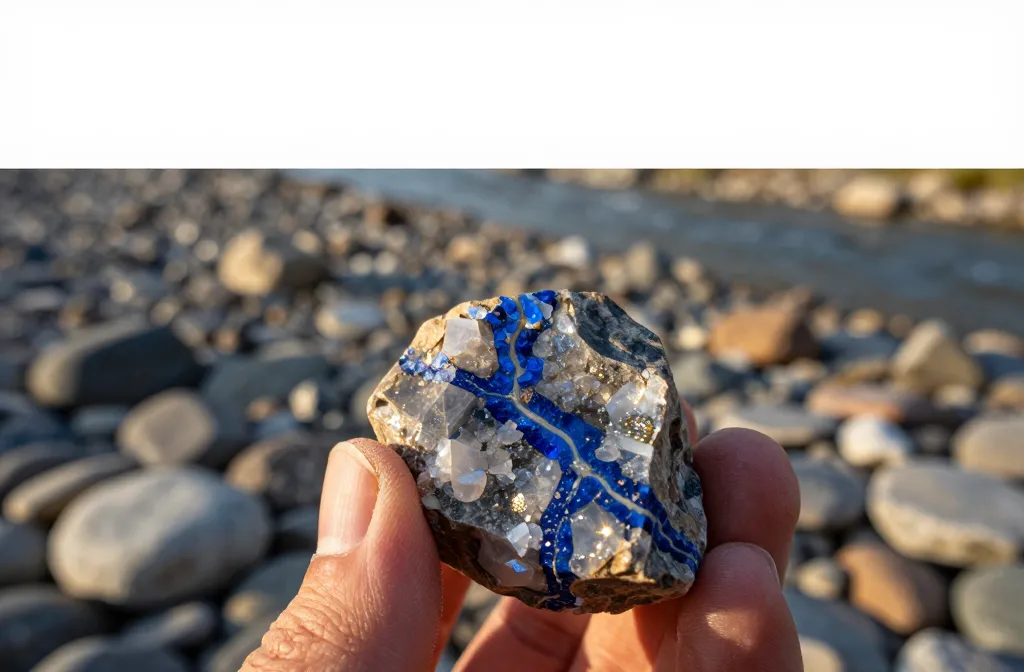
If you’re drawn to gemstones, you already sense that rocks aren’t just scenery. They’re stories—billions of years old—pressed into color, pattern, and sparkle. The more you learn, the more a simple pebble feels like a time capsule you can hold.
Here, you’ll see why rocks are the fascinating groundwork of every jewel. We’ll trace how minerals grow, why colors form, how hardness shapes a stone’s destiny, and what sets collector pieces apart from everyday river stones. You’ll also pick up practical buying tips, care suggestions, and a sharper eye for distinguishing real from fake.
By the end, the gravel under your feet, the quartz on your desk, and the ring on your hand will all feel connected—because they are. Rocks are the stage on which gemstones are born.
Let’s explore the terrain beneath the sparkle.
From Common Rock to Coveted Gem: What Changes?
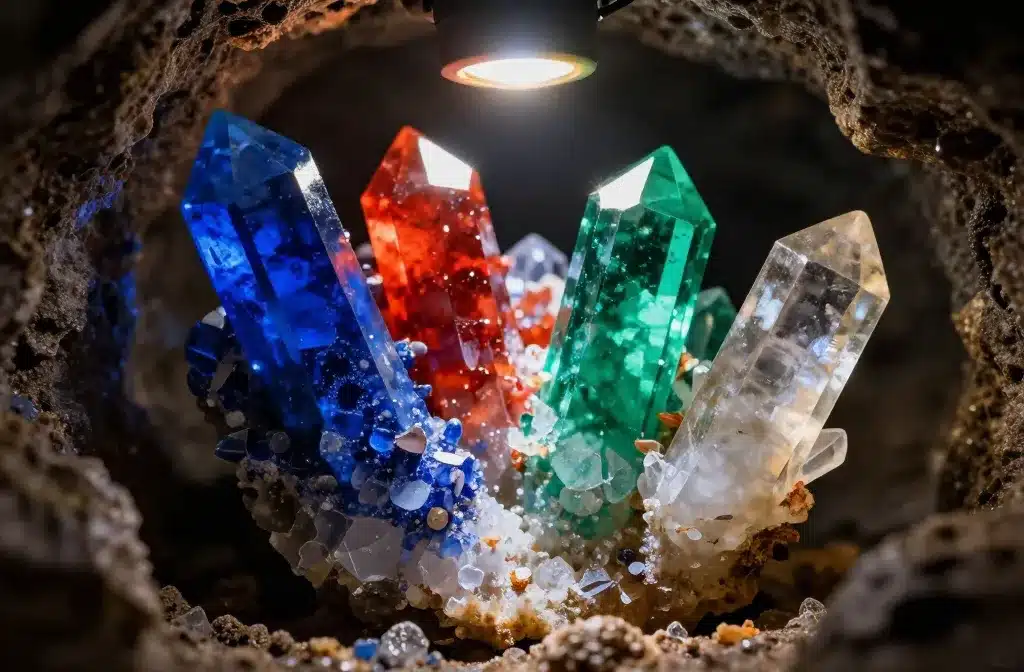
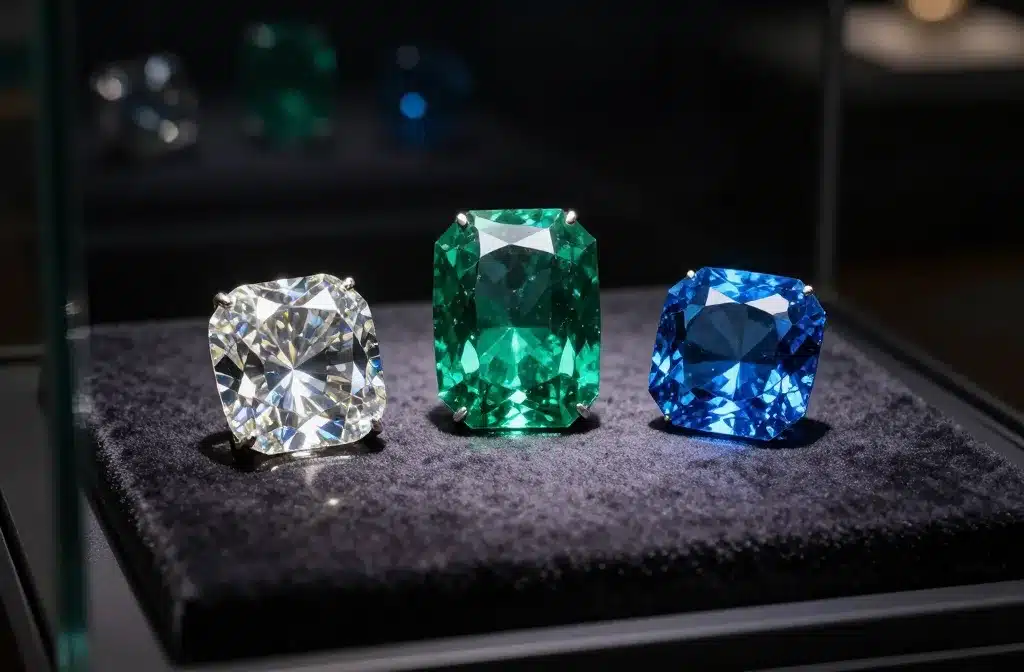
Every gemstone starts as part of a rock—an ensemble of minerals locked together. The transition from rough rock to radiant gem is mostly about order, purity, and polish. Minerals with a regular internal crystal structure can interact with light in predictable, beautiful ways once cut and polished. Think of sapphire: aluminum oxide is common in Earth’s crust, but when it grows cleanly as corundum crystals with a pinch of trace elements, you get royal blues that sing under daylight.
Three factors do the heavy lifting:
- Composition and trace elements: A speck of chromium turns corundum red (ruby); a different cocktail yields sapphire blues, pinks, or yellows. Tiny chemical substitutions can shift color dramatically.
- Crystal structure: The geometry inside a crystal splits and bends light. That’s why some stones show pleochroism (different colors from different angles) or asterism (star effects).
- Clarity and inclusions: Minute fractures or mineral guests can dull or enchant. Rutile silk in sapphire creates soft glow; mossy inclusions in moss agate paint natural landscapes.
A rock becomes a gemstone when its mineral building blocks are pure enough, sizable enough, and arranged in a way that rewards the cutter’s blade.
How the Earth Builds Beauty: Geological Settings That Grow Gems
Gem-quality minerals don’t appear randomly. They favor specific geologic “neighborhoods,” and each neighborhood tints the personality of the stone.
- Pegmatites: These coarse-grained igneous bodies are treasure chests for tourmaline, aquamarine, morganite, spodumene, and topaz. The slow cooling and fluid-rich environment let giant, clean crystals blossom. That’s why pegmatite tourmaline can show watermelon zoning—rings of pink, white, and green like a candy slice.
- Metamorphic belts: Heat and pressure coax minerals into new forms. Ruby in marble from Myanmar and spinel in limestones from Vietnam often owe their saturated glow to these high-grade metamorphic settings. Jadeite, the prized imperial green gem, forms in high-pressure metamorphic zones along subduction boundaries.
- Basalt and volcanic pipes: Diamonds hitch a ride from deep mantle in kimberlite or lamproite, racing to the surface in violent eruptions. Peridot can crystalize in basalts, yielding lively green crystals that feel springy to the eye.
- Sedimentary basins: Opal forms as silica-rich water seeps through rock, depositing spheres that diffract light. Australia’s fields are famous for saturated, neon-like play-of-color. In the same realm, banded agates line ancient cavities with stripes that look painted but are entirely natural.
Knowing the origin story helps you appreciate the stone’s quirks—why opal is delicate, why diamond can be fiery yet tough, and why emerald often carries charming garden-like inclusions.
Color, Light, and the Little Things That Matter
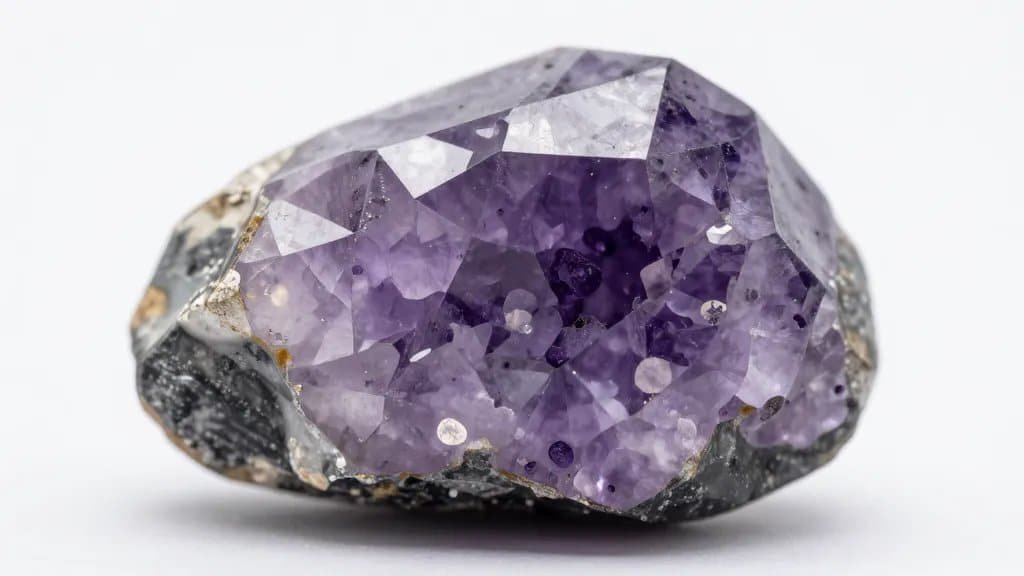
Color in gemstones can be either chemistry or physics—often both. A ruby’s red comes from chromium ions grabbing certain wavelengths of light. In opal, color is purely structural: microscopic spheres arranged like a photonic crystal diffract rainbow flashes as you tilt the stone.
Gem lovers judge color by three axes:
- Hue: The dominant family—blue, green, red. Sapphire spans cornflower to inky midnight; spinel can flirt between pinkish-red and pure crimson.
- Tone: Lightness or darkness. Many stones are most valuable in “medium to medium-dark” where color breathes and brilliance survives.
- Saturation: Intensity. Vivid colors command premiums—think electric Paraíba tourmaline or neon tsavorite.
Light also reveals optical phenomena: stars in sapphire (from rutile silk), cat’s-eye in chrysoberyl (tight parallel inclusions), color-change in alexandrite (due to chromium and peculiar crystal fields), and aventurescence in sunstone (tiny copper platelets glittering like confetti). These effects aren’t defects; they’re the personality traits collectors chase.
Hardness, Toughness, and Why Jewelry Choices Matter
Hardness and toughness are different. The Mohs Scale measures scratch resistance, not shatter resistance. Diamond is a 10 but can cleave if struck along perfect planes. Jade is only about 6.5–7 but famously tough because its microscopic fibrous structure dissipates shock.
Here’s a practical lens for everyday wear:
- Rings: Stones 8 and above (ruby, sapphire, spinel, chrysoberyl) thrive in daily rings. Diamond excels, of course. With emerald (7.5–8) consider protective settings and gentle wear due to common fractures.
- Pendants and earrings: These are safer homes for delicate beauties like opal, tanzanite, kunzite, and turquoise. Less contact means longer life.
- Bracelets: They take hits. Choose durable stones (sapphire, spinel, garnet) and sturdy settings.
Durability also guides cleaning. Steam and ultrasonic tools are great for diamond but risky for fracture-filled emerald or heat-sensitive opal. If you’re unsure, gentle soap, lukewarm water, and a soft brush rarely go wrong. For more specifics on care routines, see Gemstone Care once you’ve chosen a stone family.
Treatments: Enhancements to Know Before You Buy
Many gems receive treatments to enhance color or clarity. This isn’t inherently bad; it’s about transparency and pricing.
- Heat treatment: Common for sapphire, ruby, aquamarine. It can improve color and clarity and is widely accepted if disclosed. Value remains strong, though fine unheated stones are rarer and pricier.
- Oil and resin filling: Emeralds are often oiled to reduce the visibility of fissures. Natural cedar oil is traditional; polymer resins are less favored. Expect meaningful price differences between minimally treated and heavily treated stones.
- Diffusion and surface treatments: Some sapphires are beryllium-diffused for striking colors that don’t reach the core. These command much lower prices. Surface coating can give topaz vivid colors; coats may wear over time.
- Fracture filling in diamonds and rubies: Fills can improve apparent clarity but may be unstable to heat and chemicals. Always ask for full disclosure.
Reputable sellers provide lab reports for costly stones. If you’re shopping across multiple pieces, a Gemstone Buying Guide can help you build a checklist for questions to ask and documents to request.
Real vs. Synthetic vs. Imitation: A Quick Field Guide
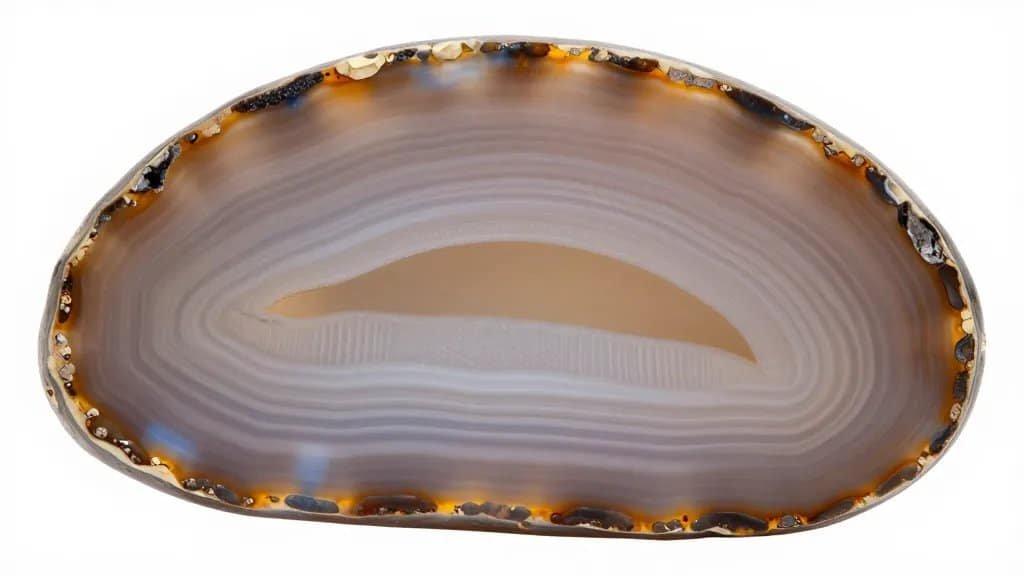
“Synthetic” means lab-grown with the same chemistry and crystal structure as the natural gem. “Imitation” means a look-alike of different composition (e.g., glass or plastic). Both differ from treated natural stones.
Tell-tale signs you can spot without a lab:
- Look for growth features: Curved growth lines may indicate flame-fusion synthetic corundum. Natural gems often show angular zoning or hexagonal patterns under magnification.
- Inclusions: Natural stones have life histories: tiny crystals, fingerprint-like fluids, or rutile silk. Synthetics might show gas bubbles or unnaturally neat patterns.
- Weight and feel: Glass imitations feel warm and can be lighter for their size. Edges wear quickly, surfaces show orange-peel texture under magnification.
- Optical behavior: Double refraction (e.g., zircon, peridot, tourmaline) can fuzz facet edges when you peer through a loupe. Glass is singly refractive and often lacks crisp facet returns.
For high-value pieces, a professional evaluation is wise. If gem sleuthing excites you, explore Gemstone Identification and Gemstone Comparisons for tools and tests worth learning.
Value Factors: What Really Drives Price
Price is rarely random. Most gemstones follow a few consistent value drivers:
- Color quality: Fine hue, ideal tone, and strong saturation sit at the top. Think “pigeon’s blood” ruby or “cornflower” sapphire—nicknames for prized color windows.
- Clarity: Eye-clean stones fetch premiums, though certain species (emerald, red beryl) are forgiven more inclusions. Some inclusions even add character—like horsetail inclusions in demantoid garnet.
- Cut: Precision cuts maximize brilliance and even out color. Poor cutting wastes light and may make zones or windows glaringly obvious.
- Carat weight: Prices jump at thresholds (1, 2, 5 carats), especially in rare types. Big, clean spinels and alexandrites are dramatically scarce.
- Origin and rarity: Iconic origins—Kashmir sapphire, Burmese ruby, Colombian emerald—can double or triple price, all else equal. Some species are intrinsically rare, placing them in the realm of Collector Gemstones.
For budgeting and comparison, a Gemstone Value Guide can help you map how these variables interact so you can prioritize what matters most to your eye and lifestyle.
Rocks You Walk Past Every Day That Hide Gem Potential
Not every treasure sparkles at first glance. Common rocks can harbor remarkable surprises:
- Basalt gravels: Look for greenish crystals of olivine (peridot) or glossy black spinel grains. Under good light, peridot flashes a fresh, apple-green translucence.
- River-worn quartz pebbles: Crack one open (carefully) and you may find amethyst or citrine zones. Even milky quartz can reveal clear pockets suitable for small cabochons.
- Sedimentary cliffs: Agates and jaspers paint nature’s abstract art in stripes, swirls, and dendrites. Polished, they become mesmerizing cabochons with a satin sheen and silky luster.
- Fossil beds: Petrified wood replaces cellulose with silica over eons, producing hard, richly patterned slabs that take a glassy polish.
The next time a rock catches your eye, check for translucence against sunlight, peek for banding, or notice a waxy-to-glassy luster. That curiosity is how many collectors begin.
Designing With Stones: Setting Styles and Everyday Wear
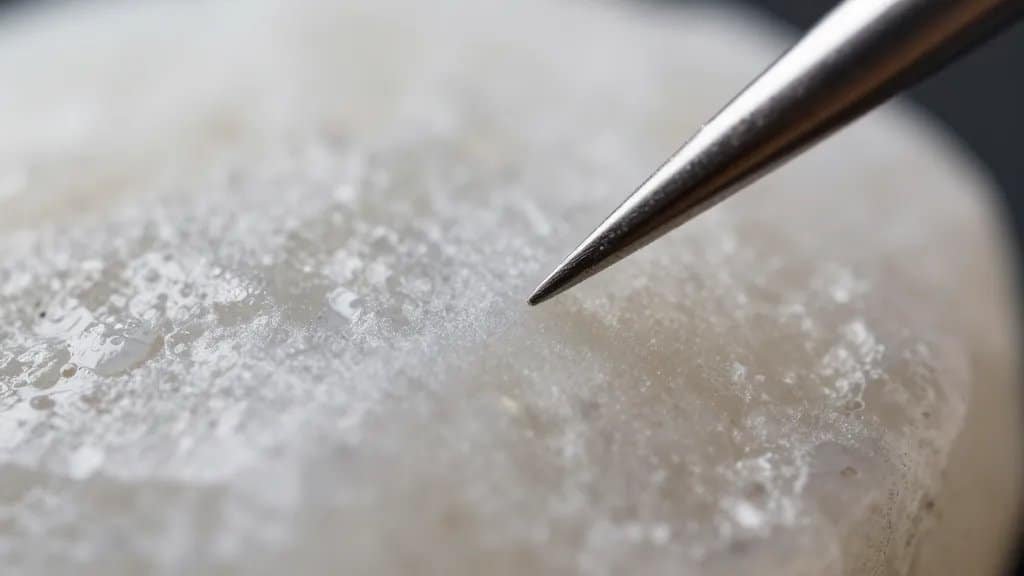
Gemstone personality guides jewelry design. Transparent, brilliant stones like sapphire, spinel, and diamond love faceting and prong settings that let light in from all sides. Translucent to opaque stones—opal, moonstone, jade, turquoise—often look best as cabochons, where a rounded dome displays glow, adularescence, or rich texture.
If you’re contemplating Gemstone Rings, consider:
- Bezel vs. prong: Bezels protect girdles and corners, great for emeralds or soft stones. Prongs offer openness and maximum light play.
- Metal color: Yellow gold warms reds and greens; white metals intensify blues and near-colorless stones. Rose gold can romance morganite and spinel.
- Cut choices: A well-chosen cut minimizes windowing and masks zoning. Explore Gemstone Cuts and Gemstone Shapes to match style with optics.
For Gemstone Earrings and Gemstone Necklaces, lighter-weight designs let color float near the skin and reduce strain on delicate stones. Bracelets benefit from channel or flush settings to resist knocks. Choices like these turn geology into daily art.
Care, Cleaning, and Storage: Small Habits, Long Lives
A few habits preserve beauty:
- Last on, first off: Lotions, perfumes, and hairspray can cloud surfaces or creep into fissures. Put jewelry on after getting ready and remove it before workouts.
- Gentle cleaning: Use a soft brush, mild soap, and lukewarm water. Pat dry. Skip harsh cleaners, especially for porous stones like turquoise and opal.
- Separate storage: Diamonds and sapphires can scratch softer neighbors. Store pieces individually in soft pouches or lined compartments.
- Mind the heat and light: Sudden temperature changes can crack opal; strong UV can fade kunzite. Treat them like the artwork they are.
When in doubt, check Gemstone Care guidelines for your specific stone type. A little attention goes a long way.
Myths vs. Facts: Clearing the Fog
- Myth: All green stones are emeralds. Fact: Peridot, tsavorite, chrome diopside, jade, and even dyed quartz can be green—each with distinct refractive index, luster, and inclusions.
- Myth: Hardness equals indestructibility. Fact: Mohs hardness resists scratching, not breaking. Diamond can cleave; jade shrugs off impacts.
- Myth: Natural means unenhanced. Fact: “Natural” refers to origin, not treatment. A natural ruby can be heated; a synthetic ruby is lab-grown but chemically identical.
- Myth: Bigger is always better. Fact: Top color and cut in smaller stones can dazzle more than a larger, duller piece—and often wear better in jewelry.
For the Curious: Where to Go Next
If this has whetted your appetite, you’ll enjoy exploring Rare Gemstones that push the boundaries of color and scarcity, or comparing hues across Semi-Precious Stones to build a thoughtful collection. A quick tour through Gemstone Hardness or a Gemstone Value Guide will help you shop smart, and reading up on Gemstone History reveals how tastes and trade routes shaped what we prize today.
FAQs
How do I quickly tell if a colored stone is glass?
Look for soft facet junctions, gas bubbles, and an overall “sleepy” return of light. Glass often feels warm to the touch and lacks the crisp sparkle of a well-cut crystal. A jeweler’s loupe makes it easier to spot telltale signs.
Which gemstones are safest for engagement rings?
Diamond, sapphire, and spinel are excellent. Ruby works too but watch for treatments. Avoid softer or brittle stones like opal or tanzanite for daily-wear rings unless you accept higher risk and protective settings.
Are lab-grown gemstones worth buying?
Yes, if you value beauty and durability at a friendlier price. Lab-grown sapphire, ruby, emerald, and diamond have the same chemistry as natural. They typically cost less and are eco-consistent in certain ways, but lack natural rarity’s cachet.
Why does my opal look dull sometimes?
Opal is sensitive to dry air, heat, and oils. Surface grime can mute play-of-color. Clean gently with a damp cloth, avoid heat, and store away from prolonged dryness. For doublets or triplets, keep out of prolonged water immersion.
What’s the best starter tool for gemstone identification?
A 10x loupe with proper lighting. Add a refractometer and polariscope as you advance. Even a loupe reveals inclusions, facet quality, and wear that tells you a lot.
Do gemstone origins really affect value?
Often. Burmese rubies, Colombian emeralds, and Kashmir sapphires carry strong premiums, assuming color and clarity are excellent. Lab verification is essential for origin claims.
How should I store different pieces together?
Don’t. Hard stones can scratch softer ones. Use separate pouches or compartments, and keep chains clasped to avoid tangles that could abrade gems.
A Short Wrap-Up
Rocks are more than backdrops—they’re the birthplaces of every gem we admire. Understand their chemistry, growth, and quirks, and you’ll choose stones more confidently, wear them more wisely, and appreciate their beauty on a deeper, more human level. The next time a pebble glints by your shoe, pause. A little knowledge might turn that glint into a story worth keeping.

Christian Grey is the creator of GemMeaning, where he shares simple insights about crystals, gemstone meanings, and spiritual guidance. His focus is on making complex ideas easy to understand and practical for everyday life.