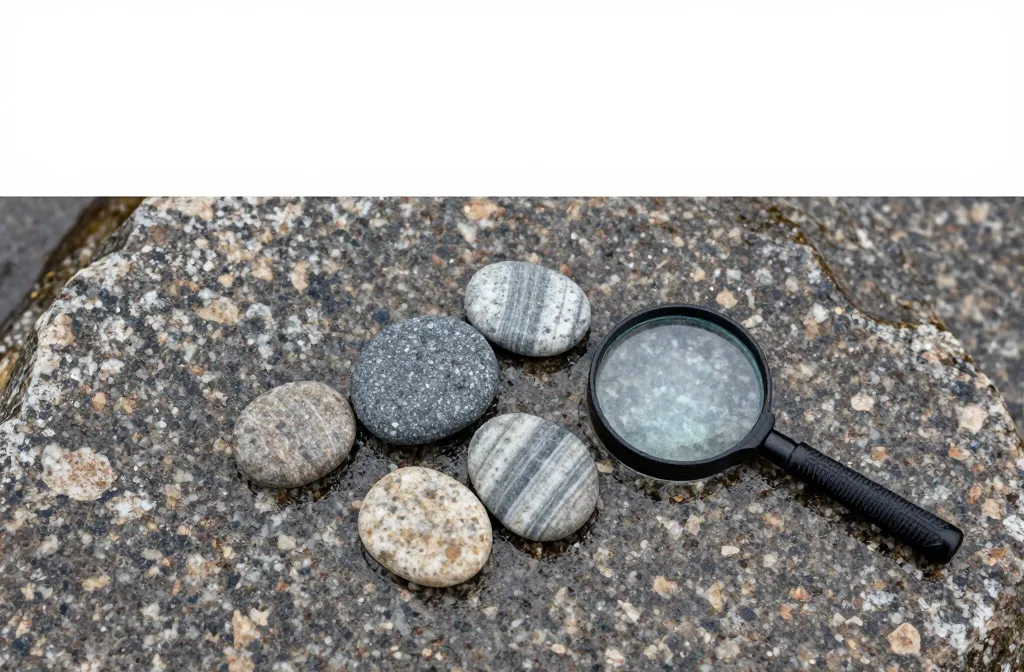
If you keep a pebble in your pocket or pause to admire a speckled curb stone, you’re already halfway to being a rockhound. The ordinary stones underfoot carry stories of volcanoes, vanished seas, and deep-Earth pressures—stories that connect directly to the gemstones we cherish.
This article pulls back the curtain on “everyday” rocks: what they are, how they form, and why gemologists pay close attention to them. You’ll learn how granite hides gemstone ingredients, why beach pebbles sometimes rival jewelry in beauty, and how a humble stone can whisper clues about sapphire, garnet, or opal.
We’ll talk appearance, feel, and durability in plain terms, and we’ll sprinkle in some buying and care pointers where they make sense. Expect a few myths to crumble along the way and a handful of practical tips you can use on your next walk.
Bring your curiosity. I’ll bring the hand lens and the stories.
Granite: The Glittering Countertop That Nurtured Gemstones
Most city curbs and kitchen counters are granite or its close cousins. On first glance it’s just salt-and-pepper speckling: pale quartz, creamy feldspar, and black mica. Look a little longer and you’ll see reflective plates of biotite or muscovite flashing like tiny mirrors. That texture—interlocking crystals grown slowly underground—is the same setting where many gemstones form.
Geologically, granite crystallizes from silica-rich magma that cools at a leisurely pace. This slow cooling lets sizable crystals grow, including gem varieties of beryl (emerald and aquamarine), topaz, and tourmaline in the surrounding pegmatites. If you’ve admired a sky-blue aquamarine or a watermelon tourmaline slice, thank a granitic neighborhood for the conditions.
Touch a granite block and you’ll feel a sugar-to-pea-grain texture. The clear bits are quartz (Mohs 7), giving granite its durability. The white to pink feldspar is a bit softer (6–6.5), which is why a glossy countertop can show micro-wear over time. Those black flecks? Amphibole or biotite, which can cleave into sheets. In gemstone cutting, this intergrowth and hardness mix explains why granite rarely becomes jewelry—but its pegmatite relatives are treasure chests. If you’re exploring a granite hillside and you see exceptionally coarse, pale veins with blocky crystals, you might be near pegmatite—a classic hunting ground for collectable tourmalines and beryls.
Basalt: The Dull Black Rock That Quietly Hosts Colorful Secrets
Basalt is the lava rock of ocean floors and volcanic plains, typically matte charcoal to black. It’s fine-grained, dense, and often pocked with tiny holes from escaping gas. Basalt itself is not a common gem material, yet it’s the stage on which brilliant performers appear.
In some basaltic lavas, gas bubbles later fill with secondary minerals, forming agate and amethyst-lined geodes. Those sparkling purple cathedrals in crystal shops? Many grew in the vesicles of ancient basalts. Basalts can also deliver gem olivine (peridot) in nodules and, in rare cases, sapphire crystals. Basalt-hosted sapphires tend to be inky blue to greenish blue and can show a moody, nocturnal hue compared to the bright blues from metamorphic marbles. Different origins, different personalities.
Basalt pebbles at the beach polish to a velvety sheen. Wet, they become deep graphite with faint metallic highlights. Though not jewelry-grade, their magnetic presence makes lovely accent stones in minimalist designs. If you’re curious about gemstone hardness, remember: olivine (peridot) is 6.5–7, quartz is 7, and sapphire is 9. A stray sapphire crystal in a basalt stream bed will outlast most companions, showing crisp, barrel-like forms that catch light even when unpolished.
Limestone and Marble: Sea Stories, Fossils, and a Stage for Sapphires
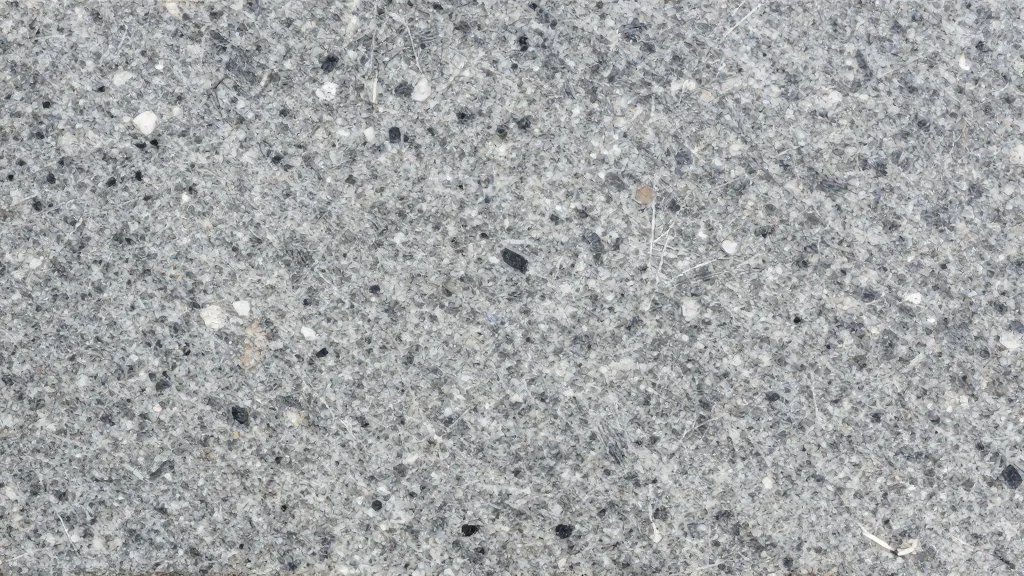
Pick up a chalky, pale stone with shell fragments embedded like little commas—you’re likely holding limestone, a rock born of warm, shallow seas. Subject that rock to pressure and heat, and its calcite grains recrystallize into marble, turning cloudy patterns into soft, sugary sparkles. Marble polishes to a gentle glow and feels cool to the touch, like a still pool at dusk.
Beyond architecture, marble is a quiet hero in gemology. Some of the world’s most famous sapphires and rubies formed in metamorphosed limestones and dolomites (marbles), where aluminum-rich fluids and low iron created those iconic, vivid hues. Marble-hosted blue sapphires often show a luminous, open color with fewer inky tones than their basalt cousins. If you enjoy Gemstone Comparisons, it’s a fascinating rabbit hole to study marble-hosted versus basalt-hosted sapphires: same species, different accents.
Handling limestone and marble is a lesson in care. Calcite sits at Mohs 3, making both rocks relatively soft and sensitive to acids. Vinegar will fizz on limestone and marble, a diagnostic test that also explains why lemon juice can etch a marble countertop. Gem collectors apply the same caution to calcite crystals or marble-set intarsia: no harsh cleaners, and store them away from harder pieces that could scratch their satin polish.
Sandstone and Its Colorful Offspring: Agate, Jasper, and Chalcedony
Sandstone is the humble cousin of the quartz family: sands cemented together by silica, iron, or calcite. You can often feel the grit on your fingers, like extremely fine sandpaper. Colors run from beige to brick red, with stripes recording ancient river channels and dunes. But the magic lies downstream in what sandstone becomes and what percolates through it.
Groundwater moving through silica-rich rocks lays down microcrystalline quartz—chalcedony—layer by layer. Agate, with its translucent bands that glow when backlit, is essentially chalcedony painted by trace minerals and formed in cavities. Jasper, by contrast, is the opaque, earthy sibling, often patterned with mossy or landscape scenes thanks to iron oxides and clay inclusions. Those picture jaspers that resemble painted deserts? They’re nature’s postcards from ancient sediments.
In the hand, agate feels glassy and takes a fierce polish, with Mohs hardness around 7. Jasper polishes to a warm, waxy luster. Both are durable enough for rings and bracelets, which is why they fill so many trays in Gemstone Jewelry cases. If you’re learning Gemstone Identification, a good tip is translucency: hold a thin edge of agate to the light; jasper stays stubbornly opaque. In a world of dyed and heat-treated stones, natural agate banding tends to be sharp and rhythmic, whereas artificial dyes can pool in fractures or show too-uniform color.
Schist and Gneiss: Sparkle, Stripes, and Hidden Garnets
Metamorphic rocks schist and gneiss turn mundane minerals into a fashion show. Schist sparkles with aligned mica flakes that flash like confetti. Gneiss sports bold, wavy stripes of light and dark minerals, a geological pinstripe suit. Both form as earlier rocks are squeezed and reheated, causing minerals to recrystallize and segregate into layers.
Garnet loves this environment. In many schists, you’ll find rounded, burgundy garnet crystals peppered like berries in a muffin. They’re often almandine, rich wine to reddish-brown, and can be surprisingly gemmy when weathered free from the matrix. If you sift a creek that drains a garnet schist hillside, those dense, glassy dodecahedra will settle into your pan like tiny, faceted marbles.
Garnet’s Mohs hardness ranges from 6.5 to 7.5, tough enough for daily-wear Gemstone Rings if properly set. Watch out for cleavages in the host rock, not the garnet—schist splits along mica layers, making it crumbly. A classic field tip: rub schist lightly and watch the mica glint; in contrast, gneiss has broader, more massive bands and less of that flaky shimmer. If you’re hunting Collector Gemstones, metamorphic terrains are fertile ground for surprises like kyanite, staurolite (the famed “fairy crosses”), and even star garnets in certain locales.
Beach Pebbles, River Stones, and the Art of Natural Polish
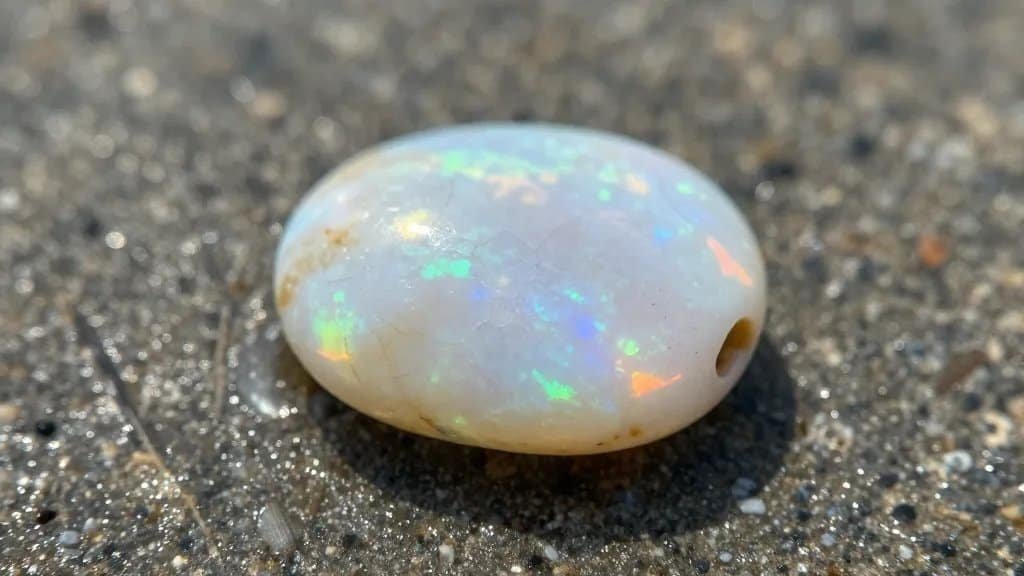
Nature runs a world-class lapidary shop. Water and sand tumble stones for years, rounding sharp edges and revealing inner character. Basalt turns satin-smooth, quartz pebbles become cold glass drops, and chert polishes to a muted glow with subtle translucency at the edges. Pick them up wet, and you’ll see saturated colors: olive greens, rusty reds, smoky grays. Dry, they soften to pastels—a good reminder of how light and moisture affect perceived color in cut gems too.
That natural polish hints at durability. Many of the best-pebbled stream stones are silica-rich and tough—qualities we prize in jewelry. I’ve seen river-worn agate slivers wire-wrapped into pendants that rival boutique designs. If you try this, check edges for chips and test fit against the skin; even rounded stones can have a hidden bite. For those thinking about Gemstone Care, a soft brush and mild soap will restore that wet-look glow without altering the surface.
Occasionally, a pebble looks almost too vibrant—electric blue or neon green. That can be natural, but it can also be human influence: slag glass from old foundries, ceramic fragments, or dyed stones spilled from craft kits. Natural chalcedony colors tend to be nuanced, with gradients or banding; man-made bits often show bubble trails, mold seams, or unreal uniformity.
How Everyday Rocks Guide Real-Life Gem Hunting
Gem seekers don’t wander at random; they read the bedrock like a map. Granite and pegmatite belts hint at tourmaline, topaz, and beryl. Marble zones raise eyebrows for sapphire and ruby potential. Schist fields suggest garnet and kyanite. Basaltic plateaus whisper about geodes hiding in old lava bubbles.
In the field, a hand lens is worth its weight. Look for crystal habit: hexagonal prisms may point to beryl; barrel-like, bipyramidal forms could be corundum; dodecahedral “soccer balls” suggest garnet. Feel also matters. Quartz-rich rocks feel glassy against a steel blade, and they’ll scratch window glass. Calcite-rich rocks will surrender more easily and fizz under a droplet of vinegar. A pocket magnet can separate iron-rich basalt clasts with magnetic flecks from lookalike, non-magnetic stones.
For those who enjoy Gemstone Facts, gravity helps too. In stream placers, denser minerals gather in curve-lee pockets and behind obstacles. Gold is the star of that story, but garnet, magnetite, and corundum also settle there. If you pan and see deep red, almost black grains with a glassy twinkle, you might be staring at a corundum concentrate. A UV flashlight can add another clue: some calcite glows pink or orange, scheelite pops blue-white, and certain fluorites light up like candy.
Myths and Misconceptions About Ordinary Stones
Myth: All shiny black stones are obsidian. Fact: Many are basalt or even man-made glass. Obsidian breaks with razor-sharp conchoidal fractures and a vitreous luster; basalt looks matte to satiny and granular. Obsidian also often reveals subtle flow bands in the light.
Myth: Red in any rock means ruby. Fact: More often it’s garnet, jasper, iron oxide staining, or even dyed material. Ruby is corundum and shows a distinctive hardness (9), often fluorescence under UV, and specific crystal habits. A small ruby crystal will scratch quartz, but not vice versa.
Myth: Fossil shells in stone prove it’s valuable. Fact: Fossils are fascinating but common, especially in limestones and shales. Value ties to rarity, preservation quality, and scientific interest. As jewelry, fossiliferous limestone is soft and better suited for pendants or beads that won’t see hard knocks.
Myth: All green beach pebbles are jade. Fact: Many are serpentine or green basalt. Jade (nephrite) feels unusually dense and slightly “soapy.” Under magnification, nephrite shows a fibrous, felted texture; serpentine is less tough and scratches more easily.
From Sidewalk to Showcase: Turning Common Rocks into Wearable Stories
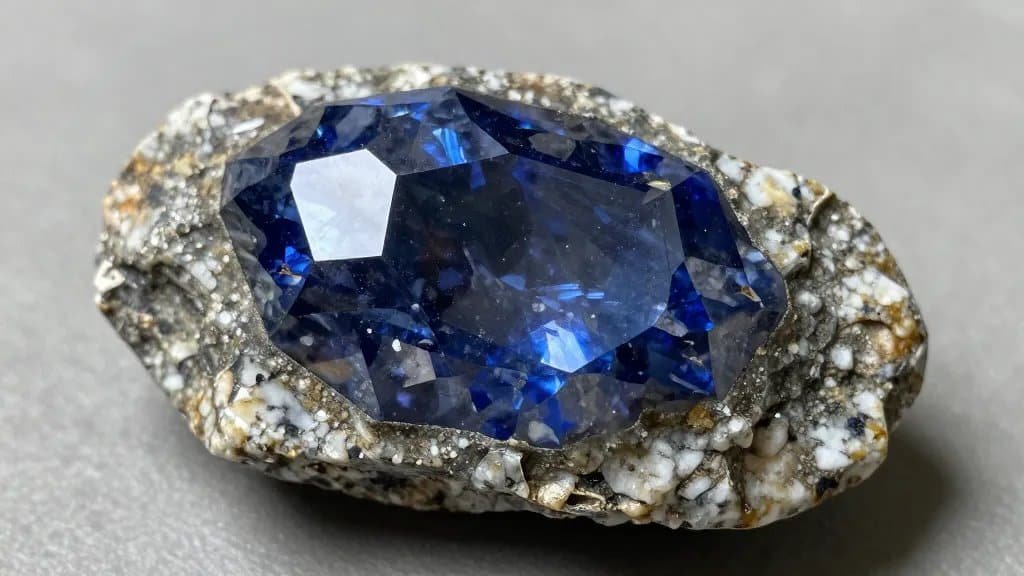
You don’t need a mine to make meaningful jewelry. A well-chosen river pebble can become a pendant that keeps a memory close. Look for stones free of deep cracks, with shapes that sit comfortably against the skin. Quartzitic pebbles and chalcedony slivers hold up well; chalky limestones and shales do not. A jeweler can drill with diamond bits under water cooling, then set a custom bail.
If you’re shopping for finished pieces, ask a few friendly questions: What’s the host rock? Has it been stabilized or dyed? How was it finished? Sellers who work with natural stones usually love to share the backstory. Cross-check with topics like Gemstone Buying Guide or Gemstone Value Guide to understand how durability and rarity influence pricing even with “simple” materials.
Care is straightforward. Treat most silica-rich stones like you would agate: mild soap, soft brush, no ultrasonic if there are natural fractures. Avoid acids for anything with calcite (marble, limestone, some fossil jewelry). For bracelets and rings that see knocks, choose tougher stones and protective settings; for necklaces and earrings, you can indulge in more delicate materials.
Identification Tips You Can Use Tomorrow
- Luster and Feel: Glassy and cool suggests quartz-rich rocks; waxy points to chalcedony; silky sheen can hint at fibrous minerals like serpentine or nephrite.
- Translucency Test: Hold a thin edge to light. Agate often glows; jasper stays opaque; chert is semi-translucent in thin chips with a porcelain snap.
- Streak and Scratch: A pocket knife (around 5.5) won’t scratch quartz (7). A porcelain tile streak plate reveals mineral powder color—hematite streaks red, magnetite black.
- Cleavage and Fracture: Mica splits into sheets; calcite breaks into rhombohedra; quartz chips with smooth, curved conchoidal fractures.
- Reaction to Acid: A tiny vinegar drop fizzes on limestone and marble but not on quartz-rich rocks.
- Heft: Pick two similar-sized pebbles; the denser one could be magnetite-rich, jade, or hematite. Heft is a surprisingly reliable field clue.
Why Everyday Rocks Matter to Gem Lovers
Understanding ordinary stones deepens your appreciation for extraordinary gems. Granite teaches us about slow cooling and pegmatites; basalt about vesicles and secondary mineral growth; marble about metamorphism that gifts us ruby and sapphire. River stones reveal how wear tests durability, a key concept in Gemstone Hardness and Gemstone Care. Even the humblest pebble can be a footnote in a much grander gemstone story.
FAQ
Can I find gem-quality stones in my backyard?
Sometimes. It depends on local geology. Areas near pegmatites, metamorphic belts, or old volcanic fields offer better odds. Check regional rock club guides and geological maps.
How do I tell agate from dyed glass pebbles?
Agate shows natural banding with subtle width changes and crisp transitions. Dyed glass often has bubbles, uniform color, and lacks internal structure. A loupe helps.
Are beach stones safe for ring settings?
Choose harder, tougher materials like agate or jasper. Softer stones (calcite-rich) will abrade quickly. Protective bezels and low-profile designs improve longevity.
Why does my marble jewelry lose its shine?
Marble is soft (Mohs 3) and sensitive to acids and abrasives. Gentle cleaning only, store separately, and avoid perfumes or citrus near the stone.
Do all black pebbles come from volcanoes?
No. Some are basalt, but others are chert, slate, or even industrial glass. Check luster, grain, and fracture. Basalt is fine-grained and typically non-glassy.
Is a red crystal in schist always garnet?
Usually, but confirm. Garnet forms dodecahedral shapes and has no cleavage. A loupe will reveal glassy luster and rounded crystal faces.
What simple tools should I carry for rock hunting?
A hand lens (10x), magnet, streak plate, pocket knife, and a small spray bottle. They’re lightweight and solve most field puzzles quickly.
A Closing Thought
The next time you pass a granite step or skim stones across a river, pause and look closer. Everyday rocks aren’t background—they’re the prologue to sapphires, garnets, and agates. Learn their language, and the world quietly fills with clues, each pebble a small, durable note in the song of gems. And if you feel the urge to keep a smooth stone in your pocket, well, that’s how many great gem stories begin—one ordinary rock at a time.

Christian Grey is the creator of GemMeaning, where he shares simple insights about crystals, gemstone meanings, and spiritual guidance. His focus is on making complex ideas easy to understand and practical for everyday life.