If you think rocks just sit there, you haven’t met the right ones yet. Some glow like living creatures, some rewrite what we thought we knew about time, and a few have survived journeys across space to end up on a jeweler’s bench. The world of gems and minerals is far stranger—and more delightful—than most people expect.
In this article, you’ll learn about minerals that float, diamonds that form in the deep mantle and carry messages to the surface, and opals that trap ancient raindrops. We’ll talk color tricks, myth-busting facts, and what all this weirdness means if you collect, buy, or wear gemstones.
By the end, you’ll have a pocketful of true stories you can share the next time someone admires your ring—or questions why you’re crouched in a gravel pile with a loupe and a grin.
Stones That Glow Like Fireflies: Fluorescence and Phosphorescence
Some rocks truly light up under ultraviolet light. The classic example is fluorite from Franklin, New Jersey, which fluoresces neon blue or green. Calcite can turn cherry red. Even diamond often shows blue fluorescence thanks to trace nitrogen. The effect is caused by electrons that get excited by UV light and then release that energy as visible color.
Here’s the weirder twist: a few minerals don’t just glow—they keep glowing after the UV is gone. Willemite and some sphalerite can show a faint afterglow called phosphorescence. Certain diamonds famously exhibit this effect, briefly shining ghostly blue when the light clicks off.
For collectors, a small UV lamp is a game changer. In a mixed lot, fluorescence can help separate varieties quickly. Jewelers also think about it; strong fluorescence in diamonds can slightly improve the face-up color of a yellowish stone, but in very rare cases may give a milky look in daylight. If that fascinates you, check out Gemstone Identification and Gemstone Facts for more light-based quirks.
Blue Sapphires That Aren’t Blue at All: Color Centers and Pleochroism
Color in gems isn’t always from metallic impurities. Sometimes it’s from defects in the crystal lattice called color centers. Smoky quartz gets its warm brown from radiation-altered aluminum impurities. Blue topaz, commonly seen in jewelry, is typically colorless topaz that’s been irradiated and heated to create stable blue color centers.
Then there’s pleochroism—gems showing different colors from different directions. Tanzanite (zoisite) can look violet, blue, or even burgundy depending on the viewing angle due to anisotropic absorption. Sapphire can shift from blue to greenish-blue; iolite shifts from violet-blue to honey-yellow. Cutters orient crystals carefully to present the most desirable face-up color, a subtle art that separates a merely nice stone from a mesmerizing one.
If you love color play, study Gemstone Colors and Gemstone Cuts. You’ll start to notice when a cutter leaned into or neutralized a gem’s directional hues.
Opals That Remember the Rain
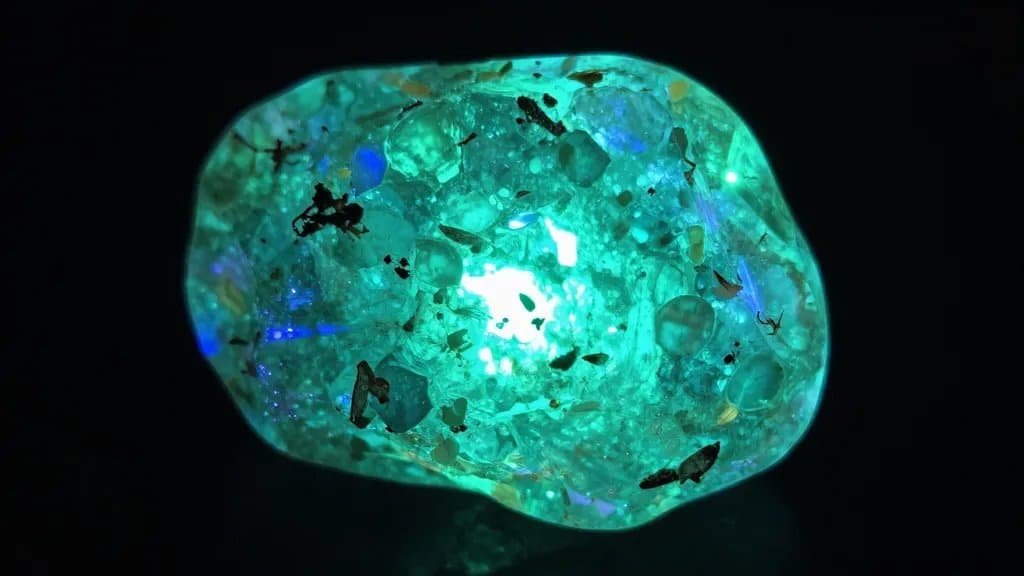
Opal isn’t a crystal at all—it’s a hydrated silica gel that hardened over time. Under magnification, precious opal reveals tiny silica spheres arranged in a grid. Those spheres diffract light like a well-engineered prism, causing the rolling rainbows we call play-of-color.
Here’s the real oddity: some opals preserve the shape of ancient raindrops or plant matter as they form in cavities and along fractures. The opal flows into a tiny impression, sets, and keeps that memory for millions of years. In rare cases, opal replaces wood cell by cell, turning a tree branch into a glittering fossil while preserving bark texture.
Opal’s water content (up to ~20%, usually 3–10%) also explains its quirks. It’s 5.5–6.5 on the Mohs scale, sensitive to sudden temperature changes, and can craze (develop tiny cracks) if it loses moisture quickly. For jewelry, rings benefit from protective bezels; pendants and earrings are lower risk. Store wrapped away from extreme dryness, and clean gently with a damp cloth—no ultrasonic cleaners. Explore Gemstone Care and Gemstone Jewelry for more practical tips.
Peridot From Space and Diamonds From the Deep
Not all gems begin on Earth’s surface stories. Peridot (gem-quality olivine) sometimes arrives in meteorites, its mossy-green crystals locked in an iron-nickel matrix. While most peridot jewelry is Earth-made, museum specimens of extraterrestrial peridot exist—proof that our planet’s gem chemistry isn’t unique.
Diamonds tell a deeper tale. They form roughly 150–200 kilometers down in the mantle, in crushing pressures and temperatures. Volcanic events called kimberlite or lamproite eruptions rocket them to the surface at extraordinary speed. Some diamonds even trap tiny minerals like ringwoodite that suggest water exists deep in the mantle, hinting at a hidden ocean locked in crystalline structures.
And then there are carbonado diamonds—black, polycrystalline diamonds with porous textures found in Brazil and the Central African Republic. Their origin remains debated. Some researchers propose shock events or unusual growth conditions, leading to a tough, gritty diamond unlike the glittering kind in engagement rings. If origin stories intrigue you, Gemstone History and Rare Gemstones are rabbit holes worth exploring.
Rubies That Write Secret Messages: Inclusions as Truth Tellers
Under a loupe, gems are biographical. Rutile silk in ruby can create a soft, velvety glow that actually improves the stone’s appeal. When oriented perfectly, that silk produces asterism—star rubies and sapphires with crisp rays that glide across the dome of a cabochon.
Emeralds almost always carry “jardins,” mossy gardens of inclusions that confirm natural origin. In fact, a too-clean emerald can raise eyebrows. Conversely, some fakes advertise themselves: gas bubbles in glass imitations are round and lonely; natural inclusions tend to be angular, jagged, or feather-like and often occur with other growth features.
Inclusions can even prove geography. Three-phase inclusions (a liquid, a gas bubble, and a tiny crystal) in emeralds are classic Colombian signatures. Zircon crystals trapped in Sri Lankan sapphires whisper of high-temperature histories. Learning to read these hints is part of Gemstone Identification—and part of the fun.
Stones That Float, Burn, or Smell Like Rotten Eggs
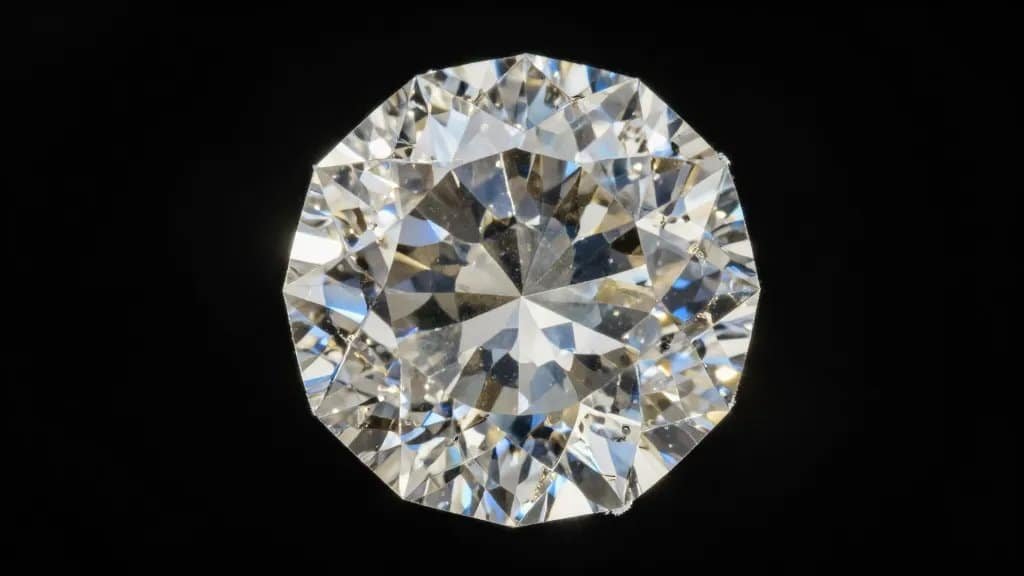
Yes, a few minerals float. Pumice, full of gas bubbles frozen in volcanic glass, is lighter than water and can raft across oceans. Amber, a fossilized tree resin often used in jewelry, can bob in saltwater and holds ancient inclusions like trapped insects or plant fragments. Real amber may release a piney, sweet scent when gently warmed or rubbed; copal (younger resin) smells resinous too but is softer and stickier.
Some minerals burn. Sphalerite releases a whiff of sulfur when scratched or heated because it contains zinc sulfide. Real cinnabar (mercury sulfide) is intensely red but toxic in powdered form—an important reminder that not all pretty minerals should be handled casually.
And a fun parlor trick: lick a halite crystal and it tastes like table salt—because it is. Don’t make a habit of tasting minerals, but geologists have been known to confirm halite this way in the field.
Lapis Isn’t a Single Mineral—and Neither Is Jade
Many beloved “stones” are actually rock composites. Lapis lazuli isn’t one mineral; it’s a mix dominated by lazurite, with white veins of calcite and glittering pyrite that look like stars in a midnight sky. The ideal lapis shows saturated royal blue with minimal calcite and just a dusting of pyrite. Too much white lowers value; a few golden flecks raise eyebrows in the best way.
Jade is more complicated still. Historically, “jade” referred to tough green stone used for carving. Today, gemologists separate it into jadeite (a pyroxene) and nephrite (an amphibole). Jadeite can be vivid “imperial” green, lavender, or black; nephrite tends to be cream to spinach-green. Both are tough—exceptionally resistant to breakage—despite moderate Mohs hardness (about 6–6.5 for jadeite, ~6 for nephrite). That toughness explains why ancient artisans carved razor-thin jade cups and axe heads that survived millennia.
If you’re buying, learn the ABC treatment scale for jade: A-jade is natural, B-jade is polymer-impregnated to fill pores, and C-jade is dyed. Color, translucency, and evenness decide price. A quick detour to Gemstone Buying Guide or Gemstone Value Guide will help you weigh quality factors.
Color That Changes With the Company It Keeps
Some gems are social chameleons. Alexandrite famously shifts from greenish in daylight to raspberry in incandescent light due to its unique absorption spectrum and the light source’s wavelengths. Marketing says “emerald by day, ruby by night,” and a fine alexandrite makes that more truth than slogan.
Garnet can pull similar stunts, though usually less dramatic—blue-to-purple color-change garnets are among the rarest and most collectible. Even sapphire can show subtle change. These gems are prized by collectors because they offer two personalities in one stone. If you’re shopping for color-change, always view under multiple lights before deciding; a phone flashlight and a sunny window can reveal a lot.
Hardness Isn’t the Whole Durability Story
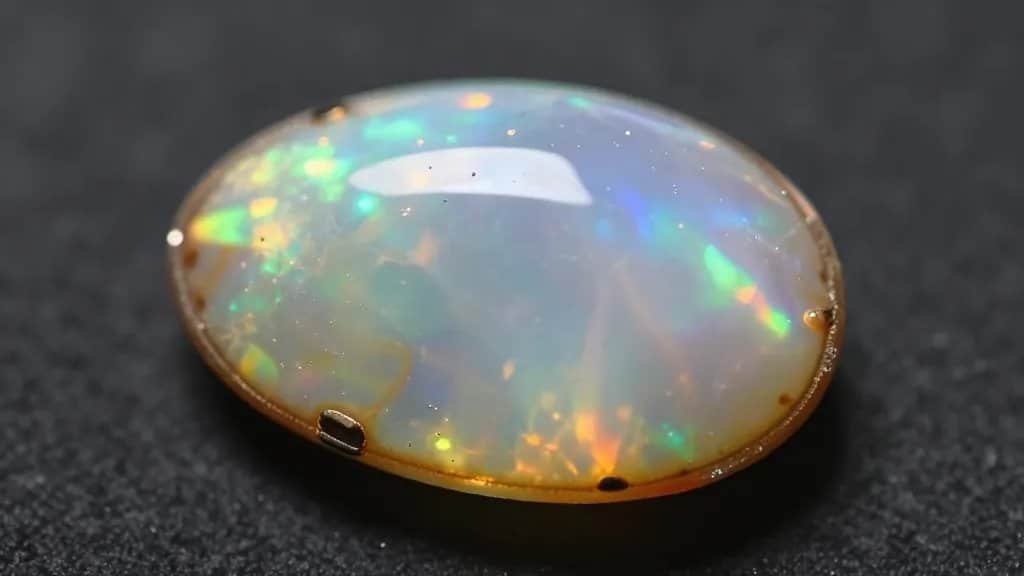
We love the Mohs scale because it’s simple. Diamond is 10, corundum (ruby and sapphire) is 9, topaz is 8, quartz is 7. But hardness only measures scratch resistance. A stone can be hard yet brittle. Emerald is ~7.5–8 but often riddled with fractures, so it chips more easily than sapphire.
Toughness (resistance to breaking) and stability (resistance to heat, chemicals, and light) matter too. Jade has superb toughness, which is why a jade bangle survives bumps that would shatter a comparably hard stone. Kunzite, by contrast, can fade in strong sunlight. Opal hates dry heat; pearls dislike acids and perfume. For jewelry choices, rings demand tougher stones; pendants and earrings can handle more delicate beauties. See Gemstone Hardness and Gemstone Jewelry for style-smart durability tips.
Gems Can Heal—But Not Your Body: Myths vs. Measurable Reality
People have ascribed powers to stones for ages. Amethyst was believed to prevent drunkenness, hence its Greek root “amethystos,” meaning “not intoxicated.” While the psychological comfort of wearing a meaningful stone is real, there’s no scientific evidence that gems cure illness. What they do offer is symbolism, beauty, and sometimes a personal ritual that makes life feel richer—valuable in their own right.
If you love stories, learn them alongside facts. Sapphire has long symbolized wisdom and loyalty; ruby stands for vitality and love; peridot has been called the evening emerald for its glow under lamplight. Pairing stones with meaningful occasions—like Birthstone Jewelry—can make gifts unforgettable without bending the laws of physics.
Lab-Grown Stones Are Real Gems—Just With a Different Origin Story
Here’s a misconception worth clearing: lab-grown rubies, sapphires, emeralds, and diamonds have the same chemistry and crystal structure as their natural counterparts. They’re not “fakes”; they’re real gemstones produced by controlled processes. What changes are inclusions, growth patterns, and trace elements.
For example, flame-fusion sapphires often show curved growth lines, while natural sapphires show angular zoning. Lab-grown diamonds can reveal metallic flux inclusions (HPHT growth) or distinctive strain patterns (CVD growth). Prices are generally lower because supply can be scaled, and the stones can be exceptionally clean.
If the story of origin matters to you, buy natural. If you value ethics, budget, or specific shapes and sizes, lab-grown is a great choice. Either way, request a report from a respected lab and read up on Gemstone Comparisons and Gemstone Buying Guide to shop confidently.
Oddities in the Field: Rocks That Write, Move, and Sing
Desert varnish—dark, glossy coatings of manganese and iron oxides—can make unassuming stones look lacquered. Ancient peoples used light-colored scratches in this varnish to create petroglyphs. The “moving rocks” of Racetrack Playa in Death Valley slide across the mud flats leaving long tracks; thin ice sheets, water, and wind work together to nudge them along, a slow-motion mystery solved with patient observation.
Then there are “singing sands” and “ringing rocks.” Certain sand dunes hum or boom when sand avalanches; some boulder fields in Pennsylvania emit bell-like tones when struck, likely due to internal stresses and mineral makeup. None of these make typical jewelry, but they’re part of the broader, delightfully strange mineral world we love.
Practical Tips: How to Harness the Weird for Smarter Buying
Use the odd facts to your advantage:
- Fluorescence check: A portable UV light helps verify rubies, sapphires, and even some diamonds. Consistent, expected fluorescence can support a gem’s identity.
- Color-change test: View under daylight, LED, and incandescent bulbs. True color-change gems should surprise you more than once.
- Inclusion reading: A 10x loupe reveals natural fingerprints. Learn the difference between angular mineral inclusions and round gas bubbles in glass imitations.
- Treatment awareness: Expect heat in sapphire and ruby, oil in emerald, irradiation in blue topaz. None are inherently bad; disclosure matters.
- Durability match: Choose stones that fit the jewelry role. Sapphire for daily rings; opal or tanzanite for occasional wear or protected settings.
- Value savviness: Rarity drives price—fine alexandrite, unheated ruby, neon Paraíba tourmaline. If a price seems too friendly for the story, ask more questions and consult the Gemstone Value Guide.
FAQs
Is strong fluorescence in a diamond good or bad?
It depends. Medium to strong blue fluorescence can make a faint yellow diamond look whiter, which many people like. Rarely, very strong fluorescence can cause a hazy look. Judge the stone in person under different lights.
How can I tell jadeite from nephrite at home?
It’s tough without tools. Jadeite tends to be more vividly colored and slightly denser; nephrite is creamier or spinach-green and extremely tough. A lab report is the surest answer.
Are all blue topaz stones treated?
Almost all blue topaz on the market is irradiated and heated to create stable blue color. Natural blue topaz exists but is very rare and usually pale.
What’s the safest daily-wear colored gemstone for a ring?
Sapphire and ruby (corundum, Mohs 9) are top choices for everyday rings due to hardness and toughness. Spinel is also excellent. Emerald needs more care because of inclusions and treatments.
Do lab-grown diamonds test as real diamonds?
Yes. They’re chemically and physically diamond, so most thermal testers read them as such. Specialized instruments are needed to distinguish lab-grown from natural.
Can opals dry out if I don’t wear them?
They can lose moisture in very dry environments and develop crazing. Store away from heat and low humidity, and avoid prolonged sunlight or sealed desiccating containers.
Is alexandrite’s color change always dramatic?
No. Fine stones show strong green-to-red shifts, but many exhibit subtler changes like teal to mauve. Always check under different light sources before buying.
Final Thoughts
The strangest truths about rocks make them more lovable, not less. Fluorescent glows, space-born crystals, star-bearing rubies, and water-rich opals remind us that gems are stories locked in stone. Learn the quirks, and you’ll choose better jewelry, care for it wisely, and enjoy a deeper connection to the sparkling, surprising world beneath our feet.

Christian Grey is the creator of GemMeaning, where he shares simple insights about crystals, gemstone meanings, and spiritual guidance. His focus is on making complex ideas easy to understand and practical for everyday life.