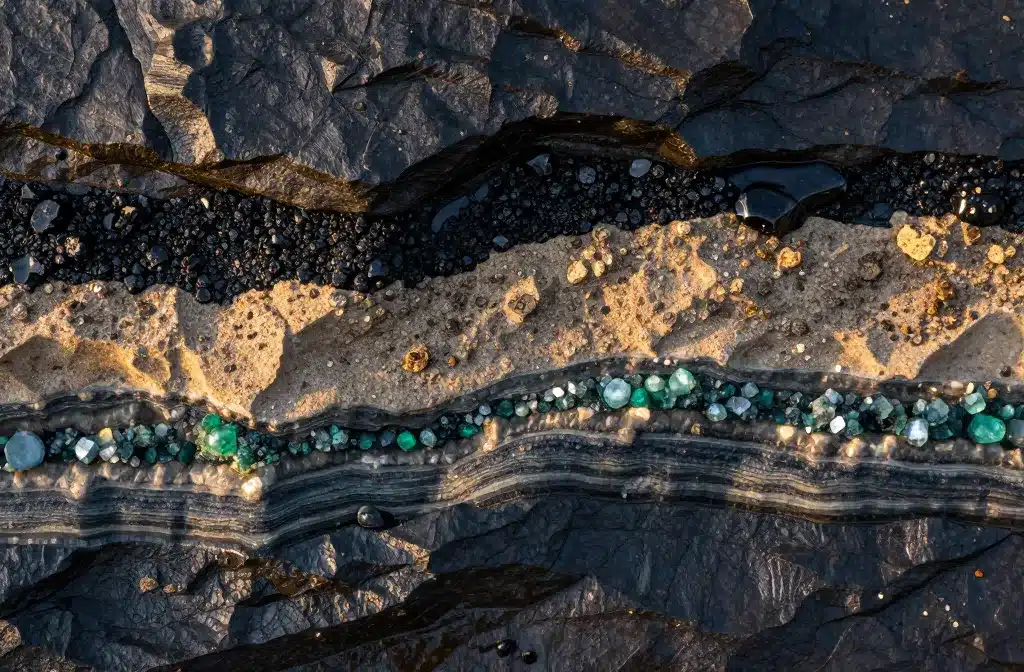
Pick up a stone from a riverbed or beach and you’re holding a time capsule. Rocks carry stories of vanished oceans, erupting mountains, and the restless chemistry of Earth’s deep interior. For anyone who loves gemstones, those stories turn into color, sparkle, and texture—the vocabulary of beauty written in minerals.
This guide unpacks surprising, useful, and sometimes mind-bending facts about rocks that every nature lover should know. You’ll learn how rocks form, why some glow like traffic lights while others whisper in muted grays, what makes a gem hard or fragile, and how to tell a natural treasure from a clever imitation. You’ll also pick up practical tips for collecting, caring for, and enjoying stones in jewelry and at home.
Consider it a friendly tour from the bedrock beneath your feet to the gems that light up a showcase—plenty of science, but always grounded in what your eyes and hands can feel.
The Three Families of Rock—and How Gems Hide Inside
All rocks fit into three broad families: igneous, sedimentary, and metamorphic. Knowing which family you’re looking at explains a lot about color, texture, and where gemstones might be found.
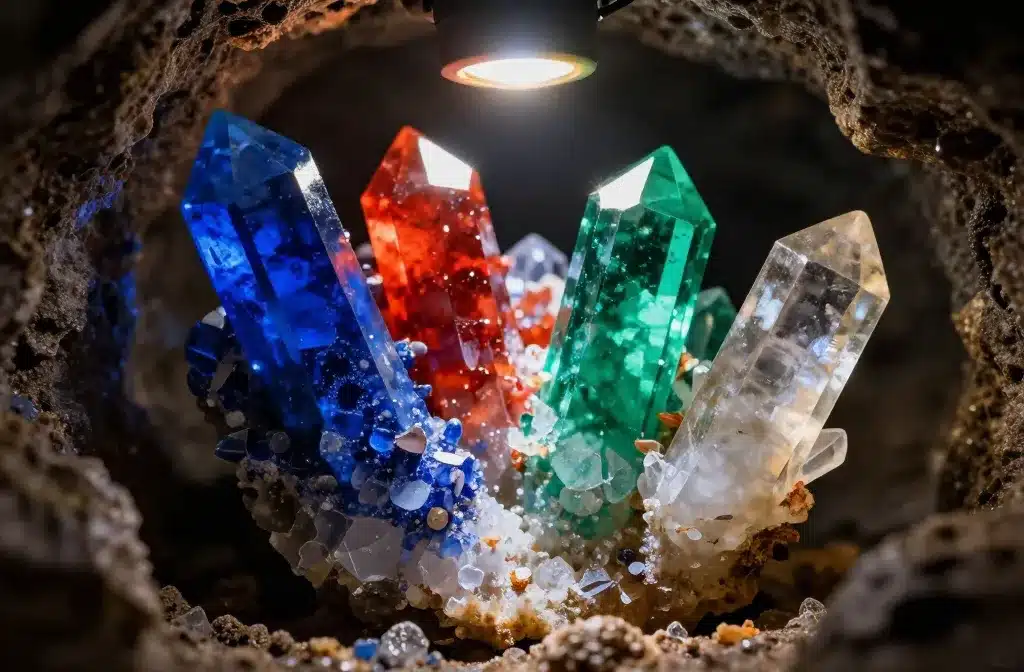
- Igneous: Born from cooled magma or lava. Think basalt, granite, and pegmatite. Pegmatites—those coarse-grained igneous bodies—are nature’s jewelry boxes, often hosting tourmaline, beryl (aquamarine, emerald), topaz, and spodumene (kunzite). Big crystals grow when fluids cool slowly and concentrate rare elements.
- Sedimentary: Built from layers of sand, silt, shells, and dissolved minerals. Limestone and sandstone are classics. Sedimentary pockets yield opal, malachite, azurite, and the banded beauty of agate and jasper in ancient waterways and volcanic ash deposits.
- Metamorphic: Rocks reworked by heat and pressure without melting. Here you meet marble, schist, and gneiss. Many prized gems—ruby, sapphire, spinel, garnet—crystallize as old rocks recrystallize, squeezing and baking minerals into new forms.
In practice, gem fields often sit at the boundaries where these families meet—faults, old mountain roots, and weathered pegmatites. If you’re scouting, think edges and transitions.
Color: Not Just Pretty—It’s Chemistry and Light at Work
Why does one quartz look smoky, another violet, and a third colorless? Color in rocks and gemstones mainly comes from trace elements, crystal structure, and defects that interact with light.
- Chromophores: Trace metals act like artists’ pigments. Chromium turns beryl green into emerald and corundum red into ruby. Iron shapes the blue of aquamarine and plays a role in amethyst’s purple glow (with a dash of natural radiation).
- Color Centers: Tiny defects from radiation or stress trap electrons and tint a crystal, as in smoky quartz or some topaz.
- Physical optics: Play-of-color in opal, labradorescence in labradorite, and aventurescence in sunstone arise from light interference and scattering within microstructures—more like a peacock’s feather than paint.
Look closely: true color often shows hints and zoning under strong light or a loupe. Fine gems balance saturation, uniformity, and glow. Collectors gravitate to hues that keep their richness in both daylight and warm indoor lighting—an easy test when browsing Gemstone Jewelry or doing a quick Gemstone Comparisons check.
Hardness, Toughness, and Why Some Stones Love Daily Wear
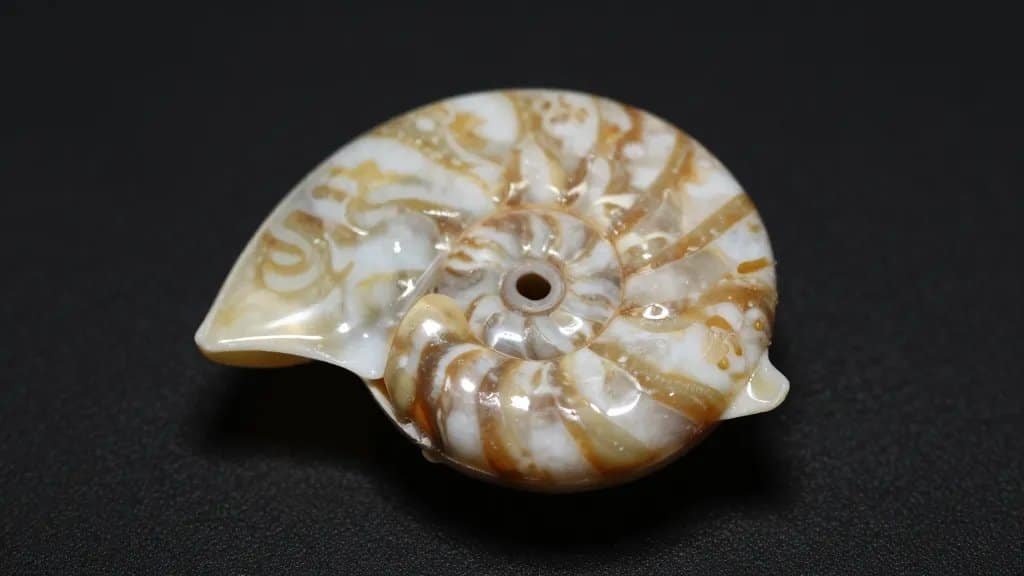
Not all “hard” is equal. On the Mohs Scale, diamond tops out at 10, corundum (sapphire, ruby) at 9, and quartz at 7. But jewelry performance depends on two things:
- Hardness: Resistance to scratching. A sapphire will shrug off everyday dust (which contains quartz), while softer feldspars and calcite won’t.
- Toughness: Resistance to breaking or chipping. Jadeite and nephrite are tough, even though they’re not super hard. Diamond is incredibly hard but can cleave if struck just right along a weak direction.
Practical takeaway: for rings and bracelets—where knocks are common—choose stones with Mohs 7.5+ and good toughness. Sapphire, spinel, chrysoberyl, and diamond excel. For earrings and necklaces, you can go more adventurous: opal, moonstone, sunstone, or fluorite look lush in safe settings. If you’re comparing choices, a quick browse of Gemstone Hardness and Gemstone Value Guide topics can be handy before you buy.
Inclusions: The Birthmarks That Prove a Rock’s Story
Every natural stone has a past, and inclusions are the diary entries. They’re not always flaws; many are personality.
- Crystal inclusions: Tiny rutile needles make star sapphires glow; pyrite in lapis lazuli looks like a galaxy of gold flecks.
- Growth features: Color zoning, hexagonal growth lines in corundum, or “tiger stripes” in zircon speak to changing conditions as the crystal grew.
- Fluid and gas: Two-phase inclusions with a bubble and a liquid are common in quartz and emerald, telling us about temperature and pressure at formation.
Collectors love distinctive inclusions—horse-tail patterns in demantoid garnet, for instance, are almost a signature. For identification, inclusions also separate natural stones from synthetics or simulants, a skill you’ll sharpen with resources on Gemstone Identification and practical loupe work.
The Heat, Light, and Human Hands: Treatments That Change a Stone
Many gems get a little help to look their best, and that can be fine—if everyone is honest about it. Transparency about treatment affects price, care, and long-term stability.
- Heat treatment: Common and accepted for sapphire and ruby, improving color and clarity. Citrine is often heat-treated amethyst. The effects are stable and permanent.
- Irradiation: Used to brighten topaz blues and enhance some fancy diamonds and quartz. Usually stable, but prolonged intense light can sometimes nudge color over years.
- Fracture filling: Oils and resins fill emerald fissures, improving clarity. Glass filling in ruby is less durable—avoid ultrasonic cleaners and harsh chemicals.
- Surface diffusion and coatings: Add or alter color near the surface (blue sapphire diffusion, metallic coatings on topaz). Prices should reflect the treatment; durability varies.
Rule of thumb: ask for disclosures in writing. Untreated stones of vivid color fetch higher prices. If you lean toward heirloom quality, prioritize natural color or stable, classic treatments and consult a clear Gemstone Buying Guide or a reputable lab report.
From Crust to Showcase: Where Famous Gems Are Born
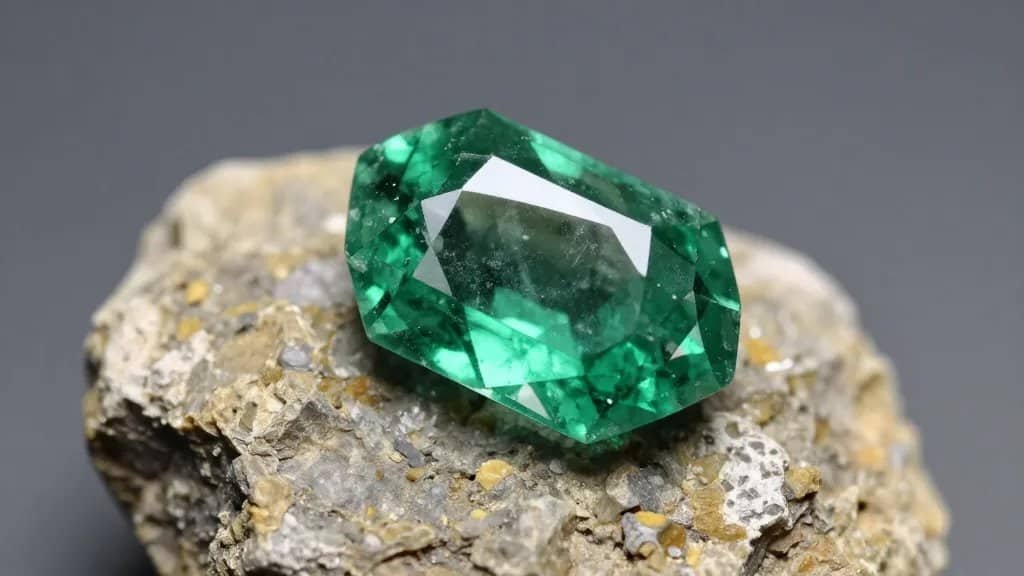
Some regions read like a greatest-hits album for stones. Their geological history explains the parade of color that emerges from the ground.
- Kashmir and the Himalaya: Metamorphic belts produced velvety blue sapphires (now mostly historic) and fine spinel. Alpine clefts also yield rock crystal and smoky quartz of dramatic clarity.
- Myanmar (Burma): Marble-hosted ruby and spinel from Mogok, famed for high fluorescence and saturated hues.
- Colombia: Emeralds from black shales and hydrothermal veins—a unique sedimentary-metasedimentary setting that gives stones luminous, slightly bluish greens.
- Brazil: Pegmatite paradise: tourmaline rainbows, imperial topaz, aquamarine, and rare tantalizing gems like paraíba tourmaline, famed for copper-driven neon blues.
- East Africa: Tanzania and Kenya yield tanzanite, tsavorite garnet, and vivid spinel—young mountains, old cratons, and fertile metamorphic chemistry.
Origin can influence value, but beauty is still king. A bright, well-cut sapphire from Madagascar can outshine a ho-hum stone from a blue-chip source. Origin stories matter most when comparing top-tier goods or building a portfolio of Collector Gemstones.
Real vs. Fake: Quick, Reliable Field Clues
You don’t need a full lab to dodge most impostors. A few habits and tools make a big difference.
- Weight and feel: Glass simulants often feel warmer and lighter; real quartz or beryl has a cooler, denser hand feel.
- Bubbles and swirls: Round gas bubbles usually scream glass. Curved growth lines suggest flame-fusion synthetics; natural corundum shows angular zoning.
- Refractivity: A simple polariscope or even a polarized sunglasses trick can hint at single vs. double refraction; calcite doubling of print is a classic demo.
- Scratch sanity: Don’t scratch your gem, but know the hardness landscape. If a “sapphire” scuffs from a quartz point, it’s not sapphire.
- Thermal trick: Diamonds disperse heat rapidly; diamond testers exploit this. Not perfect—moissanite can fool them—so use them as one data point only.
When value climbs, ask for professional documentation and learn the basics via Gemstone Facts and Gemstone Myths resources. Trustworthy dealers welcome questions.
How Rocks Weather into Treasure: Rivers, Beaches, and Deserts
Weathering and erosion sculpt raw geology into collectible forms. River-tumbled agates develop a waxy polish and rounded shapes, ideal for pocket stones. Beach stones show a matte, sea-glass satin from constant surf abrasion. Desert varnish paints basalt with a chocolate glaze of manganese and iron oxides, a natural patina centuries in the making.
Look for:
- Heft in the hand: Dense, fine-grained rocks and iron-rich jaspers feel satisfyingly heavy for their size.
- Hidden pattern: Wet a stone or use a spray bottle. Agate banding, plume patterns, and orbicular textures jump to life.
- Fresh fractures: A newly broken face reveals the true color beneath oxidation—helpful for identifying jasper vs. chert vs. rhyolite.
Cutting and Shaping: How Lapidary Brings Light to Life
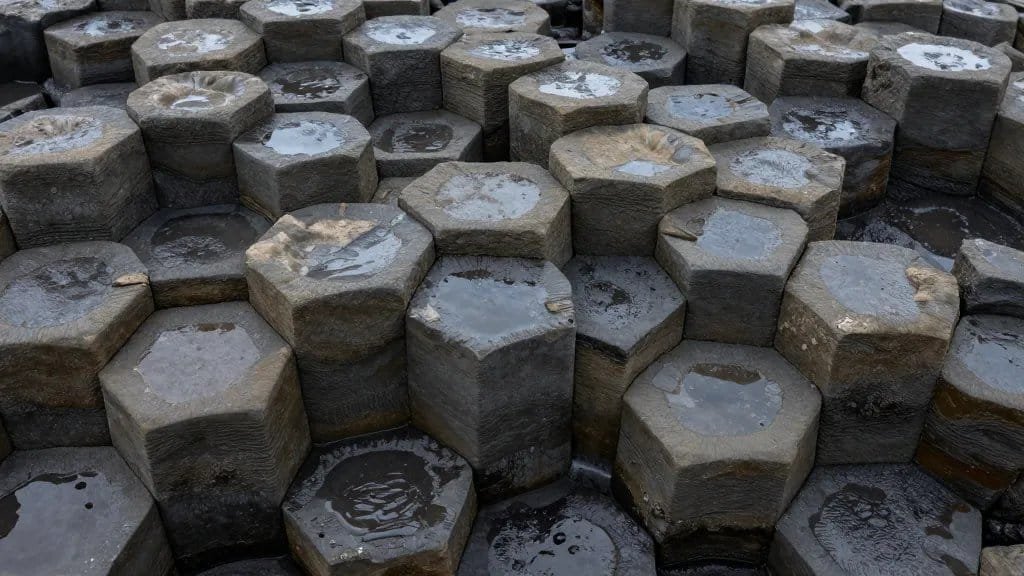
A rock becomes a gemstone when good cutting coaxes out brilliance or texture. Different materials ask for different approaches.
- Faceting: Best for transparent stones like sapphire, topaz, tourmaline, and garnet. Proper angles bounce light back to the eye, creating brightness and fire. Shallow windows or deep extinction sap energy.
- Cabochons: Domed cuts enhance pattern and phenomena—star sapphires, opal play-of-color, moonstone adularescence, or the mossy scenes in agate. A high polish and well-proportioned dome lift the look.
- Carving and beads: Jade, lapis, and quartz varieties take elegant relief carving; beads highlight uniform color and texture in strands.
Shopping tip: judge symmetry, polish, and how the stone performs in different lights. For styling ideas, explore Gemstone Cuts, Gemstone Shapes, and how they pair with Gemstone Rings and Gemstone Necklaces.
Care and Cleaning: Keep the Story Shining
Each stone has a comfort zone. A few rules protect most collections and jewelry.
- Safe Cleaning: Warm water, mild soap, soft brush. Rinse thoroughly and dry with lint-free cloth. Avoid ultrasonic and steam for opal, emerald (especially fracture-filled), turquoise, and glass-filled ruby.
- Storage: Wrap individually. Diamonds and sapphires can scratch softer neighbors. Keep opals slightly humid; extreme dryness can craze them.
- Chemicals and heat: Remove jewelry before swimming, cleaning, or sauna. Chemicals can etch or stain porous stones like turquoise and untreated lapis.
- Settings: Bezel or protective prong designs help fragile stones survive daily wear. Recheck prongs annually; gems don’t bounce.
Treat your stones like little sculptures. Gentle care preserves both sparkle and value—knowledge reinforced in any solid guide to Gemstone Care.
Symbolism and Stories: Why We Keep Reaching for Stones
Across cultures, rocks and gems mark life events and personal milestones. Garnet’s wine-red warmth has symbolized safe travel; sapphire stands for fidelity and clear thinking; opal, with its shifting lights, embodies inspiration and change. These meanings linger in Birthstone Jewelry traditions that pair months with gems, from January’s garnet to December’s tanzanite, turquoise, or zircon.
Even uncut rocks carry mood. A palm-sized piece of labradorite flashes with blue fire when the angle is right—more like catching a secret than just looking. Jasper’s earthy patterns feel grounding on a desk. The right stone meets you halfway: color for the eyes, heft for the hand, and a story that fits your day.
Value Factors: What Makes One Stone Worth More Than Another
Gem value is a mix of rarity, beauty, demand, and integrity.
- Color and clarity: Vivid, clean stones fetch premiums. Some varieties, like emerald, tolerate inclusions more than others; transparency still matters.
- Cut quality: A bright, well-proportioned cut can make a modest stone sing and a great one unforgettable.
- Carat weight: Prices often jump at certain thresholds—1, 2, or 5 carats—especially when color and clarity stay strong at size.
- Origin and treatment: Desirable origins and minimal treatment lift prices. Lab reports help justify investment-grade buys.
If you’re building a meaningful collection, track purchases, request documentation, and revisit a clear Gemstone Value Guide. Beauty first, paperwork second—but both matter.
Field Notes for Rockhounds: Safe, Smart, and Satisfying
Collecting your own material connects you to geology at walking speed. A few tips elevate the experience.
- Permission and respect: Research land ownership and regulations. Some classic sites are off-limits or require permits; leave no trace.
- Simple kit: Sturdy shoes, eye protection, gloves, a rock hammer, chisels, water, and a light. Zip bags and a sharpie for labels—the easiest way to keep stories with stones.
- Observe before you strike: Follow veins, look for float (loose pieces eroding from a source), and read layers at cut banks and roadcuts.
- Test gently: Pocket lens, magnet, spray bottle. Note streak color on unglazed tile (not on someone’s kitchenware!).
Labeling is love. Even a simple note—“Agate nodule, creek bend south of bridge, March 2026”—turns a pretty pebble into a memory with coordinates.
FAQs
What’s the difference between a rock and a mineral?
A mineral is a single, naturally occurring substance with a defined composition and structure. A rock is an aggregate of minerals (or mineraloids like opal), often mixed in varied proportions.
Why do some gemstones show a star or cat’s eye?
Needle-like inclusions aligned within the crystal scatter light into a star (asterism) or a single line (chatoyancy). Cabochon cuts best reveal these effects.
Is lab-grown the same as fake?
Lab-grown gems have the same chemistry and structure as natural ones; they’re real gems, just grown in a lab. “Fakes” or simulants (like glass) only imitate the look.
Can sunlight fade gemstones?
Some can fade—kunzite, some amethyst, and dyed stones are sensitive. Store them away from prolonged direct sun when not worn.
How do I quickly test if a stone is quartz or glass?
Look for rounded gas bubbles (glass), check crisp conchoidal fractures, and feel: quartz is cooler and harder, resisting scratches from a steel blade that glass might take.
Are untreated gems always better?
Not always. Unheated stones can be rare and valuable, but a beautifully treated gem with stable methods can be more affordable and equally lovely for daily wear.
Which stones are safest for engagement rings?
Diamond, sapphire, and spinel are excellent. Chrysoberyl and moissanite also perform well. Avoid soft, brittle, or highly included stones for daily ring wear.
Final Thoughts
Rocks and gemstones connect the deep past to the present through color, pattern, and sparkle. Learn their families, respect their quirks, and choose stones that match your lifestyle. With a curious eye and a little know-how from topics like Gemstone Care and a practical Gemstone Buying Guide, every stone you pick up—on a trail or in a boutique—can become a small, enduring piece of Earth’s story worth keeping close.

Christian Grey is the creator of GemMeaning, where he shares simple insights about crystals, gemstone meanings, and spiritual guidance. His focus is on making complex ideas easy to understand and practical for everyday life.