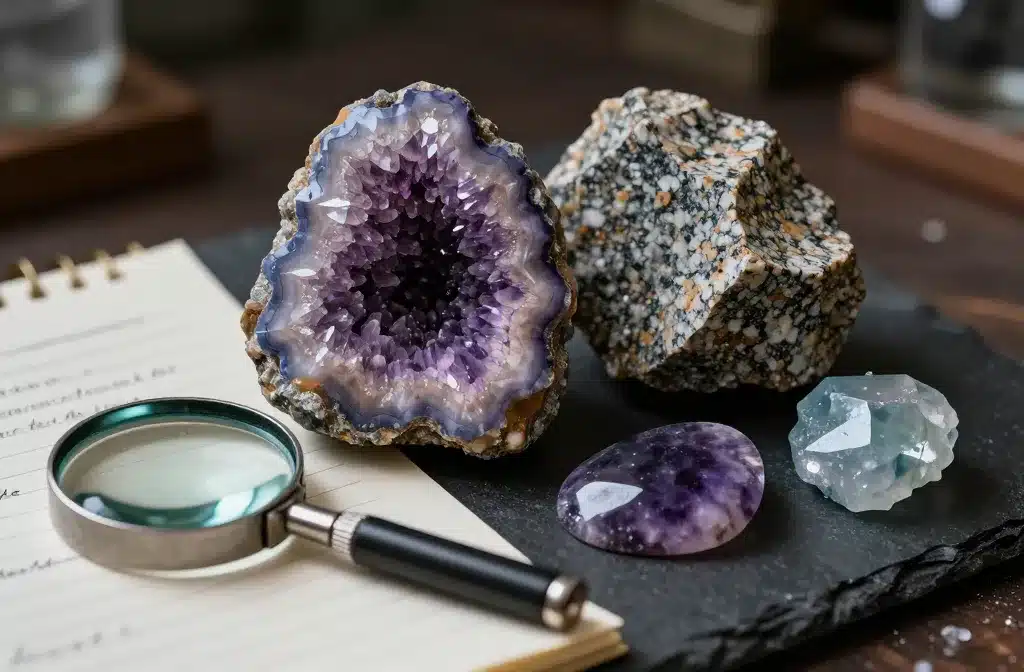
Rocks don’t demand attention the way a diamond does, yet every gem you love began as an unassuming fragment of Earth. If you enjoy gemstones, understanding rocks turns the lights on behind the sparkle. You start seeing not only color and flash, but the time, pressure, chemistry, and chance that created them.
Here you’ll learn how rocks shape gemstone quality, why certain locales produce unforgettable colors, and how everyday stones hide micro-worlds. We’ll untangle myths, show you how to read a rock’s history at a glance, and share collector tips that make your next find more meaningful.
Expect stories about molten origins, seas turned to stone, and the fine line between rock and gem. I’ll keep it practical and human, like a bench-side chat in a lapidary studio, with dirt still on our boots and a loupe in hand.
By the end, you’ll never look at gravel—or your jewelry box—the same way again.
Rocks Are Not Just “Stones”: They’re Living Time Capsules
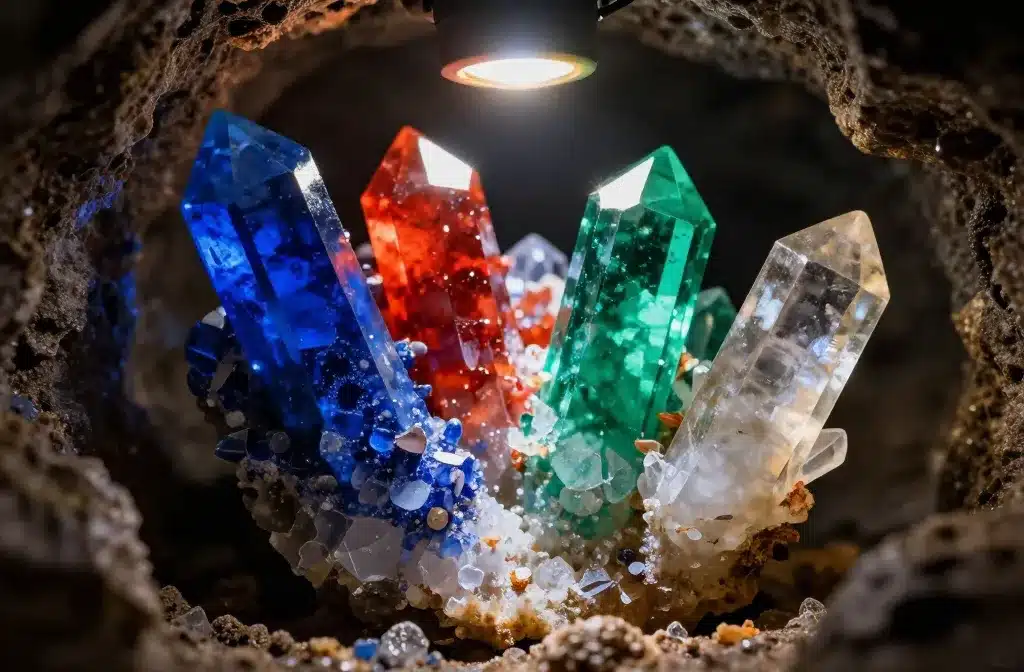
A rock is a mosaic of minerals, and those minerals are nature’s ledger. Each crystal records pressure, temperature, chemistry, and even tiny fluids from its formation. Hold a granite and you’re holding quartz, feldspar, and mica that cooled from a magma body millions of years old. That same cooling history affects how gems crystallize in pegmatites—fat veins that often gift us tourmaline, aquamarine, and topaz.
Sedimentary rocks carry their own diary. Thin, even layers of limestone can trap fossils and micro-shells; in the right conditions, long-buried shells dissolve and leave cavities that later fill with chalcedony and quartz, becoming agates and geodes. Metamorphic rocks are the makeover artists—existing rocks transformed under heat and pressure. That’s where you meet starry garnets in schist or silky blue kyanite blades in quartzite.
When you learn to “read” a rock’s texture—coarse versus fine, glassy versus granular—you catch hints about the gems it could host. Coarse, sugary textures might mean slow cooling, big crystals, and room for gemstones to grow. Glassy or very fine textures can indicate quick cooling or extreme conditions, less friendly to larger gem crystals.
The Three Rock Families and Where Gems Hide
Every rock belongs to one of three families, and each has favorite gemstones.
- Igneous (born of melt): These include basalts and granites. Gas pockets in basalts can become amethyst or agate geodes; granitic pegmatites are the treasure chests, producing tourmaline, beryl (aquamarine, morganite), topaz, and spodumene (kunzite). Mohs hardness varies by mineral—beryl is 7.5–8, topaz is 8, quartz is 7.
- Sedimentary (laid down in layers): Think sandstone, shale, limestone. While major transparent gems are rarer here, sedimentary environments give us opal, malachite, jasper, and lapis lazuli. Opal’s play-of-color forms in silica-rich fluids moving through porous rocks. Lapis, technically a rock, owes its ultramarine to lazurite with pyrite sparkles.
- Metamorphic (altered under heat/pressure): Schist, gneiss, marble, and serpentinite. These can host sapphire and ruby (corundum, Mohs 9), garnet (6.5–7.5), and emerald’s cousin, chromium-rich green jadeite (6.5–7). Metamorphism reorganizes atoms, often purifying or concentrating elements that deliver intense gemstone colors.
Knowing the family helps you predict durability. Gems born in harsh metamorphic settings often excel at hardness and toughness; opal from gentle sedimentary pockets is beautiful but requires more careful wear.
Why Some Rocks Flash Like Gemstones Without Being Gems
Walk a riverbed and you’ll notice rocks that glitter. That sparkle can come from mica plates flashing like fish scales or from tiny quartz grains catching light. It’s easy to confuse flash with true brilliance.
Gem brilliance is about how light bends and bounces inside a crystal. Transparent minerals with a higher refractive index—like zircon or sapphire—return light in concentrated flashes, creating the lively look we expect in cut stones. A rock with random, opaque grains may glitter, but it won’t focus light the way a faceted gemstone does.
That said, rocks can carry gemmy surprises. A chunk of basalt might hide a pocket lined with purple amethyst points. A dull gray schist may reveal almandine garnets, round and wine-red, tucked like berries in foliage. The trick is knowing where to split, tap, or simply look closer—often with a loupe—to find those micro-scenes.
Color Comes From Chemistry, But Also From Where a Rock Grew Up
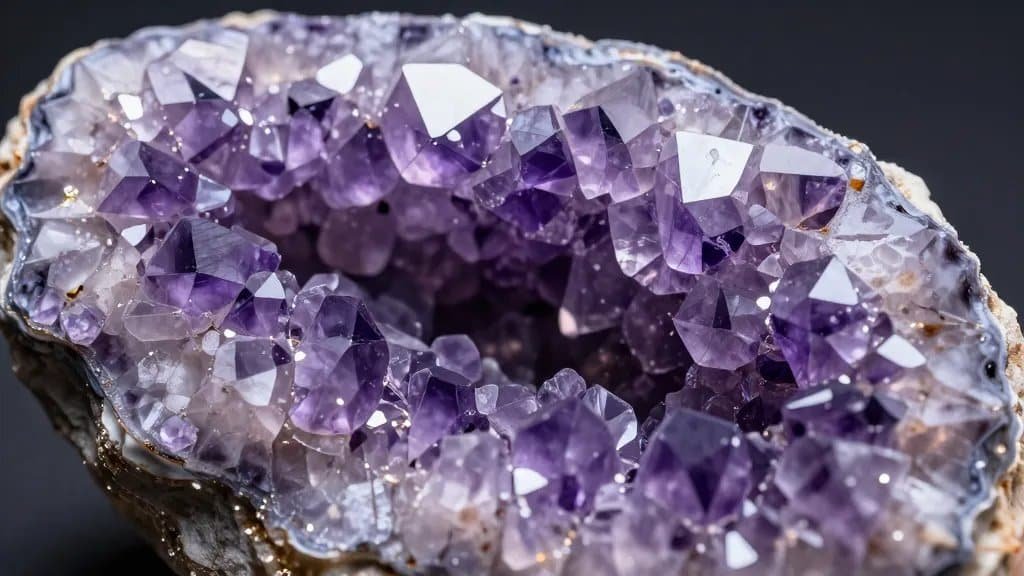
Gem color is chemistry meeting environment. Trace elements do the painting: chromium makes ruby red, iron colors aquamarine and peridot, manganese turns tourmaline pink, and copper can light up Paraíba tourmaline with electric blue. But the rock’s origin story matters just as much.
Take sapphire. In basaltic terrains, iron and titanium in the host rock push sapphires toward intense blue and sometimes inky tones. In marble-hosted deposits, low iron yields super-saturated but often silky blues with soft inner glow. Emerald thrives in metamorphic zones where beryllium-rich fluids brush against chromium- or vanadium-bearing rocks. That collision zone is rare—hence emerald’s rarity and the value factors you’ll see in any Gemstone Value Guide.
Color zoning—rings or patches of differing color within a crystal—reflects fluctuating conditions during growth. In a cut gem, zones can make color uneven; in a rough rock, they read like growth rings on a tree. With practice, you can look at a rock chip and predict how a lapidary might orient the stone to highlight the best hue.
Hardness, Toughness, and the Everyday Survival of Stones
Mohs hardness is only part of the story. A quartz pebble (7) resists scratches from common dust, while apatite (5) scuffs quickly. Yet toughness—resistance to breaking—can matter more in jewelry. Jadeite, though not the hardest (about 6.5–7), is famously tough because its fibrous structure disperses impact.
Inside rocks, the space between grains and the way minerals interlock changes durability. A tightly intergrown granite resists weathering; a friable sandstone sheds grains with a thumb rub. For gemstones, a dense, clean crystal typically takes a better polish and holds a facet edge longer.
Practical tip: For jewelry you’ll wear daily—rings and bracelets—favor stones 7.5 and above or with excellent toughness. Reserve opal and softer gems for earrings, necklaces, or protected settings. If you like specifics, see Gemstone Hardness and Gemstone Jewelry guides for pairing stones with daily habits.
Rocks and Their Microworlds: Inclusions You Can Love
Inclusions are not always flaws; they’re signatures. Within rock-hosted crystals you might find:
- Fluid inclusions—tiny bubbles of ancient water or carbon dioxide that can shimmer as the stone moves.
- Needles and silk—rutile fibers forming star effects in corundum or silky sheens in moonstone.
- Crystal gardens—minute pyrite cubes in lapis or chlorite sprays in quartz, creating landscapes in miniature.
Collectors prize included quartz with chlorite “phantoms” or tourmaline “watermelon” zoning—green rims, pink hearts—born from shifts in fluid chemistry. In the lab, those same inclusions help gemologists distinguish natural stones from synthetics. In rocks, they tell us what the surrounding geology was doing at the moment the crystal paused, breathed, and grew again.
From River Tumble to Ring Finger: How Rocks Become Gems
Rocks break down, roll, and sort themselves. Rivers sift heavy minerals from light ones. That’s why gold, diamond, and sapphire often turn up in placer deposits—loose gravels where high-density crystals settle. Beach sands that glitter with garnet or magnetite tell you the local bedrock is shedding something interesting upstream.
Miners read those clues: follow the garnet-sprinkled stream bed back into the hills, and you may hit a schist or gneiss layer bristling with gem pockets. When a promising rock is opened, the lapidary steps in. They study the rough, map fractures and color zones, then decide on a cut that balances yield with beauty. Gemstone Cuts and Gemstone Shapes aren’t just aesthetics; they are negotiations with the rock’s internal architecture.
Finally, polish reveals personality. A translucent agate from a volcanic vesicle glows like stained glass under dome cabochons. A transparent topaz from a pegmatite comes alive with precise facets that chase light around the crown.
Treatments Start in the Rock, Not Just the Workshop
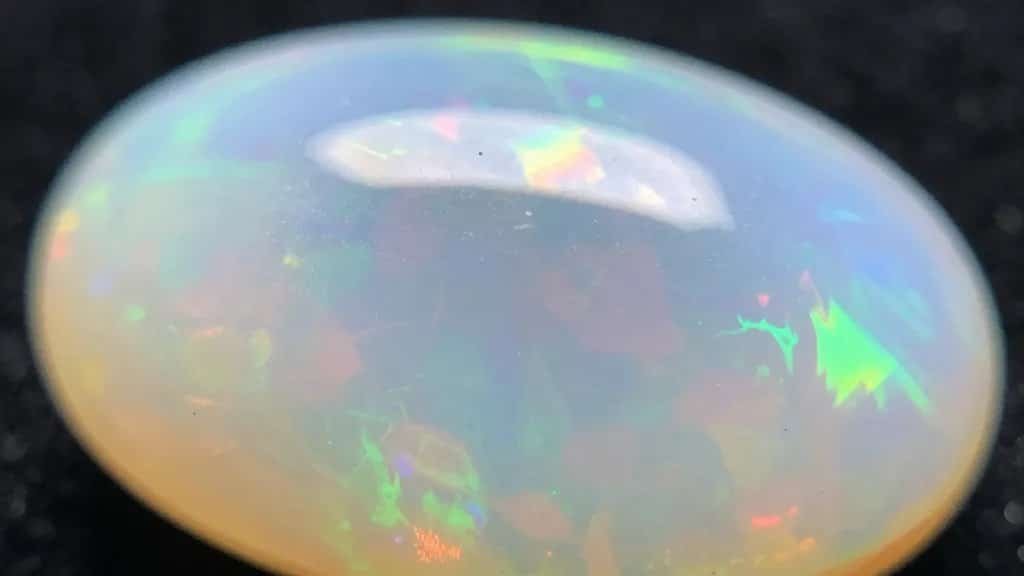
Many think of treatments as after-the-fact fixes, but geology sets the stage. Rubies from certain metamorphic terrains respond beautifully to gentle heat, which dissolves rutile silk and clarifies color. Basaltic sapphires often need more intensive heating to coax brighter blues. Opal, born porous in sedimentary rocks, may be prone to absorbing oils or dyes if mishandled.
The best way to navigate treatments is to ask for disclosure and understand the value impact. Untreated, vividly colored stones command a premium; common, stable treatments can offer beauty at accessible prices. If you’re shopping, glance at a Gemstone Buying Guide for the norms around each variety.
Reading Rocks in the Field: Quick Identification Habits
You don’t need a full lab to learn from a rock. Field habits help:
- Look at luster and grain: Is it glassy, silky, or earthy? Are grains even or mixed-sized? Igneous rocks often show interlocking crystals; sedimentary rocks may look layered or granular.
- Check heft: High-density hints at heavy minerals—garnet sands feel “thick,” and magnetite-rich rocks feel weighty for their size.
- Observe fracture: Conchoidal (shell-like) breaks suggest quartz, obsidian, or chalcedony. Uneven, crumbly breaks point to sedimentary cement types.
- Use a simple scratch kit: A steel knife (~5.5), glass (~5.5), and a streak plate can quickly bracket Mohs hardness and help narrow possibilities.
- Look for context: Stream gravels near volcanic plateaus may yield agates; alpine metamorphic zones could hide garnet and corundum.
If you think you’ve found something special, a local rock club or a gemologist can often confirm. For a deeper dive into separation tests, check Gemstone Identification topics later.
Rocks That Are Already Gemstones: Don’t Overlook the “Rock Gems”
Some treasures are rocks as-is, not just sources of minerals. Lapis lazuli’s blue canvas with gold pyrite flecks needs no faceting. Rhodonite’s strawberry pink with black manganese veins makes striking cabochons. Chrysocolla and malachite paint swirling blues and greens, often stabilized for jewelry because they’re softer (malachite ~3.5–4). These are canvases, not crystals—mosaics of minerals that wear their history on the surface.
Value depends on pattern, depth of color, and how well the stone takes polish. A malachite with tight concentric bands and glassy polish will outshine a blotchy, dull piece. As a buyer, inspect edges for chips and ask about stabilization or backing—common, acceptable practices for softer rock gems used in Gemstone Earrings or Gemstone Necklaces.
Myths and Misreads: Separating Lore from the Ledger
Rocks gather stories as easily as they gather lichen. A few to tidy up:
- “All green stones are jade.” Not quite. Serpentine, aventurine quartz, and dyed marble can masquerade as jade. True jadeite and nephrite have distinctive heft and feel, with a tough, fibrous structure.
- “Hard means indestructible.” Diamond is hard but can cleave along atomic planes. A single well-aimed knock can do more harm than years of careful wear.
- “If it scratches glass, it’s a gem.” Many common minerals near or above Mohs 6 will scratch glass. Context, luster, and inclusions matter far more.
- “All geodes have crystals.” Some are filled with chalcedony or calcite that never formed flashy points. Others are tight as a drum outside but paper-thin and delicate inside.
Myths can be charming, but your best guide is observation plus a few grounded tests. Gemstone Myths resources are great for curiosity; just pair them with Gemstone Facts for balance.
Care, Cleaning, and Living with Stones from the Ground Up
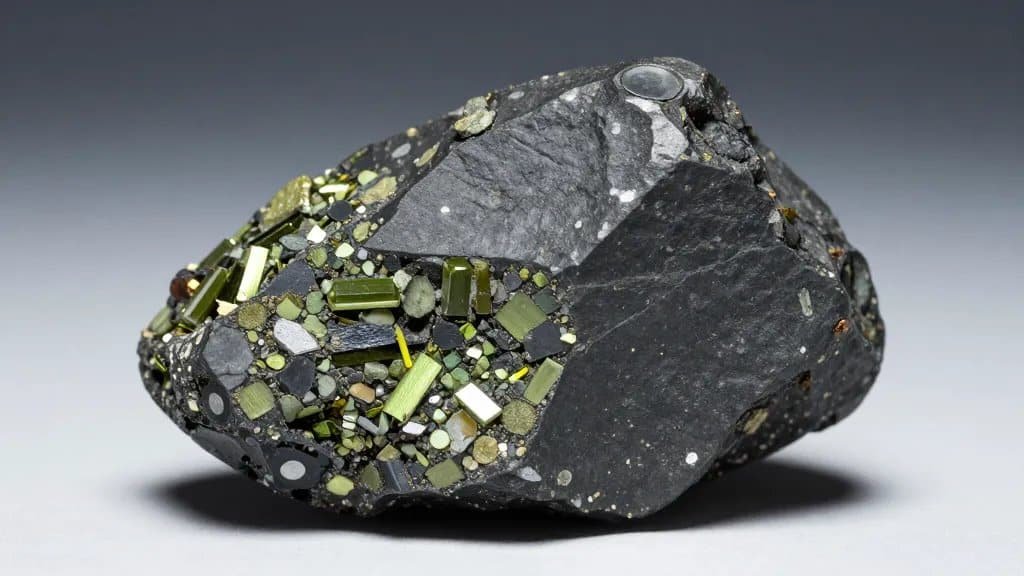
A good rule: clean gently, store smartly, and match use to durability. Warm water, mild soap, and a soft brush work for most stones. Ultrasonic cleaners can damage treated gems, opal, emerald, and anything with internal fractures. Porous rock gems—like turquoise or some jaspers—don’t love prolonged soaks or chemicals.
Store pieces separately so harder stones don’t abrade softer neighbors. For rings that see knocks, consider protective settings—bezels around opal, halos around softer stones. If you’re gifting, lean on Gemstone Gifts and Gemstone Care references to match beauty with lifestyle.
Collector Notes: Provenance, Cut, and the Joy of the Matrix
Collectors often value stones in matrix—the original rock host—because it preserves context. A tourmaline crystal perched on albite and smoky quartz tells a richer story than a lone, polished pebble. Provenance boosts both meaning and value: “Marble-hosted sapphire from Mogok” says more than “blue sapphire,” and it often shows in the price.
For cut stones, an honest polish and sympathetic cut beat maximum yield. You’ll find beauty at every budget if you look for sincerity: true color, thoughtful orientation, and a finish that respects the stone. If value ranges puzzle you, a Gemstone Value Guide can help decode the impact of origin, color, clarity, and treatment on price.
Buying Rocks and Gems in the Wild: Street Smarts
Markets and shows are full of wonders—and a few traps. Here’s quick wisdom I share with friends:
- Ask specific questions: origin, treatments, and whether the piece is stabilized or dyed.
- Use your loupe: consistent bubble-like inclusions often signal glass; a “too perfect” appearance may mean lab-grown.
- Test weight: plastic fakes feel suspiciously light; glass imitations often feel heavier than expected for the species.
- Price sanity: if a large “ruby” costs less than a nice dinner, it isn’t natural ruby of quality.
- Buy the stone, not the story: provenance is lovely when documented; let your eyes and basic tests lead.
For structured comparisons and shopping strategies, peek at Gemstone Comparisons and a Gemstone Buying Guide before big purchases.
Frequently Asked Questions
How do I tell if a rock might contain gemstones?
Look for signs like cavities lined with crystals, unusually heavy pieces, glassy conchoidal breaks, or rocks from known gem-bearing environments such as pegmatites and basalts. Use a loupe to check for distinct crystal faces or color zoning.
Are all colorful rocks valuable?
No. Value depends on rarity, durability, transparency, and how well the stone takes a polish. Many pretty river rocks are perfect for collecting but won’t cut into valuable gems.
What’s the safest way to clean unknown rocks or gems?
Use lukewarm water, mild soap, and a soft brush. Avoid ultrasonic or steam until you know the identity and treatment status.
Can a rock be both sedimentary and gem-bearing?
Yes. Opal forms in sedimentary settings, and agates often fill cavities in volcanic rocks then weather into sedimentary gravels. Lapis lazuli is a metamorphosed rock but historically mined from layered deposits.
Why do some gems look brighter than others even with the same color?
Brightness is a mix of refractive index, cut quality, and clarity. Higher R.I. stones and well-planned facet designs return more light to the eye.
Do treatments ruin a gem?
Not necessarily. Many are stable and accepted in the trade. The key is full disclosure and pricing that reflects the treatment.
What basic tools should a beginner carry when rockhounding?
A hand lens (10x), small magnet, streak plate, pocket knife, and a few sample bags. Add a headlamp and gloves, and learn local rules before collecting.
Final Thoughts
Rocks are Earth’s rough drafts; gemstones are the polished passages. Learn to read the drafts—the layers, textures, and tiny inclusions—and you’ll understand the polished lines with deeper appreciation. Whether you collect pebbles, cut cabochons, or choose a ring for life, the more you know about rocks, the richer the story you wear and share.

Christian Grey is the creator of GemMeaning, where he shares simple insights about crystals, gemstone meanings, and spiritual guidance. His focus is on making complex ideas easy to understand and practical for everyday life.