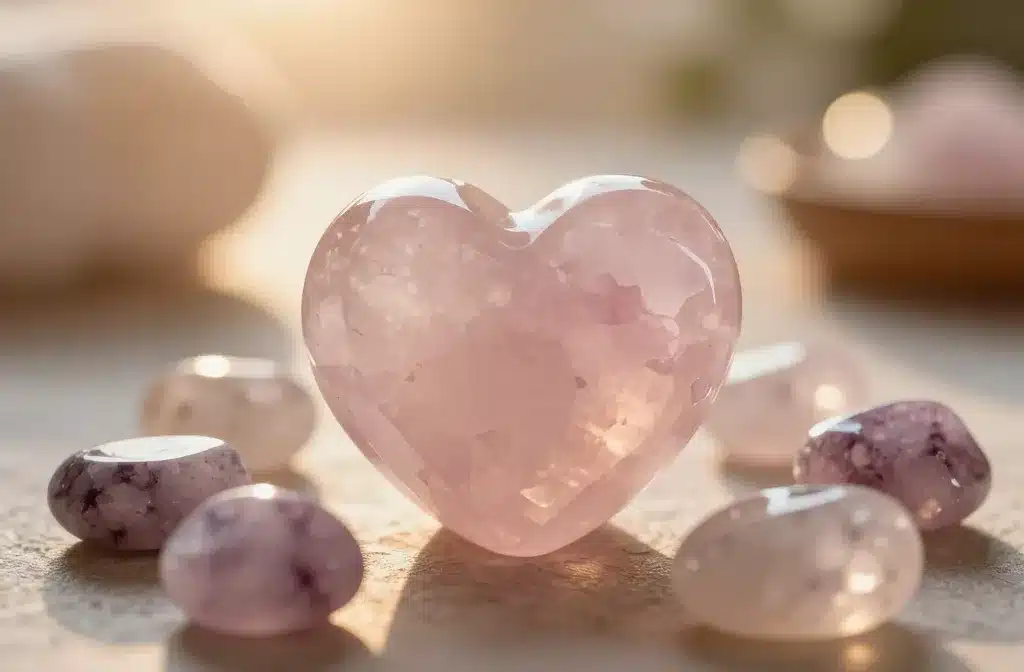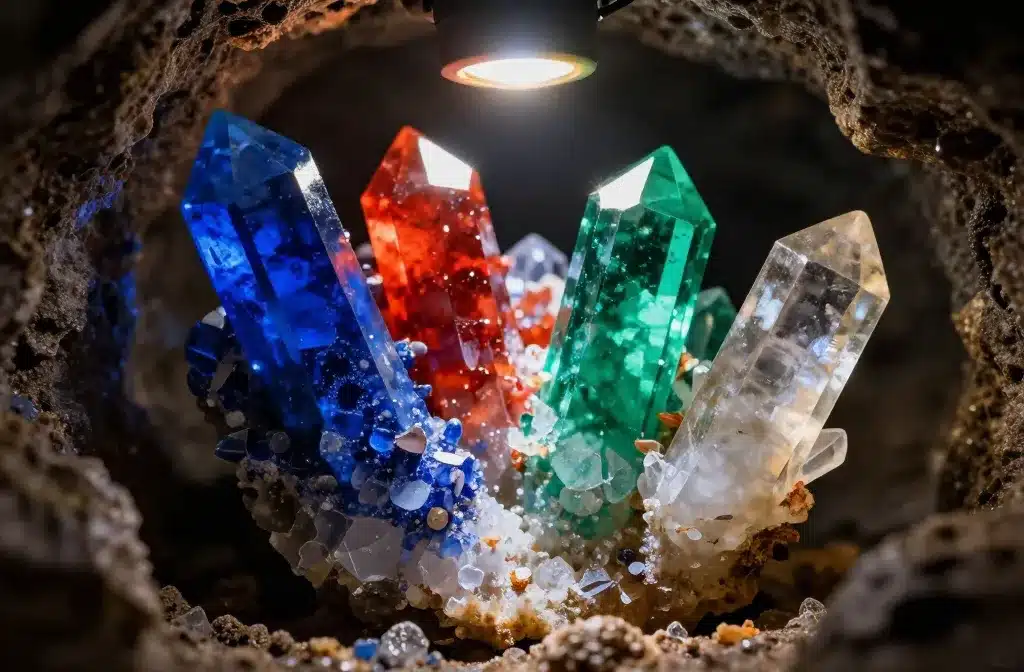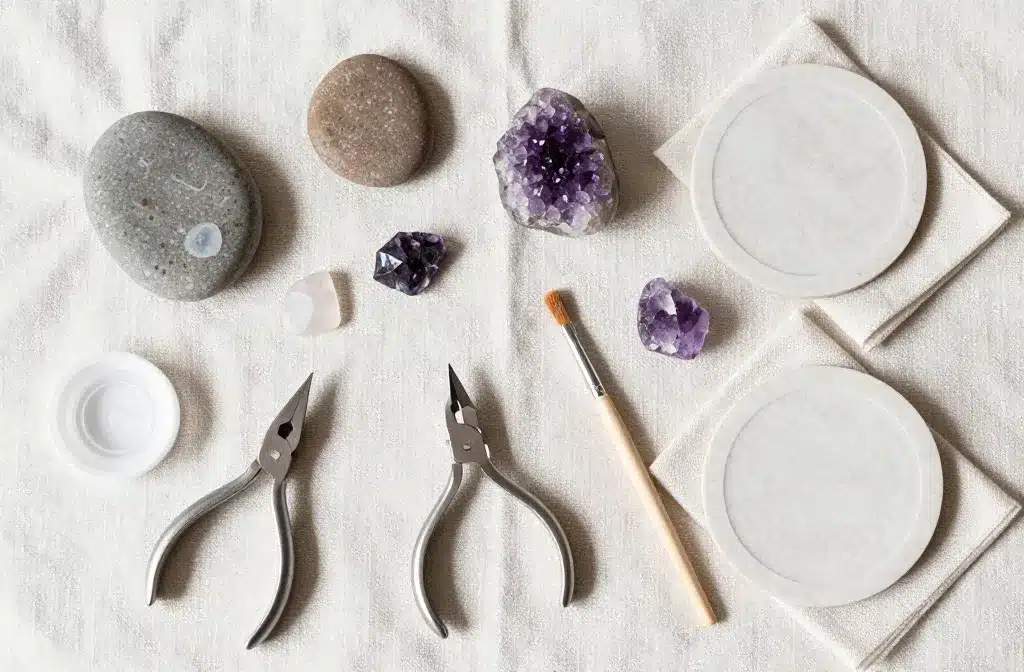
Natural stones have a way of grounding a space and telling quiet stories. A tumbled river pebble can feel as soothing as a worry stone, while a shard of raw amethyst throws lavender light like it’s keeping a secret. Working with them invites texture, color, and a sense of place into your home and your accessories.
If you’re curious about turning loose stones into personal pieces, you’ll find plenty to try here—simple projects, more advanced techniques, and the tricks a gem enthusiast picks up after years of handling rough and polished material. You’ll learn which stones suit which projects, how to handle hardness and fragility, and how to make finishes that look refined, not craft‑table rough.
We’ll talk about adhesives that actually hold, polishing methods that make color wake up, and design ideas that celebrate each stone’s natural quirks. Expect practical examples, honest cautions, and a sprinkle of lore where it adds meaning without taking over.
By the end, you’ll have a toolkit of ideas to turn a handful of pebbles or a tray of cabochons into lasting, beautiful pieces you’ll be proud to use or gift.
Choosing the Right Stones: Beauty, Durability, and Story
Not every stone suits every project. Think of three things: hardness, texture, and how the piece will be used. The Mohs scale is your friend—quartz family stones (amethyst, citrine, rock crystal) sit at 7 and resist scratches from everyday wear, making them good for bracelets, rings, and keychains. Softer stones like calcite and fluorite (3–4) are lovely in decor where they won’t be knocked around. Talc and gypsum are too soft for most practical items but can charm in sheltered displays.
Texture also matters. Tumbled stones with a glossy polish slide nicely against skin and fabrics; rough points and drusy clusters sparkle in light but snag. Slate and sandstone have matte surfaces that drink in light and pair well with warm woods and linens. Onyx, jasper, and agate take a high polish and display banding or speckles that look deliberate and finished, even in minimalist designs.
Origin and formation add a layer of meaning. River stones carry the hush of moving water and naturally rounded edges perfect for handheld worry stones or balanced cairns. Geode halves make instant tealight nests with twinkling microcrystals. Petrified wood speaks to deep time; its grain translates beautifully into coasters or bookends. If you enjoy symbolic notes, rose quartz whispers gentleness, labradorite flashes with a twilight sheen that many associate with intuition, and green aventurine glitters softly with mica, often tied to prosperity lore. These associations can guide gift ideas without dictating your design.
Adhesives, Tools, and Safety: What Actually Works
Half of successful stone projects comes down to the glue and prep. For most stone-to-metal or stone-to-stone bonds, a two-part epoxy is reliable. Choose a slow-cure formula for stronger joints and a clear finish; five-minute epoxies are convenient but can yellow over time. Roughen glossy surfaces lightly with 400–600 grit sandpaper to give the adhesive “tooth.” Degrease with isopropyl alcohol; skin oils sabotage bonds more than people realize.
For flexible applications like leather-wrapped cabochons, a contact cement or a specialized leather adhesive prevents rigid lines from telegraphing through. Avoid superglue for load-bearing joins—it can be brittle and misty on polished surfaces. If you plan to drill stones for pendants, use a diamond-tipped drill bit, water as coolant, low speed, and a gentle pecking motion. Support the stone on a scrap wood piece under a shallow water bath. Safety glasses are non-negotiable; fine chips can surprise you.
Hand-polishing is simpler than it sounds: work through grits (400 to 1200 or higher) with wet/dry sandpaper, then finish with a cerium oxide or tin oxide polish on felt for quartz and agate. This brightens edges after trimming or drilling. For sealing porous stones used in coasters or trays, a penetrating stone sealer maintains a natural look; glossy topcoats can feel plasticky, though resin finishes have their place for creative inlays.
Easy, Elegant Decor: From Tabletop to Wall
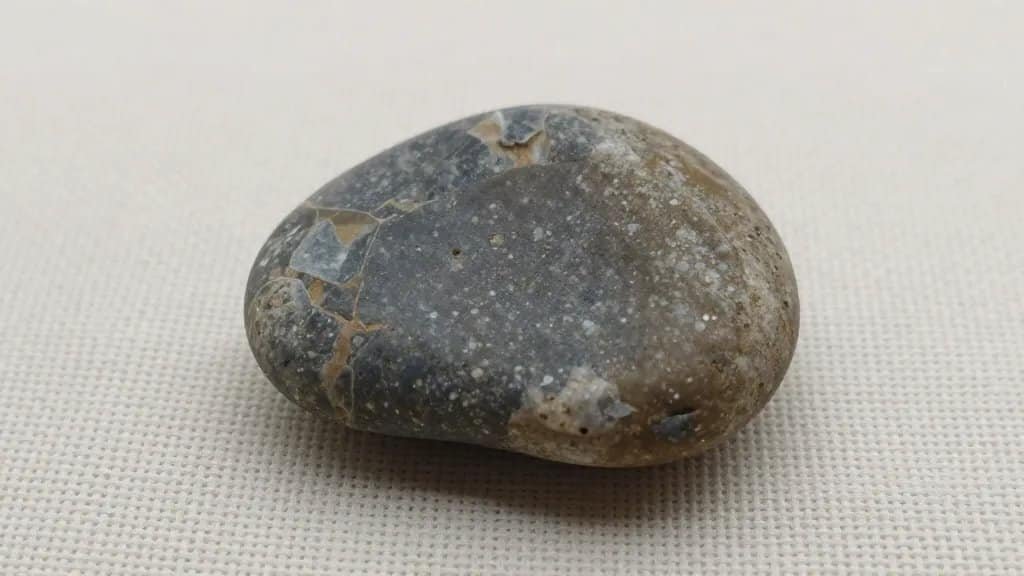
Coasters from sliced agate or petrified wood are a crowd-pleaser. Look for pieces about 4 inches across, at least 5–6 mm thick. Smooth edges with sandpaper to avoid sharp lips. If you prefer a natural look, seal with a matte, food-safe stone sealer. For a boutique feel, add thin gold or copper leaf to the perimeter using metal leaf adhesive, then seal lightly to preserve sheen without stickiness.
Bookends are a classic use for geode halves, rough quartz plates, or slate blocks. Aim for weight and base stability. If a cut face is too slippery, adhere a piece of cork or thin leather underneath. If you want a subtle glow, place a small LED puck behind a translucent agate slice—banding comes alive, and you avoid the heat of candles. Avoid halogen bulbs near calcite or aragonite; they can discolor or craze over time.
Stone mosaics are wonderfully forgiving. Combine flat pebbles, tumbled chips, and broken tile on a wood board pre-sealed against moisture. Use a sanded grout that complements the palette; charcoal makes cool tones pop, while a linen shade flatters warm jaspers and carnelian. Keep focal stones with distinctive patterns—like moss agate with its fernlike inclusions—slightly proud of the grout line so their character isn’t buried.
For wall art with a geological wink, mount a row of slate rectangles and pin a single polished cabochon onto each using short brass rods epoxied from behind. The contrast of matte stone and gleaming cab gives a museum feel without a museum budget.
Hands-On Small Projects: Pocketable and Giftable
Worry stones carved with a thumb groove are classic, but you can approximate the feel with a well-chosen river pebble. Look for elongated ovals that naturally nest in the palm. Wet-sand one side in a shallow oval motion to create a soft dish, graduating grits until satin-smooth. The tactile reward is immediate, and you’ll start carrying it without thinking.
Magnets are simple and satisfying. Select flat-backed tumbled stones—aventurine, sodalite, or onyx all polish beautifully. Use neodymium magnets with a pull of at least 6–8 lbs, roughen the contact surfaces lightly, then bond with epoxy. On the fridge, they look like miniature sculptures and hold actual notes, not just receipts.
Garden markers with pebble tops add charm without shouting. Write names on light-colored stones with an oil-based paint pen, then seal. Mount onto copper or brass rods with epoxy. The metals weather gracefully, and the stones shrug off sun and rain. Avoid marble in freeze-thaw climates; water can intrude along micro-fractures and lead to spalling.
Wearable DIY: Stone Jewelry That Lasts
Natural gemstones shine in jewelry when you respect their hardness and structure. If you’re assembling charm bracelets or pendants, stick to stones Mohs 6.5 and above for pieces that knock against countertops and laptop edges. Quartz varieties, jadeite, nephrite, and labradorite are safe bets. Fluorite’s sea-glass glow is tempting, but at Mohs 4 it bruises easily; save it for earrings and necklaces that see gentler wear.
Wire wrapping is a graceful way to frame cabochons and small rough crystals. Use dead-soft sterling or gold-filled wire for easy shaping, then harden the bail section with a few firm taps from a rawhide mallet. Aim for a design that grips the stone at three points; tension alone is not a long-term plan. For delicate drusy, create a cradle that avoids pressure on the sparkling surface—those microcrystals shed under point stress.
Beaded strands benefit from intention in spacing and texture. Alternate matte and gloss finishes—matte amazonite beside high-polish black onyx reads luxe and modern. If using heavier beads like hematite, string on a flexible beading wire with a high strand count and test the clasp under gentle tugging. Knotted silk between pearls is tradition; for gemstone beads, nylon or poly thread with occasional knots guards against sudden spills if a strand breaks.
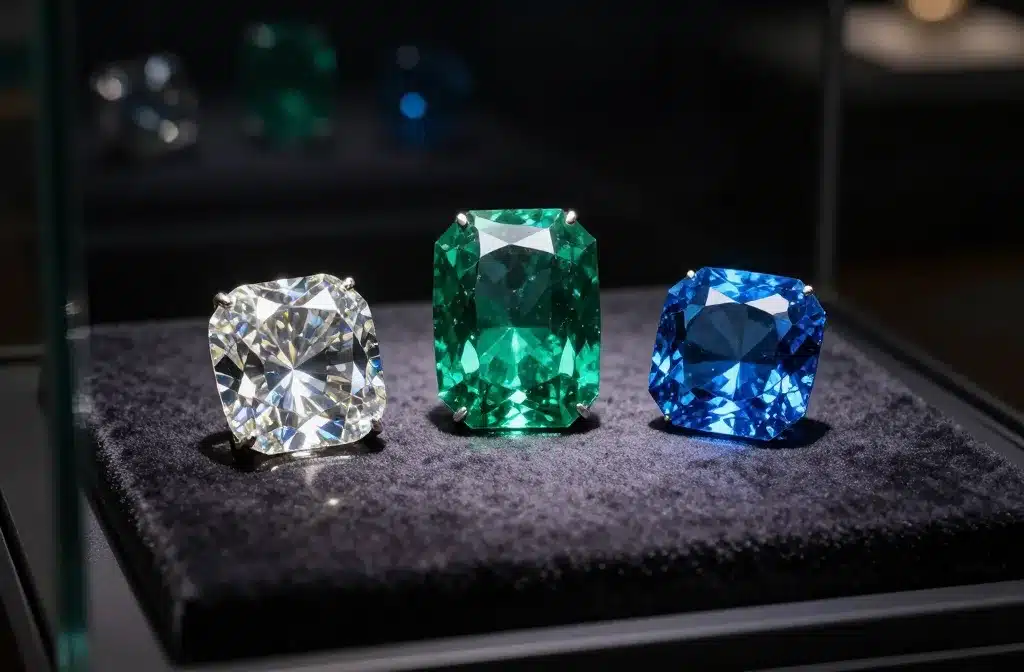
For rings, consider cabochons set in premade bezel cups. Choose snug bezels that rise just above the cab’s shoulder; you can burnish the wall down with a bezel rocker or an agate burnisher. Adhesive alone in a ring setting is vulnerable to heat and daily knocks. If you’re curious about cuts and profiles, a quick detour to Gemstone Cuts and Gemstone Shapes will help you pick silhouettes that sit comfortably on the hand.
Creative Lighting with Translucent Stones
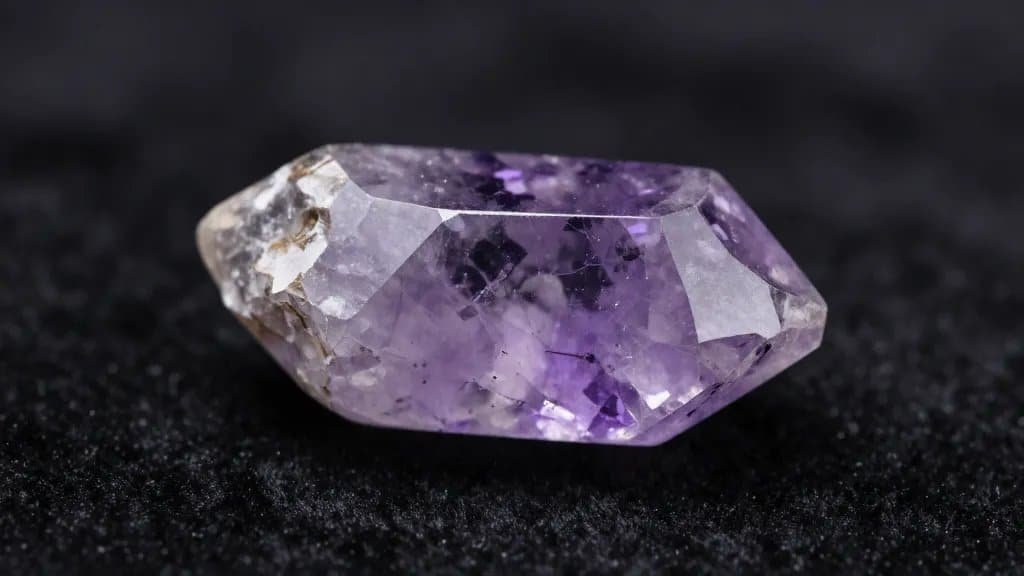
Few things transform a room like backlit stone. Thin slices of agate, onyx, and selenite diffuse light in ways that fabric can’t. Selenite (a variety of gypsum, Mohs ~2) glows like moon milk; it’s stunning in a sheltered lamp shade but too soft for exposed panels. Agate at Mohs 7 stands up to handling and offers natural banding that reads like fine marquetry when lit from behind.
To craft a simple backlit panel, arrange 2–4 mm agate slices on acrylic and secure with small dots of clear silicone. Edge the panel with a shallow frame and mount LED strips behind, leaving ventilation space. Warm-white LEDs flatter amber and carnelian tones; neutral-white makes cool blues and greys feel crisp. Keep heat minimal—no incandescent bulbs—especially with calcite-based stones that can yellow.
Tea-light holders carved from soapstone are common; you can take it further by creating a layered votive: place a thin sliver of translucent chalcedony in front of a tea light inside a protective glass cylinder. The stone becomes a living lens, and the flicker sets inclusions in motion.
Natural Stone in the Kitchen and Bath: Practical and Pretty
Trays and catchalls from slate, marble offcuts, or granite remnants blend form and function. Slate offers a low-sheen charcoal look with fine cleavage planes; seal it to guard against oils. Marble feels cool and luxurious but etches with acids—keep lemon and vinegar at bay. Granite is the workhorse; it shrugs off heat and occasional splashes.
Create a vanity tray by bonding stone “feet” under a polished slab. Small quartz points turned horizontally make sculptural risers. Add soft silicone bumpers where points contact furniture. For soap dishes, carve gentle channels in a flat pebble bed or use spaced river stones in a shallow frame to let water drain and bars dry quickly.
If you’re embedding stones in grout around a mirror or backsplash, test porous stones like travertine, turquoise, or howlite with your sealer first; grouts can stain. Jadeite and nephrite, both tough and resistant, are excellent for high-touch accents, though genuine material can be pricey—see Gemstone Value Guide for what drives price, from translucency to texture and color saturation.
Outdoor Ideas: Weather, Wear, and Natural Patina
Outdoors, durability takes center stage. Granite, basalt, and quartzite handle freeze-thaw cycles with poise. Sandstone varies—dense varieties do well, friable types shed grains. Limestone and marble weather with charm but will soften over seasons in acidic rain.
For a meditative corner, build a small cairn with flat river stones. Use a hidden brass rod as a spine: drill gentle pilot holes with diamond bits, stack the stones, and leave one unbored to cap the top organically. The result looks precarious yet withstands a breeze. Edging garden beds with polished black pebbles creates a clean silhouette around silver-leaf plants; the stones warm in sun and encourage aromatic oils in herbs to release scent as you brush by.
Pathway mosaics can be set in sand for flexibility. Place larger, flat stones first, then infill with smaller pebbles for a comfortable tread. Avoid glossy-polished pebbles on slopes; wet they’re slippery. A light acid-wash can knock the shine off marble chips, but test in a corner, as over-etching dulls color.
Real vs. Imitation: Buying Smarts for DIY Projects
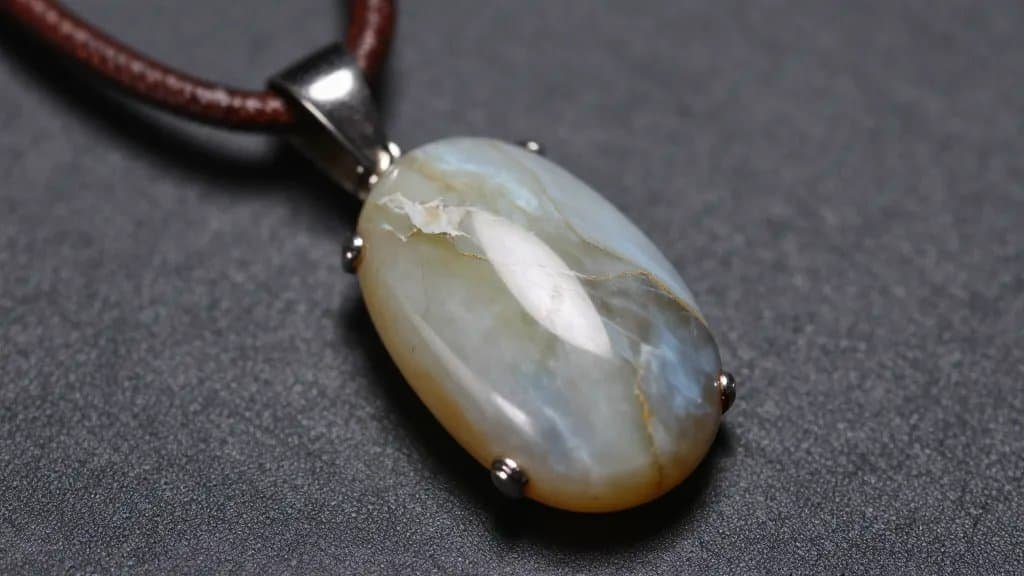
Glass masquerades as many things. Look for swirl lines, gas bubbles, and an overly even color to spot impostors. Dyed howlite often stands in for turquoise—veins look webby and too regular, and the blue is candy-bright. Reconstituted stone is common in craft bins; it may be powdered stone bound with resin. It’s useful, but if you’re aiming for heirloom quality, verify material.
Ask suppliers for specifics: species name (e.g., chalcedony vs. generic “agate”), treatments, and origin. Dyes are acceptable in decorative contexts—banded agate in hot pink earns its place on a playful tray—but you’ll want stable colors for jewelry that might rub against skin. Heat treatment in quartz and sapphire is routine and generally stable; surface coatings are less durable.
A quick check with Gemstone Identification basics—observing refractive effects, heft, and surface luster—goes a long way. If you’re buying a special stone for a centerpiece, consider a reputable dealer who stands behind their descriptions. The Gemstone Buying Guide and Gemstone Myths topics can help you sift folklore from fact before you spend.
Caring for Your Stone Creations
Dust and oils mute luster. Wipe polished stones with a slightly damp microfiber cloth and dry immediately. Avoid ultrasonic cleaners for stones with internal fissures or cavity fillings. Softer or porous stones—malachite, turquoise, lapis—dislike chemicals; plain water and a soft cloth are safest. Keep acids away from carbonates like calcite and aragonite.
For jewelry, store pieces separately to avoid harder stones scratching softer ones. As a rule of thumb, quartz can scratch most things below it; diamond scratches everything else. If you’re unsure, a quick review of Gemstone Hardness helps you plan storage. Renew matte finishes on slate or sandstone with a light scrub and reseal yearly if exposed to water. For exterior installations, check adhesion each spring; freeze-thaw can creep into bonds over time.
Design Tips From a Gem Lover’s Bench
Let each stone lead. If a cabochon has a scenic inclusion—moss agate that looks like a forest, dendritic quartz that sketches winter branches—orient it so the “horizon” is level when worn. In mosaics, repeat a color at least three times to read as intentional. Use odd numbers for clusters; trios and fives feel dynamic.
Contrast is your ally. Pair rough with polished, opaque with translucent, cool greys with a single ember of carnelian. Metals matter: warm brass with tiger’s eye brings out golden chatoyancy, while brushed steel amplifies the aurora flashes in labradorite. In lighting, test different color temperatures; a 3000K LED will make amber, citrine, and smoky quartz glow, whereas 4000–5000K flatters blues and greens like aquamarine and chrysocolla.
Above all, leave breathing room. Too many stones crammed together can blur into noise. A single, beautifully placed slice or a well-chosen pebble with character often says more than a handful fighting for attention.
FAQs
Can I drill holes in any natural stone for pendants?
You can drill many, but success depends on hardness, structure, and fractures. Use diamond bits, water cooling, and low speed. Avoid stones with obvious cracks or drusy surfaces; they can crumble.
What’s the safest glue for bonding stones to metal jewelry findings?
A slow-cure, clear two-part epoxy creates the most reliable bond. Lightly roughen both surfaces and clean with alcohol before bonding.
How do I keep agate coasters from sticking to cold glasses?
Use a matte sealer rather than a glossy topcoat, and add small silicone feet to raise airflow. Wipe condensation promptly to prevent vacuum seals.
Which stones are too soft for everyday bracelets or rings?
Fluorite, calcite, selenite, and malachite scratch or bruise easily. Save them for earrings, pendants, or decor pieces.
Are dyed stones okay for DIY projects?
Yes, for decor or occasional-wear jewelry. Choose reputable sources and seal pieces that may contact skin or moisture to reduce color transfer.
How do I brighten a dull polish on a tumbled stone?
Wet-sand through fine grits, then buff with cerium oxide on felt. Clean thoroughly to remove any residue after polishing.
What’s a simple first project that still looks refined?
Agate-slice coasters with gilded edges or a minimalist wire-wrapped quartz pendant. Both showcase natural beauty with minimal tools.
A Thoughtful Finish
Working with natural stones teaches patience and attention—the same qualities that formed them in the first place. Choose pieces for their character, match them to the right techniques, and let their geology guide your design. When you do, your DIY projects don’t just look good; they feel grounded, personal, and enduring. If you’re ready to explore deeper, topics like Gemstone Care, Gemstone Jewelry, and Rare Gemstones can spark your next idea.

Christian Grey is the creator of GemMeaning, where he shares simple insights about crystals, gemstone meanings, and spiritual guidance. His focus is on making complex ideas easy to understand and practical for everyday life.