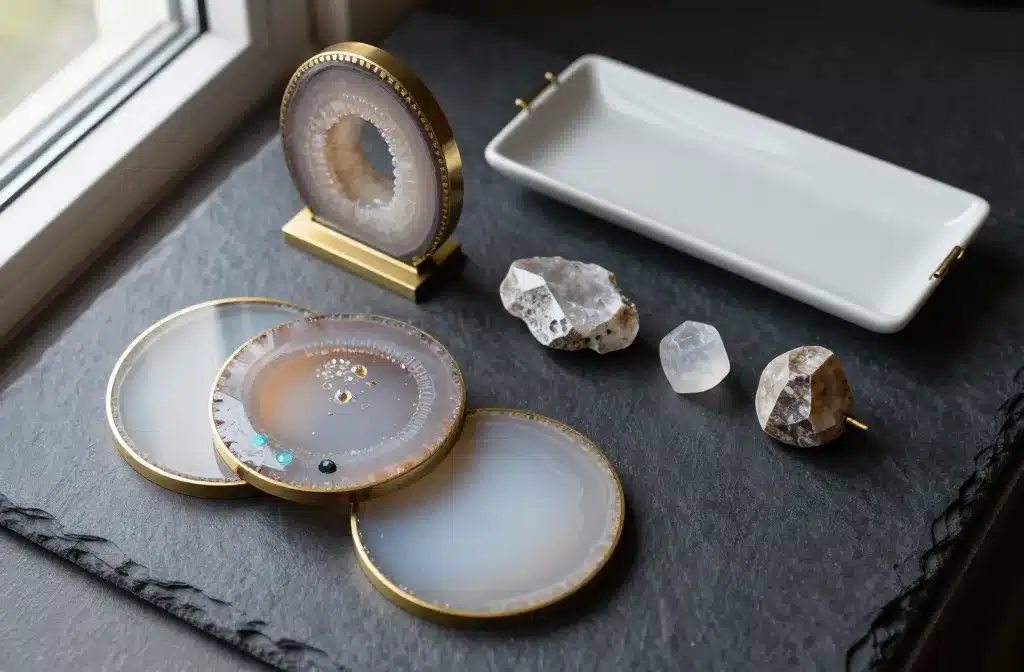
There’s a quiet thrill in transforming humble rocks and mineral offcuts into pieces that feel like they were curated from a high-end gallery. With a little gem knowledge and a few studio tricks, you can coax serious elegance from field finds and bargain-bin geodes.
This guide shares project ideas that genuinely pass the “designer” test—projects grounded in gemstone fundamentals like hardness, polish, and color harmony. You’ll learn how to choose stones that elevate a room, how to prep and finish them like a pro, and which adhesives and hardware actually hold up.
I’ll also highlight where to spend a few dollars for rich results and where to save, plus simple identification tips that keep you from mistaking dyed quartz for rare agate. If you enjoy the look of luxury minerals but prefer the satisfaction of making them yourself, you’re in the right place.
Choose the Right Stones: Appearance, Hardness, and Value Factors
Start with the materials. Good-looking DIY begins with stones that polish well, hold up to handling, and show interesting natural features. Quartz-family minerals are the safest bet for most projects: they rate a 7 on the Mohs Scale, accept a high polish, and resist scratches from daily use.
Here are budget-friendly choices that mimic the presence of pricier gems:
- Agate and jasper (Mohs ~6.5–7): Tight, fine-grained structure yields a glassy polish. Agate’s banding looks luxe, while jasper’s opaque, painterly patterns feel rich and grounded.
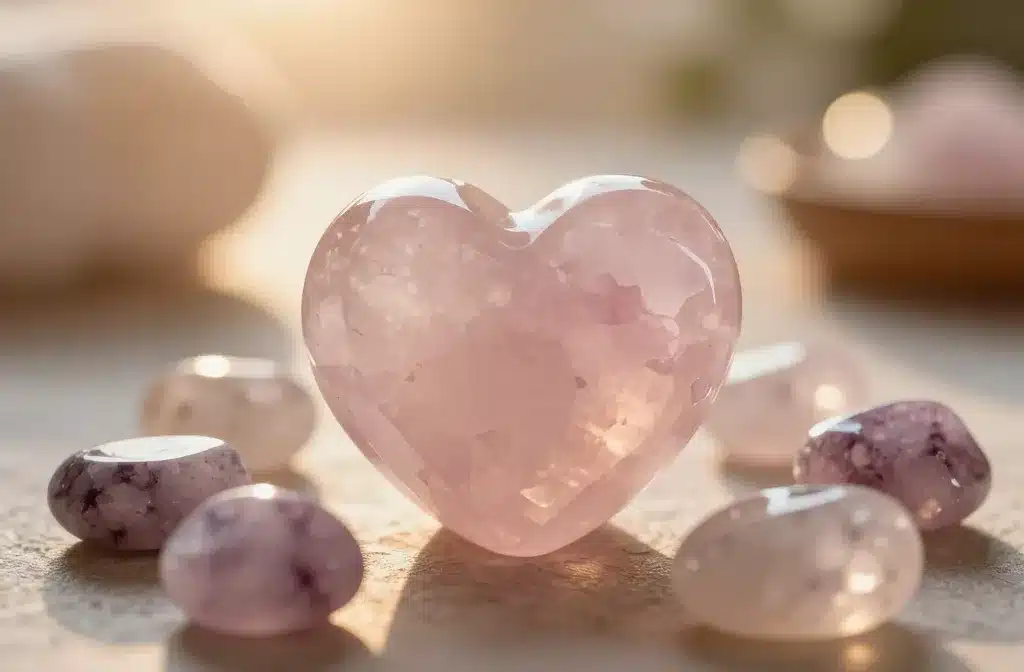
- Aventurine and rose quartz (Mohs 7): Aventurine’s subtle sparkle (from tiny mica or fuchsite flakes) reads sophisticated; rose quartz offers soft translucency that glows in diffused light.
- Hematite (Mohs ~5.5–6.5): Metallic gunmetal luster turns instantly modern. Just keep it away from acids and moisture to prevent surface dulling.
- Basalt and slate (Mohs ~5–6): Matte, architectural surfaces look expensive when edges are clean and lines are minimal.
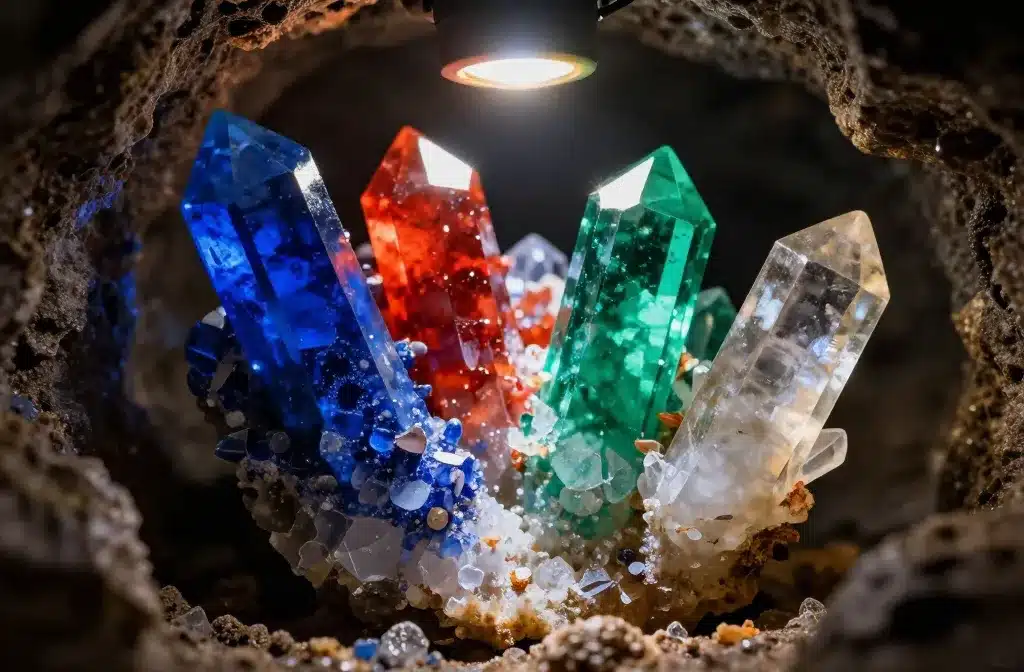
- Geodes and druzy quartz: Natural micro-crystal sparkle rivals designer decor without the price tag.
For that “private collection” aura, look for stones with saturated color, fine grain, and even polish potential. Avoid crumbly rocks, heavily fractured pieces, or porous materials that stain, unless you’re going for a rustic look. If you’re curious about broader categories and how they compare, explore related topics like Gemstone Hardness and Gemstone Comparisons to sharpen your eye.
Prep and Finish That Scream High-End
Well-prepared surfaces separate luxe from lackluster. Even inexpensive stones can gleam like gallery specimens with thoughtful finishing.
- Sawing and shaping: For slabs, a tile saw with a continuous-rim diamond blade gives straight, chip-free cuts. Keep water flowing; it cools the blade and reduces fractures.
- Sanding progression: Work through grits: 80, 220, 400, 800, 1200. Jumping grits leaves visible scratches that kill the upscale look. Wet-sand for cleaner lines and less dust.
- Polishing: Cerium oxide or tin oxide on a felt or leather pad brings quartz-family stones to a mirror finish. Hematite prefers a fine diamond paste. Always clean between compounds to avoid contamination.
- Edge details: A slightly eased or beveled edge tells the eye “custom.” Sharp edges chip and look unfinished.
- Sealing: For porous or matte stones you want to keep matte, use a penetrative stone sealer, not a glossy coating. Glossy spray can look plastic if overdone.
A small buffing wheel attachment for a handheld rotary tool goes a long way. Practice on scrap to understand how the stone responds—some agates brighten dramatically after just one or two polishing passes.
Dramatic Bookends from Agate or Jasper Slabs
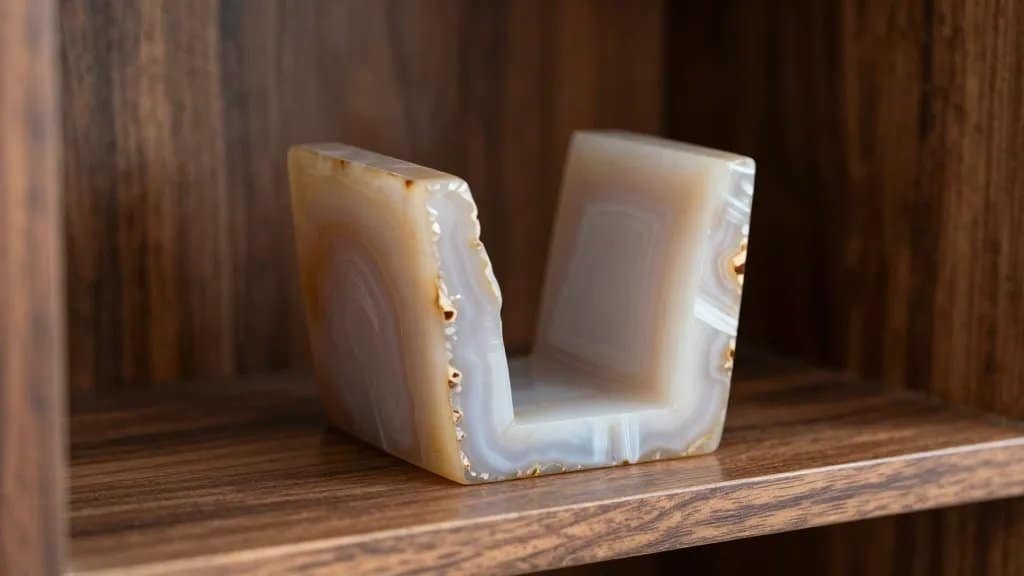
Few DIYs look more expensive than hefty bookends. Agate slices with concentric bands, or solid jasper blocks with painterly reds, greens, and mustard tones, carry serious visual weight on a shelf.
What you’ll need: Two matched slabs or rough halves, diamond blade for squaring bases, adhesive-backed felt, and optional clear rubber feet. Aim for 4–6 inches tall and at least 2 inches thick for stability.
- Square the base: Use a water-cooled diamond saw to true the bottom so the bookends sit flat. A minor wedge cut corrects leaning.
- Polish show faces: If not already polished, sand and polish the broad faces. Keep the sides matte or lightly honed for contrast—high/low finishes look tailored.
- Add weight, if needed: Hollow geodes can tip. Epoxy a dense plate (steel blank) into the back recess and cover with felt. It disappears but keeps everything upright.
- Finish with felt: Felt on the bottom protects shelves and helps the piece glide without scratching.
Why it feels luxe: Agate’s banding looks almost architectural—a natural “strata” design that pairs with wood and linen. Deep neutrals and smoky grays read sophisticated, but in bright spaces, blue or teal-dyed pieces can make a statement. If color purity matters to you, choose natural hues; dyed agate tends to have highly saturated bands that may look too uniform.
Stone Handles and Knobs That Rival Designer Hardware
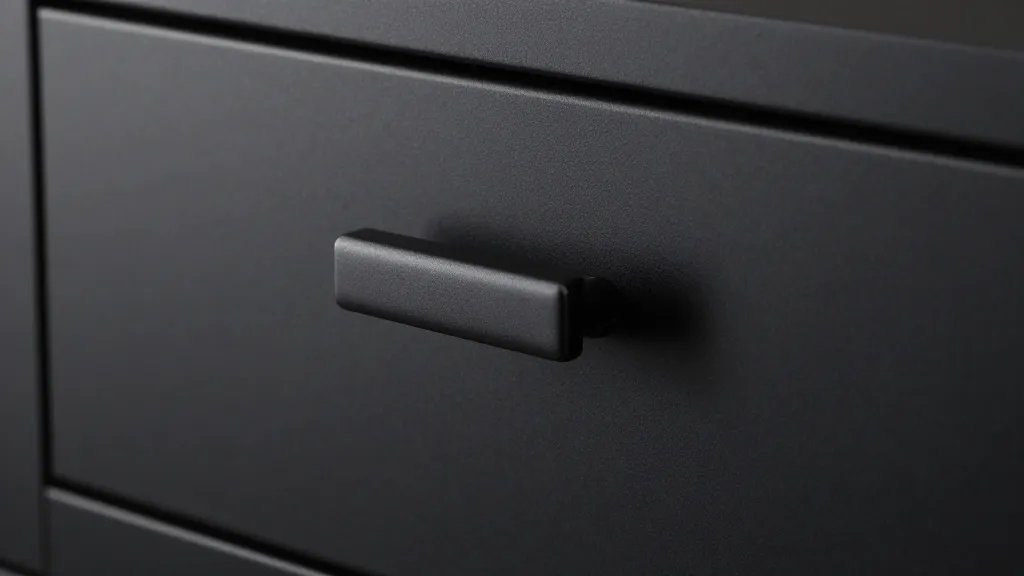
Cabinet pulls made from tumbled stones or thin, polished slices deliver the same impact as boutique hardware lines at a fraction of the cost.
Options:
- Flat agate slices: Position the slice horizontally on two small brass posts for a minimal bar pull.
- Tumbled quartz pebbles: As single knobs, they bring a soft, rounded hand-feel and subtle translucency.
- Hematite nuggets: Mirror-like luster pairs beautifully with matte black fixtures.
How to build: Use a brass machine screw through the cabinet from the inside. On the front, epoxy a brass washer to increase contact area, then epoxy the stone to the washer. For bar pulls, epoxy two posts to the slice, measure center-to-center carefully, and drill your cabinet faces accordingly. Choose a 2-part epoxy rated for stone and metal; let it cure fully before use.
Durability check: Quartz-family stones are ideal for daily-touch items. Softer stones (calcite, fluorite) may scratch or bruise. If you’re curious about material resilience, the Gemstone Value Guide and Gemstone Identification topics can help you understand where toughness and wearability intersect.
Statement Trays with Geode or Slate Inlays
Trays showcase stones like a mini gallery—functional but undeniably decorative. Two winning formats are a slate base with polished inlays, or a wooden tray with a geode cluster accent.
Slate and inlay concept: Cut a shallow recess in slate using a diamond hole saw or chisel for geometric shapes. Inlay contrasting agate or jasper slices flush with the surface, secured with epoxy. Hone the slate and polish the inlays for textural contrast.
Wood and geode concept: A rectangular tray with warm wood sides and a smooth base looks instantly high-end with a small druzy geode cluster anchored in one corner. Keep it subtle: a single cluster about an inch across is refined; anything larger risks looking theatrical.
Finishing: Use matte polyurethane on wood, a penetrating sealer on slate, and leave quartz-polished. Add low-profile brass handles to tie the materials together. A restrained palette—smoky gray, brass, and clear crystal—whispers luxury rather than shouting it.
Gem-Inspired Coasters That Actually Survive Drinks
Pretty coasters that warp at the first glass ring aren’t luxe. Make yours durable and sparkling, like cut-down agate slabs or honed basalt with a polished quartz dot.
Agate coasters: Choose 3.5–4 inch slices with even thickness. Avoid natural cavities near the edge; they can chip. Sand edges to a soft bevel. Seal lightly if porous, but skip glossy resin coatings—they can feel plastic and may yellow.
Basalt with quartz inlay: Drill a 1-inch recess and epoxy a pre-polished quartz cabochon. The contrast between matte basalt and glassy quartz feels designer-grade.
Backings: Use thin cork or silicone rings to prevent skating. Test with hot mugs and cold glasses; quartz and basalt handle temperature swings better than calcite or fluorite, which can etch or crack.
Floating Mineral Displays with Museum-Level Presence
A small specimen on a slender stand can outshine a bulky decor piece. The trick is proportion and polish.
Choose the specimen: Cluster formations—apophyllite, small quartz sprays, aragonite flos ferri—cast interesting shadows. For a clean, modern look, pick a single perfect point or a symmetrical agate nodule cross-section.
Mounting technique: Create a base from honed marble or a heavy agate slab. Use a thin brass rod epoxied into the base; leave 1–2 inches of clearance beneath the stone so it appears to float. For crystals, use a minimal brass cradle or a clear acrylic sleeve that supports from behind without blocking the face.
Lighting: Specimens with internal clarity—quartz, fluorite, calcite—come alive with side light. Transparent stones show veils, growth lines, and feather inclusions that look like frozen whispers of geological time. Keep dust off the faces; a dusty crystal looks instantly cheaper.
Jewelry-Style Touches for Decor Pieces
Borrowing jewelry techniques lends a crafted, heirloom vibe to objects. Imagine a small bowl rim wrapped in a neat metal bezel or a pendulum-shaped suncatcher hung with faceted nuggets.
- Cold connections: Use micro screws, tiny rivets, and bezels instead of heavy globs of glue. These details feel intentional and elevate the piece’s value perception.
- Mixed finishes: Pair matte stone with high-polish metal, or glossy stone with brushed brass. Contrast is your friend.
- Faceted versus cabbed: Faceted quartz shards catch morning light, while cabochon shapes read calmer and more refined. For a primer on forms and sparkle, look into Gemstone Cuts and Gemstone Shapes.
Keep proportions jewelry-like: thin bezels, delicate chain, and restrained spacing. Oversized hardware can overwhelm the stone, especially on translucent pieces.
Identifying Real vs. Dyed or Faux Stones
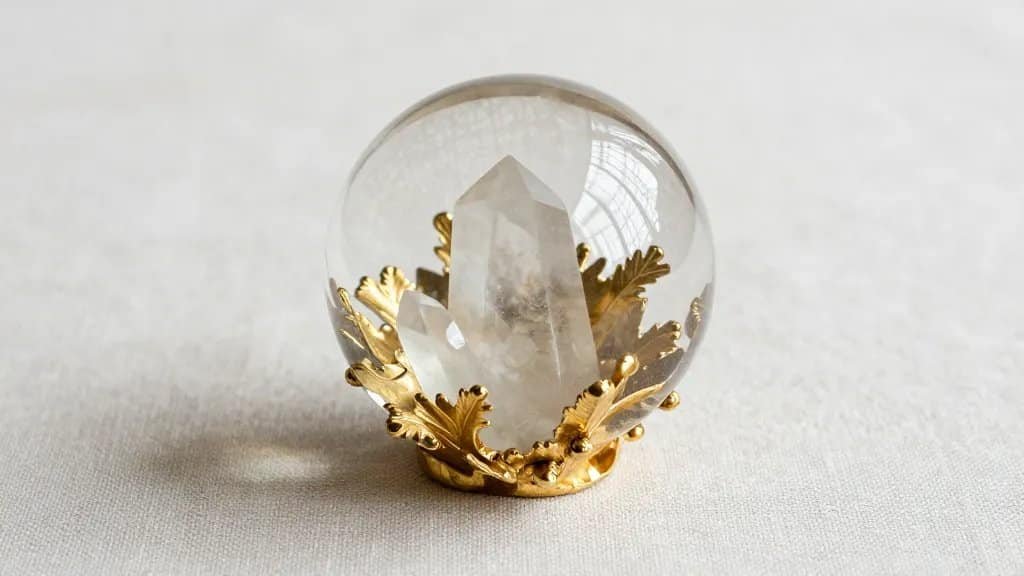
Nothing ruins the upscale illusion like a stone that screams “synthetic.” A few quick checks help you buy smart at craft stores and markets.
- Color concentration: In dyed agate, color pools in cracks and outer bands. Natural hues are usually more subtle and irregular.
- Weight and temperature: Real stone feels cool to the touch and surprisingly dense for its size. Plastic imitations warm quickly in the hand and feel light.
- Surface and luster: Glass imitations show mold lines or tiny bubbles. Quartz has a vitreous luster with crisp reflections; glass can look slightly “soft” at the edges.
- Scratch test (gentle): A steel knife won’t scratch quartz (Mohs 7) but will mark calcite (Mohs 3). Perform on an inconspicuous area only.
- UV check: Some dyes fluoresce. Not definitive, but a useful clue.
If authenticity matters for your project, ask for origin and treatment disclosure. Many agates are dyed—perfectly fine for decor, as long as the color works for you. For deeper study, see topics like Gemstone Identification and Gemstone Myths to separate folklore from facts.
Adhesives, Hardware, and Care That Keep Projects Looking Priceless
Even the best stone fails if the glue yellows or the finish dulls. A little materials savvy goes a long way.
- Epoxy over hot glue: Choose a clear, two-part epoxy rated for stone/metal. Allow full cure times. For visible joins, use a syringe tip for neat lines.
- Avoid acidic cleaners: Vinegar and citrus cleaners etch calcite, aragonite, and marble. Use a slightly damp microfiber cloth and pH-neutral soap if necessary.
- Felt and silicone buffers: These protect furniture and absorb micro-vibrations that can stress adhesive bonds over time.
- Humidity and heat: Keep geodes and druzy away from constant steam (bathrooms) unless sealed; microscopic crevices can trap moisture and dull sparkle.
Polish maintenance is easy: a quick pass with a soft cloth restores shine. For stubborn fingerprints on high-luster stones, a tiny drop of isopropyl alcohol on a cloth, followed by a dry buff, works wonders.
Project Ideas You Can Finish Over a Weekend
Short on time? These mini builds deliver disproportionate elegance:
- Druzy accent magnets: Small quartz clusters epoxied to strong neodymium magnets turn a fridge into a mineral mood board. Choose naturally pale clusters for subtle sparkle.
- Minimalist incense rest: A slim basalt strip with a single drilled angle hole. The matte charcoal contrasts beautifully with a curling thread of smoke.
- Catchall dish with cabochon feet: A simple ceramic dish raised on three hematite or jasper cabs looks custom and keeps the piece from sitting flat.
- Stand-alone “specimen” book: Hollow a shallow recess in a wooden block and nestle a polished agate half. It reads like a museum label without the plaque.
Buying Smart: Where to Source Stones Without the Gallery Price
Quality materials don’t require a big budget—just a good eye.
- Rock shops and shows: You’ll find bins of cutoffs, imperfect slabs, and unmatched pairs for pennies on the dollar. Imperfections are your friend for rustic-luxe projects.
- Landscaping yards: Basalt, slate, and quartzite by the pound. Pick flat pieces with sound edges.
- Online surplus: Search for “agate slice lot,” “druzy clusters mixed,” or “lapidary scraps.” Ask sellers about treatments.
- Thrift finds: Old geode lamps or broken bookends can be dismantled and reimagined. Look beyond the dated hardware to the quality of the stone.
If you plan to expand from decor into wearables, peek at Gemstone Buying Guide and Gemstone Jewelry for pointers on value, cut, and durability that also translate to display pieces.
Common Mistakes That Cheapen the Look
Small missteps can nudge a project from elegant to amateur. Avoid these:
- Over-glossing everything: A high shine on every surface looks artificial. Balance matte with polish.
- Ignoring scale: Thin slices used as heavy-duty bookends chip or tip. Use thickness and weight where function demands it.
- Messy adhesive lines: Visible glue halos catch dust and light. Mask edges or use minimal amounts.
- Too many colors at once: Curate a palette. Two to three hues or finishes per piece feel intentional.
- Skimping on edge finishing: Unfinished edges look raw; a slight bevel or clean hone signals craftsmanship.
Frequently Asked Questions
How can I tell if my agate slices are dyed?
Look for intense, uniform color with darker bands at the rim and color pooling in cracks. Natural agate shows more subdued, earthy tones and softer transitions between bands.
What stone is best for daily-use coasters?
Quartz-family stones like agate and jasper hold up well to temperature changes and resist etching. Avoid calcite and marble, which can mark from acidic drinks.
What’s the safest adhesive for attaching stone to metal?
A clear, two-part epoxy rated for stone/metal provides strong, durable bonds. Let it cure fully per the manufacturer’s instructions for maximum strength.
Can I polish stones without special lapidary machines?
Yes. A rotary tool with diamond sanding drums and felt wheels, plus cerium oxide or diamond paste, can polish small surfaces effectively. Work through grits patiently.
How do I clean druzy without dulling the sparkle?
Use a soft brush and compressed air to dislodge dust. Avoid soaps that can leave residues in micro-crystals. A light rinse and thorough air-dry is usually enough.
Will sealing change the color of my stone?
Penetrating sealers may slightly deepen color, especially on porous stones. Test on a hidden area first and avoid topical glossy coatings if you want a natural look.
What stones pair well with brass hardware?
Smoky agate, hematite, green aventurine, and warm-toned jaspers complement brass beautifully. Clear quartz also looks crisp against warm metal.
Final Thoughts
Luxurious-looking rock projects come down to smart stone selection, clean finishing, and restrained design. Let the natural textures, banding, and sparkle do the talking, add refined hardware, and keep palettes simple. With a few gemologist tricks in your pocket, even the humblest slab can look like it came from a boutique gallery shelf.

Christian Grey is the creator of GemMeaning, where he shares simple insights about crystals, gemstone meanings, and spiritual guidance. His focus is on making complex ideas easy to understand and practical for everyday life.