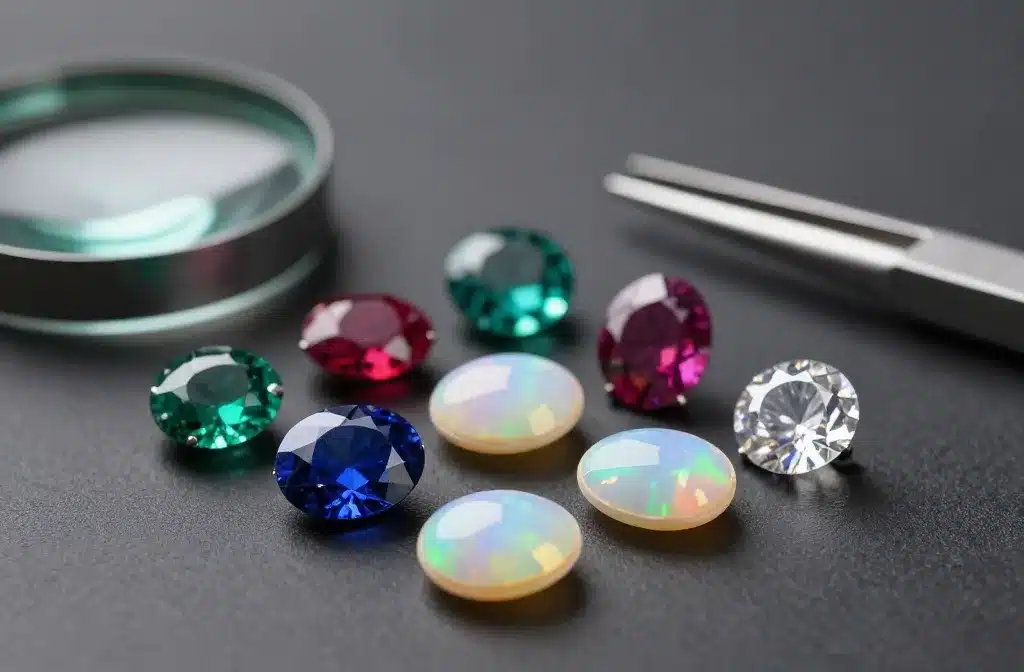
Gemstones feel a little like captured starlight—tiny fragments of geology and history you can hold in your hand. That’s exactly why they spark curiosity and, occasionally, confusion. What makes one sapphire double the price of another that looks nearly the same? Why do some opals flash like fireworks while others seem sleepy?
This guide pulls back the curtain with practical, memorable facts that help you see gems the way a seasoned enthusiast or gemologist does. You’ll learn how color and cut really shape beauty, how durability differs from hardness, which treatments are normal (and which deserve side-eye), and how to spot red flags when you’re shopping.
Expect clear tips you can use immediately, story-worthy tidbits for your next jewelry conversation, and a way of looking at stones that brings more joy—and fewer expensive surprises.
By the end, you’ll be ready to browse a display case or an online catalog with sharper eyes, smarter questions, and a better feel for value.
Color Isn’t Just Hue—It’s Tone and Saturation Working Together
When people say “I want a blue sapphire,” they’re really describing three things at once. Hue is the basic family (blue), tone is how light or dark the color appears, and saturation is how intense or pure that color feels. The sweet spot usually sits in medium to medium-dark tone with strong saturation—think velvety blue that looks rich in daylight and indoor light.
Many gemstones find their best color in a particular range. Emeralds typically charm in a deep, slightly bluish green; rubies glow when they lean toward pure red with just a hint of blue; amethyst looks regal as a vibrant purple that doesn’t drift too far into blackened tones. Slight shifts make big differences in price, even if your eyes take a moment to notice.
Lighting also changes color perception. Daylight (or daylight-balanced LEDs) gives the truest read. Warm indoor lighting can make rubies pop but push emeralds too yellow. If a seller lets you, view a gem in multiple lights to see how it behaves.
Hardness vs. Toughness: Why Diamonds Chip and Jade Endures
Hardness, measured on the Mohs Scale, is a scratch test. Diamond is a 10, sapphire and ruby are 9, quartz (amethyst, citrine) is 7, and opal is 5–6.5. That number tells you what can scratch what, not how likely a gem is to break if you knock it against a countertop.
Toughness is resistance to breaking or chipping, and it depends on the crystal structure. Jadeite and nephrite, both part of the jade family, have a tight interlocking structure that makes them remarkably tough, even though their hardness hovers around 6–6.5. Diamond, for all its hardness, has cleavage planes—think of them like built-in fault lines—so a sharp blow in the wrong direction can chip a facet or even cleave a stone.
Translation: for rings you wear daily, sapphire and ruby are outstanding because they’re both hard and tough. Opal and pearl need more mindful wear. Quartz is a great everyday pick, but keep it away from diamond jewelry in the same pouch—diamonds will scratch it easily.
Clarity: The Story Inside the Stone
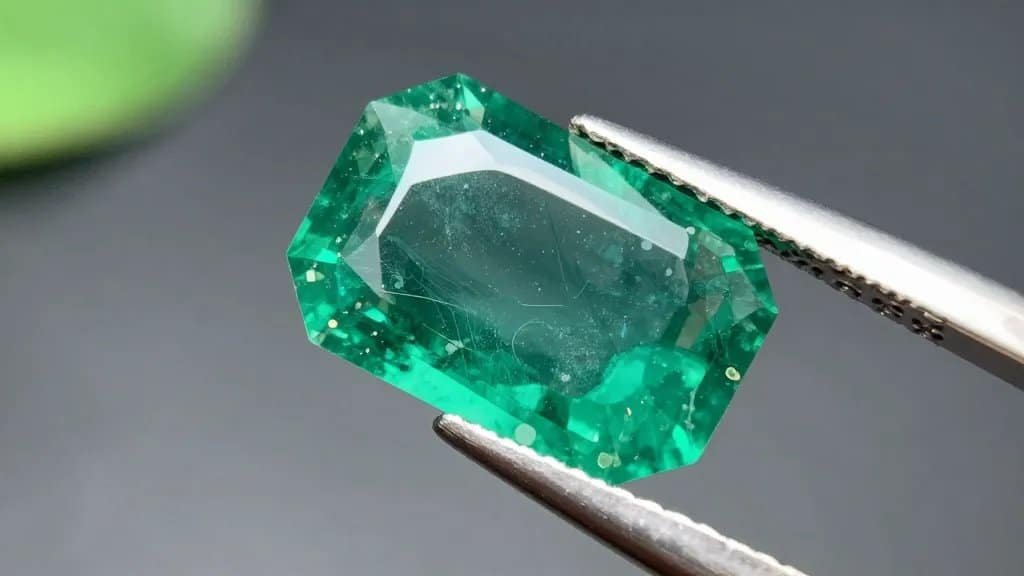
Inclusions are natural features formed during a gem’s growth: tiny crystals, needles, wisps, feathers, or gas bubbles. They can be flaws or fascinating fingerprints of origin. Emeralds famously host “jardins,” mossy gardens that collectors sometimes adore. Kashmir sapphires often have fine, silky inclusions that diffuse light and create a dreamy glow prized by aficionados.
Clarity expectations vary by gem type. Ruby and emerald usually forgive some inclusions; fine specimens without them are rare and costly. Sapphire, aquamarine, and topaz commonly show better clarity. Quartz varieties like amethyst and citrine are often eye-clean and affordable at larger sizes.
A practical rule: eye-clean matters more than loupe-clean for everyday joy. If you can’t see the inclusion at a normal viewing distance, it seldom affects how you’ll love the stone—unless it compromises durability, like a surface-reaching fracture in a ring stone.
Cut Is About Sparkle, Not Just Shape
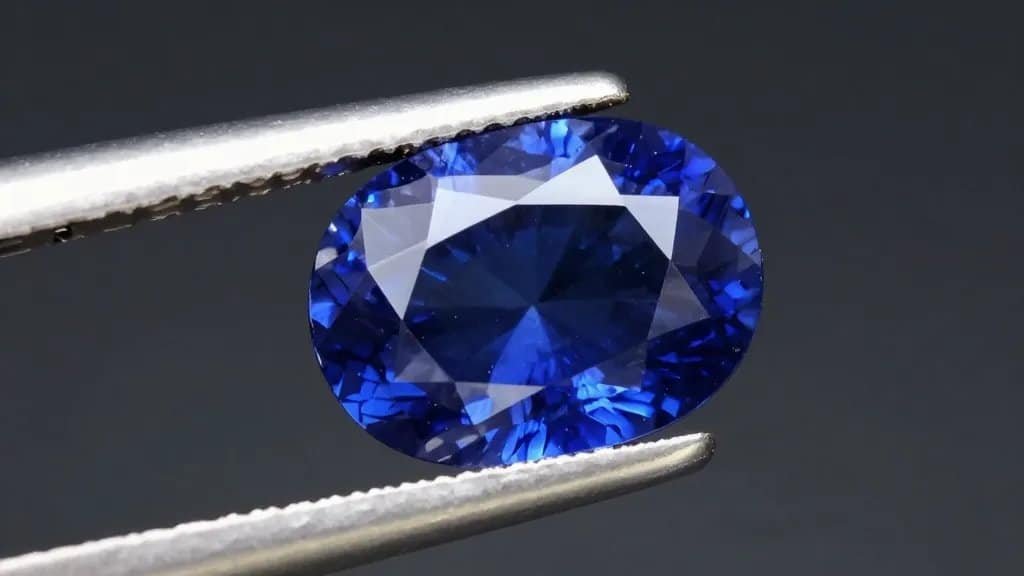
Shape is the outline—round, oval, cushion, pear. Cut is the architecture: angles, proportions, polish, and symmetry that decide how light moves through the gem. A great cut makes color look deeper, brilliance brighter, and the whole stone more alive.
Different gems crave different cutting strategies. Darker stones often benefit from shallower pavilions so they don’t “window” or go inky. Pale stones might be cut deeper to build color. Watch for two common problems: a window (a see-through pale zone in the center, caused by shallow cutting) and extinction (large dark areas that don’t reflect light back to your eye). Good cutters skillfully balance brightness, dispersion, and color to avoid both.
Don’t underestimate polish quality. Crisp facet junctions and a glassy surface lift a stone dramatically, while dull polishing wipes out life even in fine material. If you’re comparing two similar gems, the better cut usually wins on the hand, even if the lab report specs look similar.
Natural, Treated, Synthetic, Simulant: Know the Vocabulary
Real-world gem buying starts with understanding how a stone came to be—and what’s been done to it.
- Natural: Formed in the earth. May be treated.
- Treated: Altered to improve color or clarity. Common methods include heat (routine for sapphire and ruby), oil (traditional for emerald), diffusion (adds color near the surface of sapphire), resin filling (for fractured gems), and dyeing (common in porous stones like turquoise or howlite).
- Lab-grown (synthetic): Same chemical composition and crystal structure as natural, grown in a controlled environment. Lab-grown sapphire and diamond are widely available and typically less expensive.
- Simulant: Imitates the look but not the chemistry or structure. Cubic zirconia is a diamond simulant; glass can simulate many stones.
None of these categories are “bad” by default. The key is understanding value and disclosure. Heat treatment in corundum (ruby, sapphire) is widely accepted. Oiling emerald is traditional but should be disclosed, including degree. Diffusion, heavy resin filling, and unknown treatments deserve a price discount and extra scrutiny.
For deeper reading on this topic, explore Gemstone Identification and Gemstone Myths for common misunderstandings about enhancements.
Origin Stories: Why Some Places Command a Premium
A stone’s origin can change its price because certain localities consistently yield coveted colors and qualities. Think Burma (Myanmar) for ruby, Kashmir for velvety sapphire, Colombia for emerald, and Paraíba (Brazil, plus some African localities) for copper-bearing tourmaline with electric blue-green hues.
Origin is established by advanced lab testing and comparison to known reference sets; it’s not something you can confirm with the naked eye. For elite stones, a report from a respected laboratory stating origin can add significant value. But remember: a beautiful, well-cut gem from a less-hyped locality can be a happy buy at a better price.
Value Factors: The Four Cs—and Then Some
You may know the Four Cs from diamonds, but they apply broadly with nuance:
- Color: Often the top driver for colored gems. Strong, even saturation wins, as long as the stone doesn’t go too dark.
- Clarity: Eye-clean is key, with exceptions (emerald allows more; ruby allows some; sapphire ranges widely).
- Cut: Impacts brilliance, face-up color, and the apparent size. A superior cut can elevate average material.
- Carat: Larger stones are rarer and more expensive per carat, especially when all other factors are strong.
Then there’s rarity. Fine alexandrite that changes distinctly from green to red is rare and pricey even at small sizes. Top-quality spinel has seen a surge because collectors recognized its brilliance and range. For context on price ranges and trade-offs, check a Gemstone Value Guide or Gemstone Comparisons to see how different species stack up.
Common Treatments You’ll Encounter—and How to Think About Them
Heat: Improves color and clarity in sapphire and ruby. Stable, permanent, and usually accepted. Pricing is lower than unheated equivalents of equal beauty.
Oiling (Emerald): Fills fractures with colorless oil or resin to improve clarity. Traditional but varies in degree. “Minor” is common; “significant” calls for a price discount and cautious wear.
Diffusion: Adds color-causing elements near the surface of corundum. The color layer can be thin; recutting may remove it. Requires clear disclosure and lower pricing.
Lead-glass filling (Ruby): Fills cavities and fissures to make low-quality material look transparent. Very vulnerable to heat and chemicals. Treat as fashion jewelry and price accordingly.
Dyeing and Stabilization: Turquoise, lapis, chalcedony, and others may be dyed or stabilized. Stabilization can improve durability for daily wear, but color should be natural or disclosed as dyed.
Ask two questions: Is the treatment stable in normal wear? Is the price fair compared to untreated material of comparable beauty?
Real vs. Fake: Quick Field Tips
Magnification is your best friend. A 10x loupe reveals inclusions, gas bubbles, facet wear, and join lines from assembled stones (doublets, triplets). Natural inclusions look organic and varied; perfectly round bubbles often mean glass.
Look at the girdle (edge) of the stone. Obvious seam lines might indicate a doublet. A suspiciously perfect, lab-clean look in a low-priced “rare” stone suggests lab-grown or treated material.
Feel the heft and the temperature. Glass warms in your hand quickly; many crystalline gems feel cooler. This isn’t definitive but adds to the picture.
For a more systematic approach, explore Gemstone Identification to see how refractive index, pleochroism, and specific gravity tests help confirm species.
Care and Cleaning: Keep the Sparkle, Skip the Damage
Ultrasonic cleaners are not universal. They can shatter heavily included emeralds, fracture-filled rubies, and opals. When in doubt, gentle soap, lukewarm water, a soft brush, and a pat-dry microfiber cloth is the safest routine.
Keep gems apart. Diamonds scratch almost everything; sapphires scratch most things; quartz gets scratched by both. Store jewelry in separate soft pouches or a compartmented box.
Beware of harsh chemicals and sudden temperature changes. Opal hates rapid shifts; pearls and coral don’t appreciate acids or high heat. Wipe pearls after wear to remove skin oils and perfume residues.
Restring pearl strands periodically if worn often. For rings with emeralds or opals, consider protective settings like bezels or halos to shield edges.
Birthstones, Symbolism, and Stories People Love
Gemstones carry centuries of meaning. Ruby symbolizes passion and vitality; sapphire suggests wisdom and fidelity; emerald evokes growth and renewal. These associations make jewelry deeply personal and help you choose thoughtful Gemstone Gifts.
Birthstones remain a popular tradition: garnet (January), amethyst (February), aquamarine (March), diamond (April), emerald (May), alexandrite or pearl (June), ruby (July), peridot (August), sapphire (September), opal or tourmaline (October), topaz or citrine (November), and tanzanite, zircon, or turquoise (December). Wearing a birthstone feels like carrying a small talisman, and Birthstone Jewelry offers a natural way to personalize a collection.
Just remember: meaning should serve you. If your birthstone doesn’t feel like “you,” pick the gem whose color or story sings the loudest.
Practical Buying Advice: Confidence in the Showcase
Decide your top priority before shopping: color pop, durability for daily wear, rarity for collecting, or size for presence. This prevents compromise fatigue and keeps you focused.
Ask for disclosure. A reputable seller will tell you if a stone is heated, oiled, diffused, or filled, and whether it’s natural or lab-grown. For higher-value pieces, request a report from a respected lab.
View stones in multiple lights and from arm’s length. Jewelry lives at conversation distance, not under a loupe. Does the stone hold its color? Does it sparkle across the face or go dull in patches?
Trust your eyes, then verify with paperwork. If a gem dazzles you but a certificate reveals heavy treatments or a fragile structure for your lifestyle, either adjust expectations or consider a better fit. For a deeper walkthrough of trade-offs, a Gemstone Buying Guide and Gemstone Hardness overview can clarify choices for everyday wear.
Collector Corners: Hidden Gems Worth Knowing
Spinel: Once mistaken for ruby (the Black Prince’s “ruby” is spinel), it offers superb brilliance, durable wear (Mohs 8), and a rainbow of colors—especially neon pinks and vivid cobalt blues. It’s still undervalued relative to its beauty at many sizes.
Tourmaline: A chameleon species with bicolors and tricolors, from bottle-green to raspberry pink. Copper-bearing Paraíba varieties flash with an electric glow thanks to copper and manganese—extraordinary but pricey.
Garnet: Not just brownish red. Tsavorite and demantoid greens, rhodolite purplish reds, and rare color-change varieties broaden the palette. Demantoid’s fire can rival diamond thanks to high dispersion.
Zircon (natural, not cubic zirconia): Brilliant with strong fire, available in warm honey, champagne, and sky blues. Slight softness (6–7.5) means mindful wear, but its sparkle is addictive.
If you’re building a themed collection—by color, locality, or optical effect—browse Rare Gemstones or Collector Gemstones to discover niches that suit your taste and budget.
Optical Wonders: Effects That Dazzle Beyond Color
Some gems show special light tricks that feel like magic:
- Asterism: Star sapphires and rubies reveal radiant stars across a domed cabochon, caused by rutile silk reflecting in precise alignments.
- Chatoyancy: Cat’s-eye chrysoberyl and tiger’s-eye quartz display a silky band that glides across the surface like a spotlight moving on water.
- Adularescence: Moonstone glows with a billowy, bluish sheen that seems to float just under the surface.
- Labradorescence: Labradorite flashes neon sheets of blue, green, and gold from internal layers.
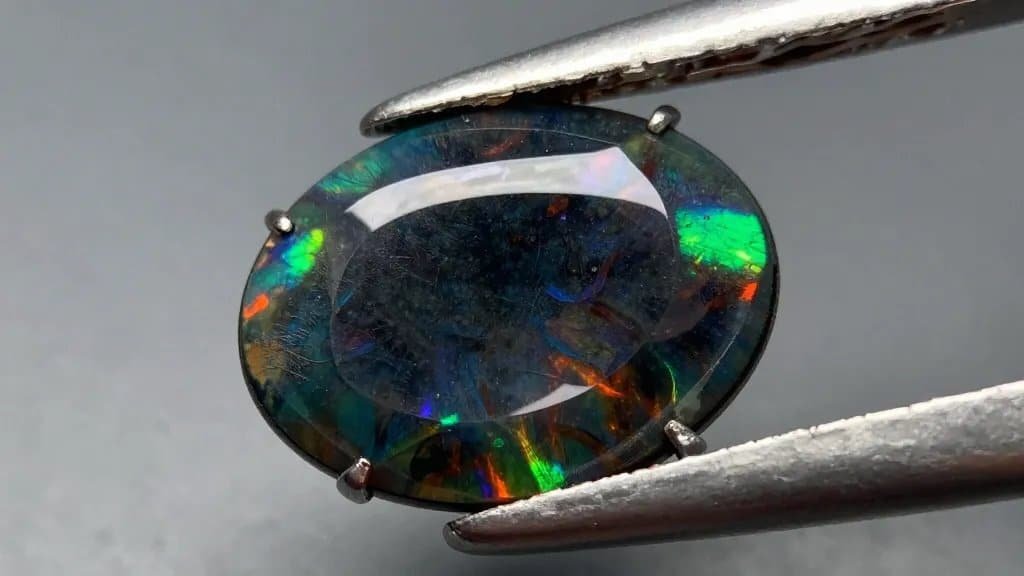
- Play-of-color: Opal throws confetti-like flashes—pinfire, harlequin, or broad patterns—thanks to microscopic silica spheres.
Cabochon cuts favor these phenomena, presenting a larger canvas for the effect. When buying, judge the sharpness, brightness, and coverage of the effect, not just the base color.
Settings Matter: Match the Stone to Its Home
Delicate stones thrive in protective settings. Bezels wrap the edges to guard against knocks—great for opal, turquoise, and emerald. Prong-heavy, high-set rings can leave edges vulnerable; halos add buffer and sparkle. For daily rings, corundum (sapphire, ruby) or spinel in low, sturdy settings strike an ideal balance.
Necklaces and earrings face fewer knocks, so softer stones like opal, moonstone, and pearls shine here. Bracelets take more hits; save those for tougher species or use protective designs with metal guards.
If you’re exploring designs, compare Gemstone Rings, Gemstone Necklaces, Gemstone Earrings, and Gemstone Bracelets to see how style and durability meet.
FAQs
How can I tell if a gem is heat-treated?
Heat often leaves no obvious visual clues. You’ll need seller disclosure or a lab report. In sapphire and ruby, heat is common and generally stable; pricing reflects it.
Is lab-grown worth buying?
Yes, if you value the look and durability at a lower price. Lab-grown has the same chemistry as natural. Just buy from a seller who clearly labels origin to avoid resale confusion.
What’s the safest all-purpose cleaning method?
Lukewarm water, mild dish soap, a soft brush, rinse, and pat dry. Avoid ultrasonics and steam for opal, emerald, pearl, and heavily treated stones.
Which gemstones are best for everyday rings?
Sapphire, ruby, and spinel are excellent. Diamond is top for hardness but protect it from sharp blows. Quartz works with care; opal and emerald need protective settings.
Why does the same carat weight look different in size?
Cut proportions and density matter. An oval can face up larger than a round of the same weight, and denser stones (like sapphire) look smaller than less dense ones (like quartz) at equal carats.
Do inclusions always lower value?
Not always. Some inclusions are signature features (emerald’s jardin, Kashmir silk) and can add character. But large, surface-reaching fractures reduce durability and value.
What’s the difference between zircon and cubic zirconia?
Natural zircon is a gemstone species with strong fire; cubic zirconia is a synthetic diamond simulant. They’re unrelated materials with different properties.
Final Thoughts
Gemstones reward curious eyes. Learn to read color beyond hue, respect the difference between hardness and toughness, ask clear questions about treatments, and let great cutting guide your choices. With a bit of knowledge and a lot of looking, you’ll find stones that not only sparkle—but feel like they were always meant for you.

Christian Grey is the creator of GemMeaning, where he shares simple insights about crystals, gemstone meanings, and spiritual guidance. His focus is on making complex ideas easy to understand and practical for everyday life.