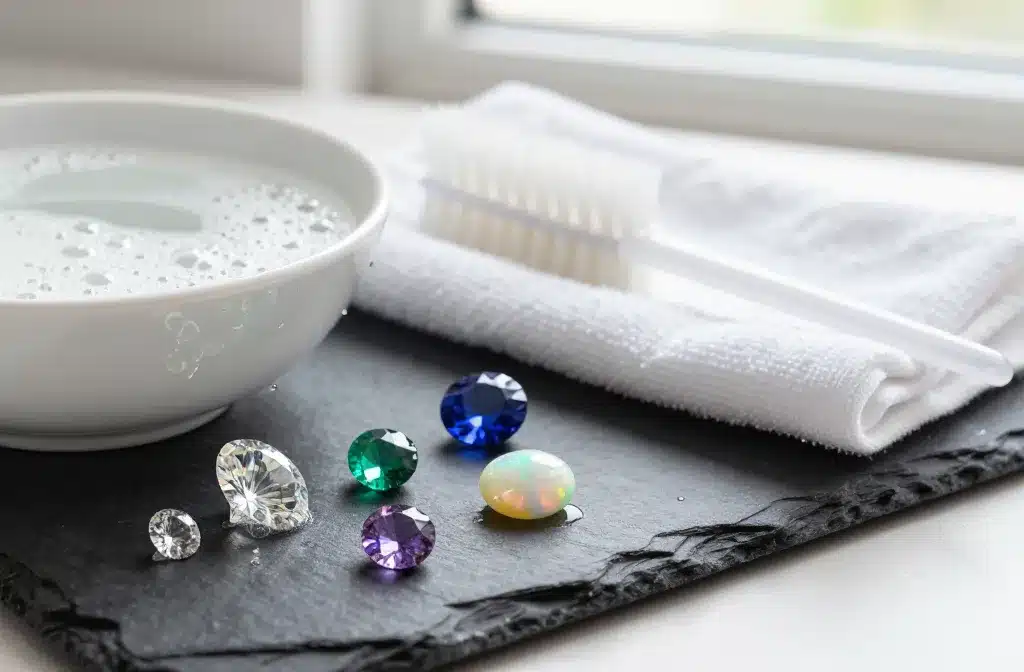
If you’ve ever watched a gemstone lose its sparkle to a haze of lotion, soap, or kitchen grime, you know the pang that follows. The good news: that lost brilliance is usually resting just beneath a thin film, not gone forever. Thoughtful cleaning brings back the glow—without risking cracks, scratches, or cloudiness.
Here you’ll learn safe, step-by-step methods to clean gems from diamond to opal, understand which tools are gentle versus risky, and recognize when a stone needs professional help. We’ll also cover common treatments that change how you should clean, the tricky gems that demand extra care, and the mistakes that quietly cause damage.
By the end, you’ll be confident about which gemstones love warm soapy water, which fear heat and chemicals, and how to restore crisp facet edges and mirror-like polish without drama. Consider this your friendly cleaning blueprint—practical, precise, and field-tested.
Know Your Stone: Hardness, Toughness, and Treatments
Safe cleaning begins with identification. Two sapphires may look nearly identical under lamp light but behave very differently if one is fracture-filled or surface-diffused. A quick mental profile helps you choose the right method.
- Hardness (Mohs scale): A measure of scratch resistance, not overall durability. Diamond (10), corundum—sapphire and ruby (9), beryl—emerald, aquamarine (7.5–8), quartz—amethyst, citrine (7). Softer gems like opal (5.5–6.5), turquoise (5–6), and pearls (2.5–4) scratch easily.
- Toughness: Resistance to breaking or chipping. Jade is famously tough; diamond is hard but can chip along cleavage planes. Opal and tanzanite can be brittle.
- Treatments: Heat is common and usually stable (e.g., sapphire). Oil in emeralds fills tiny fissures; heat or ultrasonic cleaners can drive out that oil, leaving the stone cloudy. Glass-filled ruby, dyed turquoise, assembled stones (doublets/triplets), and fracture-filled diamonds dislike heat, ultrasonic energy, and harsh chemicals.
- Porosity: Stones like turquoise and lapis lazuli are porous and absorb liquids; avoid soaking and chemicals.
If you’re uncertain, err on the gentle side or consult a jeweler skilled in Gemstone Identification. A quick check often saves a costly mistake.
The Universal Starting Point: Warm Soapy Water Done Right
For many gems, the safest effective method is also the simplest. Done carefully, warm soapy water restores fire and brightness without fuss.
- Prepare the bath: Use a bowl of warm water (not hot) and a drop of mild, dye-free dish soap. Think tepid tea, not coffee.
- Secure your workspace: Place a towel in the sink or work over a bowl—no one wants a ring down the drain.
- Soak briefly: 2–10 minutes loosens grime. Avoid long soaks for porous stones (turquoise, lapis), opal, or any glued settings (doublets/triplets).
- Brush gently: Use a soft, new toothbrush. Support the setting with your fingers and brush under the stone where lotions collect. Use light strokes along the pavilion and around prongs; don’t scrub like it’s a kitchen pan.
- Rinse and dry: Rinse under a gentle stream of lukewarm water, then pat dry with a lint-free cloth. Let air-dry face-up so water doesn’t pool beneath the stone.
This method works well for diamonds, sapphires, rubies, spinel, chrysoberyl (including alexandrite), garnet, and most quartz (amethyst, citrine, smoky quartz). It’s a reliable first choice before you consider anything stronger.
Gems That Need Extra Caution
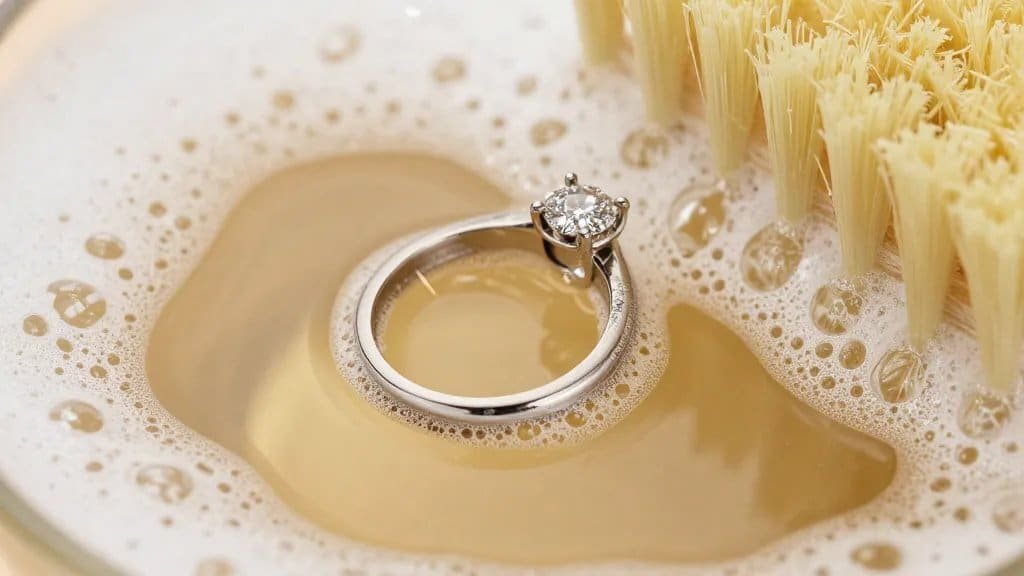
Some beauties carry delicate structures, fillers, or moisture that make them vulnerable. Handle these with extra respect.
- Emerald (beryl, 7.5–8 Mohs): Frequently oil-treated. Use only lukewarm soapy water, short soaks, and gentle brushing. Avoid ultrasonic, steam, and hot water, which can drive oil out and highlight fissures.
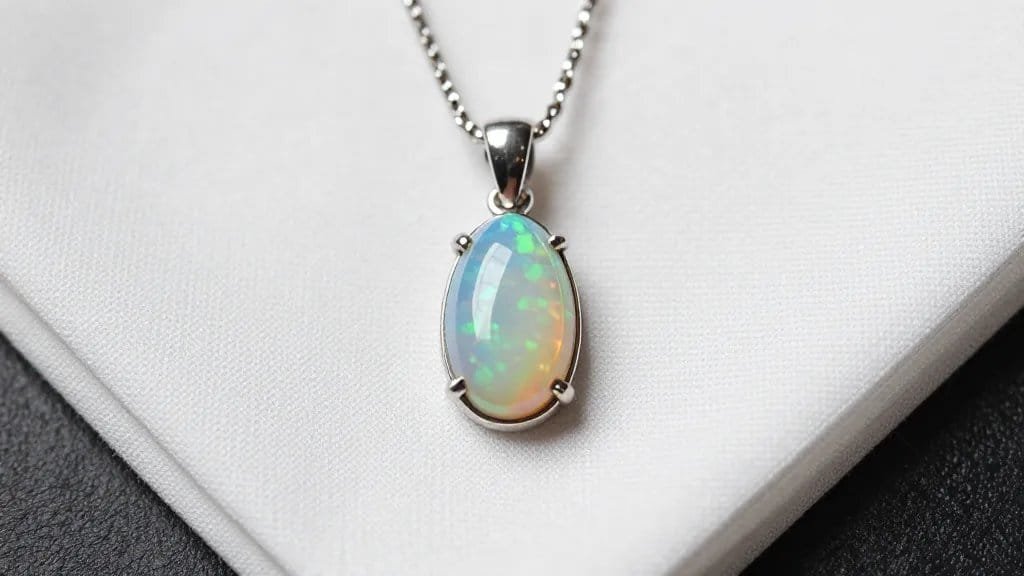
- Opal (5.5–6.5 Mohs): Sensitive to rapid temperature change and low humidity. Clean with barely warm water and a very soft cloth. Skip soaking if it’s a doublet or triplet—water can infiltrate layers.
- Turquoise, Lapis Lazuli, Malachite (5–6 Mohs, porous): No soaking, no chemicals. Wipe with a damp cloth and dry immediately. Avoid ultrasonic and steam.
- Pearl (2.5–4 Mohs): Organic and soft. Wipe after each wear with a damp, soft cloth. If deeper cleaning is needed, a quick dip in lukewarm water with a touch of mild soap, then rinse and lay flat to dry. No ultrasonic, no ammonia, no vinegar, and avoid soaking strands (weakens silk).
- Tanzanite (6–7 Mohs): Brittle and heat sensitive. Stick to lukewarm soapy water and gentle brushing. Avoid ultrasonic and steam.
- Glass-Filled Ruby or Fracture-Filled Diamonds: Filler can be damaged by heat and chemicals. Use mild soapy water only, no ultrasonic or steam.
- Amber, Jet, Coral (soft/organic): Use only a soft cloth slightly dampened with water. Avoid solvents, alcohol, or ultrasonic.
What About Ultrasonic and Steam Cleaners?
Ultrasonic cleaners shake loose grime with high-frequency sound waves; steamers blast away residue with heat and pressure. Both can be highly effective—and equally risky if you don’t know your stone’s condition.
- Generally safe in the hands of pros: Untreated diamonds, sapphires, rubies, chrysoberyl, and spinel—assuming no major inclusions, cracks, or unstable settings.
- Usually risky: Emerald, tanzanite, opal, turquoise, lapis, malachite, zircon (heat sensitive), peridot (cleavage and inclusions), morganite/aquamarine with inclusions or fractures, any fracture-filled or coated stones, and organic gems like pearl and coral.
- Settings to watch: Antique pieces, pavé settings, and stones with thin girdles or loose prongs. Vibration can dislodge stones or worsen a crack.
If you own a home ultrasonic, limit its use to robust stones you know are untreated and free of significant inclusions. When in doubt, choose warm soapy water or ask a jeweler experienced in Gemstone Care to evaluate the piece first.
Cleaning Methods by Gem Family
Different families share similar traits. Here’s a quick field guide to keep your routine tailored and safe.
- Diamond (10 Mohs): Loves warm soapy water and soft brushing, especially under the setting where oils cling. Ultrasonic and steam are typically fine unless the stone is heavily included or fracture-filled.
- Corundum—Sapphire & Ruby (9 Mohs): Sturdy and easy to clean with warm soapy water. Ultrasonic and steam safe for most heat-treated stones but avoid if fracture-filled or surface-diffused.
- Chrysoberyl & Alexandrite (8.5 Mohs): Strong and stable. Warm soapy water works; ultrasonic usually fine if inclusions are minimal.
- Spinel (8 Mohs): Durable and often clean. Soapy water and gentle brush; ultrasonic commonly safe.
- Beryl—Aquamarine, Morganite (7.5–8 Mohs): Warm soapy water. Avoid extreme heat or ultrasonic if included or fracture-prone. Emerald belongs here but needs special care due to oil/fill.
- Quartz—Amethyst, Citrine, Smoky, Rose (7 Mohs): Soapy water is excellent. Avoid harsh chemicals. Ultrasonic is often okay unless the stone is heavily included or dyed.
- Garnet (6.5–7.5 Mohs): Warm soapy water works well. Most are fine in ultrasonic if sturdy; avoid steam with porous or treated varieties.
- Peridot (6.5–7 Mohs): Can be brittle; stick to mild soapy water and avoid ultrasonic/steam.
- Zircon (6–7.5 Mohs): Heat sensitive and brittle. Warm soapy water only.
- Opal, Turquoise, Lapis, Malachite, Pearl, Coral: As noted earlier—very gentle cleaning, minimal water, no heat, no chemicals.
Tools and Cleaners: What Helps and What Hurts
A few simple tools keep your routine safe and effective.
- Soft toothbrush: Opt for baby-soft bristles. Keep one dedicated to jewelry to avoid toothpaste grit.
- Lint-free cloth or microfiber: For drying and final polish without residue.
- Bulb syringe or squeeze bottle: Handy for flushing dirt from under settings without pressure spikes.
- Wooden toothpicks: To nudge out stubborn debris under prongs—gentle and non-scratching.
- Mild dish soap: Clear, unscented, no dyes. A single drop is enough.
And the no-go list:
- Harsh chemicals: Bleach, acetone, household cleaners, hand sanitizers, hair spray. They can etch finishes, weaken adhesives, and attack fillers or organics.
- Abrasives: Baking soda pastes, scouring powders, rough cloths. These scratch softer gems and metal polish alike.
- Hot water and sudden temperature changes: Thermal shock can craze opal and stress-included stones; it can also expand trapped water under settings.
- Ultrasonic jewelry solutions with ammonia: Too harsh for many stones and cases with adhesives.
Step-by-Step: Bringing Back Brilliance in Jewelry Settings
Most of the grime sits where you can’t see it—behind the stone and in the gallery under the setting. Here’s a careful routine that preserves both gem and metal.
- Check the setting first: Gently tap the piece near your ear. If you hear a rattle, stop and see a jeweler. Cleaning can dislodge an already-loose stone.
- Pre-rinse: A quick lukewarm rinse loosens dust before you brush.
- Soapy soak: Short and gentle. Then brush from the back of the setting forward. Keep the brush nearly parallel to the stone to avoid digging under prongs.
- Rinse thoroughly: Use a bulb syringe to flush soap from crevices where dulling films hide.
- Dry and inspect: Pat dry and inspect under a bright light. Facet junctions should look crisp; any milky film or streaks usually mean leftover soap—repeat a quick rinse.
For pavé and micro-prong settings, be especially light-handed. Consider periodic professional cleaning where the jeweler also checks prongs and wear.
Special Cases: Loose Stones and Collector Pieces
Cleaning a loose stone differs from cleaning mounted jewelry. You have more access but less protection from drops.
- Loose stones: Work over a soft tray or folded towel. Use tongs or a gem scoop rather than fingers to avoid fingerprints and oils. Soapy water and a soft brush are fine for robust gems; for delicate ones, a damp microfiber wipe is safer.
- Rare or fragile collector gems: Some species—such as sphalerite (soft, high dispersion), hauyne, or certain feldspars—are “display-clean only.” A gentle air blower and dry microfiber may be the limit. If you collect Rare Gemstones, tailor your approach meticulously.
- Assembled stones: Doublets and triplets (common in opal) use adhesives. Keep water to a minimum and avoid heat; a barely damp cloth is best.
Preventing Build-Up: Daily Habits That Protect Sparkle
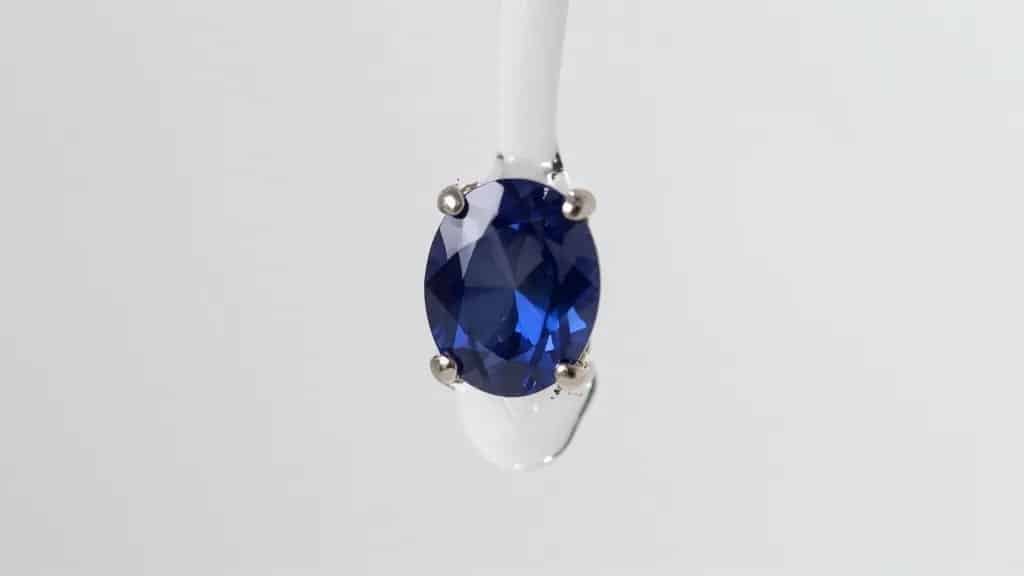
Good habits reduce the need for vigorous cleaning and help preserve polish and facet sharpness.
- Last on, first off: Put jewelry on after makeup, hairspray, and perfume. Remove pieces before gym, gardening, and dishwashing.
- Wipe after wear: A quick, soft-cloth wipe removes skin oils. Pearls especially appreciate this.
- Safe storage: Store pieces separately. Hard stones scratch soft ones; diamonds will scratch almost everything. Pouches or divided boxes help.
- Water and chemicals: Take rings off before using household cleaners, pools, or hot tubs—chlorine and heat are double trouble.
- Regular checks: Have prongs, clasps, and settings inspected once or twice a year. A pro cleaning is often paired with a safety check.
If you’re curating a wardrobe of Gemstone Jewelry—rings, necklaces, earrings, and bracelets—matching care routines to each piece keeps color and life at their best.
How Cleanliness Affects Appearance and Value
Clean stones look brighter, but the benefits run deeper. Oils and residues soften facet reflections and make inclusions look worse. A film can also create a dull grey veil, muting the distinct color notes that make gems special: the cool violet glow of amethyst, the peacock flash in opal, or the neon grass-green of peridot.
For stones where color purity is the chief value factor—think ruby’s red, sapphire’s blue, and emerald’s green—clarity of surface is everything. A properly cleaned surface restores edge contrast so the eye reads color more vividly. Collectors and those browsing a Gemstone Value Guide will notice that a clean, well-polished look subtly boosts perceived quality, even if the underlying grade is unchanged.
Myths vs. Facts: Short, Honest Corrections
- Myth: Toothpaste is a great jewelry cleaner. Fact: It’s abrasive and can scratch metals and softer gems.
- Myth: Ammonia is fine for all stones. Fact: It can damage organics and some treatments; stick to mild soap unless you know your stone.
- Myth: Boiling water makes diamonds sparkle. Fact: Thermal shock risks both stone and setting, and trapped moisture can cause issues.
- Myth: Ultrasonic cleaners are universally safe. Fact: They can wreck fracture-filled, porous, and heat-sensitive stones.
- Myth: Soaking pearls improves luster. Fact: Prolonged moisture weakens silk and harms nacre—just wipe gently.
Buying and Maintenance Tips Linked to Cleaning
If you’re shopping using a Gemstone Buying Guide, ask about treatments and recommended maintenance. A disclosure like “oiled emerald” or “glass-filled ruby” should immediately shape your cleaning plan. For everyday wear, consider robust species (sapphire, spinel) in rings and save your delicate opals or turquoise for necklaces or earrings where they face less abrasion.
When comparing sparkle across Gemstone Cuts and Gemstone Shapes, remember that brilliant cuts hide grime better than step cuts. An emerald-cut sapphire exposes every fingerprint; keep a cloth handy for those crisp mirror-like facets.
FAQs
Can I use vinegar or baking soda to clean gemstones?
No. Acids and abrasives can etch and scratch many stones and metals. Stick to mild, dye-free dish soap and lukewarm water.
How often should I clean my gemstone ring?
Light wipe after each wear, a gentle soapy clean every week or two if worn daily, and a professional inspection/cleaning once or twice a year.
Is it safe to clean multiple pieces together?
Avoid it. Harder stones can scratch softer ones. Clean pieces one at a time or keep them separated in the bowl.
What if I don’t know my stone’s treatment?
Assume it could be treated. Use lukewarm soapy water, brief contact, gentle brushing, and avoid ultrasonic or steam until a jeweler confirms.
Why does my stone still look hazy after cleaning?
Likely residue trapped under the setting or a film left from soap. Rinse with a bulb syringe, then dry thoroughly. If haze persists, it may be surface wear; see a jeweler for repolishing.
Can hand sanitizer damage my gemstones?
Yes, especially pearls, opals, and treated stones. Alcohol can dry or damage surfaces and weaken adhesives. Remove jewelry before applying.
Are dish soaps with moisturizers okay?
Prefer plain, dye-free, fragrance-free formulas. Moisturizers can leave films that mute brilliance.
Final Thoughts
Gentle methods win. If you know your gemstone’s hardness, toughness, and any treatments, you can choose a safe path every time. For most pieces, warm soapy water, a soft brush, and a careful rinse restore that satisfying sparkle—no risk, no drama. When uncertainty creeps in, choose caution and ask a professional; the right cleaning preserves both beauty and value for years to come.

Christian Grey is the creator of GemMeaning, where he shares simple insights about crystals, gemstone meanings, and spiritual guidance. His focus is on making complex ideas easy to understand and practical for everyday life.