Some gifts sparkle, then fade. Others carry color, story, and a little magic every time they catch the light. That’s why gemstone gifts are having a moment—again. They’re personal, they last, and they say more than a one-time experience ever could.
If you’ve been eyeing that glossy teal ring or a spray of rainbow opals and wondering what makes them so buzzworthy, you’re in the right place. This guide cuts through hype and trend names to show you what’s truly exciting in gemstone gifting this year.
You’ll learn which stones are turning heads, why certain cuts and settings feel fresh, how to pick durable options for everyday wear, and what separates a memorable gift from a regretful splurge. You’ll also get practical care tips and a few collector-level insights you won’t hear at the mall counter.
Let’s explore the color, character, and craftsmanship shaping this season’s most-talked-about gemstone gifts.
Color Stories That Feel Personal: The Rise of Modern Birthstone Jewelry
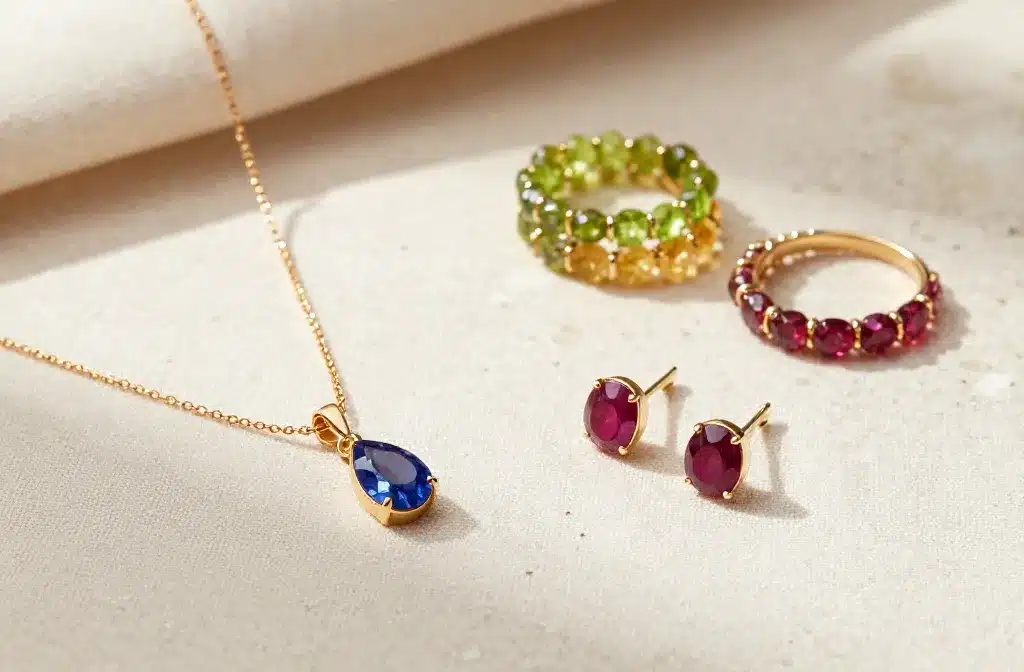
Birthstone jewelry isn’t new, but designers are reinventing it with subtly mismatched hues, slender bezels, and airy negative space. The draw is personal storytelling—stones that align with a birth month or milestone without screaming it. Think a whisper-thin gold necklace with a softly saturated sapphire pear, or a stackable ring set where peridot, citrine, and garnet dance in an ombré gradient.
Today’s approach favors natural color over size. Ruby that leans raspberry, aquamarine with a crisp glacier-blue tone, or a lilac-toned amethyst in a clean step cut feels smart and intentional. On the Mohs scale, most traditional birthstones hold up fairly well—sapphire and ruby (9) handle daily wear brilliantly, while softer options like opal (5.5–6.5) or pearl (2.5–4.5) thrive in protective settings.
If you’re thinking of a birthstone gift, browse by hue as much as month. The right shade under everyday lighting matters more than the label. Designers are also mixing in white topaz, spinel, and tourmaline as modern substitutes for those who want the color story without the price of their precious counterparts—useful for comparing options across Gemstone Colors and Gemstone Value Guide topics later.
Spinel: The Insider’s Pick That’s Finally Mainstream
Spinel has stepped into the spotlight, and it deserves every cheer. Often mistaken for ruby and sapphire in older crown jewels, spinel offers a kaleidoscope of colors: cobalt blue, cherry red, lavender, and steely grays that look like moonlight on water. Its brilliance is lively without being harsh, and well-cut stones feel like tiny lanterns on the hand.
At 8 on the Mohs scale, spinel is durable enough for rings and daily-wear pendants. It’s typically untreated, which appeals to purists who prefer their gems close to how they came out of the earth. Burma, Sri Lanka, and Tanzania produce some of the most collectible pieces, and neon-pink Mahenge spinel from Tanzania is especially sought after.
Value-wise, spinel remains kinder to the wallet than sapphire in comparable sizes and color saturation. Opt for clean cuts—brilliant cushions and precision ovals emphasize that bright “snap” under light. For those exploring Collector Gemstones or Gemstone Comparisons, spinel checks the box for beauty, resilience, and rarity without the intimidation factor.
Tourmaline Everywhere: From Watermelon Slices to Moody Forest Greens
Tourmaline is the chameleon of the gem world, and that’s exactly why it’s trending. One brand leans into candy-bright watermelon slices with visible rind and blush; another makes quietly sophisticated rings in velvety, blue-leaning greens that look like old forests after rain. Both are undeniably tourmaline—and both are giftable.
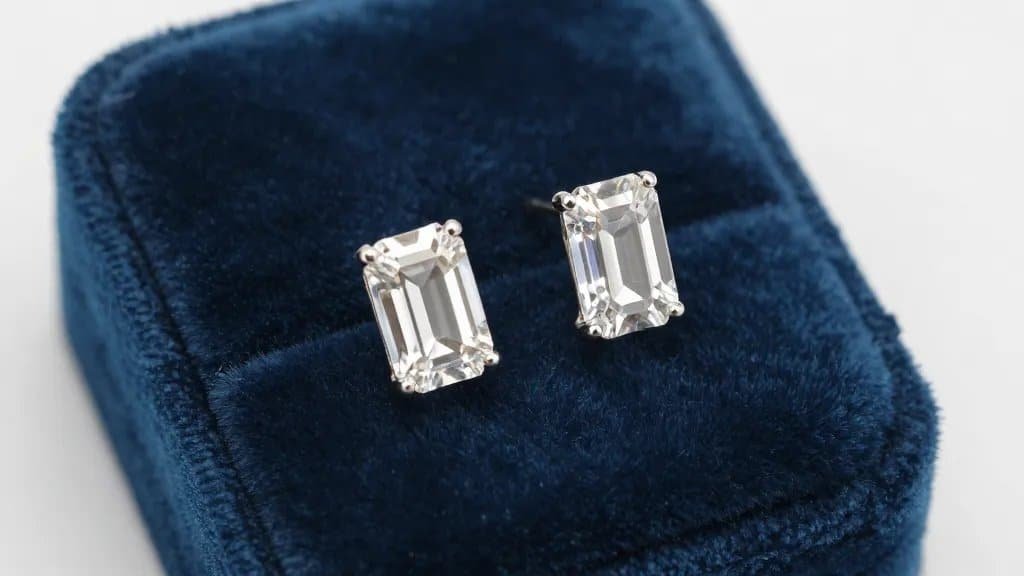
Elbaite tourmaline shows the widest color range, and bi-color or tri-color crystals make terrific conversation starters as pendants or cocktail rings. With a hardness of 7–7.5 and good toughness, it’s suitable for frequent wear, especially in bezel settings that protect the stone’s edges. Look for even color and crisp polish. In elongated emerald cuts, green and teal tourmaline can look strikingly architectural, their long facets returning orderly flashes of light rather than glitter.
Buyer tip: Very large tourmalines can show color zoning. This isn’t a flaw; it’s part of the gem’s formation. However, a good cutter will orient the stone so those zones create character, not distraction. If you’re new to the category, start with a petite pendant or a right-hand ring in a simple, low-profile mounting. You’ll find more context under Gemstone Cuts and Gemstone Buying Guide.
Opal’s Second Act: Fire, Flash, and Protective Settings
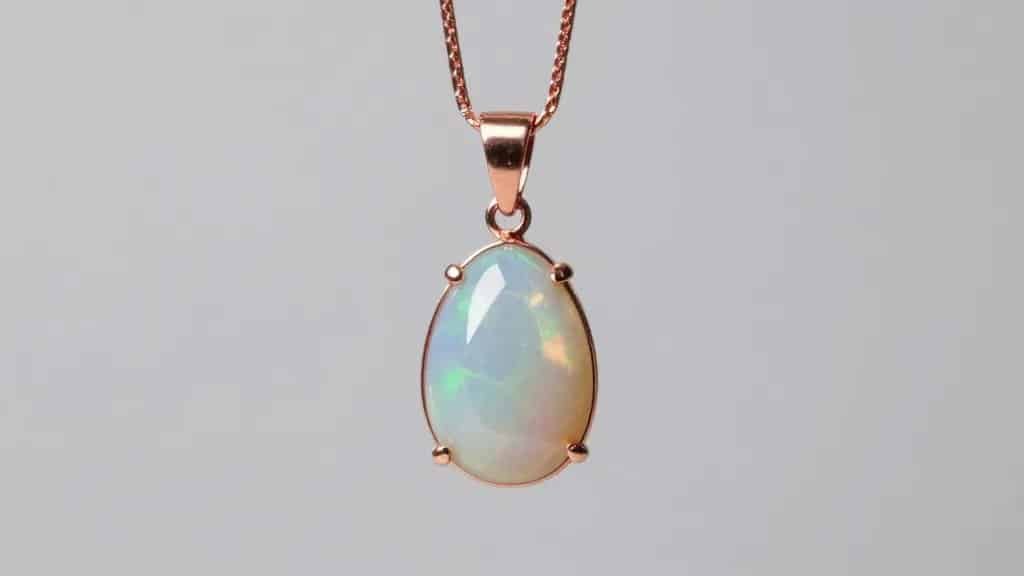
Opal is having a renaissance thanks to modern protective designs. Those electric flashes of neon—greens, oranges, magentas—look almost digital under café lighting. The variety most people fall for is Ethiopian hydrophane opal, which can show whirling galaxies of color. Australian black opal remains the holy grail for collectors, with darker body tones amplifying the play-of-color.
Opal’s lower hardness (5.5–6.5) and sensitivity to sudden temperature changes used to limit jewelry options. Today, designers cradle opals in partial bezels, halo settings, or North-South orientations that shield edges. Coated backs are less desirable; aim for well-polished cabochons with symmetrical shapes and color visible from multiple angles.
Care is simple: a soft cloth, mild soap, and cool water. Avoid ultrasonic cleaners and prolonged exposure to very dry air. If you want drama without worry, consider opal earrings or a pendant; rings are stunning but require mindfulness. Because opal thrives on movement, pieces that sway—think threader earrings—really show the gem’s fire. Cross-reference Gemstone Care and Gemstone Earrings for more on long-term wear.
Salt-and-Pepper Diamonds and Alternative Engagement Aesthetics
Not every diamond needs to be icy and flawless. Salt-and-pepper diamonds, flecked with inky inclusions, are rewriting the rules of romantic jewelry. Their galaxy-like interiors tell a geological story—carbon crystals formed under extreme pressure, with mineral companions sealed forever inside. No two are alike, which makes them ideal for milestone gifts and nontraditional engagements.
On the Mohs scale, diamonds still top the chart at 10, so durability is high. The trend leans toward rose-cut domes and antique-style cuts that spread the stone’s outline without adding needless height. A slim bezel or talon prongs work beautifully, especially in platinum or warm yellow gold, which throw a subtle contrast against the cool stone.
Pricing is often friendlier than for high-clarity white diamonds, making larger center stones possible. Pair with a slender pavé band or a geometric nesting ring for a complete gift that feels curated. For shoppers comparing Precious Gemstones versus alternative diamonds, this path delivers longevity with an artisanal vibe.
Moss Agate, Jade, and the Nature-Inspired Movement
Nature motifs are surging, not as literal leaf shapes but as stones that look like mini landscapes. Moss agate shows fern-like inclusions—wispy greens suspended in translucent chalcedony—so each cabochon feels like a forest scene. It’s a calming stone aesthetically and sits at 6.5–7 on the Mohs scale, making it solid for necklaces and earrings.
Jade—both jadeite and nephrite—continues to pull collectors and first-time buyers alike. Icy, near-transparent jadeite rings glow from within, while classic spinach-green bangles feel timeless. True jadeite can be pricey; avoid “B” or “C” jade (bleached and polymer-impregnated or dyed) if you want heirloom quality. Request documentation or shop from a source familiar with Gemstone Identification and treatments.
These stones shine in minimalist forms: slender stacking bands, medallion pendants, or sculptural signets. The organic patterns do the talking; the metal just frames the view.
Sapphires Beyond Blue: Teal, Parti, and Padparadscha Hues
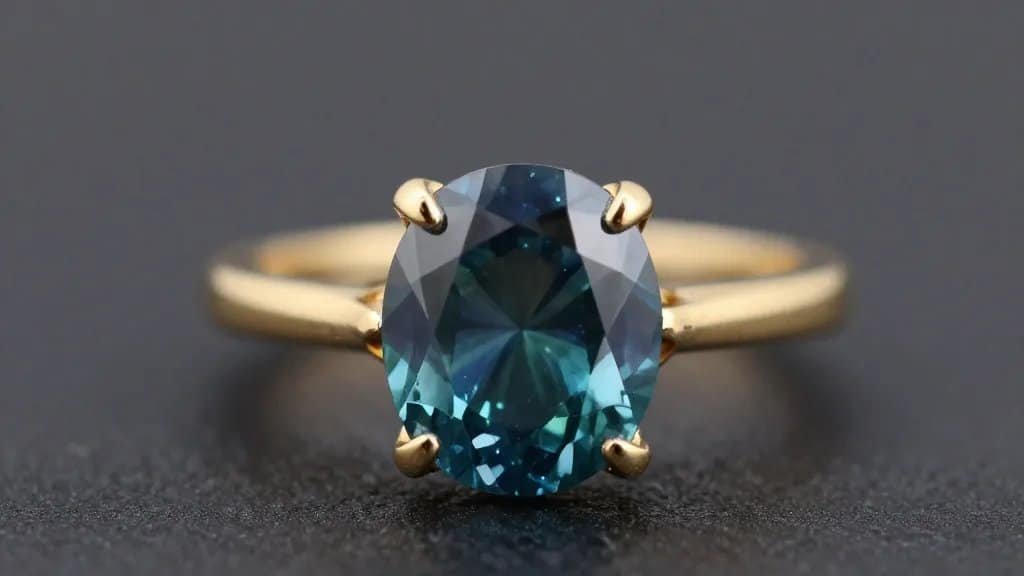
Blue may be sapphire’s signature, but the trend is all about unexpected flavors. Teal sapphires blend blue and green like deep ocean water. Parti sapphires display two or more distinct colors in a single stone—slices of yellow, green, and blue that shift with every tilt. Then there’s padparadscha, the coveted blend of pink and orange named for a lotus blossom at sunset.
Sapphire’s hardness (9) and excellent toughness make these gifts practical for daily wear. Expect heat treatment in many stones; this is standard and stable. Untreated sapphires with strong color command premiums, and well-documented padparadscha is especially sensitive to accurate grading.
Choose cuts that emphasize color mixing—oval, cushion, and radiant cuts make parti stones look painterly, while step cuts can emphasize separation between hues. For an unforgettable gift, pair a teal sapphire center with tiny mint garnets in the band; the subtle color echo feels intentional and modern. For more on durability and daily wear, see Gemstone Hardness.
Labradorite and Moonstone: The Glow You Can’t Stop Watching
Not every gem needs high brilliance to be mesmerizing. Labradorite and moonstone offer optical effects that feel soft and magnetic rather than sparkly. Labradorite flashes with labradorescence—sheets of blue, green, and, if you’re lucky, gold or copper—best seen across broad surfaces like oval pendants or signet rings. Moonstone, especially the high-quality blue variety from Sri Lanka, shows a floating, silvery-blue adularescence that glides under the surface as you move it.
Both sit around 6–6.5 on the Mohs scale and prefer protective settings. For gifts, consider wide collar necklaces, low dome cabochon rings, or earrings that swing. The magic is movement; the light show follows. Avoid harsh cleaners and opt for mild soap and water with a soft brush.
Under-the-Radar Garnet Varieties: Mint, Mahogany, and Midnight
Garnet is not just deep red. Trendsetters are seeking out tsavorite (vivid green), mint grossular, color-change garnet, and almandine-pyrope mixes that read like fine merlot. Tsavorite in small, bright rounds makes exquisite stud earrings that pop even against dark hair. Mint grossular has a spa-water freshness that looks stunning in thin stacking bands.
Garnets range from 6.5 to 7.5 in hardness and typically need nothing more than a good polish—most are untreated. Value rises with saturation and clarity; neon-bright tsavorite, even in small sizes, can outshine larger, duller stones. If you’re choosing a ring, look for crisp facet junctions and symmetry; garnet’s high refractive index gives a lively sparkle when well cut.
Personalized Talismans: Engraved Medallions and Lockets With Hidden Gems
Another sweet spot: minimal gold medallions or lockets that conceal a tiny gem inside—sometimes a birthstone, sometimes a stone with meaningful folklore. Imagine a brushed gold disc with a star-set diamond and, tucked behind the panel, a sliver of turquoise or a petite ruby only the wearer knows about.
Star settings, flush mounts, and gypsy-style rings are trending because they’re low profile and nearly snag-proof. They’re also great for softer stones like turquoise (5–6) and malachite (3.5–4), which prefer gentle daily wear. If you like the idea of a daily talisman without fuss, this is a smart gift category to explore under Gemstone Jewelry.
Real vs. Lab vs. Imitations: What Givers Should Know
Today’s shoppers navigate three main categories: natural gemstones, lab-grown versions of the same mineral, and lookalike simulants. A lab-grown sapphire is chemically identical to natural sapphire; a simulant like glass or cubic zirconia only mimics appearance.
- Natural gems: Unique inclusions, geological history, potentially higher long-term value. Expect variation and, in some cases, treatments.
- Lab-grown gems: Excellent color and clarity at friendlier prices; identical hardness and durability to their natural counterparts.
- Simulants: Budget-friendly but not the same material; usually lower durability and long-term value.
For gifts, clarity about what you’re giving matters more than any one choice. If you go lab-grown, say so proudly—it can mean a larger, vividly colored stone within budget. When in doubt, ask for disclosures and read up on Gemstone Identification and Gemstone Buying Guide to avoid surprises.
How To Judge Quality Quickly: Cut, Color, and Confidence
Three fast checks help you choose well without a loupe:
- Cut: Do facets meet cleanly? Does the stone return light evenly without “dead” areas? Rotate it under soft indoor light as well as daylight.
- Color: Is the hue pleasing and consistent face-up? Slight zoning can add character, but muddy or grayish tones usually reduce appeal.
- Confidence: Are treatments disclosed? Is the return policy fair? Does the seller provide clear photos and, for higher-value pieces, independent lab reports?
Stones like opal or moonstone rely on effect rather than sparkle; in those cases, judge the strength and spread of the glow or play-of-color rather than brilliance. For stones prized by collectors—spinel, rare garnets, unusual sapphires—documentation boosts value and peace of mind. If you’re calibrating budget and expectations, a look at Gemstone Value Guide can anchor your choices.
Care and Wear: Keeping the Gift Sparkling
Most gems thrive with a little gentle care. As a quick rule:
- Daily-wear champs: Diamond (10), sapphire and ruby (9), spinel (8), garnet (6.5–7.5), tourmaline (7–7.5) in protective mountings.
- Mindful wear: Opal (5.5–6.5), moonstone (6–6.5), labradorite (6–6.5), turquoise (5–6), malachite (3.5–4). Choose pendants or earrings, or rings with protective bezels.
Cleaning is simple: mild soap, lukewarm water, soft brush, pat dry. Skip ultrasonic or steam for opal, emerald (often fracture-filled), turquoise, and anything with visible surface-reaching inclusions. Store stones separately to avoid scratches; diamonds can nick other gems if tossed together.
Setting Styles That Feel Fresh
Design helps a good gemstone become a great gift. Current favorites that balance form and function include:
- Bezel and semi-bezel: Clean lines, edge protection, modern look.
- Star-set and flush-set: Low profile, perfect for stacking bands and everyday pendants.
- East-West orientation: Elongated gems like emerald-cut tourmaline or marquise sapphire feel contemporary when set horizontally.
- Antique-inspired prongs: Petite talon prongs on old mine or rose cuts blend vintage romance with today’s scale.
Pay attention to proportion. A slim band with a saturated center stone looks sharp and wearable. If in doubt, choose smaller with better color and cut over larger but lifeless.
Where Trend Meets Timeless: Smart Picks at Every Budget
Entry-friendly ideas:
- Mint garnet or spinel studs in 14k gold—bright color, low drama, daily wear.
- Petite opal or moonstone necklace with a partial bezel—maximum glow for the size.
- Tourmaline stacking ring—teal or raspberry in a rounded cabochon for comfort.
Mid-range standouts:
- Teal sapphire or Mahenge spinel solitaire in an East-West orientation.
- Jadeite pendant with clean translucence, no dye, in a minimalist frame.
- Parti sapphire earrings where color bands show clearly in movement.
Splurge-worthy heirlooms:
- Fine black opal with broad flash in a protective bezel halo.
- Padparadscha sapphire with documentation; even a modest size can be breathtaking.
- Large, vivid tsavorite or cobalt-blue spinel in a precision cushion cut.
FAQs
Are lab-grown gemstones a good gift or do they feel less special?
They can be very special if you frame them honestly. Lab-grown sapphire or spinel delivers superb color and durability at approachable prices. Share the story—same mineral, grown in a lab—so the recipient knows you chose for beauty and wearability.
Which gemstone is safest for someone hard on their jewelry?
Sapphire and ruby (9) and diamond (10) handle daily knocks well. Spinel (8) is also a strong choice. Pick low-profile or bezel settings to minimize snagging and edge chipping.
What size gemstone makes sense for everyday earrings?
For studs, 4–6 mm rounds in garnet, sapphire, or spinel offer presence without drooping. For opal or moonstone, slightly larger cabochons (6–8 mm) show the optical effect better while staying lightweight.
How can I tell if a gemstone’s color is good quality?
View it in daylight and soft indoor light. Look for pleasing saturation without going blackish or washed out. Rotate it—if it goes dull from common angles, the cut or color may be weak.
Are opals too fragile for rings?
Not if you’re mindful. Choose a bezel or halo that protects the edges and remove the ring for workouts, dishwashing, or gardening. Many people enjoy opal rings daily with a little care.
What documents should I ask for on higher-value stones?
Request treatment disclosures and, for rarer or pricey gems (padparadscha sapphire, fine spinel, jadeite), an independent lab report. Clear return policies and detailed photos also help.
What’s a thoughtful gemstone gift under $300?
Mint garnet or spinel studs, a petite tourmaline pendant, or a star-set birthstone charm in sterling or 10k/14k gold. Focus on color and clean setting over carat weight.
Final Thoughts
The most talked-about gemstone gifts pair honest color with designs meant to be lived in. Whether you’re swayed by the neon zing of Mahenge spinel, the quiet glow of moonstone, or a teal sapphire that looks like it holds the sea, choose stones and settings that match the wearer’s life. Prioritize cut, clarity in disclosure, and comfort—and your gift will keep the conversation going every time it catches the light.

Christian Grey is the creator of GemMeaning, where he shares simple insights about crystals, gemstone meanings, and spiritual guidance. His focus is on making complex ideas easy to understand and practical for everyday life.