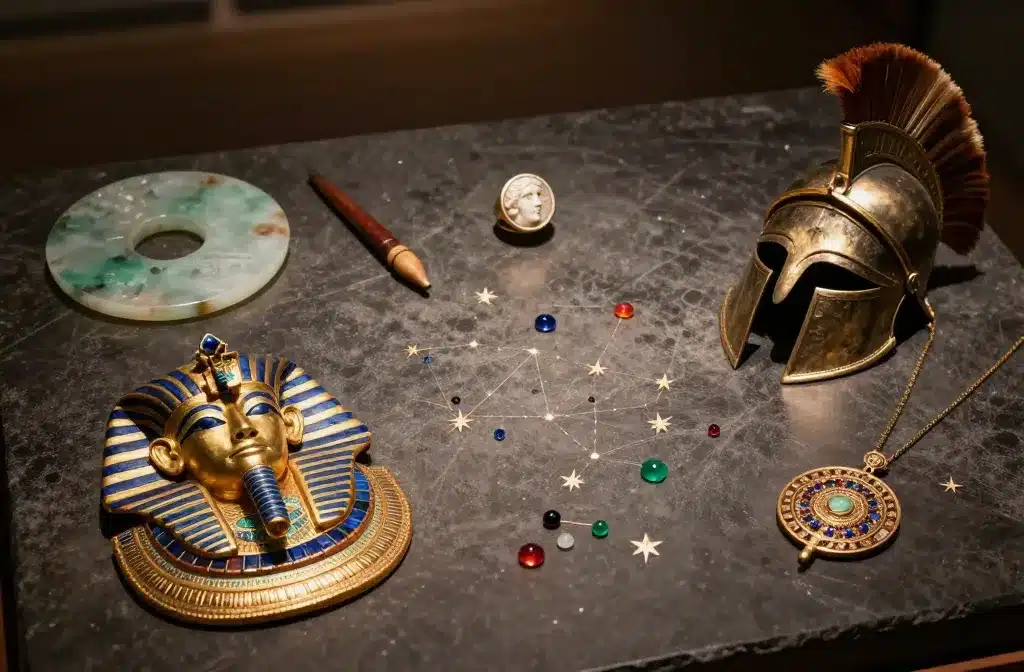
Hold a polished gem in your hand and you’re touching more than color and sparkle—you’re holding a fragment of human history. For thousands of years, stones have been badges of status, tools of healing, star-charts in miniature, and silent witnesses in temples and battlefields. The way ancient peoples used gemstones tells us what they valued, feared, and hoped for.
Here you’ll see how different civilizations chose stones for their color, durability, and rarity, then assigned them meaning. You’ll discover the specific gems Egypt set into crowns and canopic chests, what the Greeks and Romans wore on the battlefield, why Indian lapidaries favored nine sacred stones, and how Chinese artisans teased light from jade. Along the way, you’ll pick up practical tidbits—how to recognize these gems today, how hardness and origin play into value, and where modern traditions borrow from the old ones.
If you enjoy the tangibility of history, gemstones are an ideal thread to follow. They pass through hands and eras almost unchanged, carrying stories that still glint beneath the polish. Let’s trace that light from riverbed to reliquary, and from antiquity to your jewelry box.
Why Stones Mattered: Color, Durability, and Cosmic Order
Ancient people didn’t choose gems only because they were pretty. They were attracted to qualities that felt almost supernatural. A sapphire’s stable blue mirrored a cloudless sky, which suggested permanence and favor from the heavens. A ruby’s saturated red resembled blood and fire—two forces that could bless or destroy. Hardness mattered too: diamonds and corundum (ruby, sapphire) resist wear, so they became natural choices for amulets meant to endure. Stones that fractured easily, like opal or emerald, were still prized for their color but treated more gently and often set in protective bezels.
Many cultures tied stones to planets or deities. It wasn’t random. The bright, flashing dispersion you see in a well-cut diamond linked it to Venus in some traditions; the luminous green of emerald to new growth and Mercury’s quick thinking; the steady blue of lapis lazuli to the night sky and wisdom. This cosmic mapping informed everything from ceremonial jewelry to the stones placed on altars and in burial chambers.
Egypt: Lapis Skies, Carnelian Suns, and the Alchemy of Gold
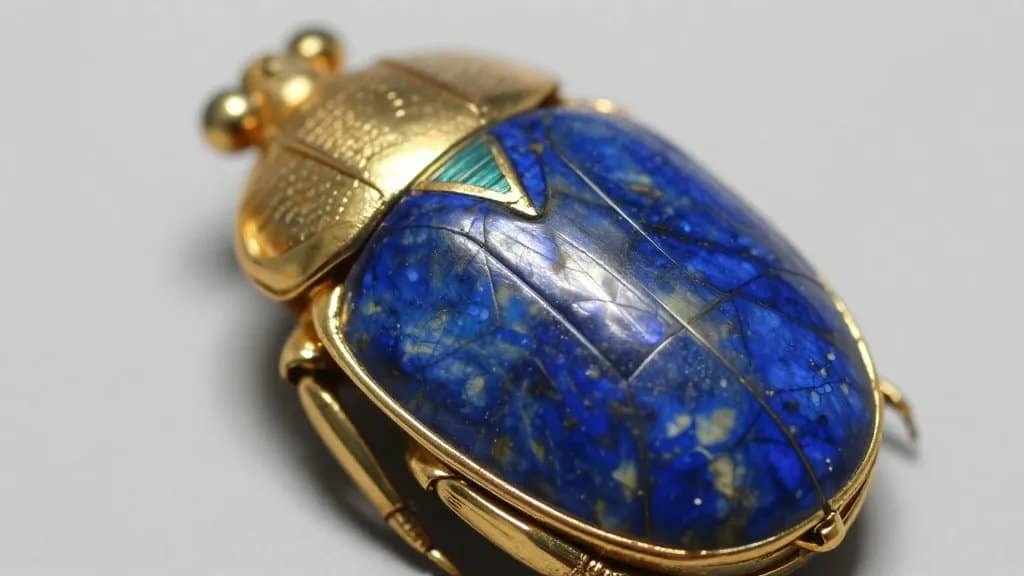
Egyptians treated gemstones like a language. Lapis lazuli, with its ultramarine bodycolor and golden pyrite “stars,” arrived via long-distance trade from what is now Afghanistan. It was carved into beads, scarabs, and inlays, often nested in sheets of hammered gold. Lapis signified the heavens and divine authority, so you see it in the brows of funerary masks and on pectorals carried to the afterlife.
Carnelian, a translucent to opaque orange-red chalcedony (Mohs ~6.5–7), symbolized life and protection. It warmed against the skin in rings and amulets carved as the Eye of Horus or as heart scarabs, inscribed with spells from the Book of the Dead. Turquoise from Sinai—sky-blue, often webbed with matrix—was associated with joy and rebirth; it was set into faience and gold bracelets for both beauty and blessing. Malachite, a banded green copper mineral, was ground for cosmetics and worn as beads. Its soft structure (Mohs ~3.5–4) limited its use in rings but made it perfect for inlays and ritual palettes.
Egyptians loved deep, flat color that held its hue in strong sun. Polished surfaces were smooth rather than faceted; the brilliant multi-facet style common today came much later. If you’re browsing Gemstone History or a Gemstone Value Guide, you’ll notice Egyptian pieces often combine stones with gold to heighten color contrast—gold’s warm glow amplifies lapis and carnelian beautifully.
Mesopotamia and the Indus: Beads, Seals, and the Earliest Jewelry Tech
Across Mesopotamia, cylinder seals cut from stones like hematite, chalcedony, and lapis functioned as signatures and talismans. Roll them over wet clay, and a procession of gods or animals appeared. Carving such fine detail required stones with fine grain and good polish response—chalcedony and jasper worked perfectly.
In the Indus Valley, artisans mass-produced uniform carnelian beads using controlled heating that deepened the orange-red color. Long barrel beads with white etched designs are iconic from this period. Agate and jasper entered as well, chosen for their durability and striking banding; subtle transparency and waxy luster made them pleasant to the touch. For collectors, these early beads are a masterclass in consistency; the polish is satiny, the holes expertly drilled. If you’re comparing pieces, think about Gemstone Identification tips: consistent color penetration and crisp etched lines separate ancient, heat-treated carnelian from modern dyed agate imitations.
Greece and Rome: From Heroic Intaglios to Imperial Splendor
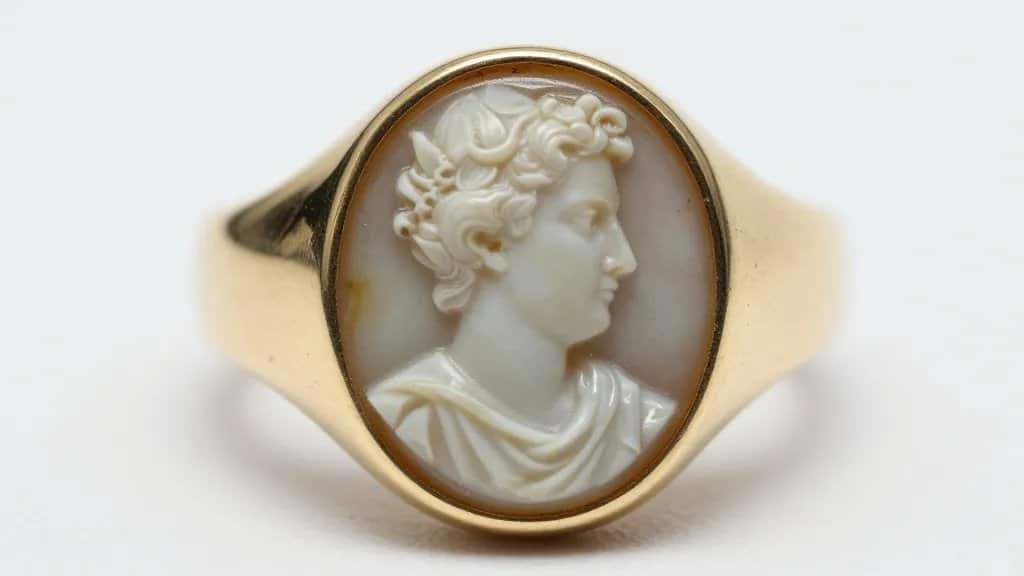
Greek and Roman jewelers perfected the language of carved gems. Intaglios were engraved below the surface so they could stamp wax; cameos were carved in relief, often using banded sardonyx to create contrasting layers of cream and brown. Hard stones like cornelian, sard, and quartz responded well to iron tools and abrasives like emery.
Amethyst, praised by the Greeks as a guard against drunkenness (the name hints at “not intoxicated”), was a favored purple quartz (Mohs 7). In clear daylight it shows a regal wine-to-violet glow. Garnet—particularly the rich red almandine—was common in Roman rings and military fittings, set in closed-back gold cells that intensified its color. Sapphires were known but rare in earlier periods; blue glass sometimes substituted when budgets or supplies ran thin, a reminder that imitations are as old as desire itself.
For modern eyes, Roman garnet jewelry is a study in geometry: tightly packed plaques, smooth cabochons, and a deep glow rather than a glittering sparkle. If you’re weighing Gemstone Cuts and Gemstone Shapes today, note how the cabochon format preserves saturated color in stones with dense body tone. It also handles wear well—no edges to chip on a shield boss or chariot rail.
India’s Navaratna and the Science of Auspicious Light
Indian traditions crystallized a sophisticated gemology grounded in both observation and astrology. The Navaratna—nine sacred gems—each corresponds to a celestial body: ruby (Sun), pearl (Moon), red coral (Mars), emerald (Mercury), yellow sapphire (Jupiter), diamond (Venus), blue sapphire (Saturn), hessonite garnet (Rahu), and cat’s-eye chrysoberyl (Ketu). A Navaratna setting balances these forces, often arranged with ruby at the center. Beyond symbolism, India became a source for diamonds (from alluvial deposits), sapphires, and emeralds through trade networks that stretched into Central Asia.
Ruby (corundum, Mohs 9) in the finest “pigeon’s blood” hues carried enormous prestige; tiny crystals with silk-like inclusions were fashioned into star rubies showing a six-rayed asterism under strong light. Emerald (beryl, Mohs 7.5–8), often included, was cherished for its life-green color more than clarity. Yellow sapphire (also corundum) joined wedding sets for prosperity. Traditional cutting prioritized color and weight, creating softly domed cabochons and shallow tables that saturated the face-up color in low indoor light.
If you’re using a modern Gemstone Buying Guide, remember that treatments were minimal in antiquity. Today, ruby and sapphire are commonly heat-treated to improve color and clarity; emeralds are routinely oiled to mask fissures. Ancient pieces show their age without glassy fills and often exhibit natural inclusions—a fine cloud in sapphire, garden-like veils in emerald—accepted as part of the stone’s living character.
China: The Cult of Jade and the Music of Stone
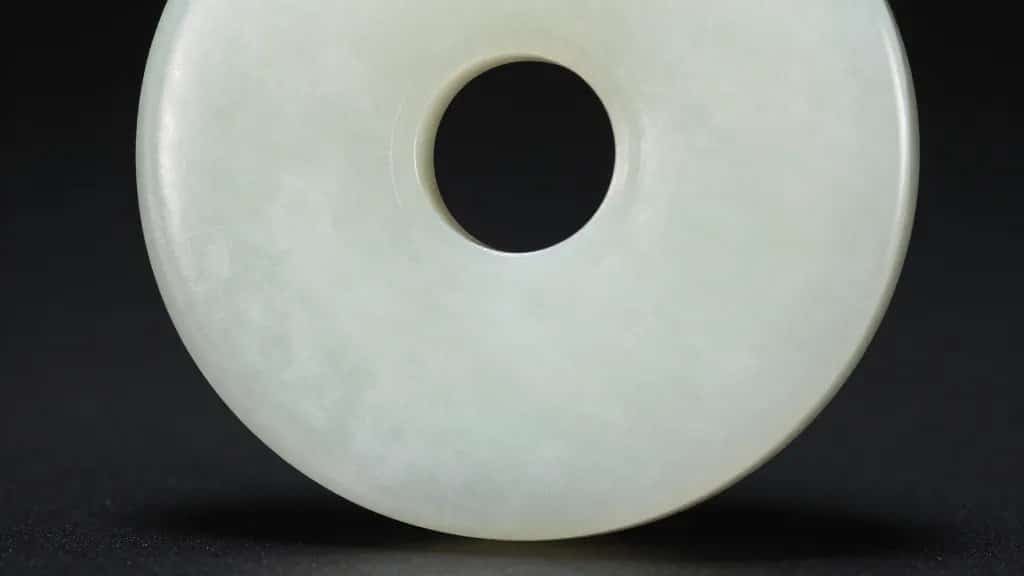
No civilization embraced a single stone as profoundly as China did jade. Two minerals share that name: nephrite (tough, interlocking fibers; Mohs ~6–6.5) and jadeite (denser, slightly harder; Mohs ~6.5–7). In Neolithic times and through the Bronze Age, nephrite was the primary jade, carved into ritual bi disks and cong tubes. It takes a silky polish and, even in pale celadon, seems to glow from within—as if lit by captured mist.
Jade symbolized virtue, durability, and the gentleman’s character. It rang when struck properly—musical stone was real—and it resisted fracture better than most gemstones. Jades were not about brilliance; they were about texture, translucency, and a cool, waxy luster. By the Qing dynasty, fine imperial green jadeite from Myanmar rose in esteem, but ancient contexts are dominated by nephrite. In burial settings, small plaques stitched into funerary suits suggest protection and incorruptibility.
Spotting the difference today requires a practiced eye. Jadeite tends to show brighter, more saturated greens and granular structure under magnification; nephrite appears fibrous or felted. Modern dyed jade and polymer-impregnated material are common; a good loupe and a careful read of surface texture and fracture can protect buyers. For care, avoid harsh heat and chemicals; jade is tough but can be porous along worked areas, so gentle cleaning preserves that signature luster.
Mesoamerica: Jade’s Sacred Twin and the First Turquoise Mosaics
The Maya and Olmec revered jade—largely jadeite—for its color of new maize and breath. Masks, earspools, and pectorals carried it into rituals and burials. The greens range from milky apple to deep chrome-rich hues, often mottled. Surfaces are softly lustrous rather than mirror-bright. Some pieces include pyrite or shell inlays, creating a layered shimmer that reads as both earthy and divine.
Farther north, the peoples of the American Southwest worked turquoise from deposits in what is now Arizona and New Mexico. Turquoise’s blue-green, veined with dark matrix, became a visual language in inlaid mosaics and beadwork. It’s relatively soft (Mohs ~5–6) and porous; ancient crafters cut domed cabochons and protected them in settings or arranged tiny tiles around shell and jet. Modern stabilized turquoise—impregnated to improve hardness and color—is a practical evolution. If you value authenticity, look for natural material with subtle, non-plastic luster and color that shows depth rather than flat paintiness. For jewelry lovers, this is where Gemstone Earrings and Gemstone Necklaces with historical styling really shine: small stones, close-set, create a tapestry of hue.
Persia and the Silk Routes: Lapis, Turquoise, and the Language of Courts
Persian artisans elevated turquoise to national identity. The prized “robin’s egg” blue came from deposits at Neyshabur; the color stands out cleanly in daylight and pairs beautifully with high-karat gold. Carved inscriptions and floral motifs adorned talismans and book covers. Lapis traveled through these same routes into mosques and palaces, ground into ultramarine for manuscripts or set into jewelry for its dignified blue. Carnelian signet rings, engraved with Qur’anic verses, combined durability with spiritual text, blurring the line between seal and sacred object.
Trade moved more than stones—it moved cutting styles, polish techniques, and ideas of value. You’ll notice how consistent lapis color and tight grain signal quality; abundant calcite streaks lower value. For those charting Gemstone Colors, Persian taste favored unclouded, even blues and a matte-to-glossy finish that read clearly against patterned textiles.
Europe’s Medieval and Renaissance Devotion: Relics, Reliquaries, and Learned Stones
Medieval Europe inherited Roman gems and layered them with Christian symbolism. Sapphire signified heaven and purity; bishops’ rings often carried deep blue cabochons, their tiny rutile “silk” softening the light into a pious glow. Emerald became the color of resurrection and learning; although fragile, it was mounted in protected settings for reliquaries. Garnets, abundant and resilient, filled cloisonné cells in Anglo-Saxon treasures like the Sutton Hoo finds—thousands of tiny red windows catching fire in candlelight.
Lapidaries—early gem manuals—assigned virtues to stones: topaz cooled anger, bloodstone staunched bleeding, peridot protected against night terrors. While the science was poetic, the observations about hardness and wear were practical. Craftspeople knew spinel endured knocks better than emerald, and they used it accordingly. Renaissance courts, flush with trade wealth, revived cameos and intaglios; ancient stones were remounted, sometimes misidentified. Many “balas rubies” in crowns turned out to be spinels—proof that Gemstone Identification is a moving target as knowledge advances.
How Ancient Choices Shape Modern Jewelry and Collecting
We still echo ancient design logic today. Cabochons for saturated color. Closed-back settings to deepen tone. Protective bezels for softer stones. If you’re choosing a piece of Gemstone Jewelry, think like an Egyptian for turquoise and malachite—keep them shielded from abrasion and chemicals. For rings that take daily wear, channel the Romans and pick garnet, sapphire, or spinel. When a gem’s allure is texture and translucency—jade, chalcedony, moonstone—lean into smooth surfaces and gentle curves rather than sharp-faceted brilliance.
Collectors prize provenance. A bead with ancient drill taper or a seal with wear-polished edges tells a journey in a way perfect modern copies cannot. If you’re considering ancient fragments, buy from reputable sources and request documentation; ethical collecting safeguards both history and future scholarship. And if you prefer new pieces with old soul, artisans worldwide recreate mosaic inlays, granulated gold work, and carved motifs that nod to Mesopotamia, Mesoamerica, and the Mediterranean.
Real vs. Imitation: Lessons from Antiquity
Imitations are not new. The Romans used colored glass to mimic emerald and sapphire; Victorians later reworked ancient styles with paste and foil-backs. Today, you’ll see dyed howlite standing in for turquoise, glass-filled rubies dressed as high-grade stones, and reconstituted “jade.” Train your eyes for telltales:
- Color saturation that looks flat or overly uniform can signal dye or composite material.
- Air bubbles in a loupe view point to glass; natural gems show inclusions with shape and direction—needles in ruby, three-phase inclusions in emerald, “sugar” in spinel.
- Too-light weight suggests resin or plastic; genuine stones feel cool and substantial.
- For porous stones like turquoise and jade, a surface that appears plasticky or has a chemical odor hints at stabilization or impregnation. Stabilization isn’t always bad, but it should be disclosed.
Hardness is also your friend. A steel needle won’t scratch corundum but will mark turquoise. A basic understanding of Gemstone Hardness helps set realistic expectations for wear and care.
Caring for Ancient Favorites: Practical Tips
If your jewelry echoes ancient materials, treat them with era-appropriate respect:
- Turquoise, malachite, and lapis lazuli: Avoid ultrasonic cleaners and chemicals. Wipe with a damp cloth and dry immediately. Store away from harder stones to prevent scratches.
- Jade: Gentle soap and water only. No harsh heat. A soft brush works for carved crevices.
- Garnet, amethyst, and quartz: Warm soapy water is safe. Avoid prolonged sun for amethyst; it can fade.
- Emerald: Never ultrasonic; most are oiled. Clean with lukewarm water, mild soap, soft brush.
- Ruby and sapphire: Generally robust, but be cautious with fracture-filled or glass-filled stones—avoid heat and chemicals.
When setting softer gems into rings, consider protective bezels or higher prongs. For heirloom-inspired designs, pendants and earrings often outlast rings because they suffer fewer knocks—use that to your advantage when shopping Gemstone Earrings and Gemstone Necklaces.
FAQs
Which gemstones were most prized in ancient Egypt?
Lapis lazuli, carnelian, turquoise, and malachite dominated, set in high-karat gold for vivid contrast. Lapis signified the sky and royalty; carnelian symbolized life and protection.
Did ancient people facet gemstones like we do today?
No. Most ancient gems were cabochons, beads, or carvings. High-symmetry faceting developed much later in Renaissance Europe with better tools and optics.
Are “royal rubies” in old crowns always ruby?
Often not. Many famous “rubies” are spinel, a different mineral with similar red hues. Improved testing reclassified them as gemology advanced.
What is the Navaratna setting?
A traditional Indian arrangement of nine gems linked to celestial bodies, worn for balance and protection, with ruby at the center.
How can I tell jadeite from nephrite?
Jadeite tends to show brighter greens and a granular texture under magnification; nephrite is more fibrous. Professional testing (RI, spectroscopy) confirms identity.
Were gemstone imitations used in antiquity?
Yes. Colored glass and glazed materials often substituted for rare stones. Ancient artisans were as creative as modern ones in meeting demand.
What ancient-inspired stones are best for daily-wear rings?
Sapphire, ruby, spinel, and garnet hold up well. Softer stones like turquoise and malachite are better in pendants or earrings or in protective settings.
A Final Thought
Gemstones outlast empires, and their uses reveal what mattered to the people who wore them—order, courage, harvests, safe journeys, and memory. Choose pieces that honor those stories while fitting your life today, and you’ll carry a bit of that enduring light wherever you go.

Christian Grey is the creator of GemMeaning, where he shares simple insights about crystals, gemstone meanings, and spiritual guidance. His focus is on making complex ideas easy to understand and practical for everyday life.