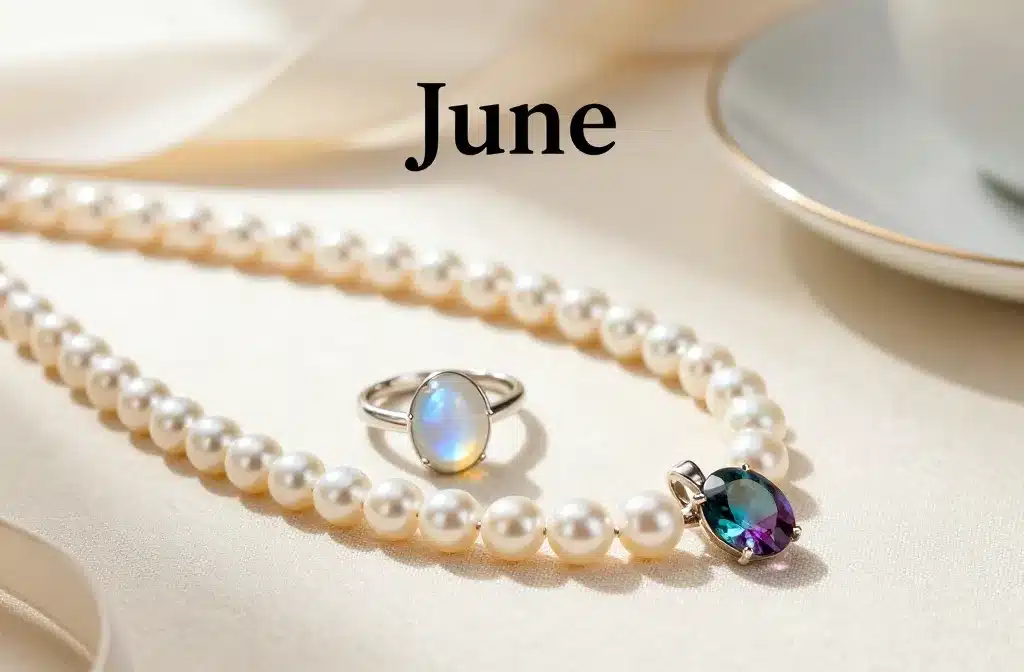
June is one of the rare months blessed with three birthstones, each with its own personality. Pearls glow with a soft, organic sheen. Moonstone shimmers with a whispery blue light. Alexandrite—when you can find it—shifts color like a chameleon at dusk. That variety makes June a joy to shop for, but it also raises questions about which gem suits which moment.
Here, you’ll get clear, practical ideas for pairing June birthstones with life’s occasions—from everyday wear to milestone celebrations. We’ll touch on how each gem looks and behaves, what it symbolizes, and how to choose pieces that age beautifully. You’ll also learn how to tell quality from clever marketing and how to care for these distinct stones at home.
Expect advice grounded in gemological know-how, but explained like a friend talking you through a jewelry case. Whether you’re celebrating a June birthday, planning a gift, or just love the luminous look of these gems, you’ll come away with designs and tips you can actually use.
Let’s match the gem to the moment.
Meet June’s Trio: Traits That Shape Design Choices
June’s birthstones aren’t interchangeable—each asks for different settings and care. Understanding their nature helps you pick jewelry that looks great and lasts.
- Pearl: Not a mineral crystal at all, pearl is organic, formed inside mollusks. Its surface, called nacre, creates that unmistakable glow—more a soft candlelit luster than a sharp sparkle. Mohs hardness around 2.5–4 means pearls are relatively soft and can scratch. They love gentle wear, cushioned settings, and being the star of the piece rather than the stone you knock on a countertop.
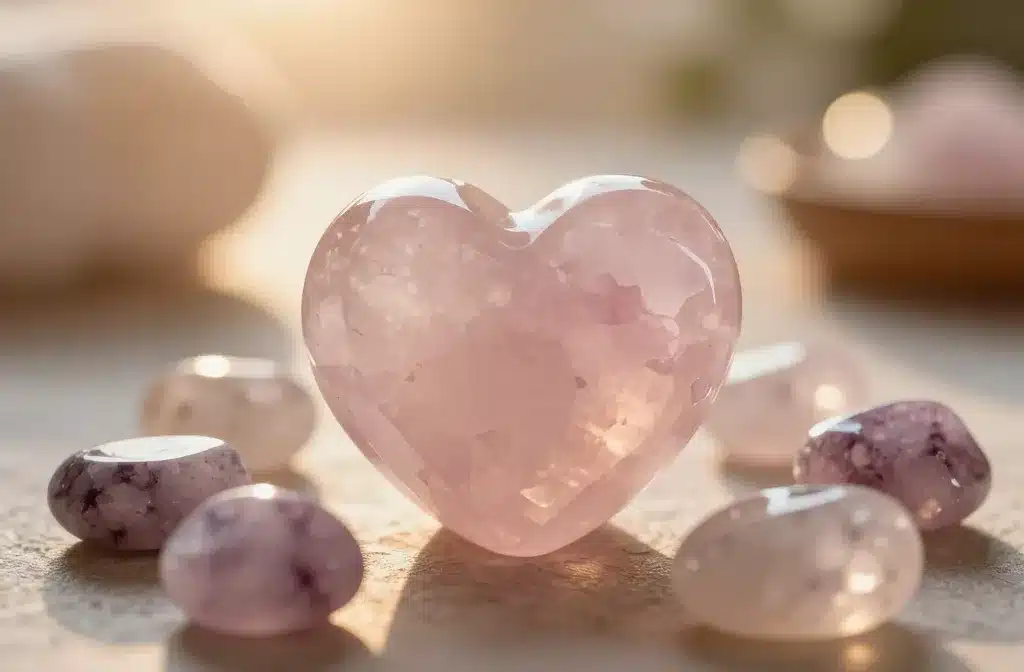
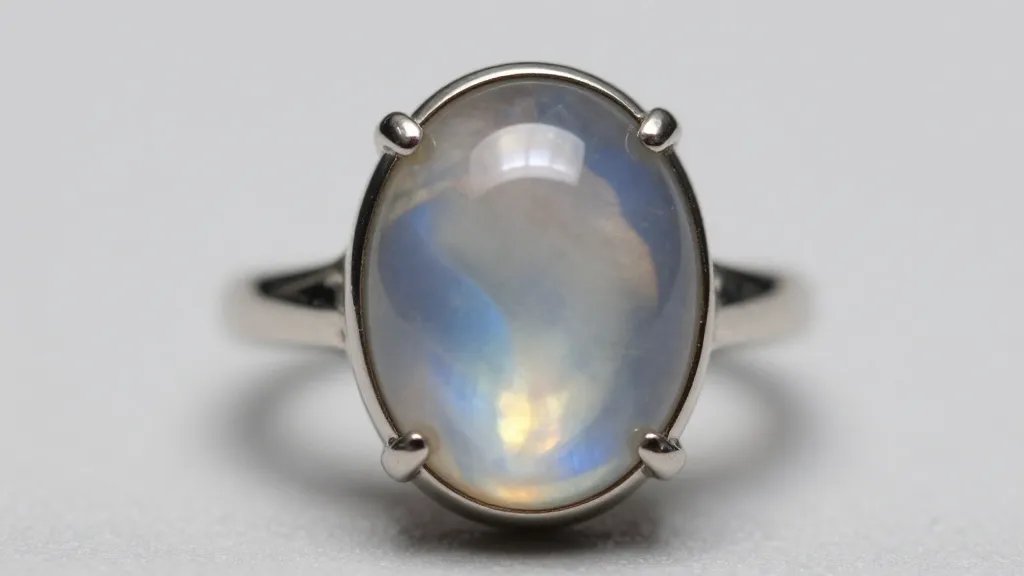
- Moonstone: A feldspar with a layered internal structure that scatters light into a billowy blue-white sheen known as adularescence. Typically 6–6.5 on the Mohs scale, moonstone is fine for necklaces and earrings and suitable for rings with protective settings. Expect silky, foggy translucence rather than high brilliance.
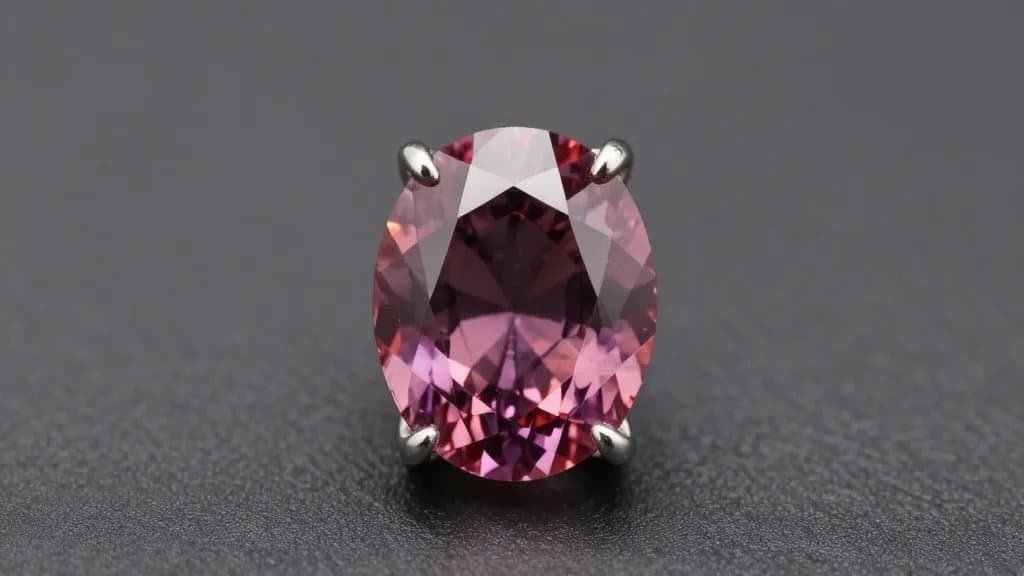
- Alexandrite: A chrysoberyl famed for color change—forest green in daylight, raspberry to plum under warm incandescent light. At 8.5 on the Mohs scale, it’s rugged enough for daily rings. Natural stones are scarce and pricey; lab-grown alexandrite offers the optical magic at a friendlier cost.
These differences explain why pearls often headline bridal pieces, moonstone thrives in bohemian and celestial motifs, and alexandrite becomes a lifetime jewel for anniversaries.
Everyday Jewelry: Effortless Pieces You’ll Reach For
Daily pieces should be comfortable, resilient, and versatile—jewelry you can forget you’re wearing until someone compliments it.
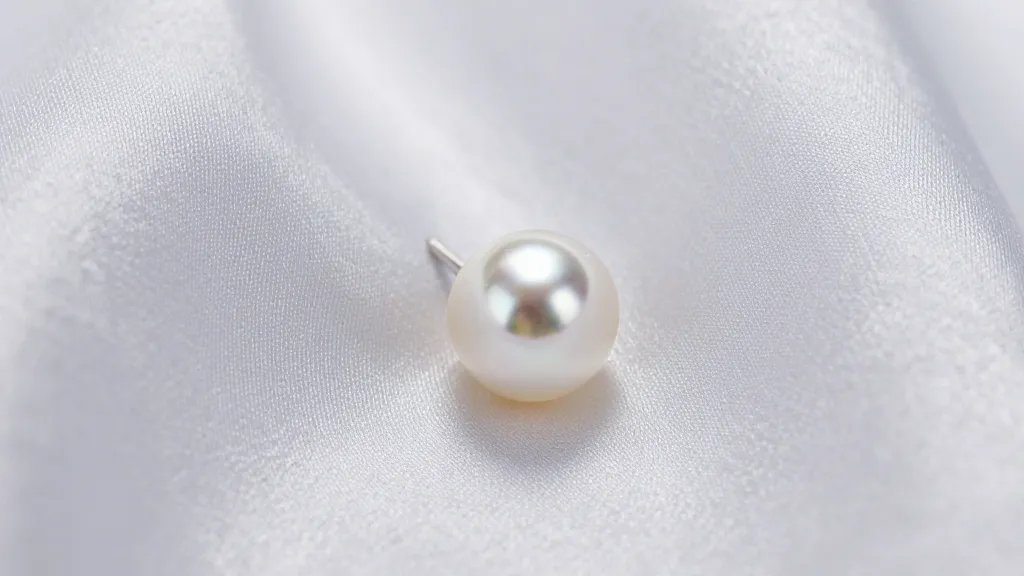
- Pearl studs: The quintessential start. Go for 6–7.5 mm akoya or high-luster freshwater pearls with clean skin and matching color. A medium size sits neatly on the lobe without tilting. Screw backs help secure them in scarves and sweaters.
- Moonstone pendant: A bezel-set oval or cushion moonstone on a simple chain adds a soft glow that flatters every skin tone. Look for a centered blue sheen that follows the light as you move. Bezel settings help protect edges from chips.
- Alexandrite stacking ring: If budget allows, a small round or oval alexandrite in a low-profile bezel nestles well with plain bands. A clean daylight green and noticeable, if subtle, warm-light shift keeps it visually interesting.
- Pearl station necklace: Tiny freshwater pearls spaced along a delicate chain create an airy line that layers beautifully with a birthstone charm or a slim gold bar.
Tip: For daily wear, think about how a piece meets fabric, zippers, and seatbelts. Smooth bezels and low profiles win. If pearls are part of your routine, apply perfume and hair spray first; put pearls on last and wipe with a soft cloth after wearing.
Office and Professional Settings: Understated Polish
Work-friendly jewelry should communicate competence without demanding attention. June’s palette excels here.
- Akoya pearl strand, 16–18 inches: The classic “desk to dinner” piece. Akoya pearls (usually 6–8.5 mm) have crisp roundness and a cool, mirror-like luster. A well-matched strand with minimal blemishes says refined without shouting.
- Moonstone bar earrings: Rectangular cabochons or slim baguette-cut moonstones offer a modern, architectural look. The subtle glow reads professional alongside a blazer.
- Alexandrite line bracelet (lab-grown): Tennis-style bracelets with small, matched alexandrite rounds deliver a quiet green line by day and a wine-tinted whisper at night. It’s a conversation piece only if someone notices; otherwise it’s simply elegant.
- Keishi pearl pendant: For creative workplaces, a single organic-shaped keishi pearl set on a minimal bail adds personality while staying sophisticated.
For boardrooms, consider metal color: cool-toned akoyas pop in white gold or platinum; warmer freshwater pearls glow against yellow gold. Moonstone pairs beautifully with rose gold, which deepens its ethereal blue.
Romantic Evenings and Celebrations: Turn Up the Luster
Evening lighting loves June gems. Candles and warm bulbs transform them.
- South Sea pearl drop earrings: Larger pearls (10–12 mm) with satiny luster swing gracefully and frame the face. White South Seas feel regal; golden South Seas radiate a soft champagne glow. Keep the design simple; the size provides the drama.
- Moonstone halo ring: A fine adularescent moonstone under a delicate diamond halo brings starlight to your hand. Choose a slightly domed cabochon; too flat and the shimmer can disappear.
- Alexandrite cocktail ring: Natural or lab-grown, alexandrite becomes an event in low light. A medium-dark stone with a crisp change from teal-green to raspberry steals the scene without the heft of a giant gemstone.
- Multi-strand pearl bracelet: Layered freshwater pearls—mixing slightly varying sizes and off-white hues—add texture. A decorative clasp you can wear on top doubles as a design feature.
If you’re pairing with gemstones, diamonds heighten pearl luster and moonstone’s glow. Colored gems can compete with alexandrite’s change, so let it lead.
Weddings and Milestones: Heirloom-Worthy Choices
June stones are rich with symbolism—purity and wisdom for pearls, intuition and dreams for moonstone, transformation and balance for alexandrite. They lend meaning to vows, graduations, and anniversaries.
- Bridal pearl strand + studs: A matched akoya set is the essence of timeless. For modern brides, try a single, exceptional pearl on a fine chain, or baroque drops for organic romance. Consider “near-round” freshwater pearls for budget-friendly bridal sets with excellent luster.
- Moonstone hairpins or tiara: Scattered moonstones catch light like dew along a veil or braid. Their soft blue flash pairs beautifully with silver-toned metals and seed pearls.
- Alexandrite engagement or anniversary ring: For the 45th or any meaningful milestone, alexandrite offers rarity and a secret: the color change feels like magic every time you notice it. Protect the stone with a slightly raised bezel or robust prongs. Lab-grown options allow carat sizes that natural stones seldom achieve at accessible prices.
- Mother-of-the-bride brooch with pearls: A vintage-inspired brooch set with seed pearls or a single statement mabe pearl adds grace to shawls or structured dresses.
For pieces you hope to pass down, prioritize craftsmanship: hand-knotted pearl strands with silk, precious metal findings, and well-fitting clasps. Ask for maintenance advice when you buy—especially for periodic restringing of pearls.
Weekend and Travel: Light, Layered, and Worry-Free
Off-duty jewelry should be unfussy and resilient. Here’s how June stones fit the suitcase.
- Layered moonstone necklaces: Mix a tiny moonstone charm with a slightly longer chain featuring a star or crescent. The celestial theme suits the stone’s glow and stacks without tangling if chains vary in thickness.
- Button pearl earrings: Dome-shaped pearls sit closer to the ear than drops, minimizing snags on scarves and sunhats. Choose sturdy friction backs.
- Alexandrite petite studs: Small round alexandrite studs ride comfortably under travel headphones and shift color when you step from sunny streets into candlelit restaurants. Lab-grown stones take the anxiety out of travel.
- Pearl anklet for beach weddings: Freshwater seed pearls on silk or a fine chain look sweet in sandals. Keep them away from sunscreen; wipe after wear.
Pack pearls in a soft pouch, not plastic, and give them their own compartment. Moonstone and alexandrite can share a hard case with other stones if each piece is separated to avoid surface abrasions.
How to Choose Quality: The Elements That Matter
Knowing what to look for turns browsing into confident buying. Here are the value factors that most affect price and beauty.
- Pearls:
- Luster: The top priority. High-luster pearls have sharp, bright reflections; dull pearls look hazy.
- Surface: Fewer blemishes feel refined. Minor spots are normal; deep pits lower value.
- Shape: Round is rare and priced accordingly. Near-round, oval, and baroque offer character at better prices.
- Matching: For strands and earrings, matched overtones, size, and luster matter.
- Type: Akoya for classic roundness and mirror luster; freshwater for variety and value; Tahitian for natural greys to peacock greens; South Sea for large, satiny whites and goldens.
- Moonstone:
- Adularescence: Look for a centered, strong blue sheen that moves with the light.
- Body color: Clean, near-colorless to soft peach or grey can be attractive; heavy milkiness dulls the effect.
- Clarity: Fine moonstone shows a silky translucence, not cloudiness. Avoid large fractures.
- Cut: Cabochons should be symmetrical and not too flat; some fancy cuts exist but cabs show sheen best.
- Alexandrite:
- Color change: Strength and contrast are key—vivid green to red/purple is ideal.
- Tone: Medium tones show the best change; too dark looks inky.
- Clarity: Slight inclusions are common; eye-clean stones command premiums.
- Origin: Russian and Brazilian stones have prestige, but origin alone doesn’t guarantee top change. Certification matters.
If you’re comparing gems, explore related topics such as Gemstone Value Guide, Gemstone Cuts, and Gemstone Buying Guide to understand how cut and rarity influence price across categories.
Real vs. Lab vs. Imitation: What’s What
The market is full of options. Knowing the language protects your budget and expectations.
- Natural pearls: Formed in the wild—exceptionally rare and costly. Most pearls sold are cultured.
- Cultured pearls: Real pearls grown with human assistance (nucleus insertion). Akoya, freshwater, Tahitian, and South Sea pearls are all cultured.
- Imitation pearls: Glass or plastic beads with a pearly coating. They look uniform, feel lighter (or obviously glass-heavy), and often lack the subtle warmth of nacre. Gently rub two pearls together—real pearls feel slightly gritty due to nacre texture; imitations feel slick.
- Natural moonstone: Feldspar with genuine adularescence. Be wary of glass imitations or feldspars with dyed coatings. Under magnification, real moonstone shows internal lamellae (layering) rather than bubbles.
- Alexandrite:
- Natural: Rare, with distinctive change. Expect lab reports for significant stones.
- Lab-grown (synthetic): Same chemistry and optical effects as natural, grown in a lab. A practical, ethical choice.
- Imitations: Color-change synthetic sapphire or glass that shifts from blue to purple but lacks true alexandrite’s green-to-red magic. Ask for disclosure.
Request receipts that specify “natural,” “cultured,” or “lab-grown,” and seek independent reports for high-value alexandrite. For more on spotting fakes, see Gemstone Identification and Gemstone Comparisons.
Design Ideas by Personality and Style
Matching jewelry to personal style makes a gift feel tailored—or helps you refine your own collection.
- Classic minimalist: Akoya studs, a single-pearl pendant, slim alexandrite channel band.
- Bohemian romantic: Moonstone cabochon ring in hammered gold, long threader earrings with baroque pearls, layered moonstone-and-pearl charms.
- Modern statement: Oversized mabe pearl ring with a geometric shank, moonstone kite-cut pendant, alexandrite east-west solitaire.
- Vintage lover: Seed pearl cluster brooch, moonstone navette ring with milgrain, alexandrite three-stone with tapered baguettes.
- Color enthusiast: Pair peacock Tahitian pearls with teal silk cords, mix moonstone with blue sapphire accents, let alexandrite stand alone to spotlight the shift.
If you’re exploring across gem families, check Gemstone Colors and Gemstone Shapes for ideas on how different hues and silhouettes influence mood.
Care and Cleaning: Keep the Glow, Avoid the Oops
Gentle habits make June gems last for decades.
- Pearls:
- Last on, first off. Protect from perfume, hairspray, and acids.
- Wipe with a soft, damp cloth after wear; let air-dry before storing.
- Store flat in a soft pouch; avoid hanging strands, which can stretch silk.
- Restring every 1–2 years if worn often; ask for knotting between pearls.
- Never ultrasonics or steam.
- Moonstone:
- Warm water, mild soap, soft brush. Rinse well; pat dry.
- Avoid sudden temperature changes and hard knocks; protect in bezels for rings.
- No steam or ultrasonic if the stone has fractures or inclusions.
- Alexandrite:
- Sturdier than most, but treat like fine jewelry.
- Ultrasonics are generally safe for clean, unfractured stones; when in doubt, stick to soap and water.
- Check prongs annually on rings you wear daily.
If you’re curious about durability across gems, see Gemstone Hardness and Gemstone Care to compare how June’s stones stack up to others in daily wear.
Smart Shopping Tips and Price Pointers
June gems span a huge price range. A few rules of thumb keep choices aligned with value.
- Pearl pricing: Expect to pay more for high luster, clean surface, and roundness. Size jumps raise cost quickly. Freshwater strands can be excellent value; akoya costs more; Tahitian and South Sea command premiums, especially in matched pairs and multi-pearl pieces.
- Moonstone pricing: Strong blue adularescence drives value. Large, clean cabs with centered sheen fetch higher prices than milky stones. Fine “rainbow moonstone” (a trade name often applied to labradorite feldspar) shows multicolor flash—expect different pricing and verify species with the seller.
- Alexandrite pricing: Natural stones with vivid green-to-red change are rare; even small sizes can be investment-level. Lab-grown alexandrite offers the same optical effect for a fraction of the price. Always get documentation for natural stones over a quarter carat.
- Settings and metals: Protective bezels extend the life of moonstone and pearls. For pearls, consider earring posts and clasps in precious metals to avoid skin reactions and premature wear.
- Policies: Seek transparent disclosures, return windows (especially when buying online), and care guarantees—pearl restringing plans are a plus.
Buy with your eyes first: if a piece stirs you, then test the details. Good jewelry should feel balanced in the hand, with smooth finishing and secure closures.
Common Mistakes to Avoid
- Choosing pearls by size alone and ignoring luster. Bigger isn’t better if the surface looks chalky.
- Overlooking setting protection for moonstone rings. A high cab in skinny prongs chips easily.
- Assuming any color-change stone is alexandrite. Many are color-change sapphire or glass. Always ask.
- Storing pearls in dry safes for years. Pearls benefit from ambient humidity and occasional wear—their nacre can dehydrate in arid storage.
- Using harsh cleaners. Bleach and ammonia are the enemies of pearls and can etch moonstone.
FAQs
Are freshwater pearls good enough for heirloom jewelry?
Yes—fine freshwater pearls now rival akoya in luster and roundness. Choose high-grade pearls with clean surfaces and strong luster, and have strands knotted and clasps upgraded for heirloom longevity.
How can I quickly test if my pearls are real at home?
Gently rub two pearls together or rub a pearl against your tooth. Real nacre feels slightly gritty; imitation pearls feel smooth. This is a quick screen, not a definitive test.
Does moonstone only come in blue sheen?
No. Classic moonstone shows blue to white adularescence, but some display peach or silvery flash. “Rainbow moonstone” often refers to a related feldspar with multicolor play—ask for the gem species if it matters to you.
Is lab-grown alexandrite a good purchase?
Absolutely. It’s real alexandrite with the same chemistry and color change as natural, typically cleaner and more affordable. It’s ideal for daily-wear rings or larger center stones.
Can I wear pearls every day?
You can, with care. Choose low-profile studs or pendants, avoid chemicals, wipe after wear, and restring strands periodically. Rings and bracelets see more knocks, so reserve those for gentler days.
What metal pairs best with each June stone?
White gold or platinum highlights akoya’s cool luster; yellow or rose gold warms freshwater and South Sea pearls; moonstone glows in rose gold; alexandrite’s green-to-red shift looks great in any neutral metal, especially platinum for crisp contrast.
How do I know a seller’s pearl grading is trustworthy?
Look for detailed descriptions (luster, surface, shape, overtone), reputable grading systems, and clear photos. Established jewelers often provide in-house grading; major purchases can include third-party appraisals.
Final Thoughts
June’s birthstones offer a rare spectrum—from pearl’s quiet radiance to moonstone’s dreamy glow and alexandrite’s shape-shifting magic. When you match each gem’s strengths to the occasion—pearls for polished grace, moonstone for lyrical light, and alexandrite for enduring wonder—you end up with jewelry that feels right every time you wear it. Choose with your eyes, confirm with good information, and care for them gently; they’ll return the favor for decades.

Christian Grey is the creator of GemMeaning, where he shares simple insights about crystals, gemstone meanings, and spiritual guidance. His focus is on making complex ideas easy to understand and practical for everyday life.